

MAJOR TAKEAWAYS
• Domestic violence often develops gradually, with warning signs appearing long before physical violence occurs.
• Untreated mental health challenges combined with substance abuse can increase instability and risk within intimate relationships.
• Prevention begins with awareness, intervention, treatment, and recognizing dangerous behaviors before tragedy strikes.A Mother’s Grief. A Daughter’s Legacy. A Conversation That Could Save Lives.
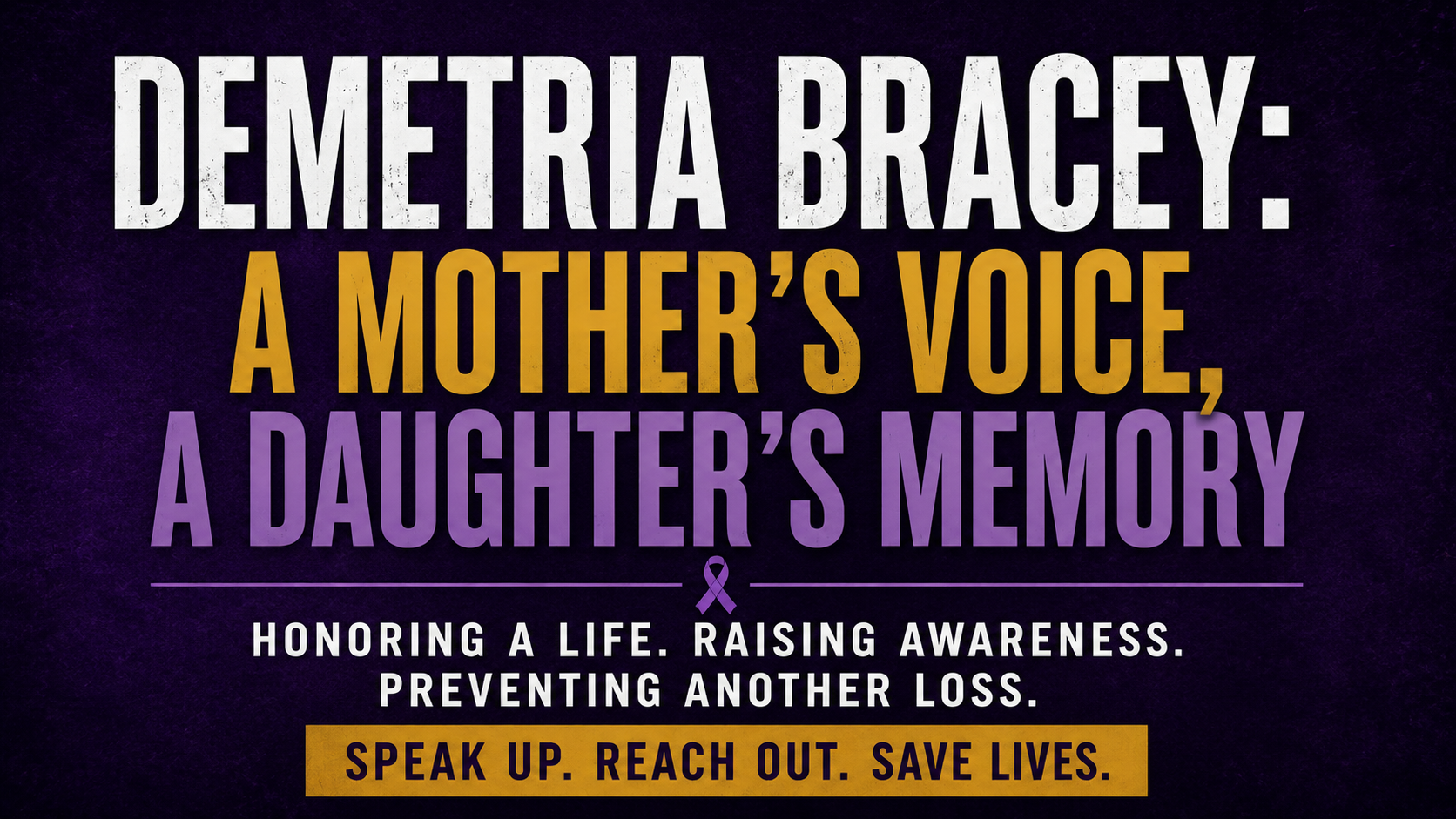
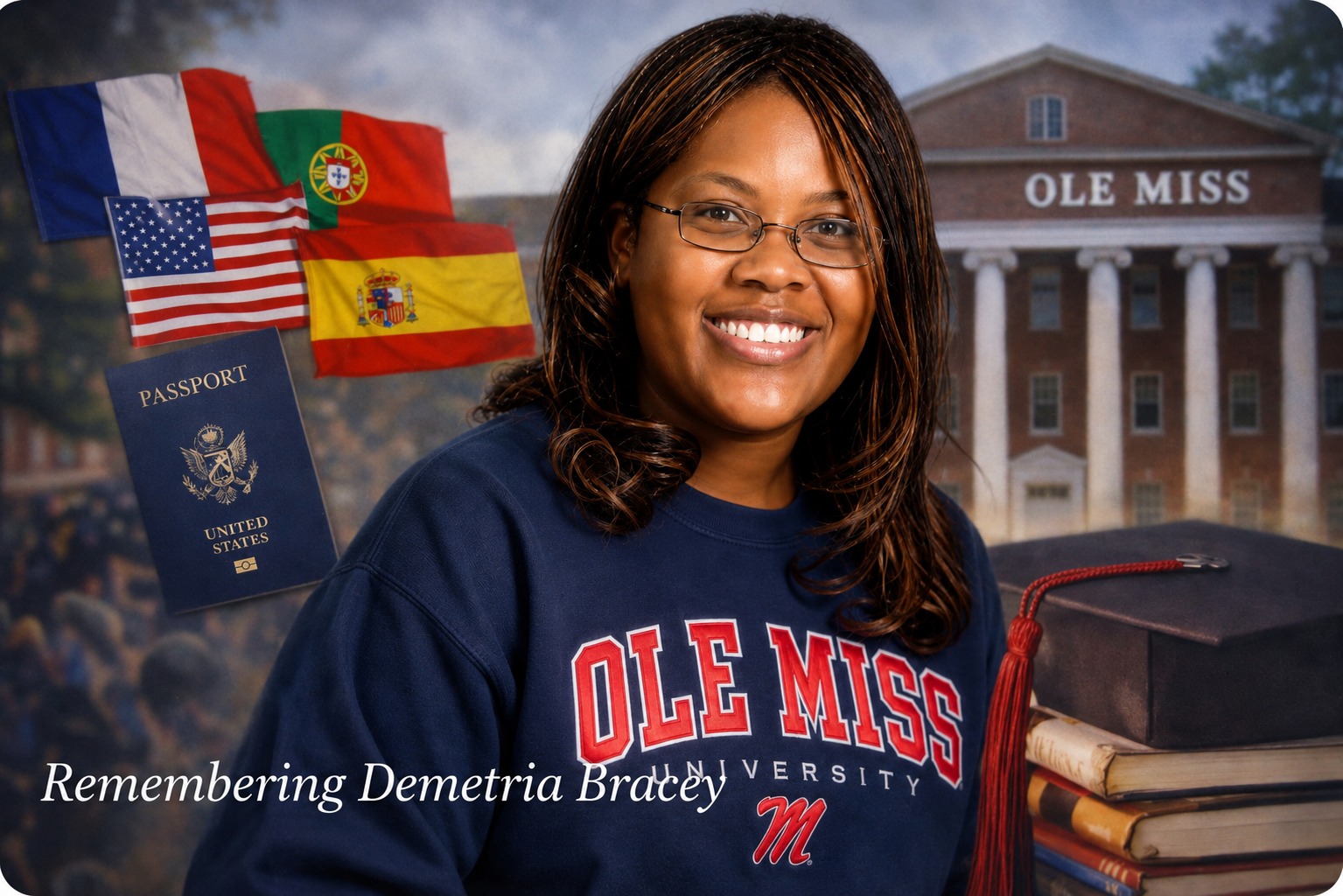
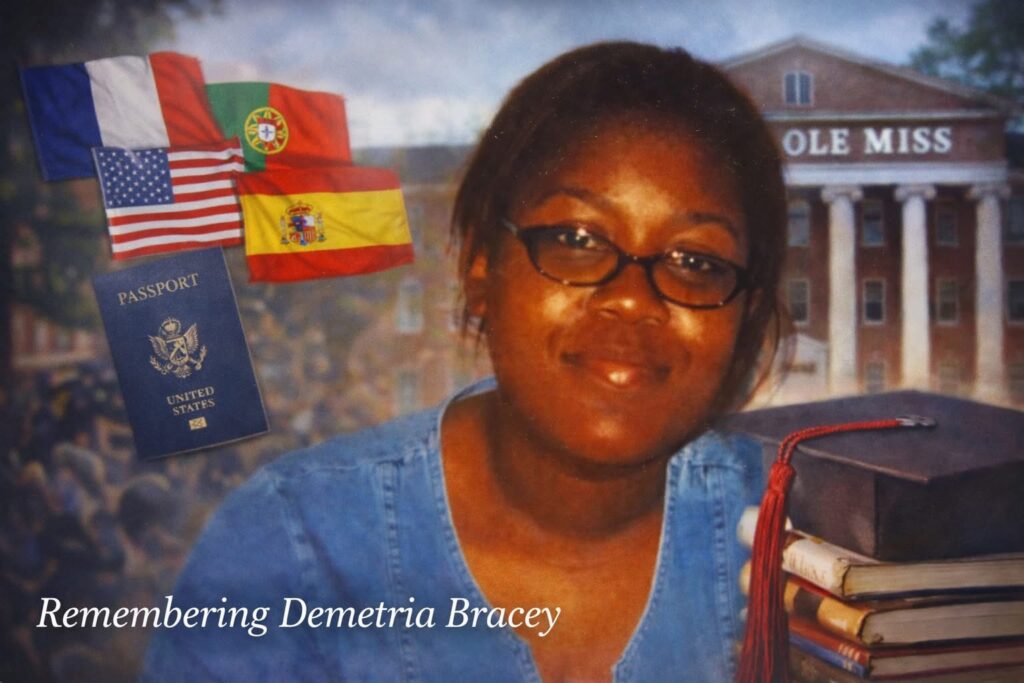
By Felicia Brookins Award-Winning Author and Screenwriter There is always a moment before the sirens. A quiet moment. An ordinary moment. The kind where nothing appears wrong from the outside. Doors are closed. Neighbors go about their day. Families make plans for the future. Yet behind some of those doors, something is unraveling. Conversations become confrontations. Fear goes unnamed. Mental health struggles collide with control, instability, and unhealthy relationship dynamics. What once felt like love slowly transforms into something dangerous. By the time the sirens arrive, the damage is already done. What follows often becomes a headline, a court case, or another statistic added to an ever-growing national crisis. What rarely receives the same attention are the warning signs that came before the months or even years of emotional turmoil, overlooked red flags, and opportunities for intervention. It is in that space before the sirens that domestic violence and untreated mental health challenges quietly claim lives. One of those lives was Demetria Bracey. A promising 21-year-old student at the University of Mississippi, Bracey was preparing to graduate and build the future she had envisioned. Friends and family describe a young woman filled with ambition, intelligence, and hope. That future was stolen when she was killed by her boyfriend, David Jackson Williams. During the investigation and subsequent trial, questions surrounding Williams’ mental and emotional state became part of the public record. However, those struggles did not define how Demetria saw him. She loved him. She believed in him. She chose compassion over fear. Like many victims of intimate partner violence, she did not see herself as being in danger. She saw someone she cared about, someone she hoped would overcome his struggles. That trust would ultimately cost her life. During Williams’ 2005 murder trial, his defense argued that the couple had entered into a mutual suicide agreement and that both individuals were experiencing significant emotional distress. Prosecutors challenged that claim, presenting forensic evidence that the fatal wound was inconsistent with a self-inflicted injury. The jury rejected the defense’s argument and convicted Williams of murder. The verdict underscored a painful reality: unresolved violence within intimate relationships can become deadly. Yet Demetria Bracey’s story is not an isolated tragedy. It exists within a larger national emergency. According to public health research, nearly half of all women and more than one-quarter of all men in the United States will experience physical violence, sexual violence, or stalking by an intimate partner during their lifetime. Every year, millions of Americans become victims of domestic violence. Thousands lose their lives. Millions more are left carrying physical and emotional scars that may never fully heal. Beyond the visible injuries lies another crisis mental health. Depression, anxiety, trauma-related disorders, substance abuse, and emotional instability frequently exist alongside domestic violence. In many cases, these issues do not excuse abusive behavior, but they can intensify risk factors when left untreated. Mental health professionals have long warned about the dangers of combining psychiatric medications with illicit drug use. The interaction can impair judgment, weaken impulse control, distort reality, and increase emotional volatility. In certain cases, it can contribute to paranoia, aggression, or severe emotional instability. According to Demetria Bracey’s mother, Williams was using drugs while also taking medication intended to address his mental health challenges. Although detailed medical records were not introduced during the trial, experts widely acknowledge that combining prescribed psychiatric treatment with illegal substances can significantly reduce the effectiveness of medication and increase the potential for harmful outcomes. The consequences often extend beyond the individual. They impact spouses, partners, children, parents, and entire communities. One of the most difficult truths about domestic violence is that warning signs are often overlooked by those closest to the situation. Loved ones rationalize concerning behavior because they care. Partners stay because they believe things will improve. Families hesitate to intervene because they fear stigma, conflict, or being wrong. But love cannot replace treatment. Compassion cannot substitute for accountability. And hope alone cannot guarantee safety. When mental health conditions go untreated or when treatment is disrupted through substance abuse—the risks can escalate dramatically. Recognizing those risks is not an act of betrayal. Encouraging professional treatment is not abandonment. Establishing boundaries is not cruelty. Prioritizing safety is not a lack of love. Mental health care is about more than helping individuals find stability. It is also about protecting the people who care about them most. Demetria Bracey’s story reminds us that violence rarely begins with tragedy. It often begins quietly in moments that seem ordinary, in behaviors that are excused, and in warning signs that are mistaken for temporary struggles. Behind every domestic violence statistic is a human being who had dreams, plans, and people who loved them. A daughter. A friend. A student. A future. The greatest lesson from Demetria’s story is that prevention begins before the sirens. It begins with conversations about mental health. It begins with recognizing warning signs. It begins with refusing to normalize behaviors that place others at risk. Because waiting until tragedy forces awareness is a price no family should ever have to pay.National Domestic Violence Hotline: Call 800-799-SAFE (7233) or visit the hotline’s official website for confidential support 24 hours a day.