When Justice Negotiates A Life: Domestic Violence, Legal Leniency, And he Cost to Black Women

Urban City Podcast Group
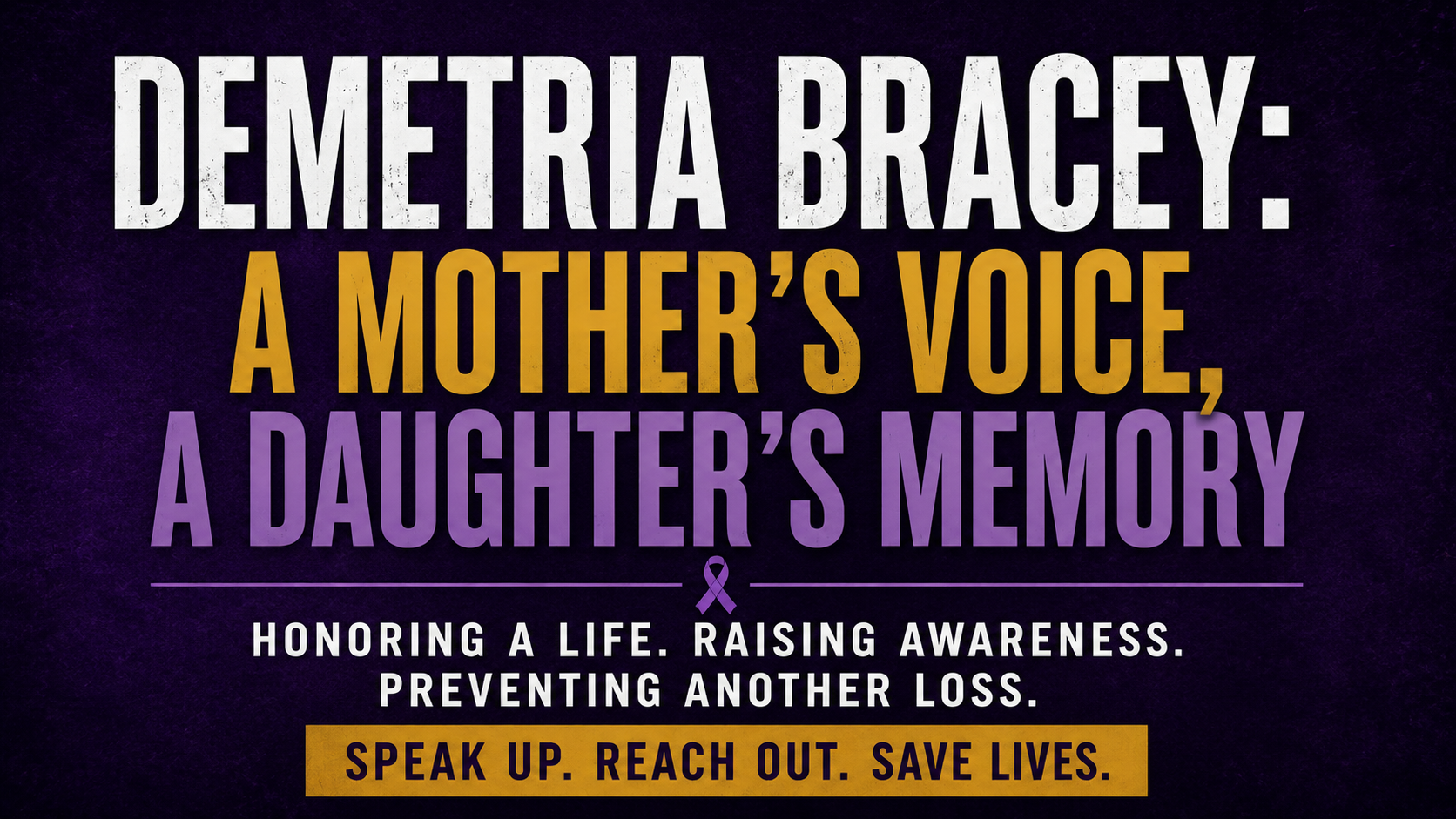
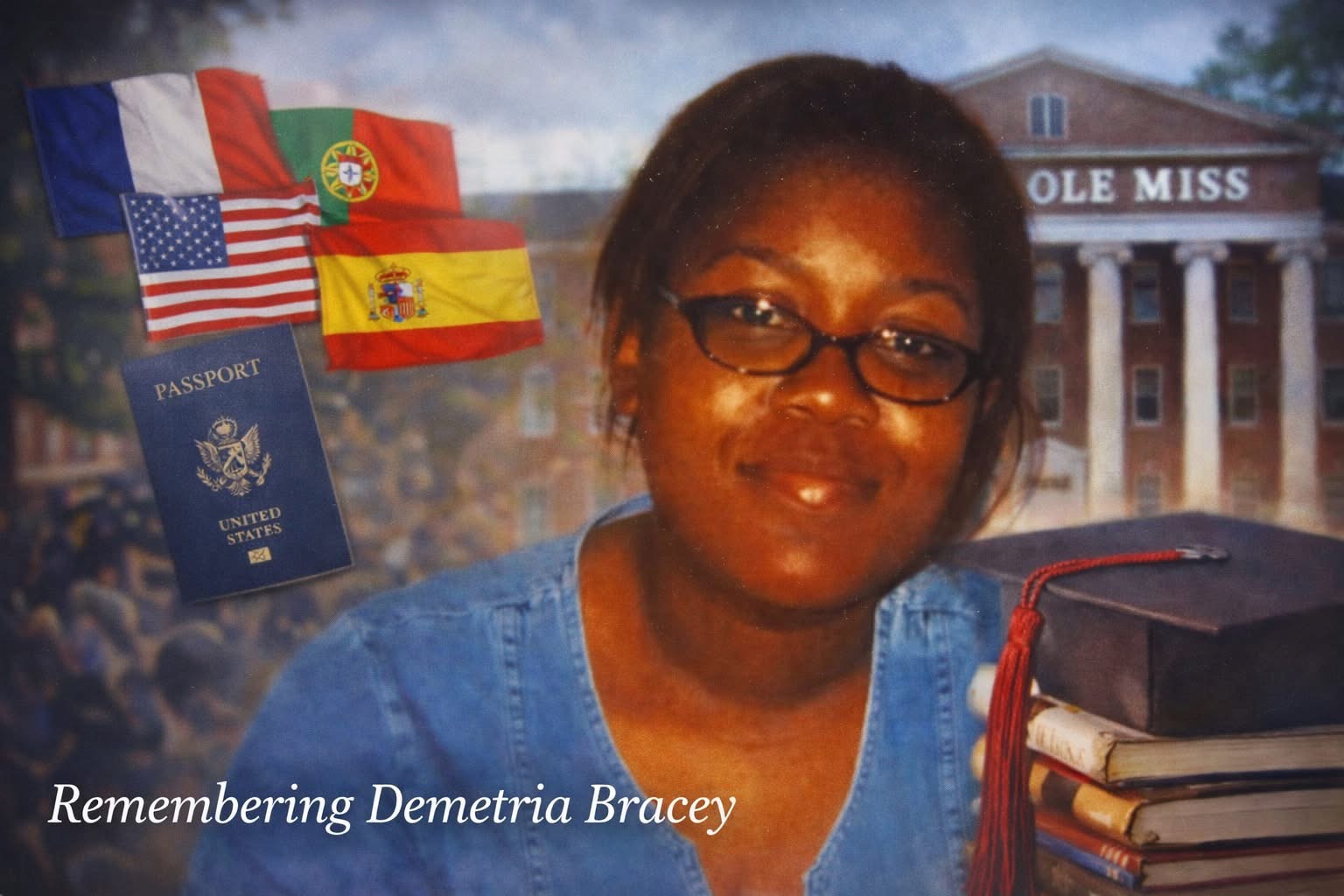
Symbolic image representing domestic violence, justice, legal accountability, and the lasting impact of sentencing decisions on Black families following the death of Demetria Bracey.
Demetria Bracey's case raises difficult questions about domestic violence, plea bargaining, and accountability. This powerful examination explores how legal leniency impacts Black families, shapes public trust, and influences perceptions of justice after tragedy.
Urban City Podcast Group
United States Real Estate Investor® Property Profit Powerhouse
Urban City Podcast Group

Table of Contents

Urban City Podcast Group
Portrait of author Felicia Brookins wearing oversized black glasses and a black turtleneck, smiling confidently with long curly highlighted hair against a neutral background.
Photo Credit: Felicia Brookins
MAJOR TAKEAWAYS

• Reduced sentences in domestic violence homicide cases can leave families questioning whether true justice was served.

• Legal outcomes communicate societal values and influence how communities perceive accountability and fairness.

• The trauma caused by domestic violence often extends far beyond the courtroom, affecting families and future generations.

A Mother’s Grief. A Daughter’s Legacy. A Conversation That Could Save Lives.

By Felicia Brookins Award-Winning Author & Screenwriter | Host of Cultural Autopsy 5 min read The murder of Demetria Bracey did not end with a verdict. It entered a negotiation. And within that negotiation emerged a question that extends far beyond a single courtroom, a single family, or a single case: What does it mean when a life taken through violence is met with leniency? Domestic violence does not exist in isolation. Neither does the legal system responsible for responding to it. For Black women, intimate partner violence often exists at the intersection of cultural stigma, historical inequality, and a justice process that has frequently struggled to deliver both protection and proportional accountability. Demetria Bracey‘s death and the plea agreement that ultimately reduced her killer’s sentence forces a deeper examination of what justice looks like when closure becomes compromised by compromise. There was a time when domestic violence was treated as a private matter rather than a public crisis. Victims were encouraged to reconcile rather than seek protection. Police officers often avoided intervention. Prosecutors hesitated. Courts minimized harm. For Black women, this indifference was compounded by racial and gender biases that routinely questioned their credibility, minimized their suffering, and diminished the urgency of their experiences. While laws have evolved significantly over the past several decades, history leaves a residue that does not disappear simply because policies change. Today, domestic violence is widely recognized as a serious criminal offense. Protective orders can be issued. Arrests can be made. Violations can result in criminal penalties. Emotional abuse, stalking, threats, and coercive control are now legally acknowledged in ways they were not in previous generations. Yet legal recognition does not always produce moral clarity. The gap between law and justice remains. That gap often becomes most visible through plea bargaining. Plea agreements are commonly defended as necessary tools for managing crowded court systems, reducing lengthy trials, and securing convictions that might otherwise be uncertain. In many situations, they serve practical legal purposes. But when a murder connected to domestic violence results in a reduced sentence, the consequences extend far beyond courtroom efficiency. The message reaches the community. It reaches survivors. And it reaches the mother who must live with the knowledge that her daughter’s life was weighed, negotiated, and ultimately discounted through a legal process she could not control. When punishment is softened, accountability can become difficult to recognize. The justice system may argue that procedure was followed correctly. Legal standards may have been met. Prosecutors may point to strategic realities and legal limitations. Yet the emotional and cultural implications remain unavoidable. A reduced sentence does not simply communicate mercy. It communicates value. It quietly answers a question many grieving families struggle to ask aloud: How much was her life worth in the eyes of the system? For Black mothers, that question carries an especially painful weight. It echoes generations of experiences in which Black women’s suffering has been minimized, overlooked, or absorbed into processes that prioritize resolution over reckoning. To be clear, this discussion is not about whether Demetria Bracey sought help before her death. Nor is it an argument that the legal system ignored a specific warning that could have prevented the tragedy. This conversation begins after the violence occurred. It focuses on how justice is ultimately defined once a life has already been lost. Within many Black communities, domestic violence is often complicated by understandable mistrust of institutions that have historically failed to provide equal treatment and protection. Families may hesitate to engage systems they do not fully trust. Victims may fear judgment, disbelief, or unintended consequences. Yet even when the legal system becomes involved, outcomes such as reduced sentences can create a second wound. One delivered not by an individual, but by a structure intended to uphold fairness. Justice, in these moments, risks becoming transactional rather than transformative. The larger question surrounding Demetria Bracey’s case is not simply whether justice responded. It is whether justice fully reckoned with the loss. Because laws address conduct. Sentencing communicates value. And it is within the space between those two realities that the deepest damage often occurs. Domestic violence leaves a psychological aftermath that no plea agreement can resolve. Trauma does not end when court proceedings conclude. Families continue carrying grief. Mothers continue carrying unanswered questions. Communities continue carrying fear. Survivors continue watching. They watch closely because every legal outcome teaches a lesson about what society considers important, what it considers acceptable, and what it considers worthy of consequence. Without meaningful accountability, trauma does not disappear. It circulates. It moves through families. It shapes future relationships. It influences trust in institutions. And it alters how entire communities understand justice. This is why sentencing matters. Not because punishment alone creates healing. But because accountability communicates recognition. It acknowledges the magnitude of harm. It affirms the value of the life that was lost. And it tells grieving families that their pain has not been reduced to a procedural outcome. Demetria Bracey’s story ultimately asks us to confront difficult questions about domestic violence, legal accountability, and the lives society chooses to protect most vigorously. The answers may be uncomfortable. But avoiding them serves no one. Especially not the families left behind. Because when violence takes a life, justice should do more than close a case. It should demonstrate, clearly and unequivocally, that the life lost mattered. And that accountability was never negotiable.

Author’s Note

This article is written in honor of Demetria Bracey and in recognition of her mother’s enduring grief. It is offered not as an accusation, but as an examination of how domestic violence, legal outcomes, and cultural history intersect. The goal is not to relitigate a case, but to encourage meaningful conversation about accountability, justice, and the lasting impact of violence on families and communities.
Urban City Podcast Group
United States Real Estate Investor® Property Profit Powerhouse
Promotional travel agent advertisement featuring Heather Smith seated on a tropical beach boardwalk at sunset, with a fairytale-style castle in the background. The design highlights worldwide travel planning, Disney vacations, personalized service, and magical travel experiences, with contact information and social media handles displayed across the bottom.
Urban City Podcast Group

Comments (0)

Your email address will not be published. Required fields are marked *

Urban City Podcast Group
United States Real Estate Investor® Property Profit Powerhouse
Urban City Podcast Group
loader-image
,

Urban City Podcast Weather sponsored by

Urban City Podcast Group

Get the latest news, events, and subscriber-only offers when you subscribe to the Urban City Podcast newsletter! Subscribe now!

Urban City Podcast Group

SHARE THIS ARTICLE

Urban City Podcast Group

Articles You May Like

Urban City Podcast Group

ADVERTISERS