7 min read
The California voter list fight turned sharper on Sunday.
The Justice Department defended its list of names.
It asked a judge to consider punishing the team that checked it.
That team found citizens and errors all through the list.
The filing landed hours before a crowded Monday in court.
Major Takeaways
- The Justice Department suggested contempt charges for the lawyers who published the analysis.
- The analysis found 8,880 of 20,930 names missing from the state voter file.
- At least 22 people on the list matched confirmed naturalized citizens.
- Researchers projected nearly 7,500 naturalized citizens could be wrongly flagged statewide.
- A Monday hearing in San Francisco will test a separate order protecting election workers.
- Ballots in California are already being cast and returned.
A Sunday Filing Raises the Stakes in Court
Chief Judge James Boasberg sits in Washington.
On Friday he gave the plaintiffs access to the federal data.
The data covered more than 20,000 people in California.
The administration calls those people suspected noncitizen voters.
Boasberg barred the plaintiffs from disclosing any names.
He limited the data to arguments about legal standing.
Standing decides whether the case can move forward at all.
On Saturday the plaintiffs filed their analysis with the court.
On Sunday the department answered with a sanctions push.
It said the analysis had nothing to do with standing.
It said the filing therefore violated the court order.
It suggested the judge refer the matter for investigation.
The investigation would weigh possible criminal contempt of court.
“The report’s political grandstanding about alleged inaccuracies … has no relevance to whether the particular plaintiffs in this case have standing,” the filing said.
Alberto Lammers speaks for the UCLA Voting Rights Project.
The project ran the analysis for the immigrant rights group.
He answered in a written statement on Sunday.
“Plaintiffs’ counsel and their experts fully complied with the Court’s orders,” he said.
The group at the center is CHIRLA.
Its full name is the Coalition for Humane Immigrant Rights.
CHIRLA is based in Los Angeles.
It sued the Homeland Security Department over the list.
It seeks to stop federal immigration data from driving voter challenges.
California Voter List Numbers Tell the Story
Two UCLA researchers did the checking.
Matt Barreto is a political scientist at UCLA.
Michael Rios is a UCLA data scientist.
Together they reviewed all 20,930 names on the list.
They found 8,880 names missing from the state voter file.
That is 42 percent of the entire federal list.
Those names match nobody in the current California voter file.
The team also matched the list against known citizens.
At least 22 entries fully matched CHIRLA members.
Those members are naturalized United States citizens.
Another 66 members were near certain full matches.
Hundreds more members were highly likely matches.
“I am certain that there are at least 22 entries on the CHIRLA citizen list that fully match to the DHS ineligible list,” Barreto wrote.
The researchers found errors beyond the member matches.
They described duplications and incomplete data entries.
They warned the method could produce over 350,000 false matches.
Each false match puts a lawful voter at risk.
Applying the same method across the state raised another figure.
Nearly 7,500 naturalized citizens looked highly likely to be wrongly flagged.
Los Angeles County reached a similar early conclusion.
Its clerk reviewed a sample of 7,035 names from the list.
Roughly one in four had marked the United States as a birthplace.
A United States birthplace is a strong sign of citizenship.
The Government Says Every Ineligible Ballot Cancels One
The department insists its list was built with care.
It says the names came from state registration data.
It says those names were compared with federal citizenship records.
It has subpoenaed election offices across California.
It has warned officials about criminal liability as well.
The warning covers officials who knowingly let noncitizens vote.
Bill Essayli runs the United States Attorney office in Los Angeles.
He dismissed the Saturday analysis in a public post.
“This is a bogus report by the activist illegal immigrant rights group CHIRLA,” he wrote.
President Donald Trump also weighed in on Saturday.
He claimed the department found “20,000, but potentially Hundreds of Thousands, and maybe even Millions” of fraudulent votes.
Department spokesperson Kiersten Pels defended the effort in writing.
“Every ballot cast by an ineligible voter cancels out the vote of an American citizen,” she wrote.
“The Department makes no apology for protecting those votes,” she added.
California officials answer that time has run out.
State law requires careful checks before any removal.
Those checks cannot happen in the final days before an election.
Voters attest to citizenship when they register.
Voting while ineligible carries felony risk under the law.
Three court rulings have already gone against the demand.
One judge warned that late orders could wreak havoc on the election.
Why Black Voters Should Watch a California Case
California holds the largest share of naturalized voters in the nation.
Naturalized citizens form about 21 to 22 percent of its eligible electorate.
That electorate includes Black immigrants from across Africa and the Caribbean.
Many waited years, paid fees, passed tests, and took the oath.
Some wore a uniform and earned citizenship in service.
A flawed flag can still shadow their ballot on Election Day.
The risk is not only a ballot set aside.
Fear of a challenge can keep a lawful voter home.
That chill is the oldest voter suppression tool there is.
Black families in the South know purge lists by heart.
Names vanish, notices never arrive, and proof falls on the voter.
The NAACP understood the stakes in the San Francisco case.
It joined unions and Latino civil rights groups as a plaintiff.
That case produced the Friday order from Judge Trina Thompson.
Her order bars threats against election officials in every state.
It also orders notice to every office that got a ballot letter.
What Monday and Election Day Now Hold
Monday is crowded with consequence in this fight.
Judge Thompson scheduled a hearing on the government appeal.
Her restraining order runs through November 16.
A longer injunction hearing follows on November 13.
Judge Boasberg also set Monday for his own ruling.
That ruling covers the wider campaign of letters to states.
Read our earlier report on the order forcing the department to name its letter states.
Washington state shows why the letter list matters.
Its officials found citizens on the roughly 400 names sent there.
Read how Washington rejected the demand to set aside 405 ballots.
Election Day arrives on Tuesday, November 3.
Unless a higher court pauses it, that order governs Election Day.
Check your registration before you leave home.
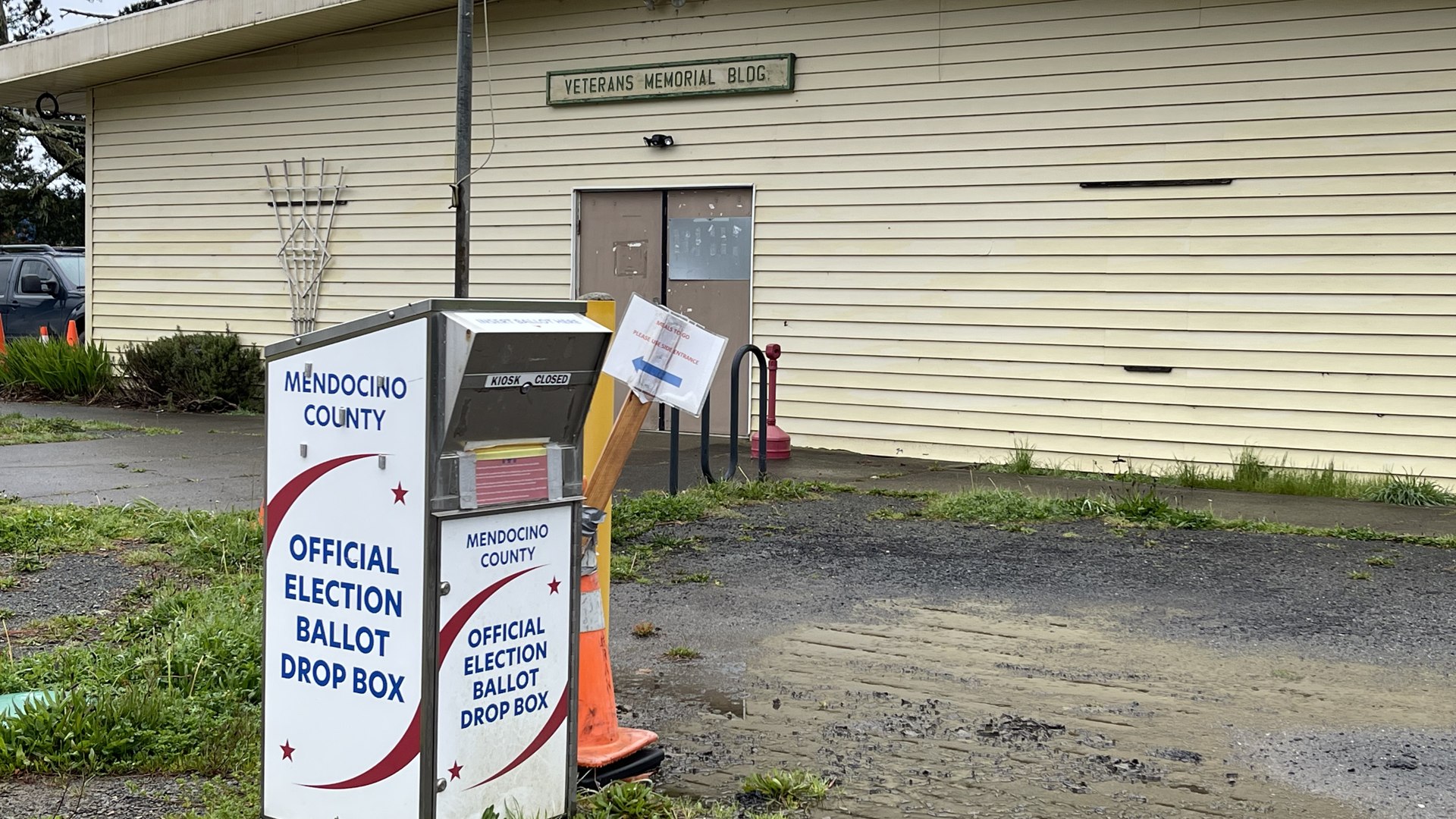
Use only official drop boxes and vote centers for mail ballots.
If a poll worker flags your name, ask questions on the spot.
Ask about a provisional ballot before you walk away.
The right to vote was earned by generations before us.
A flawed list should never be allowed to erase it.