
7 min read
Major Takeaways
- Chief Judge James Boasberg ruled on Monday that the federal lists of suspected noncitizen voters in California were flawed and included many people wrongly listed as noncitizens.
- The judge ordered the administration to stop demanding that California officials remove voters from the rolls or segregate ballots cast by people on those lists.
- Hours later, the administration filed an emergency appeal asking the Supreme Court to order California to set aside about 20,000 ballots while the case continues.
- An outside analysis of the federal list found 8,880 of its 20,930 names missing from the state voter file and certain matches to naturalized citizens who hold the legal right to vote.
- Until the justices act, the lower court rulings stand, and California counts its ballots under its own rules when polls close on Tuesday.
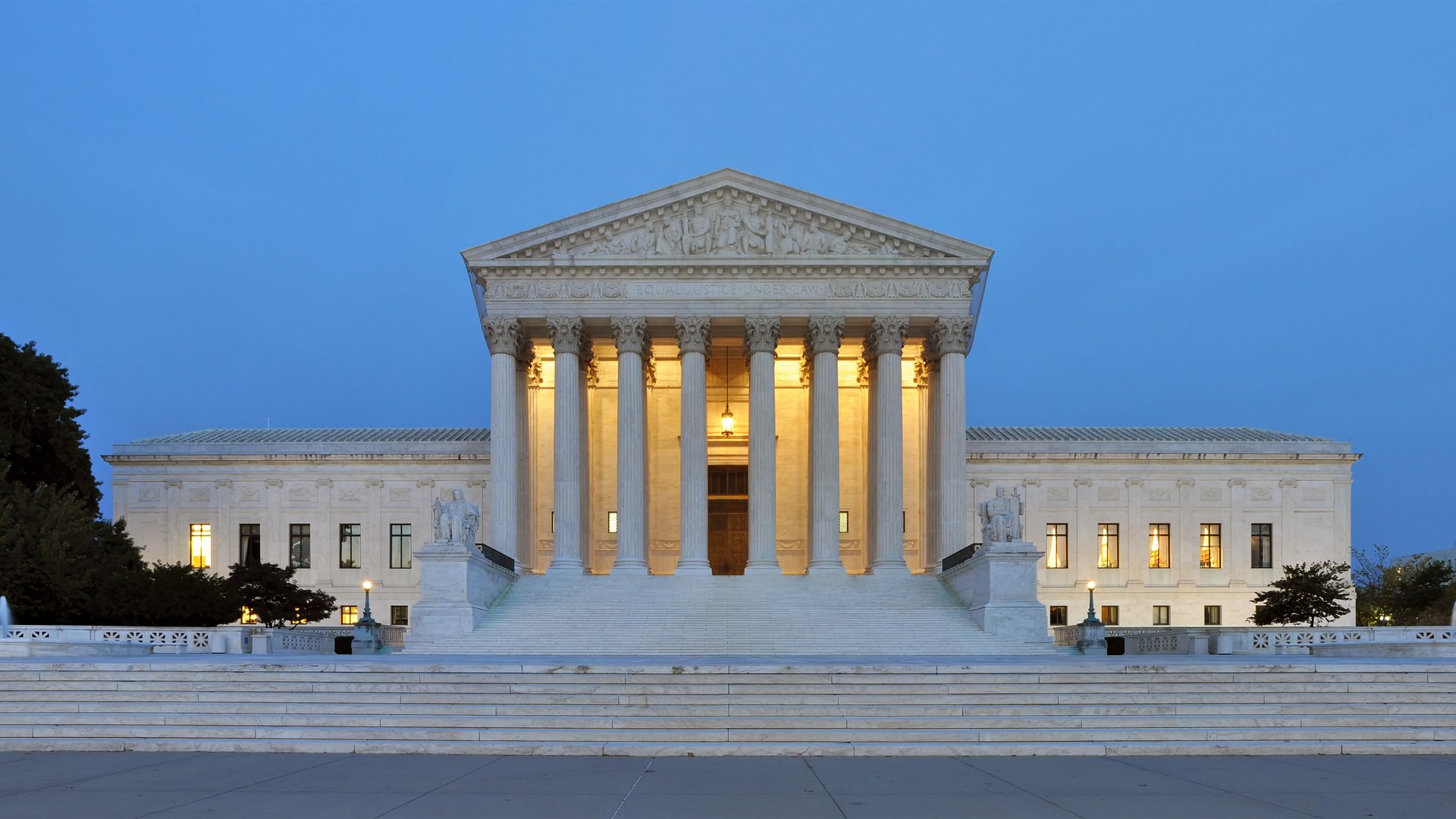
The fight over California ballots landed in two courtrooms at the highest levels on Monday, one day before voters decide control of Congress.
Chief Judge James Boasberg ruled that the federal lists behind the administration campaign against suspected noncitizen voters were flawed. He ordered the administration to stop demanding that California election officials segregate ballots cast by people on those lists.
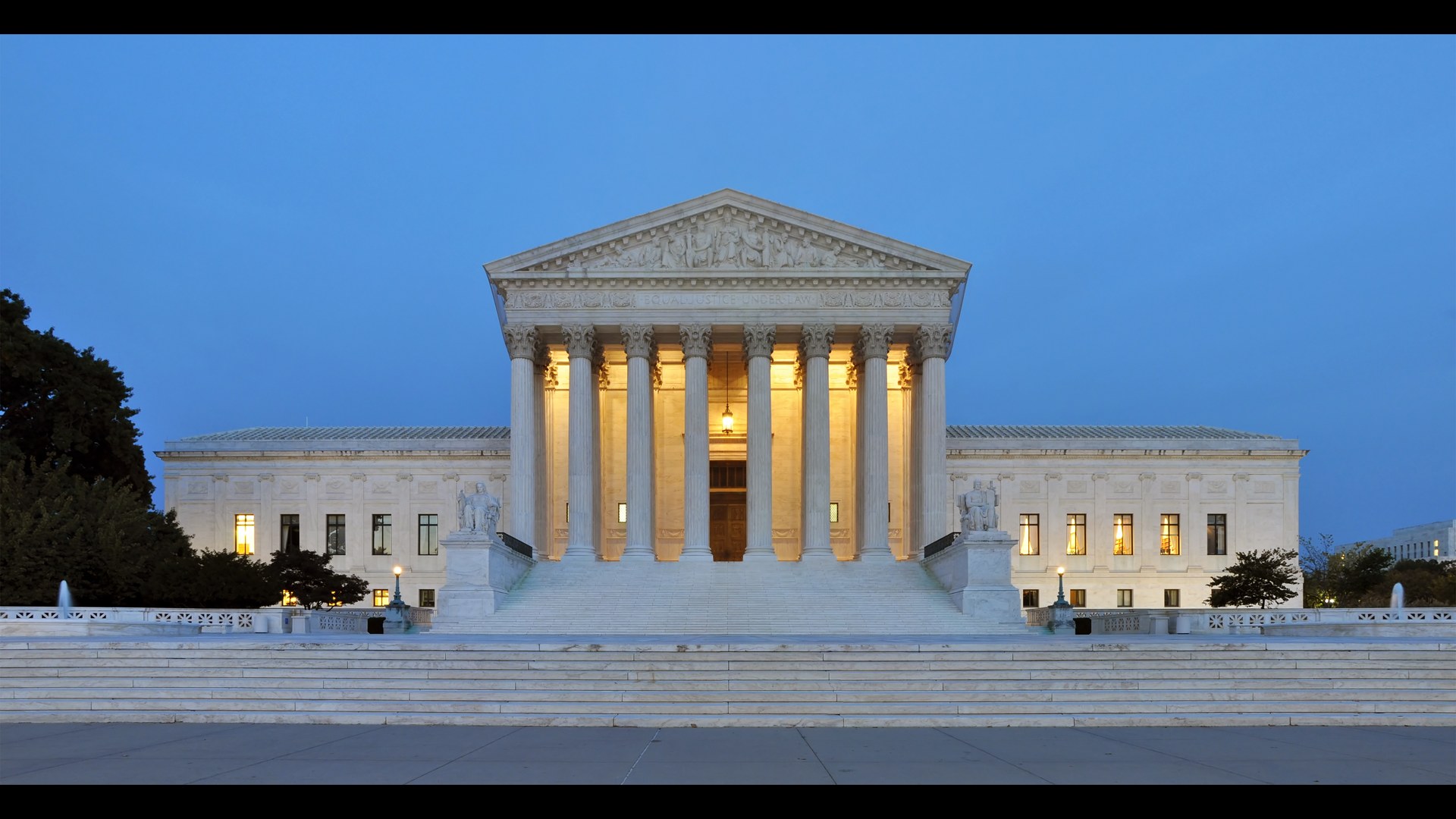
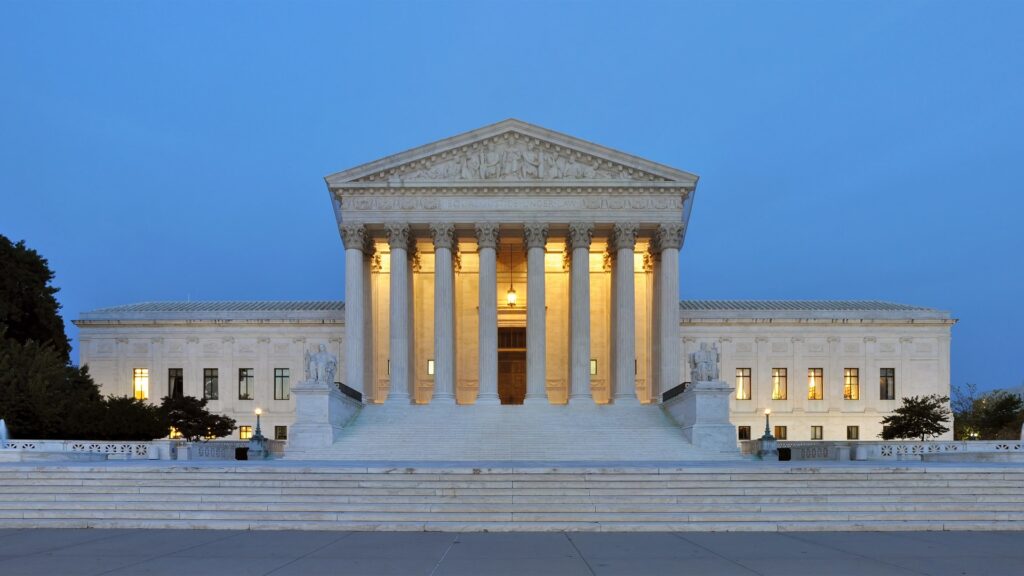
Hours later, the administration went over his head. It filed an emergency appeal asking the Supreme Court to set aside about 20,000 California ballots while the case continues.
A Judge Says the California Ballots List Failed Its Own Test
Boasberg sits in Washington and was appointed by President Barack Obama. His ruling came on the deadline he had set for himself, one day before the November 3 midterm elections.
He found that the lists the administration compiled included many people who were wrongly listed as noncitizens. That finding goes to the heart of the case.
“California may decide for itself what procedures to use for verifying the citizenship of registered voters,” Boasberg wrote. “The Executive Branch lacks authority to unilaterally impose its preferred procedures.”
The timing carries its own irony. On Sunday, the Justice Department asked this same judge to consider contempt charges against the immigrant rights group that exposed the flaws in the list.
On Monday, instead of punishing the group, the judge ruled that the list itself could not carry the weight the administration put on it. Our earlier reporting tracked the sanctions push and the analysis that started this fight.
The Administration Runs to the Supreme Court
The emergency appeal asks the justices for what the Justice Department calls a limited injunction. Solicitor General D. John Sauer wants California ordered to stop commingling suspected illegal ballots with legal ones.
The administration argues that setting ballots aside would let officials verify eligibility without canceling any vote. California officials answer that the list is highly unreliable and likely includes many citizens.
The administration has won a string of emergency appeals at the Supreme Court this year. But the justices previously rejected its push to restrict mail ballots ahead of these midterms.
A ruling could arrive at any hour. Until the justices act, the orders below them stand, and California runs its count under its own procedures.
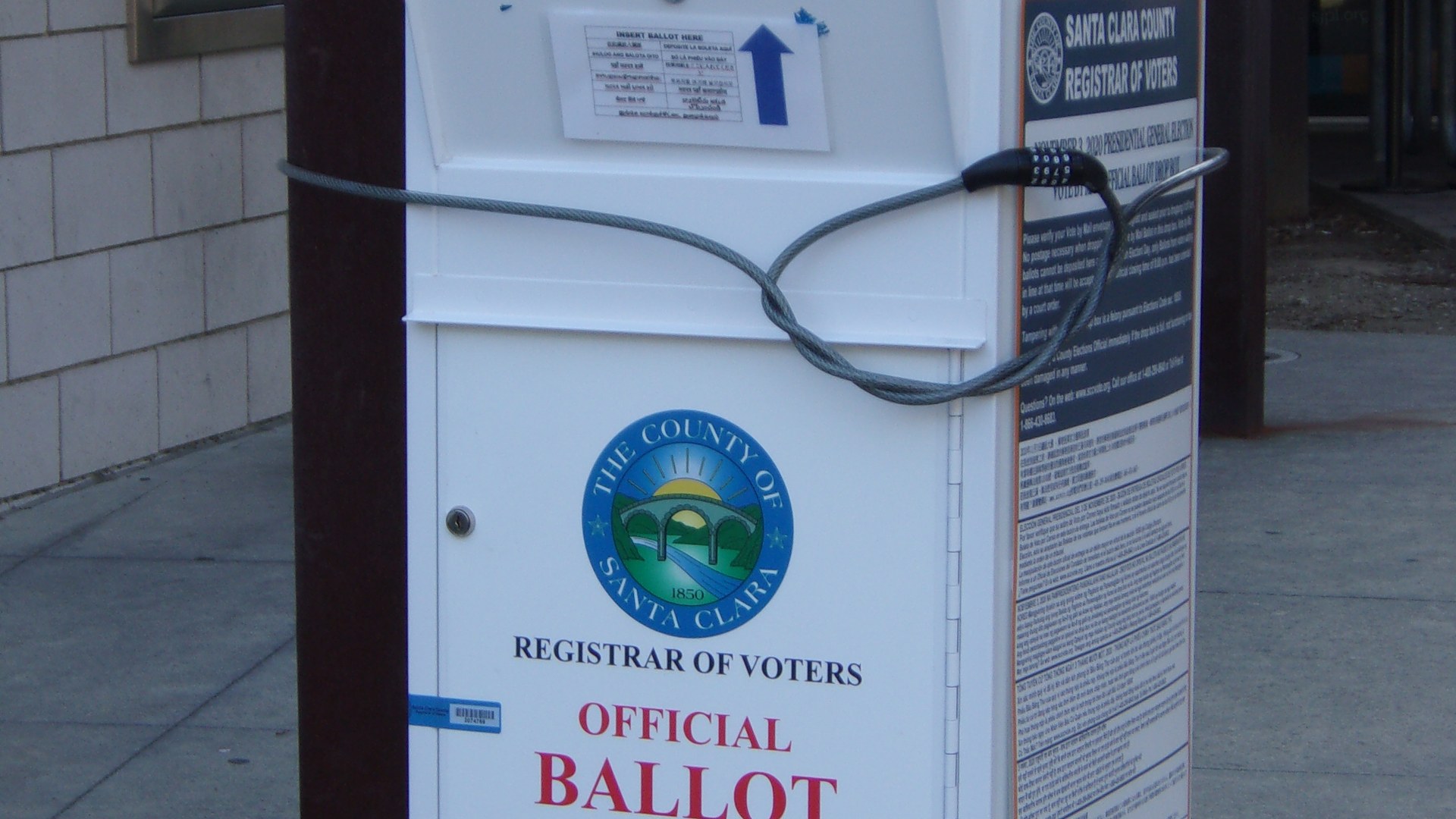
Voting in California has been underway since early October. All of the roughly 23 million registered voters in the state are mailed a ballot, and hundreds of thousands of ballots have already been processed.
Why the List Keeps Losing in Court
The federal list names 20,930 people the administration calls likely noncitizens. The first outside analysis of that list, filed in court on Saturday, found 8,880 of the names missing from the state voter file altogether.
The analysis found certain matches to 22 naturalized citizens on the list. It projected that nearly 7,500 naturalized citizens statewide are highly likely to be wrongly flagged.
Naturalized citizens are full citizens. Many Black Californians earned that status through naturalization, arriving from Africa, the Caribbean and across the diaspora, and their right to vote is not provisional.
District Judge David Carter denied the administration emergency request last week in blistering terms. Segregating the ballots, he warned, would wreak havoc on the election and erode trust in the process.
“If the Executive can discount votes and threaten an ongoing election due to unproven allegations, then our democracy is in danger,” Carter wrote.
A divided appeals court panel agreed on Friday, voting two to one against the administration. The majority found no feasible way to identify and segregate the ballots of specific voters without potentially catastrophic effects on the entire system.
The mechanics matter here. Once a mail ballot leaves its signed envelope during processing, it can no longer be matched to the voter who cast it, and California counties may begin processing ballots 29 days before an election.
A separate order from Judge Trina Thompson on Friday barred the administration from threatening election officials with criminal prosecution over disputed ballots. Her court took up the government request to pause that order at a hearing on Monday afternoon.
What This Fight Means for Black Voters
Black Americans know this script by heart. Every generation has faced officials who questioned whether people like us truly belong on the voter rolls.
The challenges change form, from poll taxes and literacy tests to database matches built on old immigration records. The burden lands the same way, on citizens asked to prove what the Constitution already guarantees.
Noncitizen voting is already illegal under federal law, and documented cases remain rare. No court in this fight found evidence that the people on the federal list voted unlawfully.
The fear alone does damage. A citizen who hears that federal lawyers may set her ballot aside may decide her vote carries too much risk, and a vote never cast cannot be recovered.
That fear will share the room on Tuesday with about 1,000 federal monitors heading to polling places in all 50 states. Black voters deserve a clear picture of both, and clear eyes about what the law actually says.
What California Voters Should Know Tonight
If you are registered in California, your ballot counts under the rules in place right now. No court order in effect tonight requires officials to set your ballot aside because your name sits on a federal list.
Return your mail ballot, use an official drop box, or vote in person on Tuesday. If anyone challenges your right to vote at a voting site, ask the election workers on site for help and insist on the ballot the law provides.
Across the South, Black early voting surged before Tuesday despite every obstacle placed in its path. California voters now hold the same power in their hands.
The Supreme Court may yet have the last word on these 20,000 ballots. The last word on this election still belongs to the voters who show up.