5 min read
On October 29, 1991, Ice Cube released Death Certificate through Priority Records.
The album was his second solo statement, arriving one year after AmeriKKKa’s Most Wanted.
Thirty five years later, it still stands among the most debated albums in hip hop history.
Cube did not make a record that asked for comfort or approval.
He made a record that held a mirror to Black America and dared the country to look.
Major Takeaways
- Death Certificate turns 35 on October 29, 2026, and its warnings still land with force.
- Cube split the album into a Death Side about present conditions and a Life Side about the way forward.
- The album entered the Billboard 200 at number two and earned platinum status within weeks.
- Its hardest tracks still spark debate, and that tension remains part of its legacy.
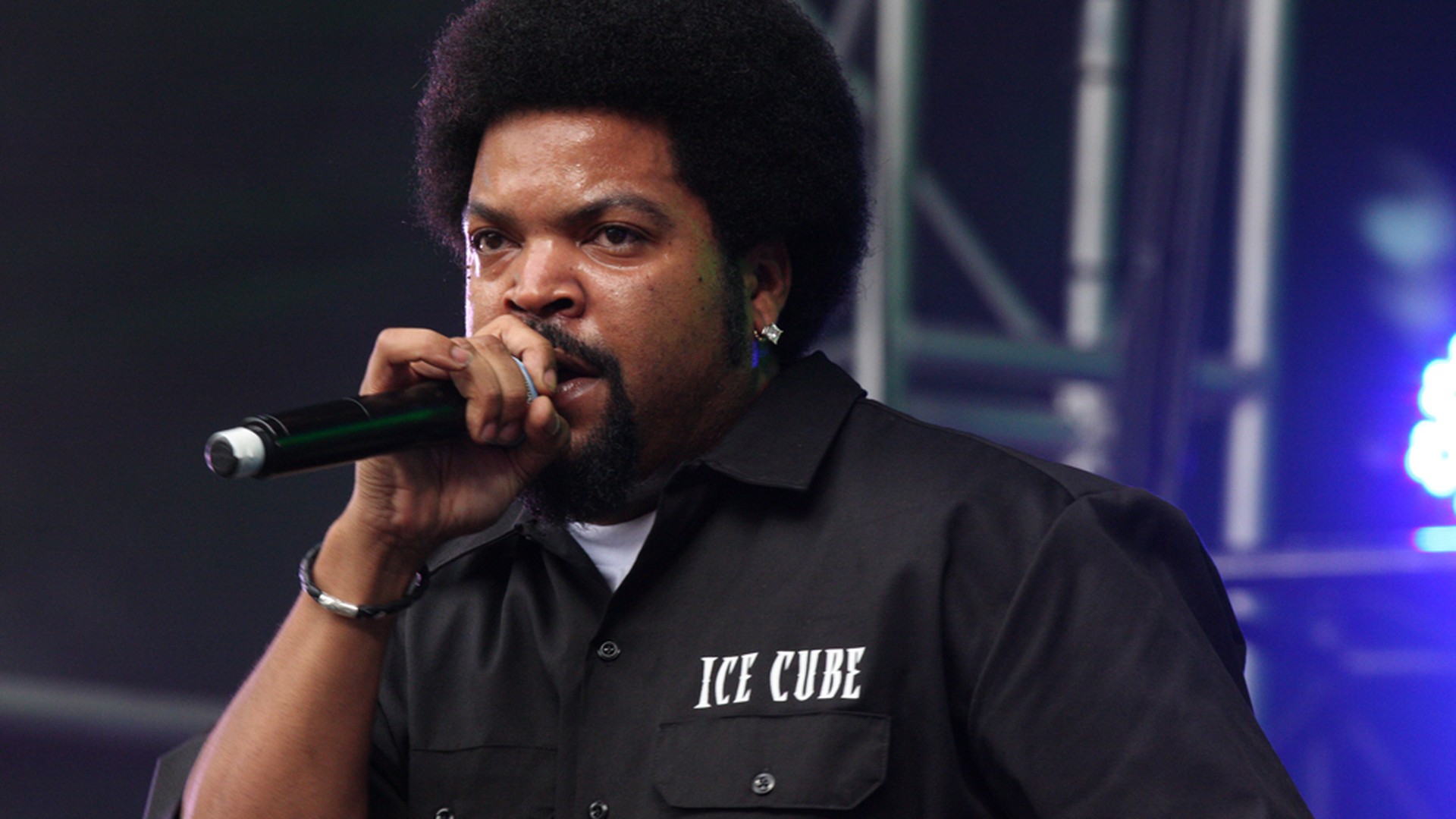
Ice Cube performs live on stage. (Photo: Eva Rinaldi, CC BY SA 2.0, via Wikimedia Commons)
A Concept Built Like a Sermon and a Street Report
Cube organized the album of twenty tracks around two clear and opposing ideas.
The Death Side offers what he called a morbid vision of where we are today.
The Life Side answers with his vision of where we need to go.
That structure turned a rap album into an argument about survival and direction.
On My Summer Vacation, Cube follows young hustlers who leave Los Angeles to set up shop in St. Louis.
The story shows how pressure in one city can export pain to another.
A Bird in the Hand plays like a thesis set to a beat.
Its young father holds a diploma, earns fast food wages, and still cannot feed his child.
Cube lays out the cold math that can push a working man toward the drug trade.
Alive on Arrival may be the most haunting story on the album.
A shooting victim waits for care in an overwhelmed hospital while officers ask about gang ties.
The track argues that neglect can kill as surely as a bullet.
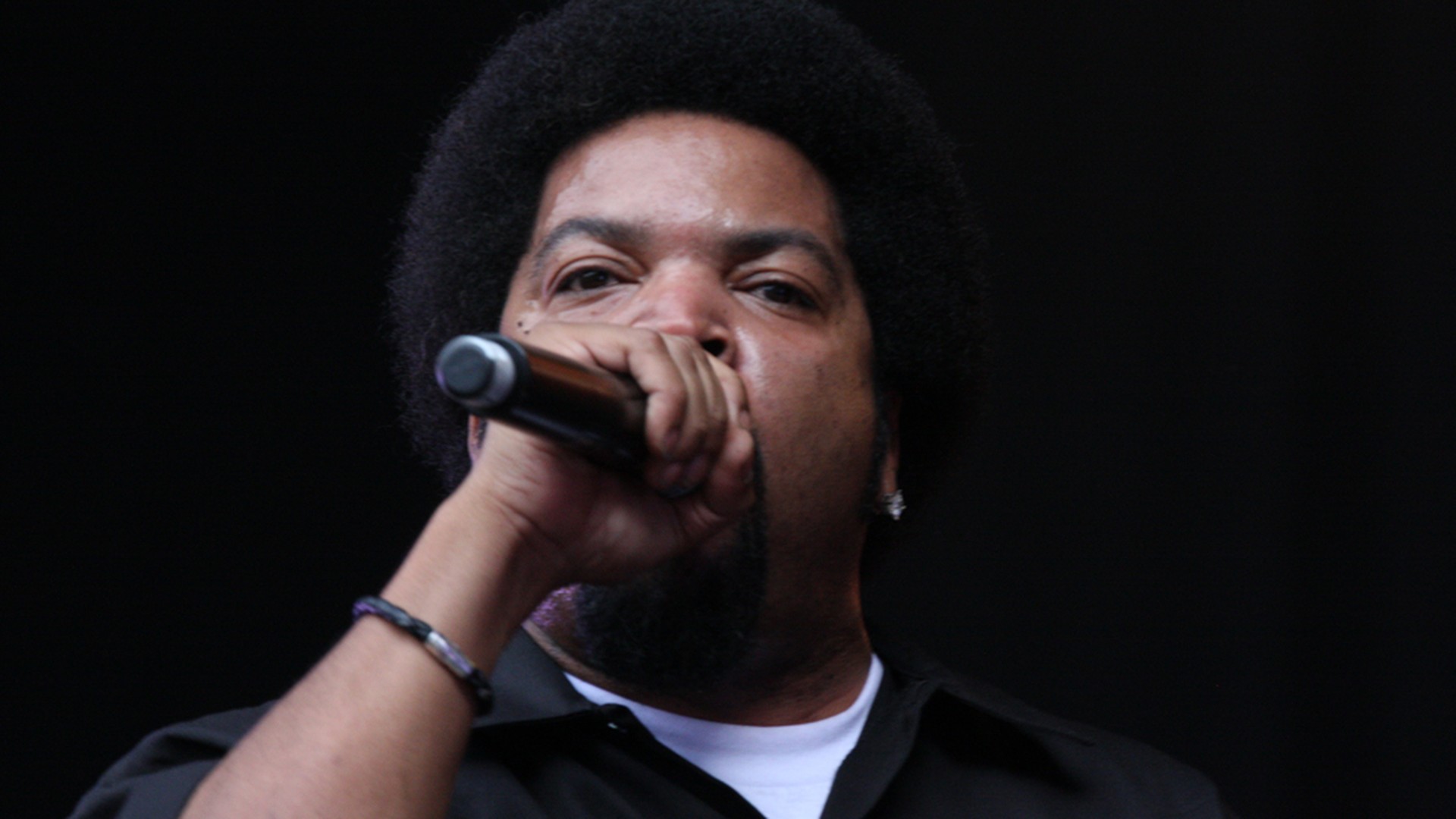
Ice Cube in a close stage view. (Photo: Eva Rinaldi, CC BY SA 2.0, via Wikimedia Commons)
The Sound of Death Certificate Built a Coast
Sir Jinx produced the album alongside the Boogiemen, a team of DJ Pooh, Bobcat, and Rashad Coes.
They moved away from the dense sample storms of the debut album.
In their place came deep funk grooves built from Parliament, Funkadelic, Zapp, and Ohio Players records.
That pivot helped lay the blueprint for the G funk sound that soon ruled the West Coast.
Steady Mobbin served as the lead single and became an enduring West Coast anthem.
News clips, street talk, and radio voices weave through the songs like a documentary.
That same summer, Cube reached movie screens as Doughboy in Boyz N The Hood.
Music and film together made him a defining voice of young Black Los Angeles.
Faith, Fury, and the Tracks That Still Spark Debate
The teachings of the Nation of Islam run through the second half of the album.
Dr. Khallid Abdul Muhammad speaks on the interludes Death and The Birth.
His voice bridges the two sides and frames the turn toward discipline and self reliance.
Cube told interviewers in November 1991 that he respected the Nation and its programs.
He also made clear that he had not officially joined the organization.
Color Blind gathers WC, Kam, Threat, King T, J Dee, and Coolio for a plea against gang violence.
True to the Game calls out artists and professionals who leave their people behind once money arrives.
Black Korea answered the killing of Latasha Harlins, a Black teenager shot by a store owner that year.
Critics condemned the track for broad attacks on Korean store owners and for threatening language.
That criticism has never left the album, and honest history should not erase it.
No Vaseline closes the album with a blistering attack on N.W.A and manager Jerry Heller.
Fans still rank it among the greatest diss records ever recorded.
Critics also condemned language in the track that was antisemitic and homophobic.
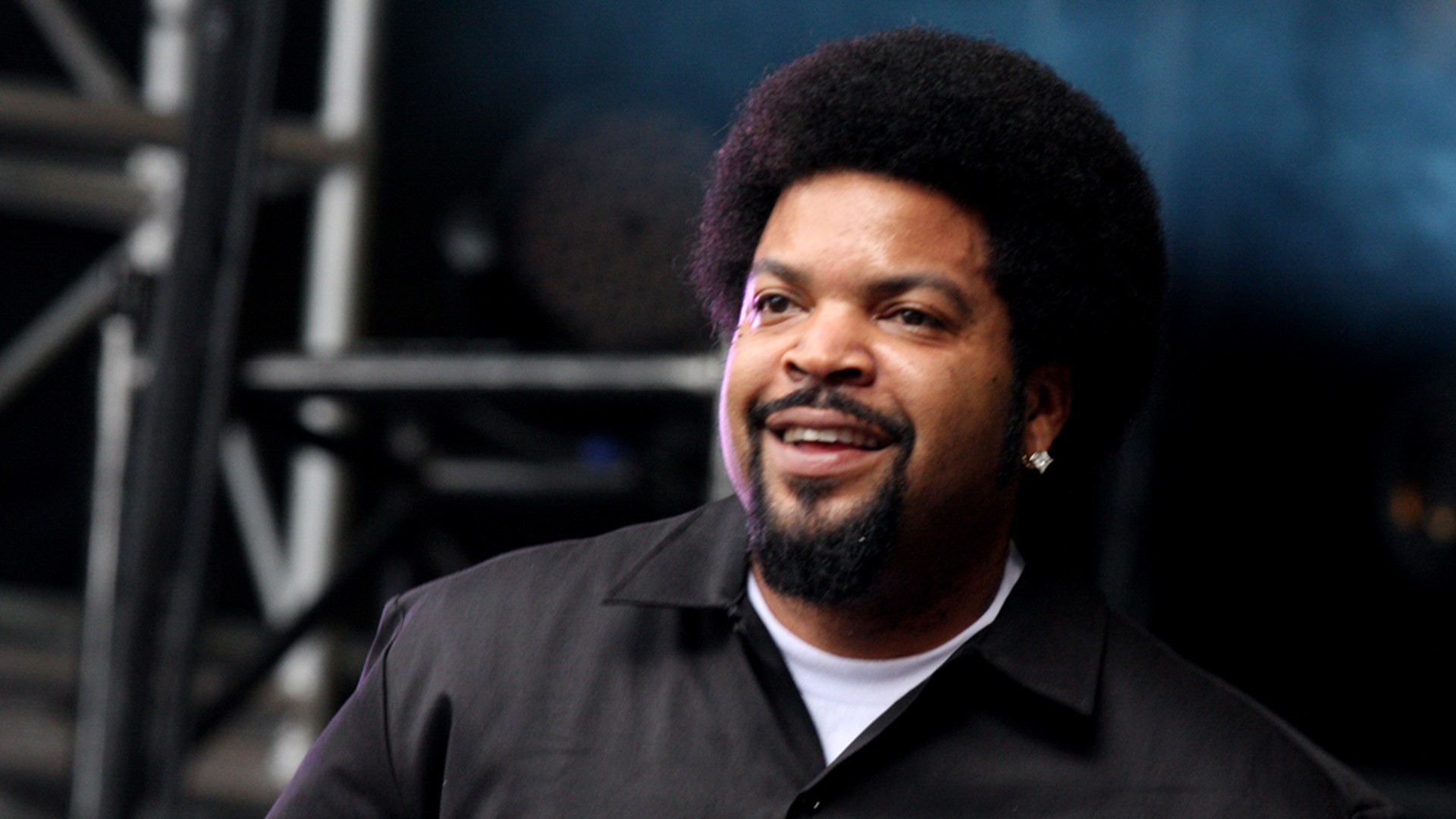
Ice Cube smiles on stage. (Photo: Eva Rinaldi, CC BY SA 2.0, via Wikimedia Commons)
The Numbers Behind the Noise
Death Certificate entered the Billboard 200 at number two, held from the top only by Garth Brooks.
It reached number one on the Billboard chart for R and B and hip hop albums.
The album sold more than one million copies in seven weeks.
It earned platinum certification in December 1991 and later reached double platinum.
Some radio outlets resisted the record, and some stores pulled displays over its cover art.
The cover showed Uncle Sam on a morgue table, an image that stated the thesis plainly.
Controversy did not slow the album, because the audience already knew the world it described.
Why Death Certificate Still Matters at 35
The album arrived months after the videotaped beating of Rodney King by Los Angeles police officers.
Less than six months later, acquittals in that case set off the 1992 Los Angeles uprising.
Songs that had sounded like warnings suddenly sounded like dispatches from a city in flames.
Cube rapped about police pressure, broken hospitals, thin paychecks, and wounded pride.
Too many of those subjects still fill our news cycles today.
That is why this anniversary belongs in our entertainment coverage and in our history at once.
Cube went on to build a film career and to found the Big3 basketball league in 2017.
Yet Death Certificate remains the boldest blueprint of his artistic life.
It proved that a rap album could argue, accuse, mourn, and organize in a single breath.
Legacy and ownership still drive Black music today, from the Jay Z Super Bowl halftime story to the Mary J. Blige catalog deal.
Thirty five years on, Death Certificate still speaks loud because the conversation never ended.