6 min read
HBCU students march to vote in Greensboro this fall, even after officials took away the polling places on their own campuses.
More than 100 students left class on October 15 and walked together to cast early ballots. The first day of early voting became a march.
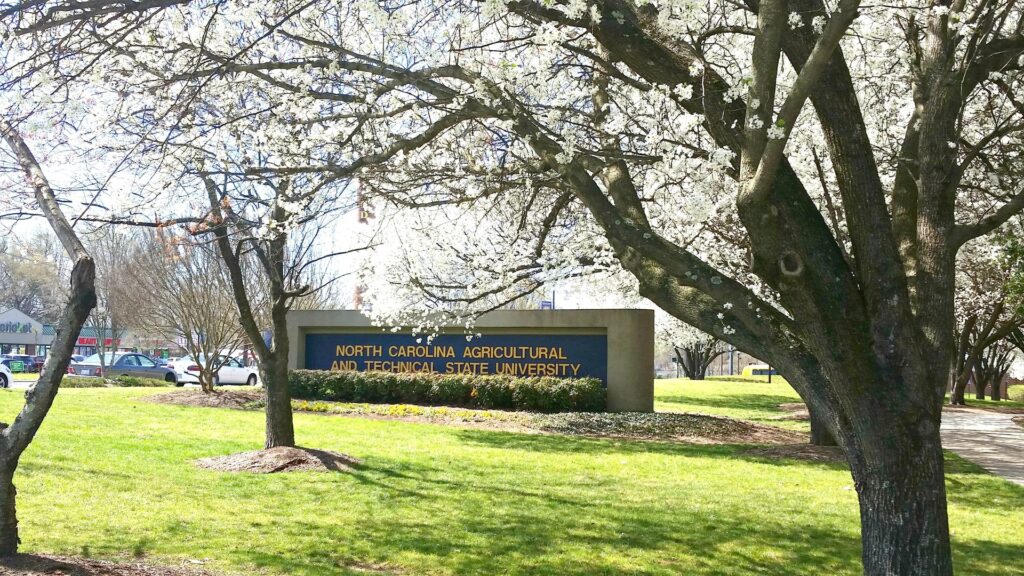
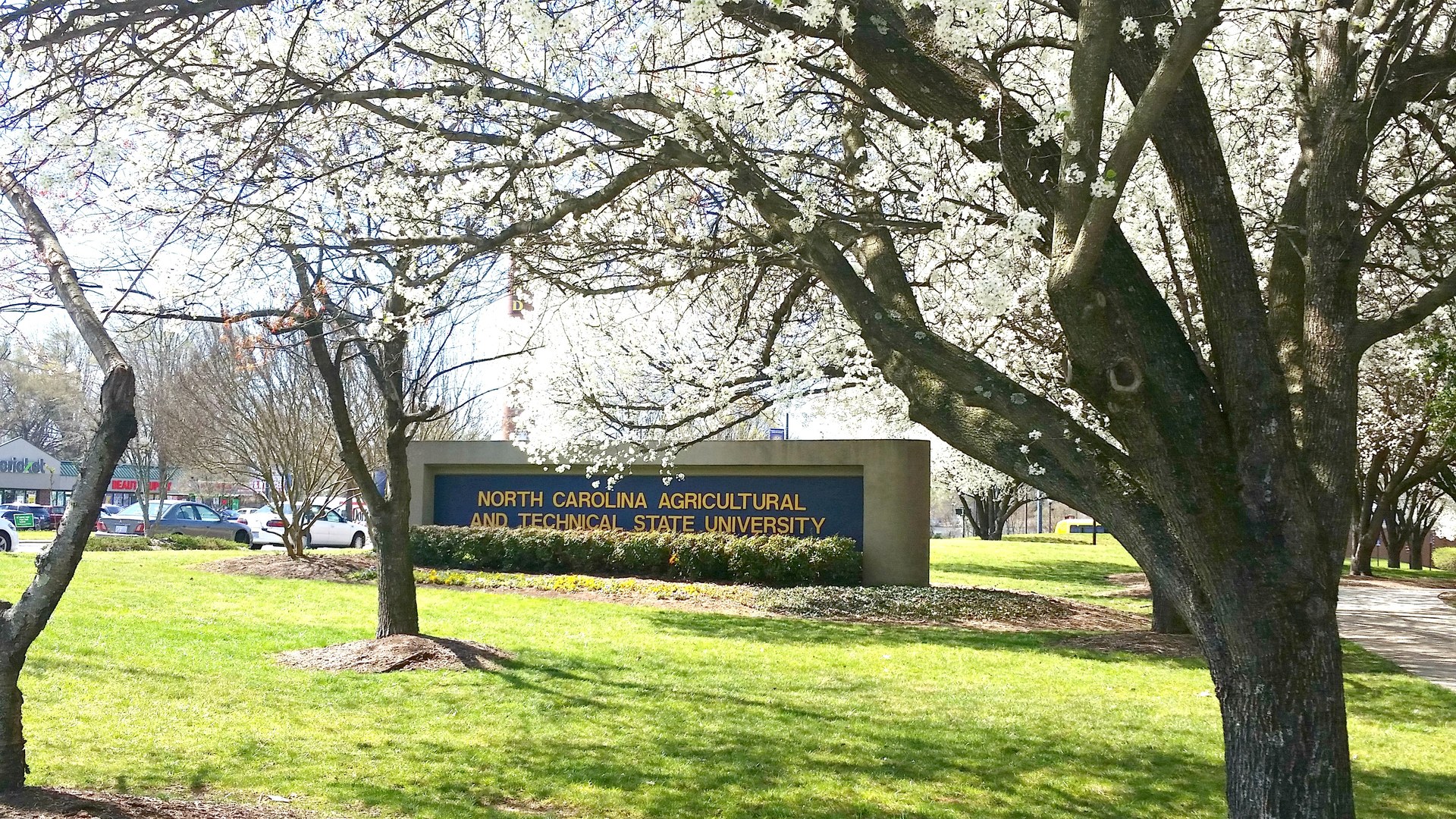
Students at North Carolina Agricultural and Technical State University walked about 45 minutes to the nearest site. The route took them to Union Square Campus in downtown Greensboro.
Along the way they passed missing sidewalks and blocked walkways. Many classmates own no car and have no simple ride across town.
Their walk turned a routine trip into a public stand. With Election Day on November 3 now five days away, that stand is still growing.
Major Takeaways
More than 100 students from three Greensboro campuses marched on the first day of early voting, October 15.
A second march on October 22 drew hundreds of students and national voting advocates to Greensboro.
Campus early voting sites used in 2024 drew 6,487 voters at North Carolina A&T and 6,800 at UNC Greensboro.
Early voting in North Carolina ends Saturday, October 31 at 3 p.m. Election Day follows on Tuesday, November 3.
Students answered the longer trip with shuttle rides, cookouts, voter education and a homecoming week push called Votecoming.
HBCU Students March to Vote in Greensboro
North Carolina A&T is the largest historically Black university in the nation. Its students voted early on campus during the 2024 presidential election.
Bennett College students marched beside them this fall. Bennett is a historically Black college for women in the same city.
Students from the University of North Carolina at Greensboro joined as well. All three campuses sit a short drive from one another.
Election officials cited low turnout at campus sites in past cycles. The numbers from 2024 tell a different story on the ground.
The A&T site recorded 6,487 early voters in 2024. The UNC Greensboro site recorded 6,800 early voters that same year.
Officials also raised parking and site suitability questions. Students say a plan built around drivers does little for classmates who walk everywhere.
On July 21, the Guilford County Board of Elections approved a plan with 17 early voting sites. The plan left both Greensboro campuses out.
It kept 13 of the 15 sites used in the 2022 midterms. It added Union Square Campus and Stokesdale Town Hall instead.
One board member described Union Square as a compromise tied to campus programs downtown. She said the votes to restore a campus site simply were not there.
The Court Fight Came First
Students took this fight to federal court in January. College Democrats and students from the campuses sued state and local election officials.
The suit said the closures burden young voters and Black voters most. It cited the First Amendment, the Fourteenth Amendment and the Twenty Sixth Amendment.
At Western Carolina University, the filing described a walk of nearly two miles for students without cars. Parts of that route run beside a four lane highway.
That stretch has no sidewalks and no guardrails, the filing said. More than 60 percent of Western Carolina students have no car.
Its old campus site served more Black voters than any other site in its county in 2024. Students said officials brushed aside warnings about that record.
A federal judge denied a preliminary injunction on February 8. The students withdrew the suit a week later and kept organizing on campus.
The fight sits inside a larger shift in election power across the state. A 2024 law moved board appointments from the governor to the state auditor.
Board majorities changed across North Carolina after that shift. Campus sites then fell off early voting plans in county after county.

Organizing Took the Place of Convenience
The October 22 march showed how far the organizing has come. Hundreds of students walked the route again, this time with national backup.
Actress Marsai Martin joined the crowd as a leader with When We All Vote. Trinity Tatum, a winner of Love Island USA, marched as an ambassador for the group.
Former first lady Michelle Obama founded When We All Vote. The nonpartisan group works to raise turnout among young voters and voters of color.
Senior Shia Rozier helped build the local answer over years of board meetings in Raleigh. She helped found Protect Ours, a student group that runs shuttle rides to the polls.
Junior Alexis Cox, an honors student in political science, says the closures changed the campus mood. Classmates grew more active, more visible and more determined to help one another vote.
During homecoming week, students folded voting into the celebration itself. Votecoming and Party at the Polls events mixed voter education with the joy of Aggie homecoming.
National organizers say Party at the Polls events have lifted turnout by two to four points in past cycles. Greensboro students added cookouts to keep the work social and visible.
Why This Fight Reaches Far Beyond Greensboro
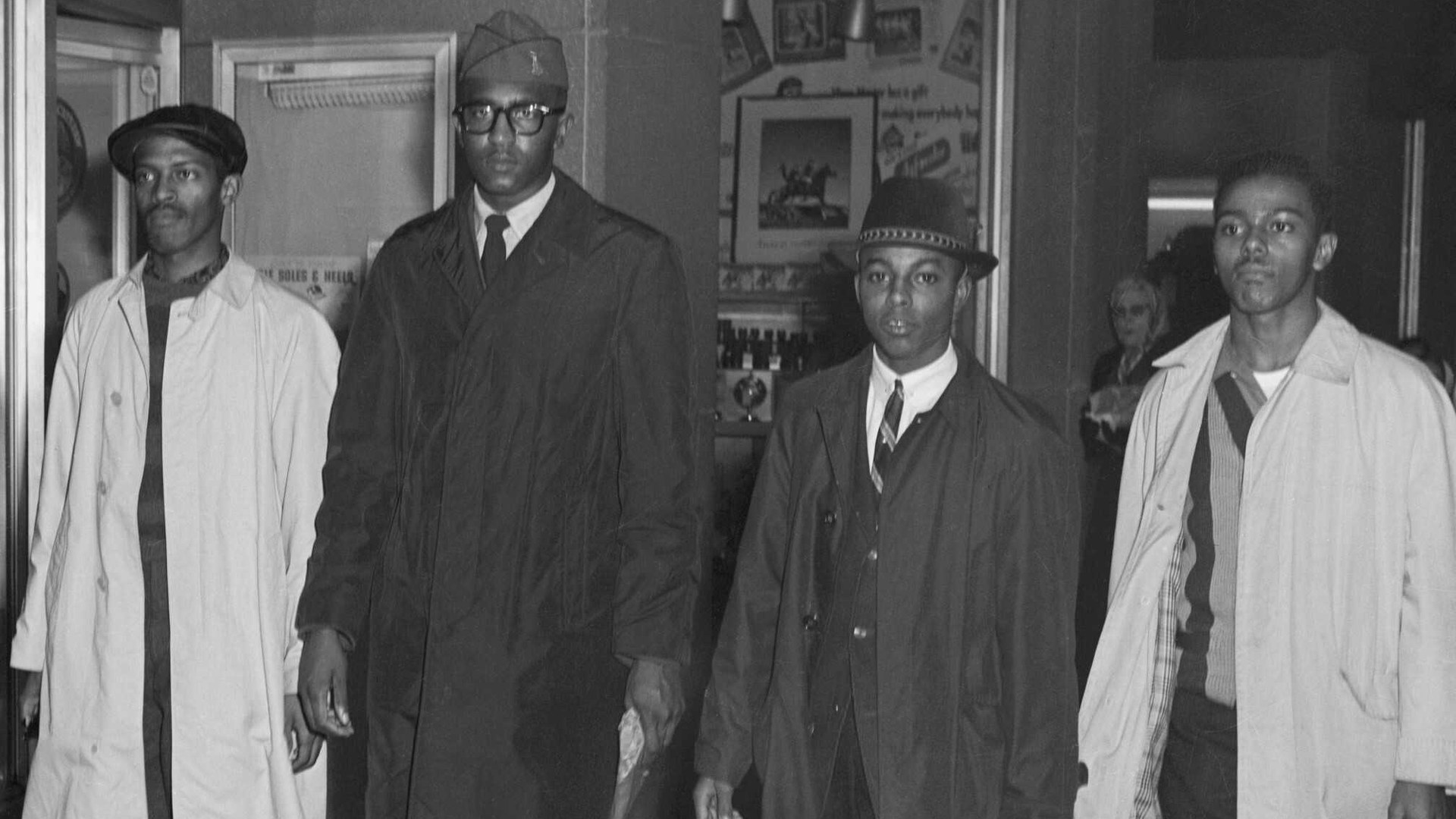
Greensboro carries special weight in this story. In 1960, four A&T freshmen sat at a segregated lunch counter downtown and helped spark a national movement.
Bennett students soon joined that campaign on the streets of their own city. Their courage helped force change at stores across the South.
Today the barrier looks different, but the pattern feels familiar to many Black families. Access shrinks in small administrative steps, and Black students carry the extra miles.
North Carolina voters have already cast more than 1.77 million ballots in this election. That total runs more than a third above the 2022 pace at the same point.
The same closing stretch is playing out across the South this week. Black voters surged early in Louisiana and set a midterm record there.
The South Carolina Senate race sits tied with days to go, powered in part by Black voters backing Annie Andrews at 93 percent.
At the same time, federal citizenship screening has put thousands of ballots at risk in states across the country.
In each place, the core question sounds the same. Will Black voters get a fair and simple path to a counted ballot this fall?
What Happens in the Final Days
Early voting in North Carolina ends Saturday, October 31 at 3 p.m. Students plan rides and outreach through the final hours of the season.
On Election Day, Frye Hall on the A&T campus will host voters from one campus precinct. That single day site does not restore early voting on campus.
Organizers say the campaign continues past November. They want campus early voting restored for future elections and treated as a right, not a favor.
For now, the lesson from Greensboro is plain and hard to miss. You can move the polls away from Black students, but you cannot move their determination.
They marched 45 minutes to vote this fall. Everything about their response says they will march again if they must.