7 min read
Major Takeaways
- Students lost their campus polling sites in Greensboro and answered by marching 45 minutes to vote.
- The Greensboro campus sites served about 12,000 voters in the 2024 election before officials removed them.
- A second march on October 22 drew hundreds of students and national voting organizers to campus.
- A student lawsuit says the closures burden young voters and Black voters across North Carolina.
- Early voting runs through October 31, and students are running shuttles, rides and cookouts to hold turnout.
When early voting opened on October 15, the campus polling sites were gone.
So the students of Greensboro walked.
Groups of mostly Black students set out on foot from three campuses that morning.
They came from North Carolina Agricultural and Technical State University.
They came from Bennett College, the historic Black college for women.
They came from the University of North Carolina at Greensboro as well.
Their destination was Union Square in downtown Greensboro.
It was the nearest polling place left open to them.
The walk took about 45 minutes in each direction.
Temperatures climbed to about 85 degrees during the march.
Some stretches of road had no sidewalks at all.
When the students arrived, many waited in line for nearly an hour more.
They voted anyway, and then they walked back to campus.
Campus Polling Sites Vanished Before the Vote
The campus polling sites did not disappear by accident.
The Guilford County Board of Elections voted 4 to 1 to remove them.
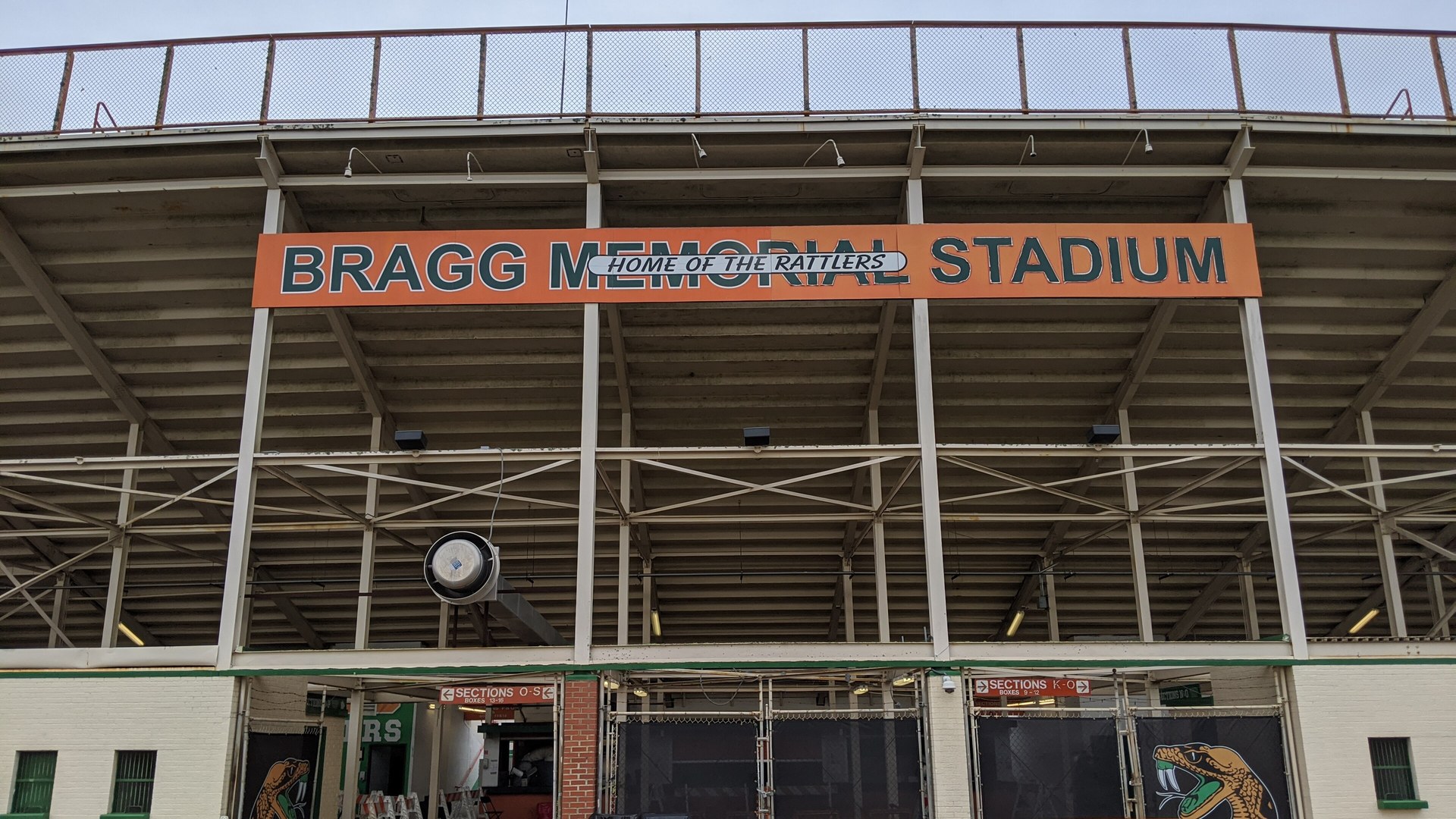
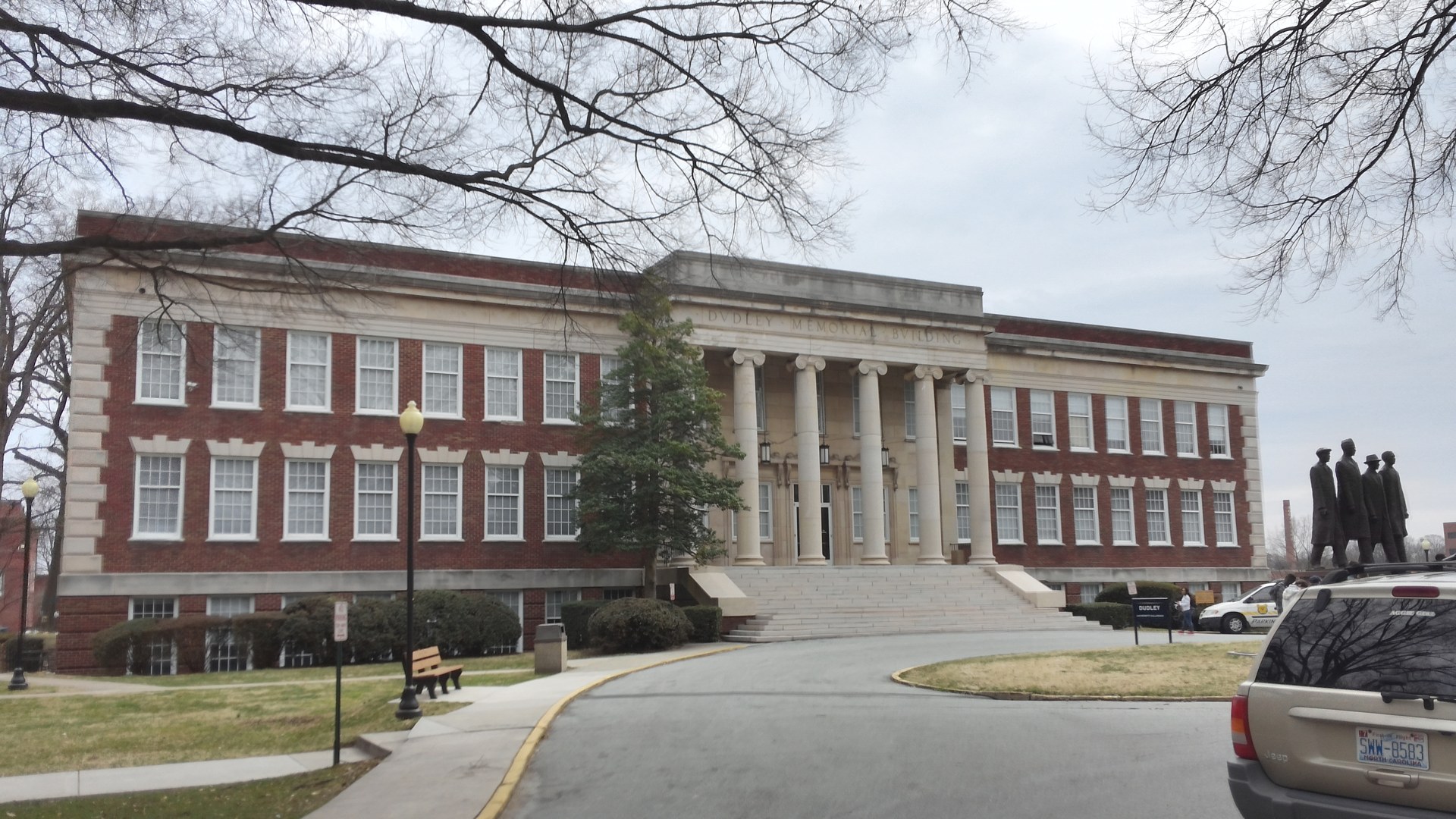
The sites sat on the campuses of A and T and UNC Greensboro.
The state Board of Elections, now led by Republicans, approved the plan.
Students attended meeting after meeting to defend the sites.
They pointed out that the two campus sites served about 12,000 voters in 2024.
Other counts put the combined 2024 total above 13,000 early voters.
The state board had already denied A and T a site in January.
That vote split 3 to 2 along party lines.
The board denied the campus site a second time in August.
Democratic board member Jeff Carmon pressed the majority at that hearing.
“Can we identify a single voter who is better served by having fewer opportunities to cast a ballot?” Carmon asked.
No answer changed the outcome for Greensboro students.
A and T is the largest historically Black university in the nation.
It enrolls more than 15,000 students in Greensboro.
Many of those students have no car at school.
First year students at A and T are not allowed to keep cars on campus.
For them, a polling place across town is not a minor inconvenience.
It is a cost, a schedule problem and a safety question.
The March Became a Movement on Campus
The first day march was a statement as much as a trip to vote.
Students later repeated the effort and turned it into a campaign.
A second march on October 22 drew hundreds of students.
National organizers from When We All Vote joined that crowd.
The nonpartisan group was founded by Michelle Obama to raise turnout.
It works especially with young voters and voters of color.
Actress Marsai Martin, a cochair of the group, marched with students.
Trinity Tatum, an ambassador for the group, joined her there.
Martin told the crowd their unity showed students would not back down.
During homecoming week, A and T added a Votecoming celebration.
The Party at the Polls event tied voting to the joy of homecoming.
Organizers say events like it have lifted turnout in past cycles.
Senior Shia Rozier has carried this fight for years.
Rozier cofounded Protect Ours, a student group that arranges shuttle rides.
She has traveled to Raleigh for state board meetings since her freshman year.
At the August hearing she held a sign showing the distance to vote.
The sign measured the walk from her campus to the nearest site.
It stretched more than a mile from the largest Black campus in America.
Junior Alexis Cox said the closures pushed students to organize harder.
Students now offer rides, run shuttles and host cookouts around voting.
The goal is to make voting visible, social and worth defending.
A Lawsuit Says the Burden Falls on Black Voters
The fight over campus polling sites now sits in court as well.
College Democrats of North Carolina filed a lawsuit in January.
Students from A and T, UNC Greensboro and Western Carolina joined it.
The filing says the closures burden young voters and Black voters.
It says officials ignored warnings about the effect of the removals.
At Western Carolina, the numbers in the filing are stark.
More than 60 percent of the student body there has no car.
Students without cars faced a walk of nearly two miles to vote.
Parts of that route run beside a four lane highway.
Those stretches have no sidewalks and no guardrails.
The former Western Carolina site served more Black voters in 2024.
It served more than any other early voting location in its county.
Jackson County later moved that site into a campus health building.
Campus sites were also removed at Elon University this cycle.
The pattern reaches far beyond one county or one campus.
Read how a federal panel is weighing the last Black district in Louisiana in our Louisiana district report.
Greensboro Students Have Done This Before
Greensboro knows what it looks like when students refuse to move.
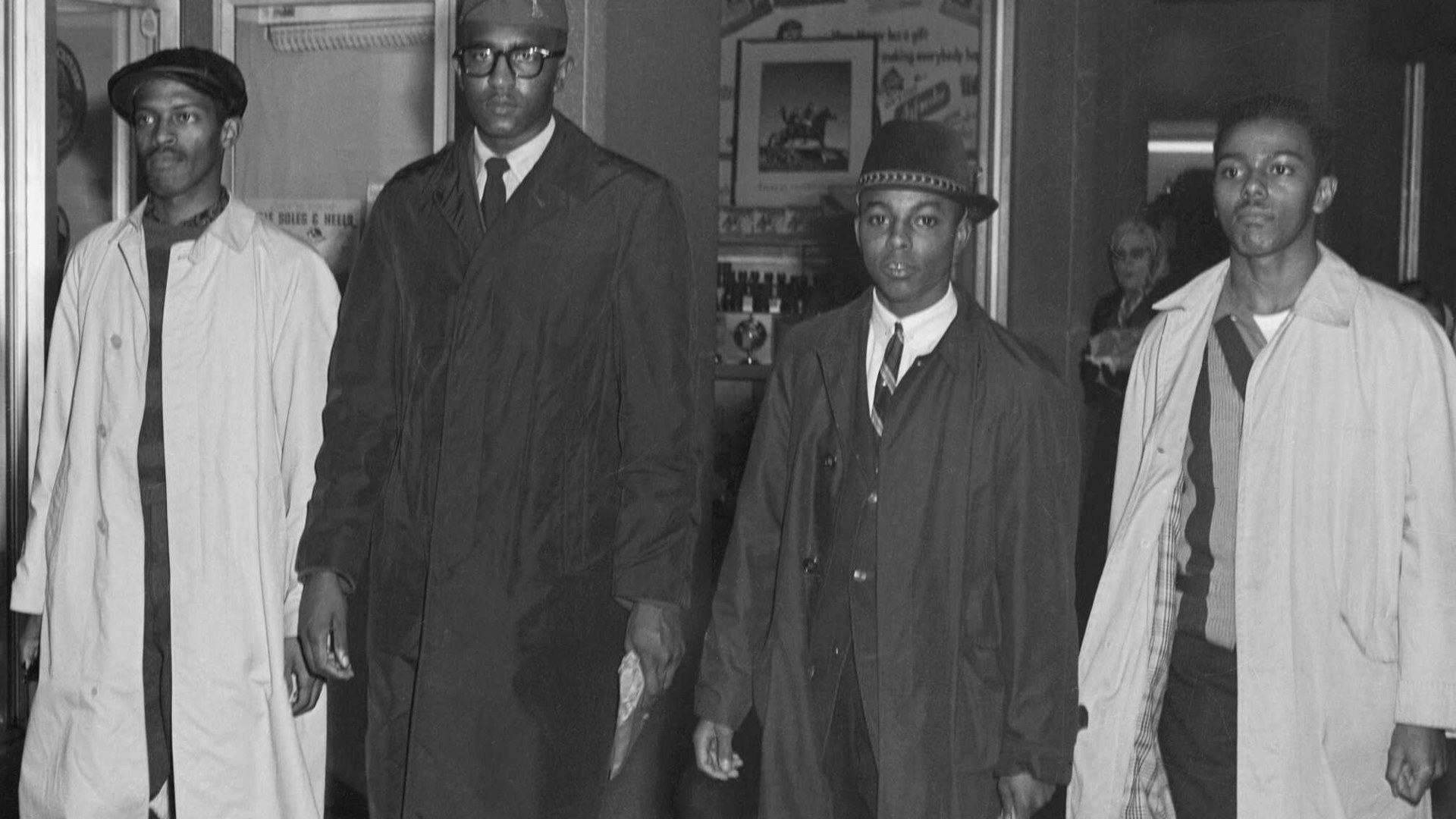
On February 1, 1960, four A and T freshmen sat down downtown.
Ezell Blair Jr., Joseph McNeil, Franklin McCain and David Richmond took seats.
They sat at the Woolworth lunch counter that served only white customers.
Bennett College students soon joined the protests beside them.
Within weeks, the sit in movement had spread across the South.
Blair is known today as Jibreel Khazan.
The four men are remembered everywhere as the Greensboro Four.
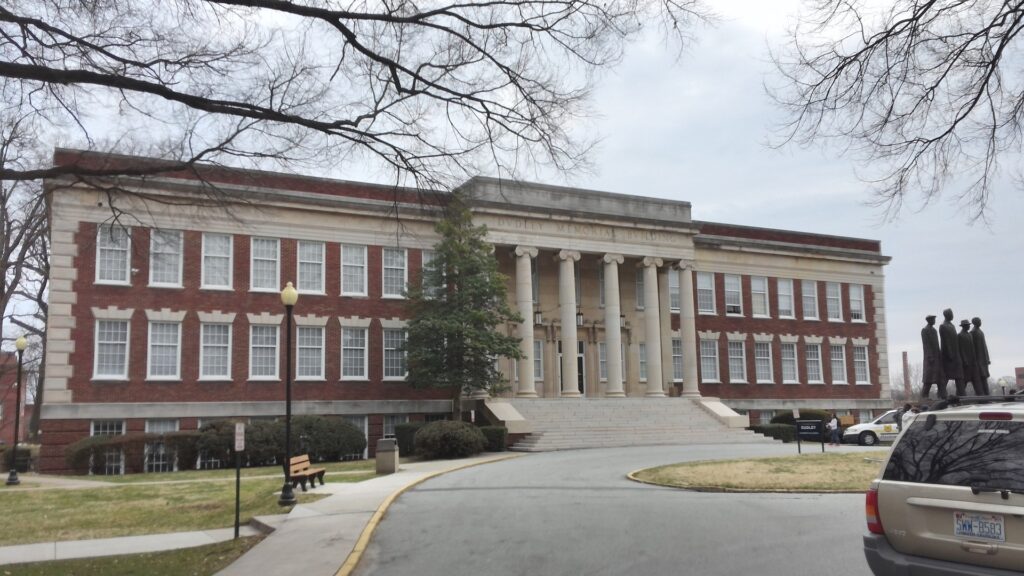
A monument called February One now stands before the Dudley Building.
It shows the four students walking out of Woolworth together.
State Senator Natalie Murdock marched with the students this month.
“You deserve to be heard,” Murdock told the crowd.
“If you did not have any power, they would not have taken your polling place,” she said.
Freshman Gianna Giles explained why she joined the march.
“Not doing something is making an impact you do not want,” Giles said.
“This generation cares,” she added.
State House Minority Leader Robert Reives gave students their marching orders.
“You turned out when they took your voting site away,” Reives said.
He told them to do their duty and bring every friend along.
What Happens in the Final Days of Early Voting
Early voting in North Carolina runs through October 31.
Election Day follows on November 3.
The ballot carries a closely watched United States Senate race.
Former governor Roy Cooper faces Republican Michael Whatley in that contest.
A state Supreme Court seat is also on the line.
Those races will shape voting rights fights for years to come.
Black turnout across the South is already running strong this cycle.
See the regional picture in our early voting surge report.
In Greensboro, the lesson of October is already written.
Taking away a campus polling place did not silence these students.
It gave them a route, a reason and a crowd.
They marched 45 minutes each way and waited to be counted.
Now they are working to bring every classmate with them.
The distance was supposed to be the obstacle.
Instead, the distance became the message.
Follow every development in our News section through Election Day.