4 min read
Major Takeaways
- Two commercial vessels sank near the Strait of Hormuz in the past 24 hours after projectile strikes, the second and third ship losses since the war between the United States and Iran began.
- All 21 crew members of the container ship GFS Pride were evacuated unharmed, but one crew member was killed aboard the bulk carrier Cape Dao.
- Iran says it is stepping up attacks in response to the American naval blockade of its ports and tougher sanctions.
- The escalation could drive up gas prices and shipping costs, a pocketbook hit that lands hardest on Black families.
Two Ships Down in 24 Hours
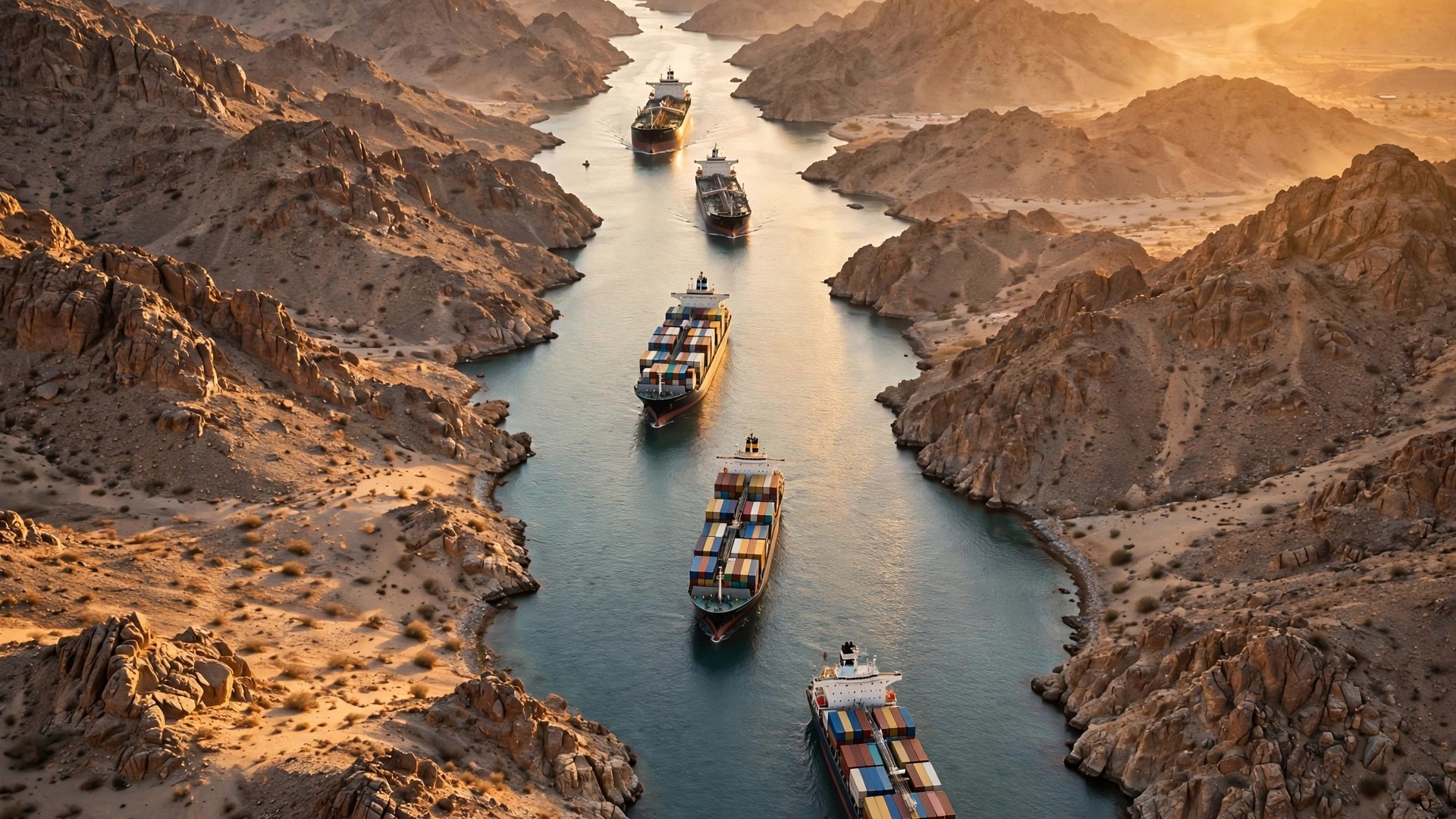
Iran has sunk two cargo ships in the Strait of Hormuz within the past 24 hours. The attacks mark an escalation with little precedent in a war that has been simmering since late February.
According to reports from Reuters and The Wall Street Journal, the two vessels went down after being struck by projectiles in separate incidents near one of the most critical waterways on earth.
These are the second and third vessels lost since the war between the United States and Iran began on February 28, according to data from the International Maritime Organization. Attacks have rarely resulted in sinkings until now.
What Happened to Each Vessel
The GFS Pride, a Singapore flagged container ship, was hit Tuesday by an unknown projectile about one nautical mile east of Ras Makhbuq, Oman. The strike sparked a fire on board.
All 21 crew members were safely evacuated before the vessel sank the next day, according to the Maritime and Port Authority of Singapore. No injuries were reported.
The second vessel, the Cape Dao, was a bulk carrier flying the flag of Antigua and Barbuda. It was originally struck on September 23 by two unidentified projectiles about 15 nautical miles northeast of Khasab, Oman.
One Indian crew member was killed in that attack, and the rest of the crew was evacuated immediately after the strike. The ship was carrying about 170,000 tons of coal from the United Arab Emirates to India. It sank weeks later.
The first vessel lost in the war was the Malta flagged container ship Safeen Prestige in early March. Four seafarers died and three were severely injured in that incident.
Why This Is Happening Now
Attacks around the Strait of Hormuz have surged over the past 10 days. Iran says it is stepping up strikes in response to the United States blockade of its ports and tougher sanctions imposed last month.
The American military has been escorting more Gulf oil through the strait while working to bottle up Iranian oil exports with a naval blockade. Iran has responded by ramping up attacks to disrupt that operation.
Singapore’s Maritime and Port Authority condemned the latest strikes. It called the attacks on commercial shipping unprovoked and unjustifiable and a breach of international law.
The Wall Street Journal reports that Iran has repeatedly increased attacks over the course of the war. But until this week, it was rare for its strikes to actually sink a ship.
What This Means for Your Wallet
The Strait of Hormuz is the narrow channel through which a huge share of the world’s oil passes. When ships start sinking there, insurance costs spike and energy prices follow.
Black families already feel every bump in gas prices and shipping costs. Groceries, commuting, and everyday goods all get more expensive when fuel and freight costs rise.
That pressure comes on top of inflation that is already squeezing paychecks. Rising energy costs act like a tax on households with the least room to absorb them.
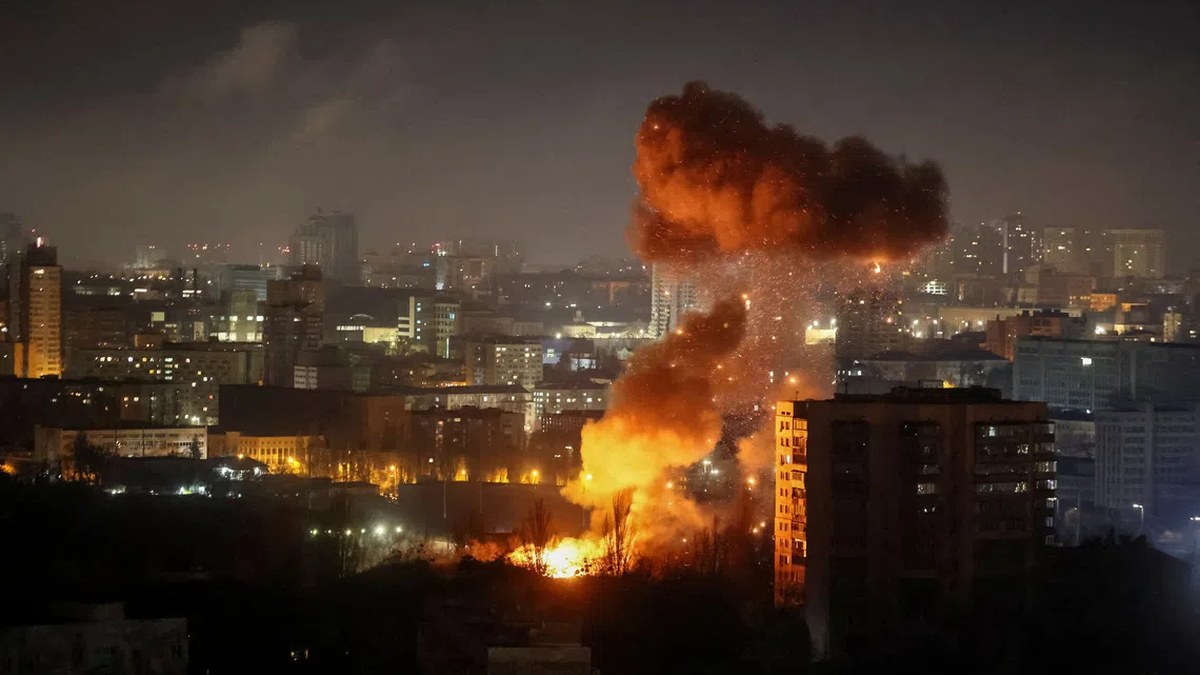
Today’s escalation is the same pocketbook beat as the strikes on Ukraine’s power grid. Wars overseas keep showing up at our pumps and our grocery stores.
What Comes Next
The White House has not announced a response to the sinkings. But sinking commercial vessels is the kind of escalation that draws military answers.
Maritime security firms say Iran is operating at attack levels not seen since the war started. More strikes could mean more sinkings.
The United States will have to decide how to protect shipping in the strait. That decision could range from heavier escorts to direct strikes on Iranian assets.
For now, the world watches the water. And families watching their budgets should brace for what comes through the pump.
Sources and Further Reading
Reporting from Reuters and The Wall Street Journal, with maritime data from the International Maritime Organization and statements from the Maritime and Port Authority of Singapore. For related coverage, read how strikes on Ukraine’s power grid are hitting energy prices and what September’s inflation numbers mean for your paycheck.