

Major Takeaways
- Da’Brya Clark leaves Norfolk State after becoming one of the MEAC’s top two-way guards and an HBCU All-American.
- Tomekia Reed continues building Charlotte through experienced, culture-driven players with championship backgrounds.
- Clark’s transfer highlights the growing national respect for talent developed at HBCU basketball programs.
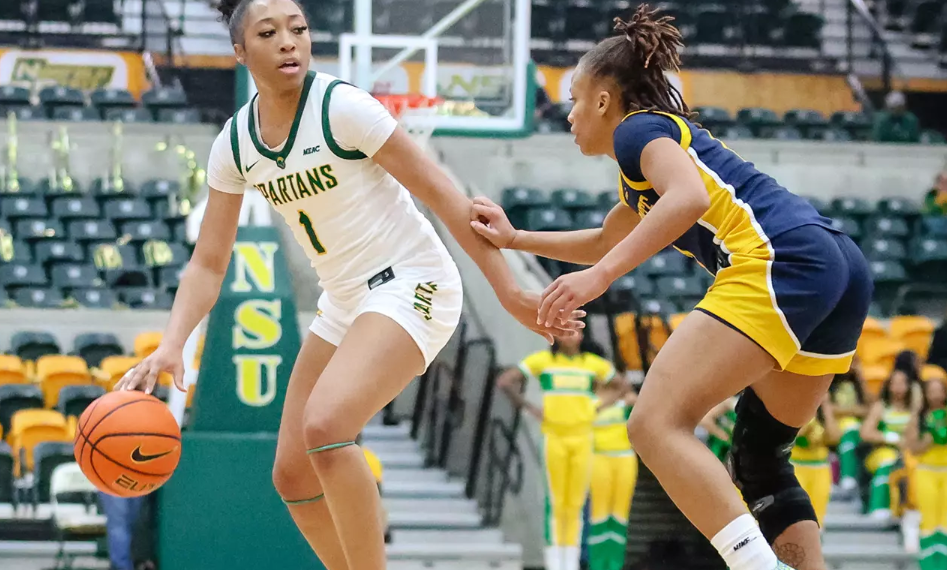
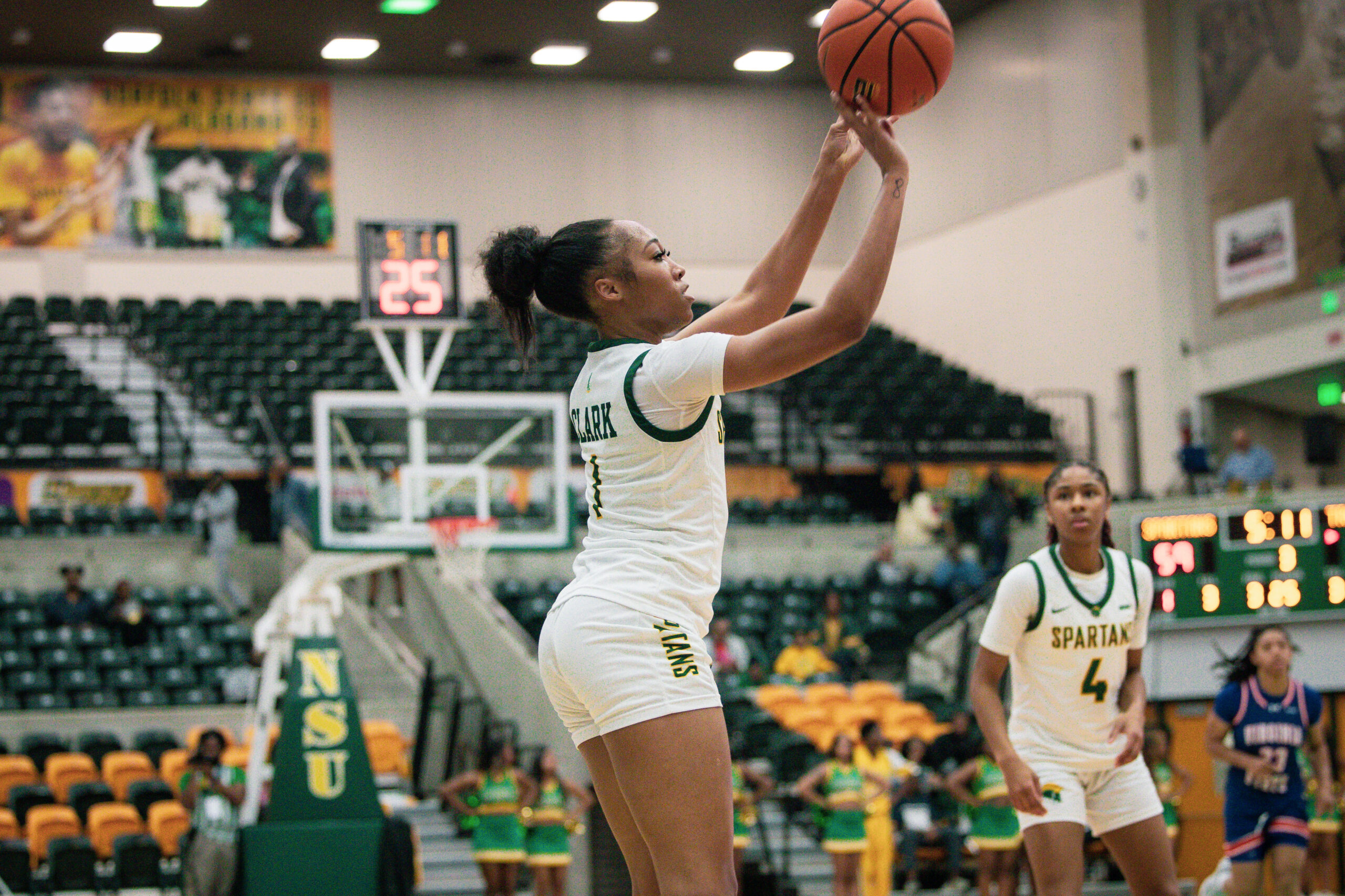
Former Norfolk State star Da’Brya Clark brings championship experience, elite defense, and HBCU pride to Charlotte under respected coach Tomekia Reed.
Urban City Sports Desk• 5 min readOne of the biggest offseason moves in women’s HBCU basketball now has a new chapter, and it connects two of the most respected names in Black college hoops. Former Norfolk State Spartans standout Da’Brya Clark is officially heading to Charlotte 49ers women’s basketball to play under Tomekia Reed, giving the 49ers another proven winner with deep HBCU roots.
Clark arrives in Charlotte after building one of the most decorated careers in recent Mid-Eastern Athletic Conference history at Norfolk State. During her time with the Spartans, the Baltimore native became known as one of the MEAC’s toughest two-way guards, combining elite perimeter defense with explosive scoring ability.
The move is significant for several reasons. First, it represents another major HBCU talent making the jump into a larger Division I conference while still staying connected to the culture and coaching pipeline that helped shape her career. Second, it continues Reed’s strategy of building Charlotte’s roster around players who understand winning basketball instead of simply chasing recruiting rankings and social media hype. Old-school basketball people call that building a program, not just collecting names. Funny how that still works in 2026.
Clark’s resume speaks loudly enough on its own. She earned first-team All-MEAC honors during the 2025-26 season while also being selected to the MEAC All-Defensive Team. She was also recognized as a BOXTOROW HBCU All-American after averaging 13.9 points, 5.0 rebounds, 2.4 steals, and 2.2 assists per game for Norfolk State.
Her offensive growth became one of the biggest stories of the Spartans’ season. Clark knocked down a school-record 76 three-pointers and attempted a program-record 243 shots from beyond the arc. She scored in double figures 22 times, recorded four 20-point games, and delivered three performances of 30 points or more. Her career-high 34-point performance against Dillard showcased just how dangerous she had become offensively.
Still, coaches around the MEAC often praised Clark more for what she did defensively than offensively. She developed a reputation as a relentless perimeter defender capable of disrupting passing lanes, forcing turnovers, and changing the pace of games with her energy alone. That toughness helped Norfolk State maintain its position as one of the top programs in HBCU women’s basketball.
During Clark’s run with the Spartans, Norfolk State captured multiple MEAC Tournament championships and made repeated NCAA Tournament appearances. The program became nationally recognized for its discipline, physical defense, and winning culture, and Clark was right in the middle of that identity.
Now she joins a Charlotte program led by one of the most accomplished coaches to come out of the HBCU ranks in recent years. Reed built a powerhouse at Jackson State Tigers women’s basketball before accepting the Charlotte job in 2024. During her tenure at Jackson State, Reed transformed the Tigers into a national HBCU powerhouse, winning multiple SWAC championships and earning widespread recognition as one of the top coaches in women’s college basketball.
Reed’s reputation as a culture-builder appears to be paying immediate dividends in recruiting. By bringing in Clark, she adds a player who already understands high-pressure games, championship expectations, and the defensive mindset Reed has preached throughout her coaching career.
For Charlotte, the addition signals that the 49ers are serious about competing in the American Athletic Conference with experienced talent instead of relying entirely on freshmen. In today’s transfer portal era, coaches are searching for proven production and maturity, and Clark checks both boxes.
For HBCU basketball supporters, Clark’s move is also another reminder that elite talent exists throughout Black college athletics. Players developed at HBCUs are increasingly earning opportunities at larger programs because of their experience, toughness, and readiness to contribute immediately. The days of overlooking HBCU athletes are slowly disappearing, even if some people in mainstream college sports still act surprised every time one of these players succeeds. At this point, the scouting report should already be written in permanent marker.
Clark announced her decision publicly, expressing excitement about the next stage of her basketball journey and the opportunity to compete under Reed’s leadership.
As Reed continues reshaping Charlotte’s program, adding a player with Clark’s championship experience could become one of the more important transfer portal additions in women’s basketball this offseason. Her scoring ability, defensive intensity, and postseason experience give the 49ers a player capable of making an immediate impact.
More importantly, the partnership between Da’Brya Clark and Tomekia Reed represents something larger than basketball statistics. It reflects the continued rise of HBCU talent and leadership across college athletics a pipeline that keeps producing winners no matter how often the broader sports world overlooks it.