Mississippi: 3 Warning Signs the SHIELD Act Could Reshape Voting Rights in Mississippi

Urban City Podcast Group
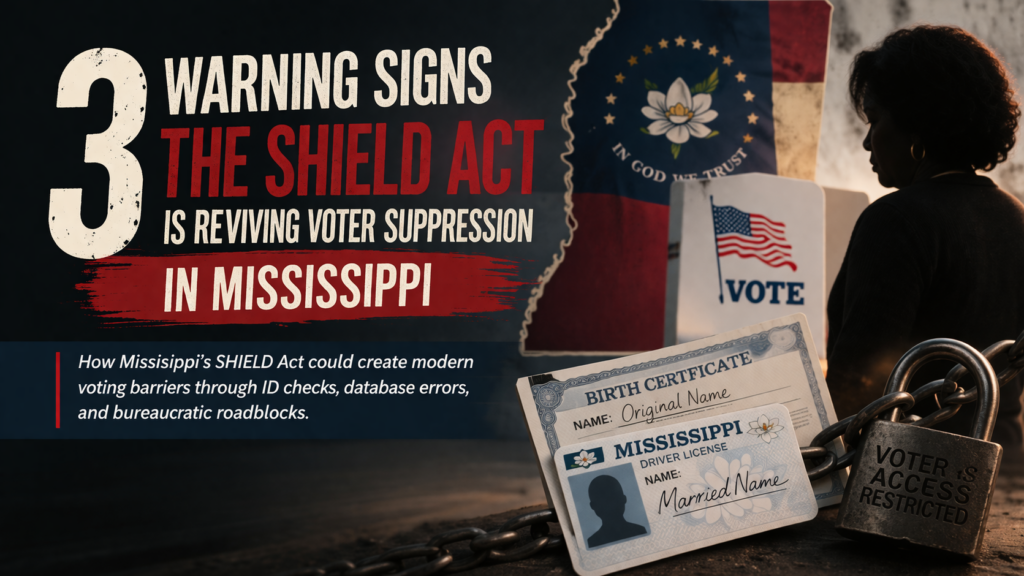
Editorial graphic about Mississippi’s SHIELD Act and concerns over voter suppression, ballot access, and election barriers affecting women, elderly voters, and Black communities.
Mississippi’s SHIELD Act is raising concerns about modern voter suppression, with critics warning that stricter identity checks, database errors, and document mismatches could create new barriers for lawful voters across vulnerable communities.
Urban City Podcast Group
United States Real Estate Investor® Property Profit Powerhouse
Urban City Podcast Group

Table of Contents

Urban City Podcast Group
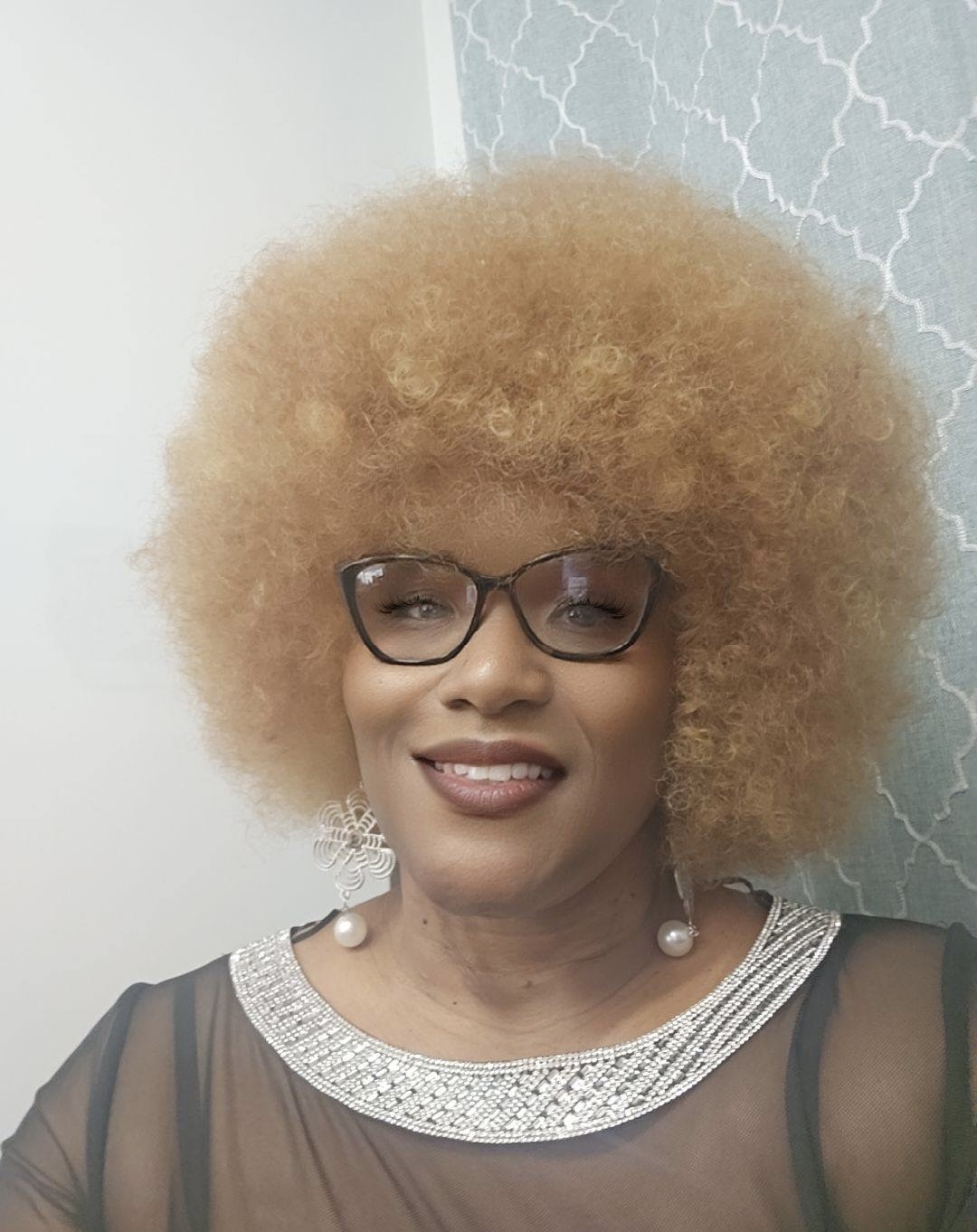
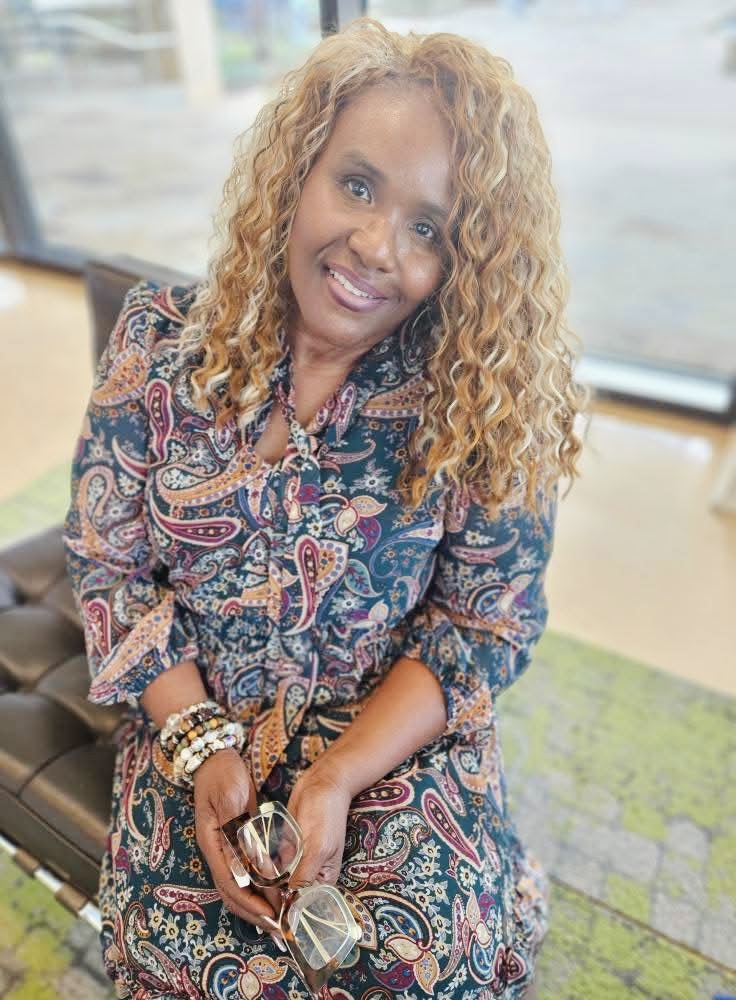
Portrait of Felicia Kelly-Brookins, African American woman and Op-Ed contributor, smiling confidently while seated at a desk with a microphone and papers, symbolizing thoughtful journalism and editorial expertise.
Photo Credit: Felicia Brookins Author/Contributor/Play Writer
 

Major Takeaways

  • The SHIELD Act may create new voting barriers by requiring stricter identity verification and document matching that could disproportionately impact lawful voters.
  • Women, elderly voters, and low-income Mississippians may face the greatest burden, especially those whose legal names no longer match older records or who lack easy access to official documents.
  • The article argues that modern voter suppression can look administrative instead of overt, using bureaucracy, data systems, and procedural obstacles rather than openly discriminatory laws.

How Mississippi’s SHIELD Act could create modern voting barriers through ID checks, database errors, and bureaucratic roadblocks that disproportionately affect Black women, elderly voters, and low-income communities

By Felicia Brookins Author/Contributor 5 min read “A New Barrier in Old Clothes: The SHIELD Act and the Return of Voter Suppression in Mississippi” By Felicia Kelly-Brookins Op-Editorial There is a familiar feeling in Mississippi right now, one that echoes louder than legislation and deeper than policy language. It is the feeling of a door quietly closing. The recent passage of the SHIELD Act by Mississippi lawmakers has been presented as a measure to “protect election integrity.” But for more than 647,000 women across the state particularly those whose legal names no longer match their birth certificates this law may represent something far more troubling: a modern barrier to the ballot box. And for those of us born into the shadows of segregation, this moment feels eerily familiar. What the SHIELD Act Claims to Do Supporters argue that the SHIELD Act is designed to ensure that only eligible citizens vote. At its core, the law would:  Require stricter identity verification for voters  Cross-check voter rolls with federal databases  Flag discrepancies between documents such as birth certificates and IDs  Potentially remove individuals from voter rolls if citizenship cannot be verified On paper, it sounds procedural. Even reasonable. But history has taught us that how a law is implemented matters just as much as what it claims to do. For many women, especially those who changed their names after marriage, the implications are immediate and personal. Imagine showing up to vote and being told:  Your documents don’t match  You’ve been flagged  You need additional proof  You may need to purchase costly identification, like a passport This is not a hypothetical inconvenience. It is a structural burden. And burdens, when placed unevenly, become barriers. The SHIELD Act introduces reliance on federal databases to verify citizenship, systems that have been widely criticized for inaccuracies. When error-prone databases are used as gatekeepers of democracy:  Lawful voters’ risk being flagged incorrectly  Citizens may be removed from voter rolls without clear recourse  The burden of proof shifts from the state to the individual This is not protection. This is presumption of guilt. And for low-income communities, the cost of “proving” citizenship, through documentation, time off work, or legal navigation, can be prohibitive. Let’s be clear: laws like this do not affect everyone equally. They disproportionately impact black women, elderly voters, low-income residents and rural communities with limited access to documentation services. For elderly Mississippians, many of whom were born at home during segregation without formal birth records, this law could effectively erase their right to vote. Not because they are ineligible. But because they cannot prove eligibility in the way the law demands. I was born in 1966. That was not just a year, it was a time period when Mississippi was a place where literacy tests were used to block Black voters, Poll taxes made voting a privilege, not a right and bureaucracy was weaponized to exhaust and exclude. The tactics were not always loud. They were often procedural, Technical, “Legal,” And yet, their impact was unmistakably suppression. Then vs. Now: Different Language, Same Outcome Then (Segregation Era) Now (SHIELD Act) Literacy tests Documentation mismatches Poll taxes Costly ID requirements Arbitrary registration barriers Federal database flags Voter intimidation administrative removal from rolls The methods evolve. But the outcome risks remaining the same: fewer marginalized voices at the ballot box. So, my question to the State of Mississippi is, Is this really about election integrity? Election integrity is essential. But integrity without equity is not justice when laws increase the likelihood of eligible voters being removed, place financial and logistical burdens on citizens and rely on flawed systems to determine eligibility. When this occurs, …we must ask a hard question, who is being protected and who is being pushed out? This moment requires more than policy analysis. It requires memory and courage. It requires us to recognize that voter suppression does not always arrive with sirens and headlines. Sometimes, as in this case, it arrives quietly, subtly, wrapped in legislation, justified by certain language, and carried out through systems that confess to be neutral but operate unequally. The passing of the SHIELD ACT is bigger than a bill, this is about access, voice and whether Mississippi is moving forward, or quietly repeating its past. For those of us who have grandparents and other family members who remember what it felt like to be excluded, we recognize the signs and we know, because a barrier by any other name is still a barrier.
Urban City Podcast Group
United States Real Estate Investor® Property Profit Powerhouse
Urban City Podcast Group

Comments (0)

Your email address will not be published. Required fields are marked *

Urban City Podcast Group
United States Real Estate Investor® Property Profit Powerhouse
Urban City Podcast Group
loader-image
,

Urban City Podcast Weather sponsored by

Urban City Podcast Group

Get the latest news, events, and subscriber-only offers when you subscribe to the Urban City Podcast newsletter! Subscribe now!

Urban City Podcast Group

SHARE THIS ARTICLE

Urban City Podcast Group

Articles You May Like

Urban City Podcast Group

ADVERTISERS