
Major Takeaways
Rising conflict involving Iran and its proxies directly increases global oil prices through market uncertainty
Higher oil prices quickly translate into increased gas, food, and everyday living costs
Consumers effectively pay a hidden economic price for geopolitical instability
Rising tensions in the Middle East are pushing oil prices higher and quietly draining household budgets across America
By Urban City Podcast Digital News Desk• 5 min read
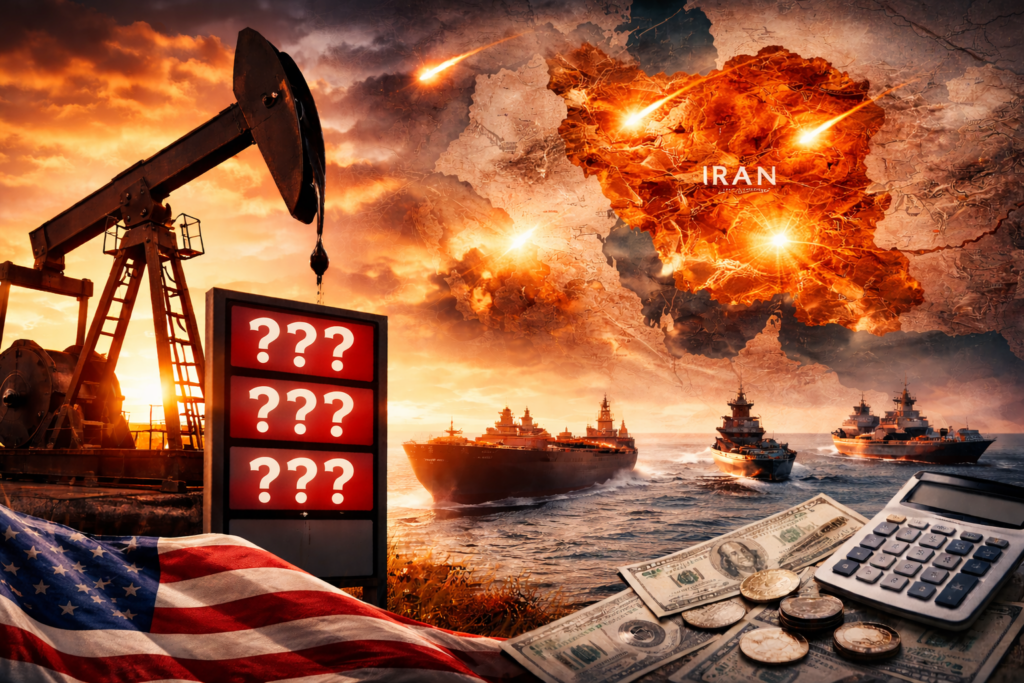
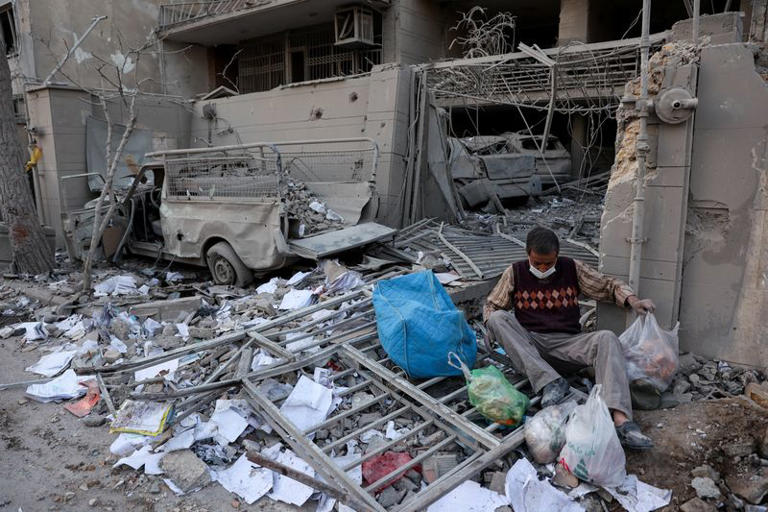
As tensions rise between Iran, its regional proxies, and Western military forces, the economic consequences are being felt far beyond the Middle East. Recent airstrikes targeting Iranian linked positions have intensified fears of a broader regional conflict, triggering immediate reactions in global energy markets. While the geopolitical stakes are high, the most immediate and measurable impact is showing up in a familiar place for everyday Americans: their wallets.
Iran has long relied on a network of proxy groups across the Middle East to extend its influence without engaging in direct large scale warfare. These groups operate in countries such as Iraq, Syria, Lebanon, and Yemen, often engaging in conflict with U.S. or allied forces. When airstrikes occur, retaliation typically follows, creating a cycle of escalation that keeps the region in a constant state of instability.
This instability is particularly significant because of the region’s role in global oil supply. Nearly one fifth of the world’s oil passes through the Strait of Hormuz, a narrow shipping route bordered by Iran. Any disruption, whether real or anticipated, has the potential to affect global energy markets. Even the threat of interference can cause oil traders to react swiftly, driving prices upward.
In recent weeks, oil prices have climbed sharply in response to renewed conflict concerns. Analysts report that prices have moved into the seventy to eighty dollar per barrel range, with warnings that further escalation could push prices past one hundred dollars per barrel. These increases are not based solely on actual supply disruptions, but on market anticipation of what could happen if tensions worsen.
The relationship between oil prices and consumer costs is direct and immediate. For every ten dollar increase in the price of crude oil, gasoline prices typically rise by approximately twenty five cents per gallon. This means that geopolitical developments thousands of miles away can quickly translate into higher costs at gas stations across the United States.
However, the impact does not stop at the fuel pump. Oil is a foundational component of the global economy, influencing transportation, manufacturing, and supply chains. As fuel costs rise, so do the costs of shipping goods by truck, air, and sea. These increases are often passed along to consumers in the form of higher prices for groceries, retail products, and services.
Economists often describe this phenomenon as a hidden tax on consumers. Unlike traditional taxes, which are visible and legislated, rising energy costs quietly reduce purchasing power. Households may not immediately connect higher grocery bills or increased delivery fees to geopolitical conflict, but the connection is both real and measurable.
Financial markets also react to rising oil prices and geopolitical uncertainty. Sectors that depend heavily on fuel, such as airlines and logistics companies, often see increased costs and reduced profit margins. This can lead to volatility in stock markets and cautious behavior among investors. While these effects may seem distant from daily life, they can influence job growth, wages, and overall economic stability.
Historically, similar patterns have emerged during periods of Middle Eastern conflict. From past tanker incidents to broader regional disputes, oil markets have consistently responded to perceived threats with price increases. Despite advances in alternative energy and domestic production, the global economy remains closely tied to oil, making it vulnerable to disruptions in key regions.
Looking ahead, the trajectory of oil prices will depend largely on how the current situation evolves. A limited and short lived conflict could allow markets to stabilize, keeping prices within a manageable range. However, prolonged tensions or direct disruptions to major shipping routes could sustain higher prices or push them significantly higher.
For consumers, the outcome will be measured not in headlines, but in everyday expenses. Rising gas prices, increasing costs of goods, and broader inflationary pressure all stem from the same source: instability in a region critical to global energy supply.
In the end, the connection between international conflict and personal finance is clear. When tensions rise in the Middle East, the economic ripple effects extend across the globe, ultimately landing in the pockets of everyday Americans.