

5 min read
Major Takeaways
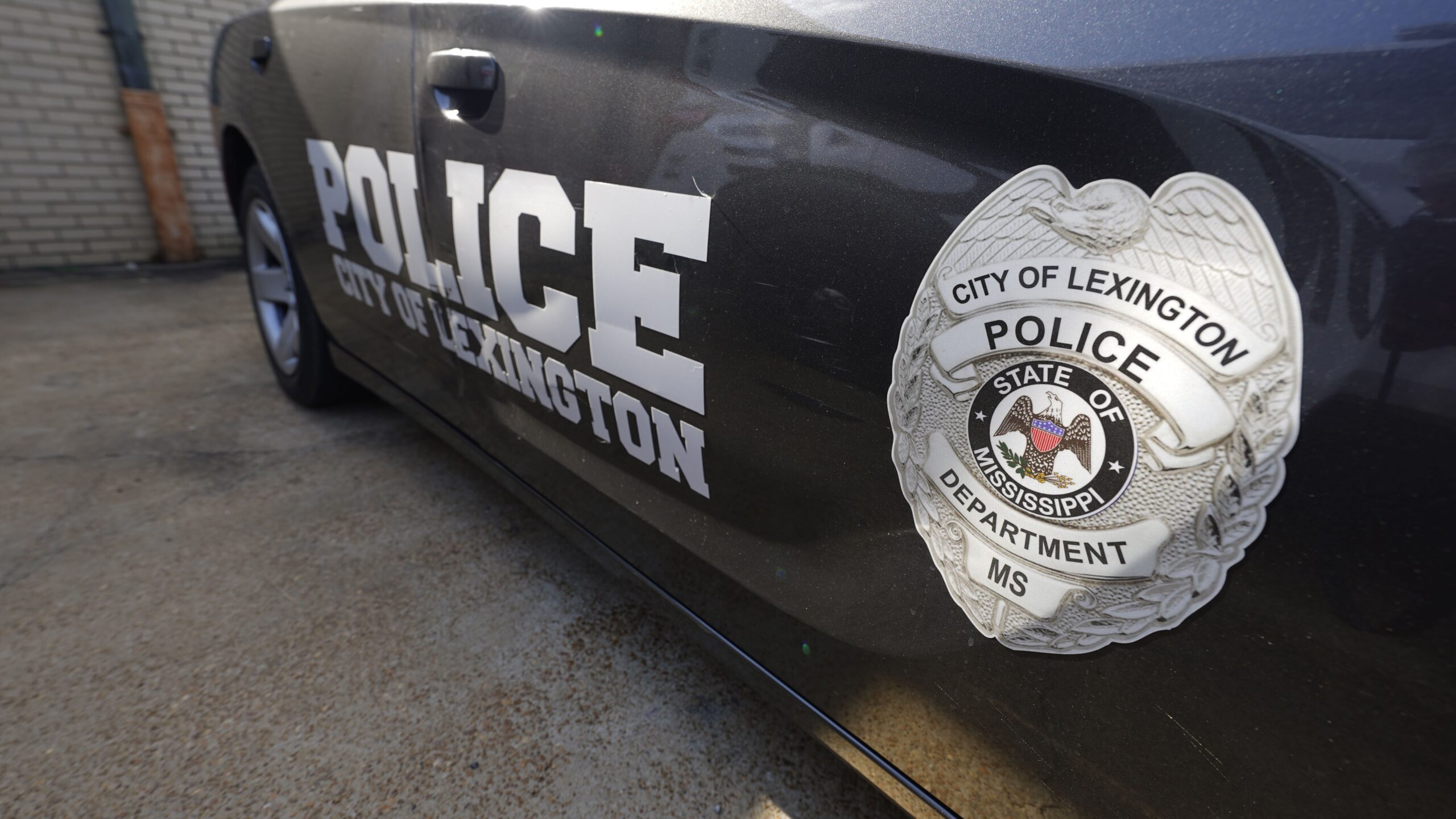
Sixteen Black residents of Lexington, Mississippi have settled their federal civil rights lawsuit against the city and its police department.
The suit accused two police chiefs and six officers of false arrests, excessive force and retaliation against residents who spoke out.
The settlement terms are confidential, and the lawsuit will be dismissed.
The legal team returns to Lexington on December 1 to press the city for even deeper reform.
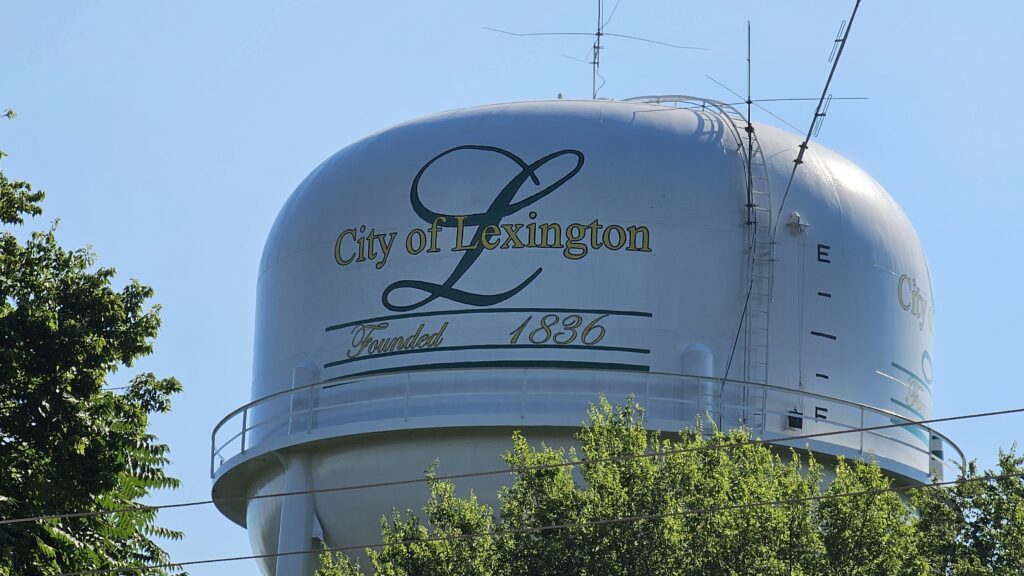
In Lexington, a small and mostly Black town in Holmes County, sixteen residents have closed a legal fight that stretched across nearly three years.
Their attorneys announced on Tuesday that the city, its police department and the named officers have agreed to settle the federal civil rights lawsuit the residents brought against them.
For a town of fewer than 1,800 people, about 65 miles north of Jackson, the settlement marks the end of one of the most closely watched police accountability fights in Mississippi.
What The Settlement Covers
The case, known in court as Secherest v. City of Lexington, was filed in the United States District Court for the Southern District of Mississippi.
It accused the department of violating the First, Fourth and Fourteenth Amendments through false arrests, excessive force and retaliation against critics.
The defendants included former police chief Sam Dobbins, police chief Charles Henderson and officers Aaron Agee, Cordarius Epps, Chris Burrell, Justin Newell, Laron Simpson and Scott Walters.
The residents sued under the federal civil rights law known as Section 1983, the statute that lets citizens hold local officials accountable in federal court.
All sides have agreed to the settlement terms, and the lawsuit will be dismissed. The terms are confidential, so no dollar figure has been made public.
The Stories Behind The Lawsuit
One plaintiff is a father who walked up to officers while they were holding his son and asked a simple question. What did he do?
Officers tackled him, handcuffed him and arrested him. His account sits inside a much larger pattern that residents described for years.
The lawsuits described roadblocks set up in Black neighborhoods, arrests handed out for low level offenses and punishment aimed at anyone who complained too loudly.
Former chief Sam Dobbins was fired in 2022 after a recording captured him using racial slurs and bragging about violence. Residents said the culture he built outlived his time in the chief’s chair.

Washington Already Weighed In
Federal investigators opened a civil rights investigation of the department in 2023. Their findings, released in September 2024, said the department routinely violated the rights of the people it policed.
The numbers were staggering. In 2023, Black people in Lexington were 17.6 times as likely to be arrested as white people.
Between 2022 and 2024, the department made one arrest for every four people in town, more than ten times the per capita arrest rate for Mississippi as a whole.
The city court had issued arrest warrants for more than 650 people over unpaid fines, roughly half the town, and residents who could not pay were locked up.
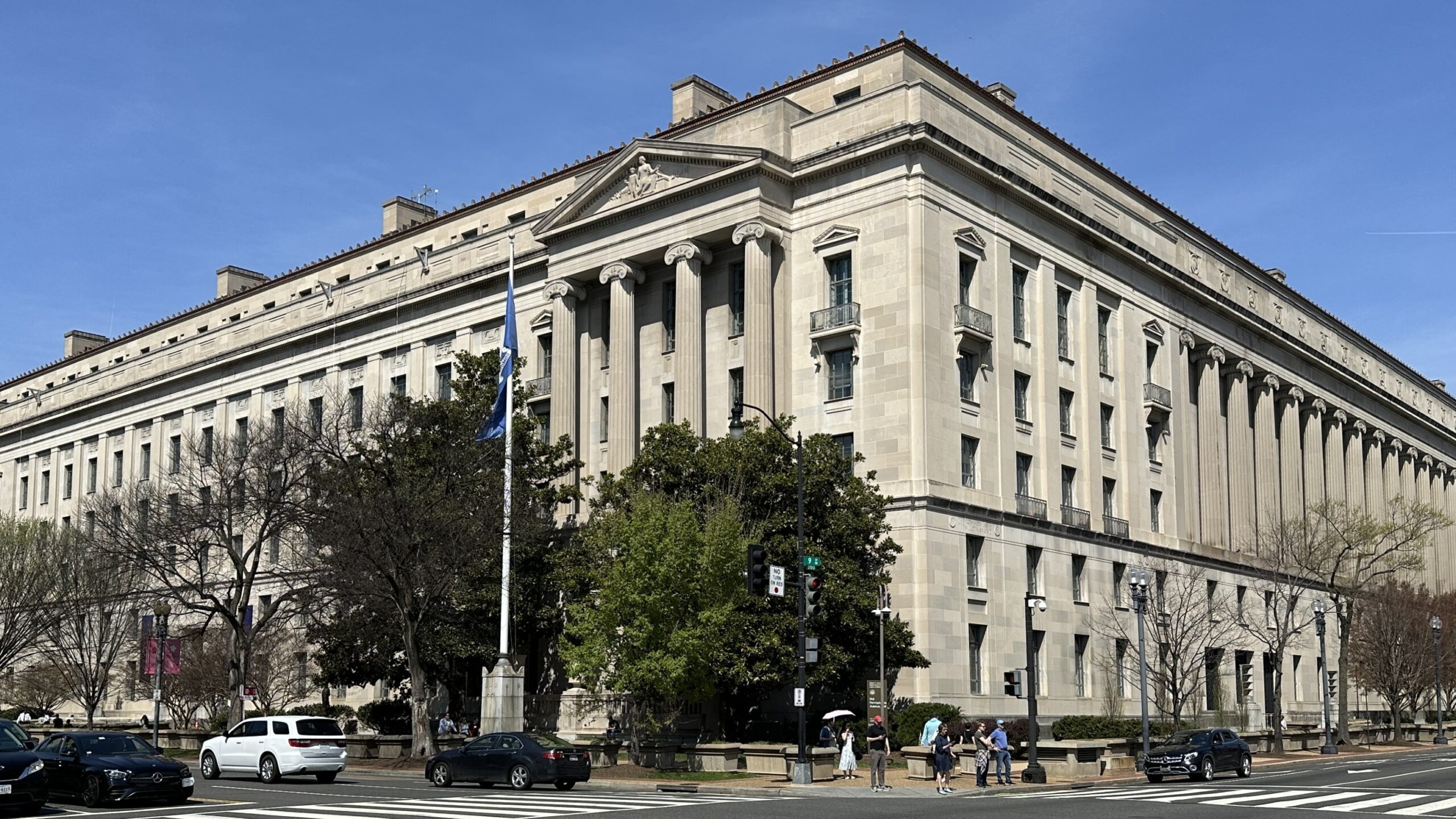
In October, the Justice Department reached its own settlement with the city, forcing reforms to fines, bail, stops, searches and the use of force. Urban City Podcast covered that agreement when it landed.
A Town That Refused To Stay Quiet
JULIAN, a Mississippi based social justice organization led by attorney Jill Collen Jefferson, first filed this lawsuit in January 2024 after residents came forward with accounts of abuse.
The Lawyers’ Committee for Civil Rights Under Law and the law firm Willkie Farr and Gallagher joined the case in September 2025.
In January of this year, the Lexington Board of Aldermen voted to adopt the federal recommendations in full and to remove the police chief, himself a defendant in the case.
Len Kamdang, counsel and director of the Criminal Justice Project at the Lawyers’ Committee, said the relief runs deep. “Our clients have the same rights to equal protection under the law and free speech as anyone,” he said.
He said the department had shown a troubling pattern of racial discrimination and retaliation against scrutiny of its conduct.

What Happens Next
On December 1, the legal team and the National Police Accountability Project will testify before the Board of Aldermen with additional reform proposals.
Kamdang made clear that the watching does not end with the settlement. “This case may be settled, but we will continue to keep a watchful eye on the Lexington Police Department,” he said.
For the Black families of Lexington, the settlement closes one courtroom chapter. The larger fight over how they are policed goes on, and now it plays out in the open.
Keep up with this story and more in our News coverage at Urban City Podcast.