
5 min read
Major Takeaways
Sundial Media Group confirmed Tuesday that the 2027 Essence Festival of Culture will not take place in New Orleans.
The decision ends a run of more than 30 years in the city that made the festival a Fourth of July weekend tradition.
Unpaid vendors sat at the center of the breakdown, and Mayor Helena Moreno says any future deal must protect local businesses first.
New Orleans now plans a new Black cultural celebration for the 2027 holiday weekend.
A Goodbye More Than 30 Years in the Making
The Essence Festival will not return to New Orleans in 2027.
Sundial Media Group confirmed the news on Tuesday, November 24, 2026.
The announcement closes one of the longest and most important chapters in Black music and culture.
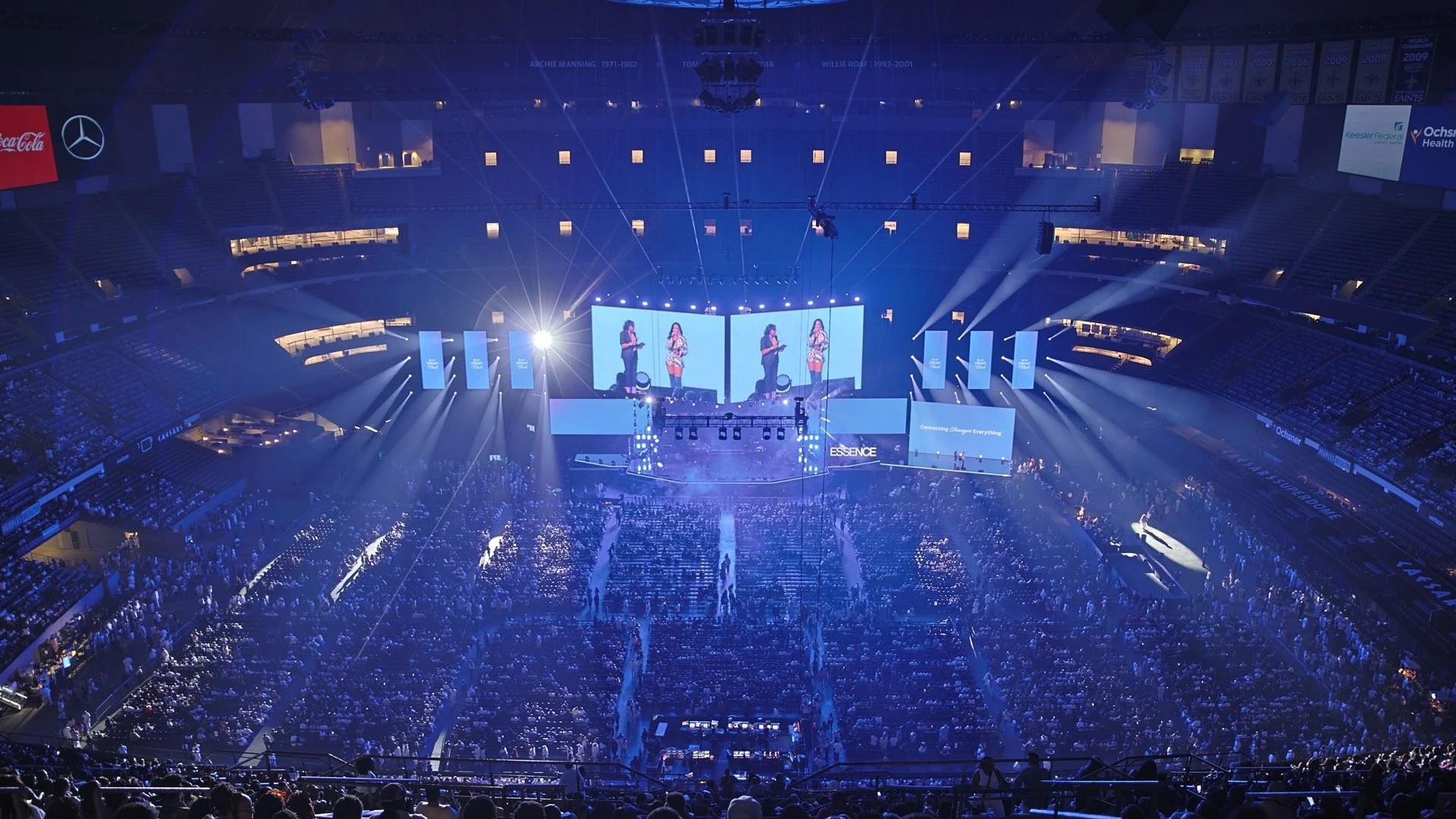
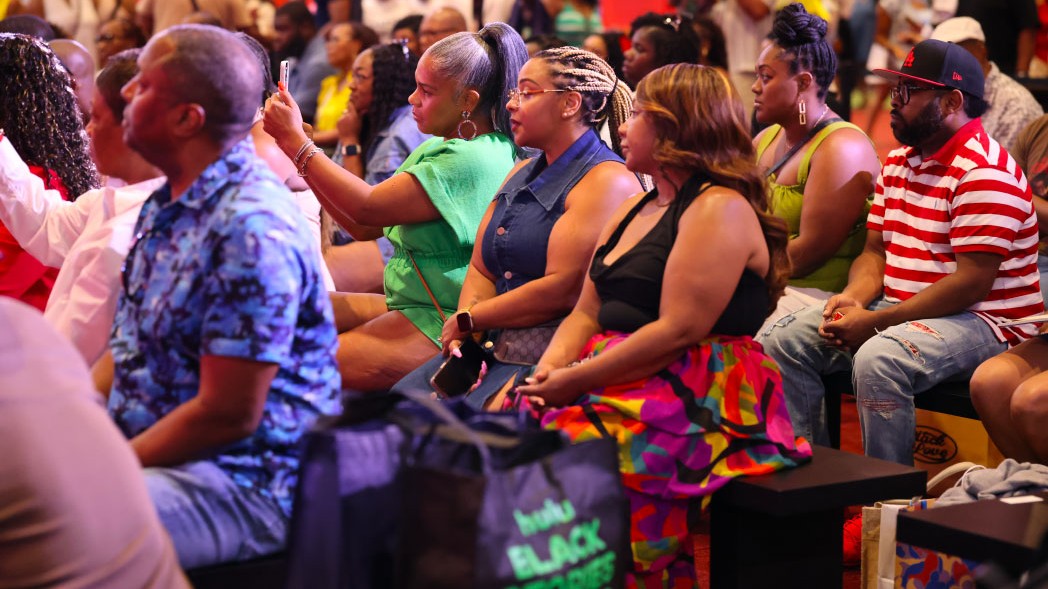
For more than three decades, Black families planned their summers around this weekend.
They booked flights, filled hotels, and packed the Superdome to celebrate music, business, faith, and each other.
The previous seven year agreement between the festival and the city expired in September 2026.
That deal ended after the 2026 festival wrapped this past summer.
Months of contract negotiations followed, and those talks failed to produce a new agreement.
Two Sides, One Broken Negotiation
Sundial says it sought a multiyear agreement for months.
The company says city officials did not respond to repeated requests to meet on the record.
In its statement, Sundial framed the move as a turning point bigger than one contract fight.
“We are at a larger inflection point and we don’t want to get caught in the political discourse between the city and state of Louisiana.”
The company added a line that speaks directly to the people who built this festival.
“The largest Black festival of its kind has to be where it can grow, where it is valued, and where it serves the people who make it what it is.”

The Vendor Payments That Sank the Talks
Behind the public statements sits a harder story about money owed to the people who do the work.
Essence was late paying vendors two years in a row.
In February 2026, officials learned the festival still owed the Ernest N. Morial Convention Center nearly $400,000.
It also owed three local vendors a combined $3.8 million for work on the 2025 festival.
That debt surfaced seven months after the 2025 festival had already ended.
In March 2026, the festival announced agreements to pay those vendors in full.
Then it happened again after the 2026 festival.
At least two out of state vendors contacted Mayor Helena Moreno directly about money they were owed.
One vendor owed more than $500,000 emailed her on October 12.
That vendor called the balance an extremely large receivable for a small company.
Another vendor traveled to City Hall on October 2 to meet with her in person.
For Black owned and small businesses, a late check of that size is not an inconvenience.
It can mean missed payroll, borrowed money, and hard choices about staying open at all.
Sundial disputes that vendor payments caused the breakdown.
The company says its remaining obligations to Louisiana vendors from the 2026 festival will be paid.
Sundial CEO Kirk McDonald says Essence has paid approximately $11 million to Louisiana partners for the 2026 festival.
McDonald says every vendor will be made whole.
City Hall Draws a Line on Local Vendors
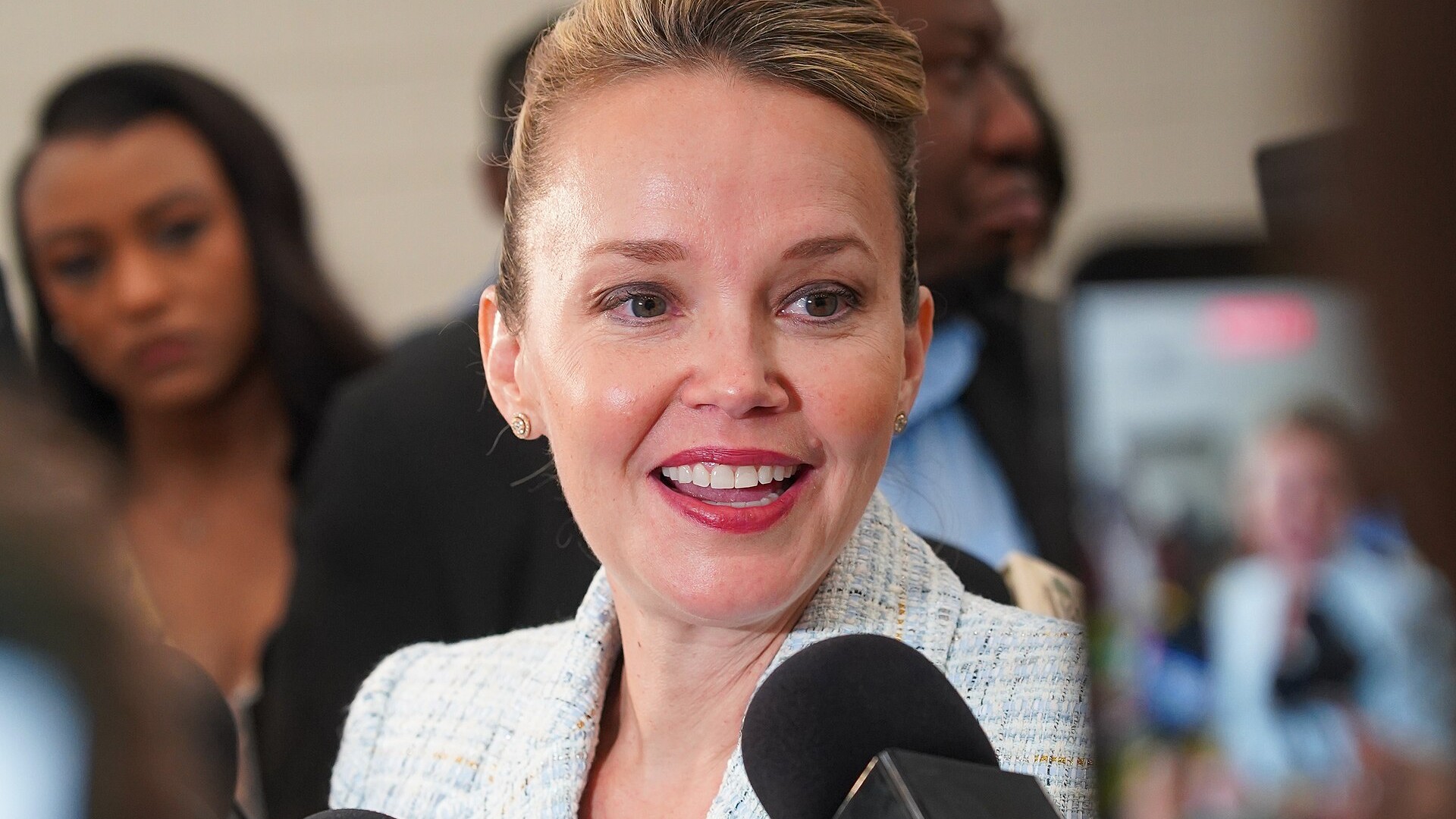
Mayor Moreno says unpaid vendors were one of the city major issues in the negotiations.
She called the situation one of her biggest disappointments in the entire process.
Her position is plain: any future agreement must ensure local vendors receive payment.
Her chief of staff Kevin Ferguson added detail to that stance.
Ferguson said any 2027 agreement would have carried contractual provisions to prevent the late payment situation.
In other words, the city wanted protections written into the deal itself.

The Money Around the Music
The stakes reach far beyond one weekend of concerts.
Festival organizers claim the 2025 event generated more than $300 million in economic impact.
That figure is the organizers own claim, and it shows why cities compete for this festival.
The festival also received approximately $750,000 a year in public funding.
Louisiana Legislative Auditor Mike Waguespack previously urged officials to reevaluate that public support.
Sundial reportedly sought $10 million to $12 million in incentives from city and state officials.
That reported ask gives a sense of how high the bidding had climbed.
Festival organizers had already reached out to officials in Houston and Atlanta in recent months about relocating.
Both cities know what a weekend built by Black culture can do for hotels, restaurants, and small businesses.
What New Orleans Plans Next
Moreno says the city is not surrendering the weekend.
New Orleans plans to develop a new Black cultural celebration for the 2027 Fourth of July weekend.
The plan builds around national entertainers, local musicians, and Black owned businesses.
Programming would reach into neighborhoods across the city, not just downtown stages.
That vision matters, because the people of New Orleans made Essence weekend what it became.
The cooks, drivers, designers, promoters, and church folks of this city carried the festival for 30 years.
Wherever the Essence Festival lands next, it carries a debt of gratitude to them.
And wherever it lands, the vendors who power it deserve to be paid in full and on time.
Keep up with more stories like this in our Entertainment coverage and the latest from our News desk.