

6 min read
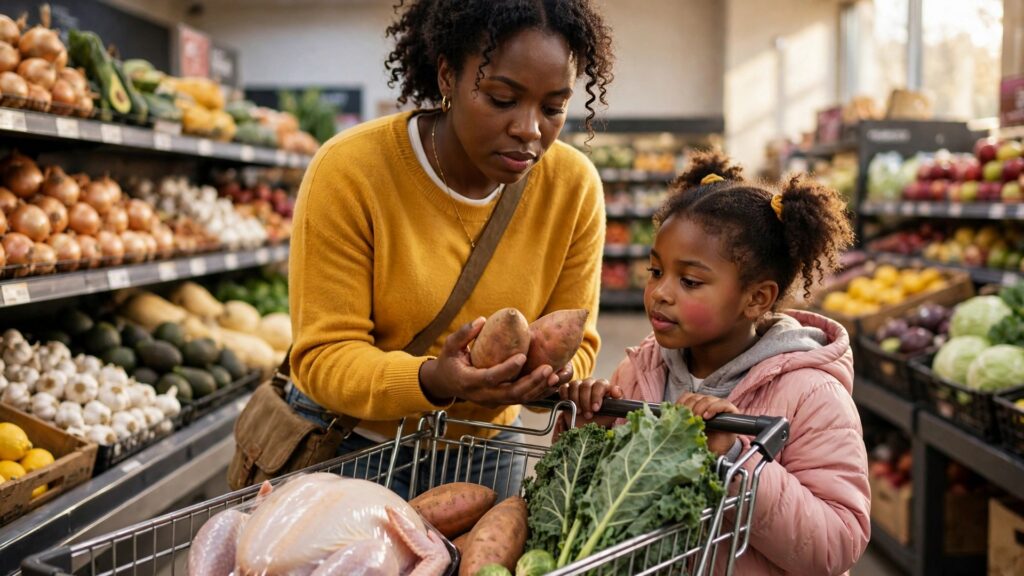
Thanksgiving arrives tomorrow, and for millions of Black families the SNAP cuts are not an abstract policy fight in Washington.
They are a line item in a grocery budget that already does not stretch far enough.
New national polling released this week shows three in ten Black adults had a time in the past year when they did not have enough money to buy food for themselves or their families.
That rate is double the rate among white adults and triple the rate among Asian adults.
Now the holiday table costs more at the exact moment federal food help is shrinking.
Major Takeaways
- Three in ten Black adults ran short on money for food at some point in the past year, the highest rate of any major racial group.
- More than five million people have already lost SNAP access since the new federal law took effect, and a fresh proposal could cut millions more.
- A classic Thanksgiving dinner for ten costs about six percent more than last year, led by a ten percent jump in turkey prices.
- Advocates say Black households face a collision of food costs, job strain, and gaps in health care, child care, and housing all at once.
The Numbers Behind The Strain At The Grocery Store
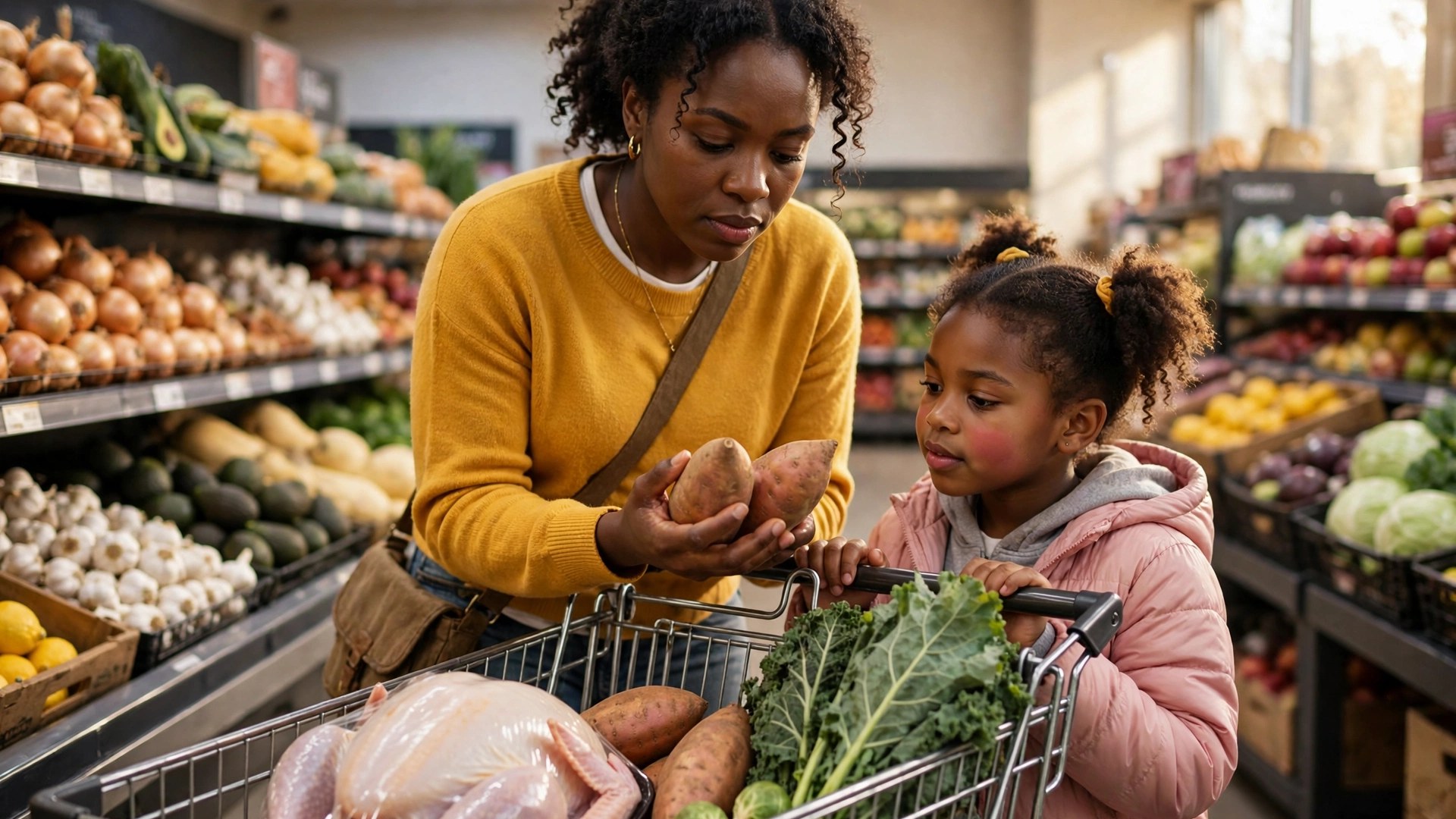
The polling comes from a national survey of 5,065 adults conducted in late May and early June of this year.
Eighteen percent of all adults said they had run short on food money in the past year.
Among Black adults the figure was thirty percent, compared with twenty four percent among Hispanic adults, fourteen percent among white adults, and ten percent among Asian adults.
Income tells much of the story, but not all of it.
Among adults in households earning under 48,000 dollars a year, thirty seven percent had run short on food money.
The rate falls as income rises, yet Black families carry lower median incomes and far less savings to absorb a shock like a lost job or a medical bill.
The burden also maps onto the map itself, with food strain highest across the South, where so many Black families live.
Workers in hospitality and retail reported some of the highest rates of all, at thirty percent and twenty eight percent.
Those are the very jobs where Black workers are heavily represented and where hours swing from week to week.
Food prices have climbed more than seven percent since January of last year, so every trip to the store asks more of the same paycheck.
How SNAP Cuts Shrank The Safety Net This Year
SNAP, the Supplemental Nutrition Assistance Program, is the largest food assistance program in the nation.
More than eleven million Black Americans receive SNAP benefits in a typical month.
The sweeping federal tax and spending law signed last year cut about 187 billion dollars from SNAP over ten years, the largest reduction in the history of the program.
An estimated five and a half million people lost access to benefits in the first year after the law took effect.
The law also widened work requirements and tightened eligibility for older adults, parents of teenagers, veterans, and people without stable housing.
This month the Agriculture Department proposed going further by ending a policy known as broad based categorical eligibility.
That policy lets states qualify families for food help when they already qualify for other assistance.
Federal analysis says ending it would strip benefits from about seventeen percent of all SNAP households and cut spending by roughly 44.6 billion dollars over five years.
Advocates estimate more than six million people could lose food support under the proposal, including about 1.78 million children who could lose automatic eligibility for free school meals.
One in four Black children already lived in a household without consistent access to enough food in recent federal data.

A Pricier Thanksgiving Table On Top Of It All
Into that squeeze walks the most food centered holiday of the American year.
A classic Thanksgiving dinner for ten now costs an average of 58 dollars and 63 cents, up about six percent from last year.
It is the first increase in the annual survey since the record high set in 2022, and it lands on families with the least room to absorb it.
The turkey did most of the damage, with a sixteen pound bird averaging 23 dollars and 68 cents, up ten percent.
Milk rose close to nine percent, cranberries rose about nine percent, and dinner rolls rose seven percent.
The South remains the least expensive region at about 54 dollars and 33 cents, while the Northeast tops the list at about 61 dollars and 57 cents.
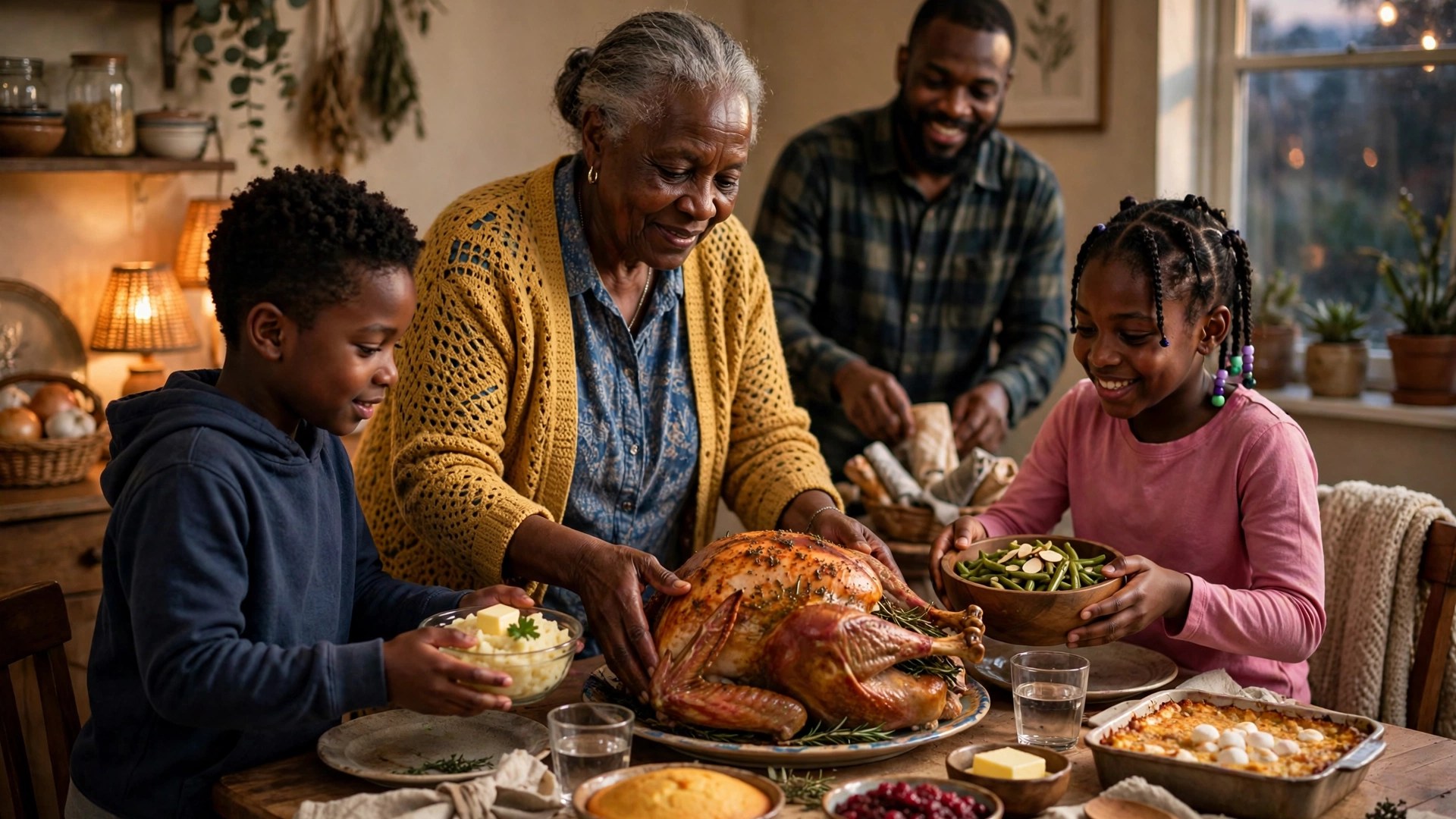
For a grandmother cooking for three generations, those few extra dollars compete with rent, gas, and medicine.
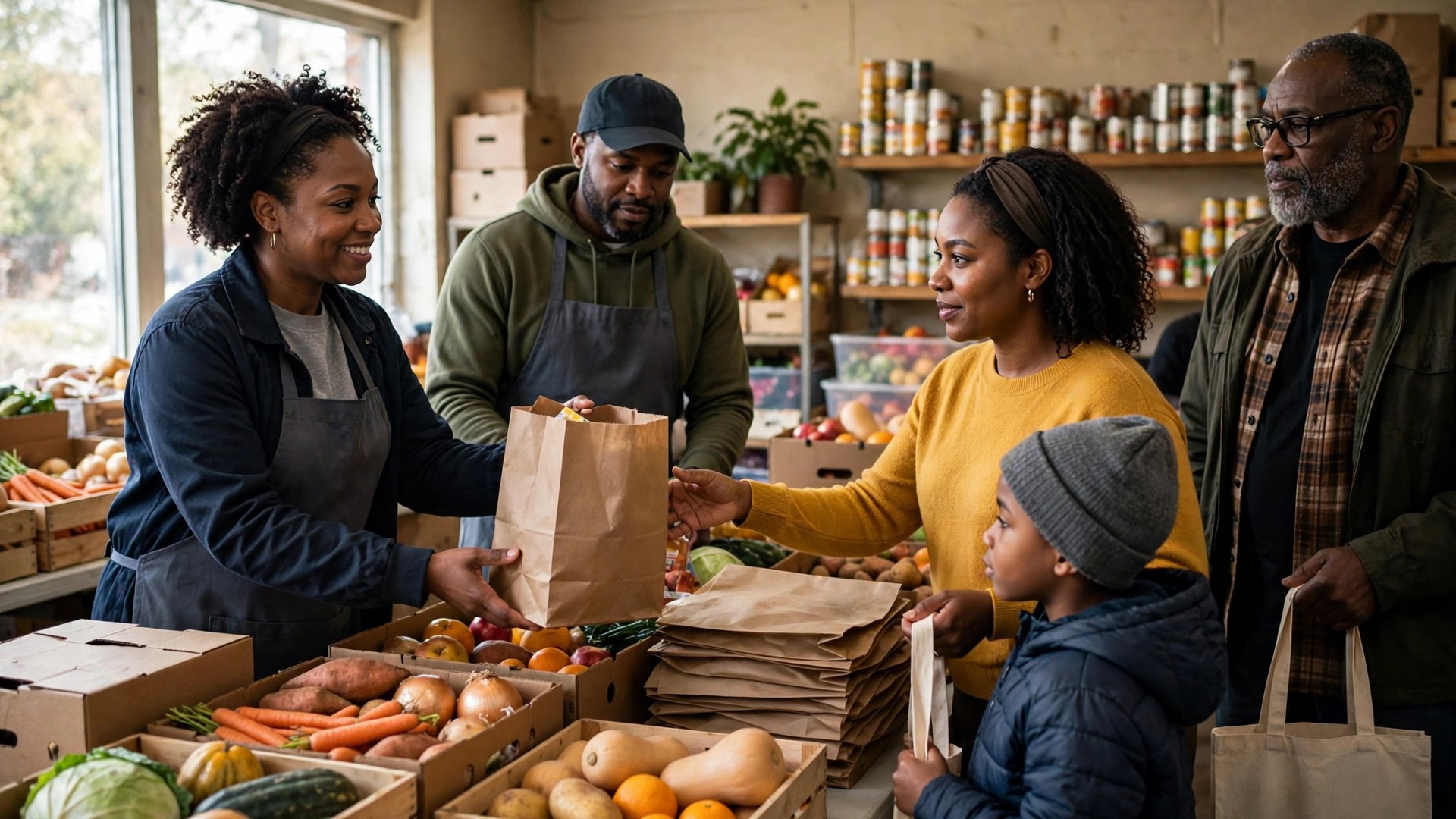
Many families are answering the moment the way Black communities always have, by stretching recipes, sharing plates, and leaning on churches and food pantries.
Pantry lines have grown as neighbors who once donated now come through the door for help themselves.
What Advocates Want And What Happens Next
Family advocates say the holiday season exposes a collision of pressures hitting Black communities at once.
Monifa Bandele of MomsRising has described food insecurity arriving alongside disproportionately high unemployment and unequal access to health care, child care, and affordable housing.
Anti hunger groups are urging the administration to withdraw the eligibility proposal before it becomes final.
Lawmakers who take control of Congress in January have vowed to restore the SNAP cuts and revisit the tariffs that advocates say will push food prices higher still.
Until then, state agencies and community groups are bracing for a winter in which more families qualify for less help.
For readers tracking the wider picture, our News coverage and our Business and Finance reporting follow these kitchen table fights daily at Urban City Podcast.
Tomorrow, families will still gather, still give thanks, and still pass the dressing.
The question hanging over the table is whether the country will keep making that gathering harder for the very families who built so much of its table in the first place.