
7 min read
Major Takeaways
The Montgomery Bus Boycott lasted 381 days, from December 5, 1955 to December 20, 1956, and it ended with bus segregation ruled unconstitutional.
Black women planned the boycott, Black riders powered it, and a carpool network of hundreds of cars kept a whole community moving without the buses.
The protest made Dr. Martin Luther King Jr. a national leader and gave the civil rights movement its working model of mass nonviolent action.
Seventy years later, Montgomery still teaches the same lesson. Organized people, sustained over time, can move a nation.
One Seat and One Refusal That Shook a City
On December 1, 1955, seamstress Rosa Parks boarded a Cleveland Avenue bus in Montgomery, Alabama, after a long shift at a downtown department store.
The white section filled up within a few stops. The driver ordered Parks and three other Black riders to surrender their seats and stand.
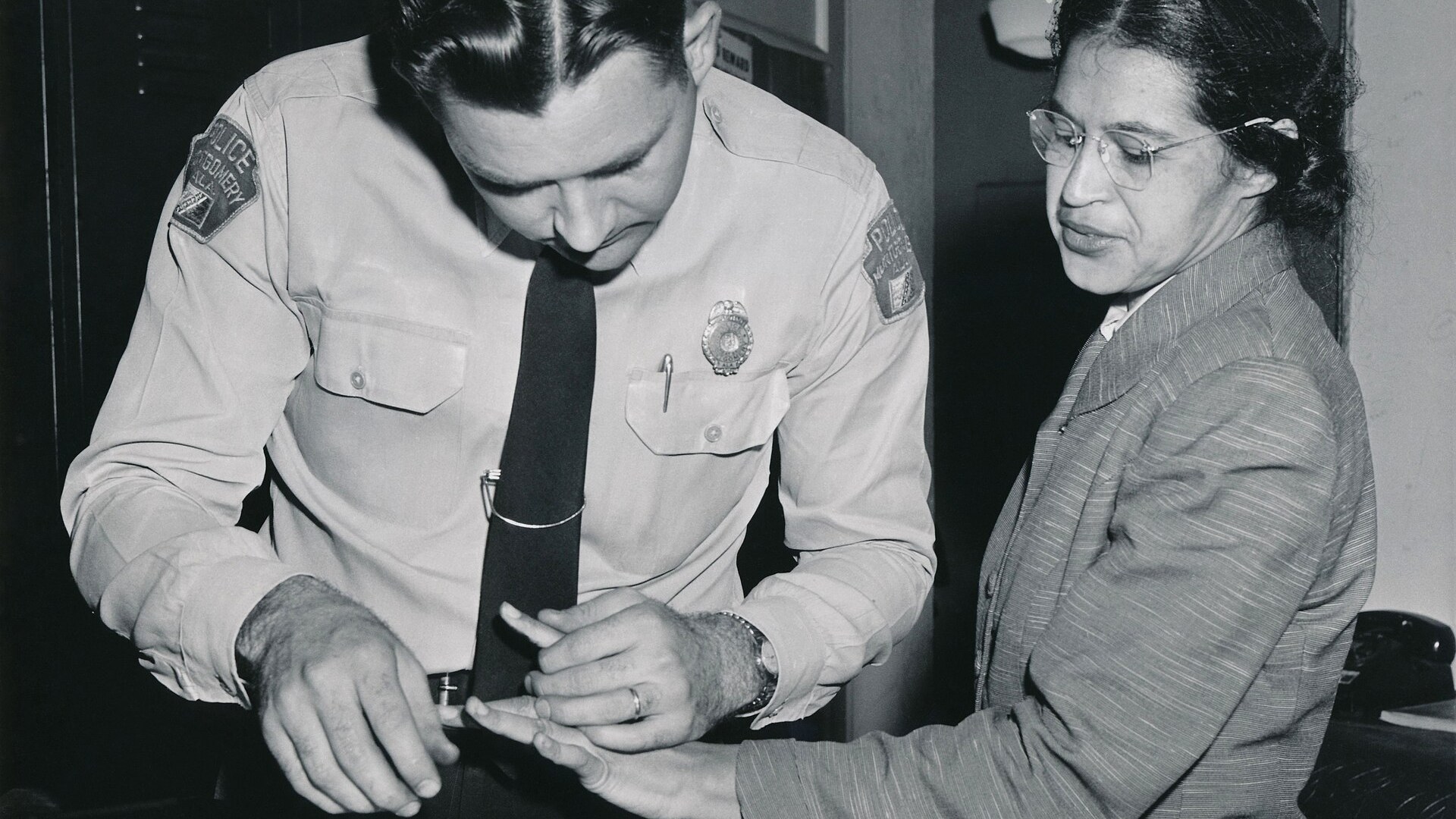
The other three riders moved. Parks stayed seated, and police arrested her for violating the city segregation ordinance.
She was fined 10 dollars, plus 4 dollars in court costs. The price of her defiance, on paper, was small. Its impact was anything but small.
Parks was no accidental heroine. She served as secretary of the local NAACP chapter, and she and her husband Raymond had spent years doing quiet movement work.
Nine months earlier, on March 2, 1955, a teenager named Claudette Colvin had been dragged off a Montgomery bus for the same refusal, at only 15 years of age.
Montgomery had been building toward this moment for a long time. Parks simply gave the city its spark.
The Women Who Lit the Fuse
The boycott did not begin in a pulpit. It began with the Women’s Political Council, a network of Black professional women led by Alabama State professor Jo Ann Robinson.
The council had warned city leaders about bus abuse for years. When Parks was arrested, Robinson and her students swung into action overnight.
By December 2, they had mimeographed and delivered some 50,000 leaflets across town, calling for Black riders to stay off the buses on December 5.
Labor leader E. D. Nixon bailed Parks out of jail and pushed for a legal challenge to the ordinance itself.
Black ministers carried the call into Sunday services on December 4. The next morning, the buses rolled through Montgomery nearly empty.
Roughly 40,000 Black riders stayed away that first day. Black residents made up more than 70 percent of the bus system ridership, and the one day protest was about 90 percent effective.
A Young Pastor Takes the Helm
That afternoon, Black leaders formed the Montgomery Improvement Association to carry the protest forward, and they elected a president almost nobody outside Montgomery knew.
He was Dr. Martin Luther King Jr., pastor of Dexter Avenue Baptist Church, at just 26 years of age and barely a year into his ministry there.
The association first asked for modest changes. It wanted courtesy from drivers, Black drivers hired on Black routes, and seating filled in order, with white riders filling from the front and Black riders from the back.
The city refused even that. So a one day protest became a siege, and a young preacher became the voice of a movement.
Read more from this series: The Six Triple Eight Cleared 17 Million Pieces of Mail.
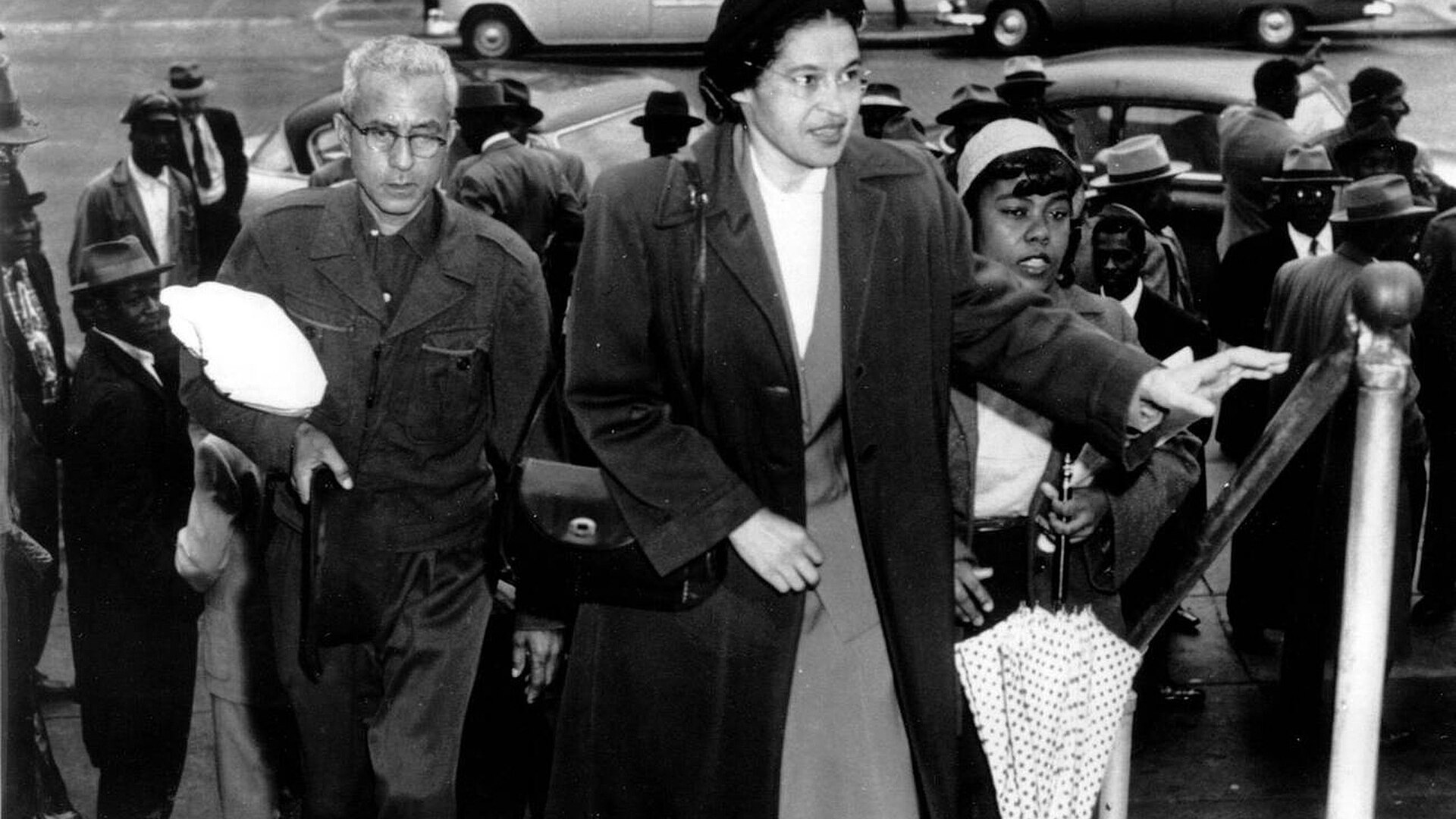
Walking, Riding, and Refusing to Break
A boycott only works if people can still get to work. The association built a private transit system almost from scratch.
Volunteers offered more than 200 cars at the start, and the network grew past 300 privately owned cars, with dispatch stations and pickup points spread across the city.
Black taxi drivers carried riders for 10 cents, the same price as a bus fare, until the city moved to shut that down too.
Thousands simply walked. Some walked as many as eight miles a day, through winter rain and summer heat, for more than a year.
One elderly boycotter summed up the spirit of the streets. Her feet were tired, she said, but her soul was finally resting.
The pressure on the bus company was relentless. Montgomery City Lines lost between 30,000 and 40,000 fares every single day of the boycott.
The city answered with harassment. Police trailed carpool drivers and ticketed them on petty charges. In February 1956, a grand jury indicted 89 boycott leaders under an old antiboycott law.
On January 30, 1956, a bomb tore through the porch of the King home while his wife and baby daughter were inside. King faced the angry crowd outside and preached calm.
The boycott did not break. It hardened.
The Court Case That Finished It
Attorney Fred Gray carried the fight into federal court. On February 1, 1956, he filed suit for four women who had suffered on the buses: Aurelia Browder, Susie McDonald, Claudette Colvin, and Mary Louise Smith.
The case, Browder v. Gayle, argued that bus segregation violated the equal protection promise of the Fourteenth Amendment, the same ground the Supreme Court had used to strike down school segregation in Brown v. Board of Education.
On June 5, 1956, a panel of three federal judges ruled 2 to 1 that segregated seating on buses was unconstitutional.
The city appealed, and the buses stayed segregated while the case climbed. On November 13, 1956, the Supreme Court affirmed the ruling.
The federal order took effect in Montgomery on December 20, 1956. After 381 days, the boycott ended in total victory.
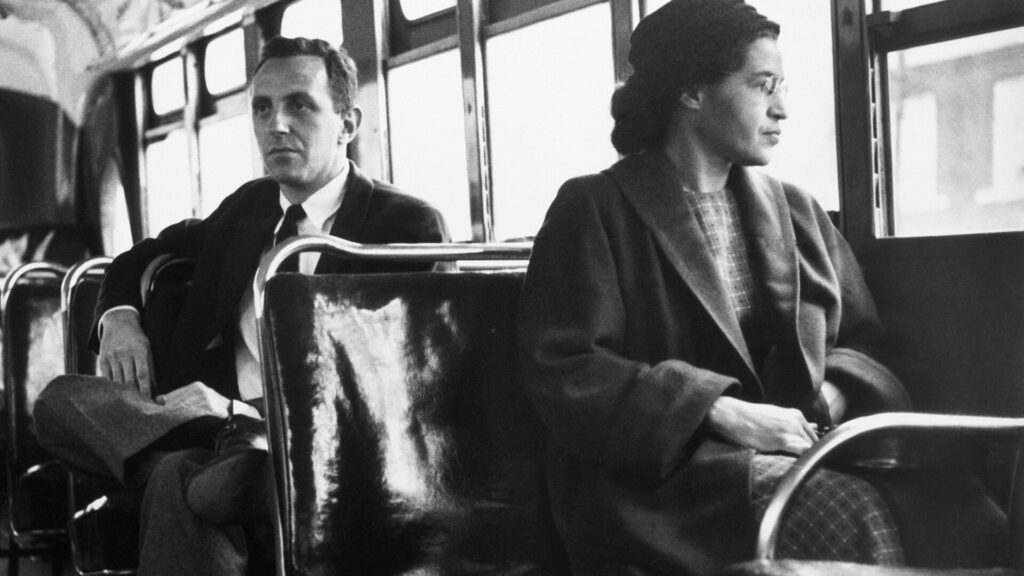
On December 21, Rosa Parks boarded a city bus and took a seat near the front, in full view of the cameras. The photograph of that ride circled the globe.
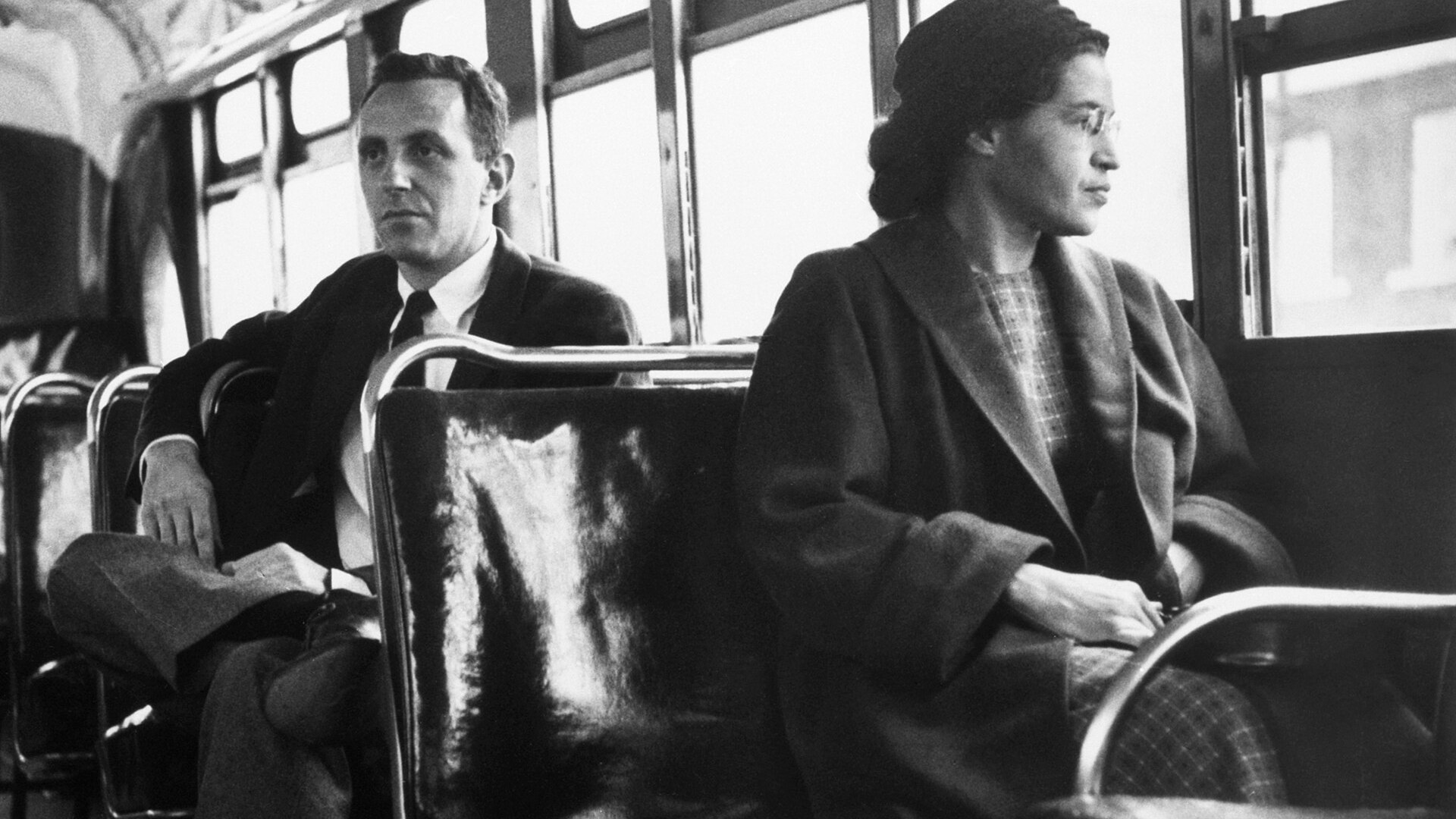
Victory did not end the danger. Snipers fired into integrated buses in the weeks that followed, and in January 1957 bombs struck four Black churches and the homes of movement leaders.
Montgomery had integrated its buses. It had not yet surrendered its hatred. The movement understood the difference, and it kept marching.
Explore more Black history features: Tuskegee Airmen: The Red Tails Who Proved Them Wrong and Bessie Coleman: First Black Woman Pilot Took Flight.
Why Montgomery Still Speaks to Us
Seventy years on, the Montgomery Bus Boycott reads less like a museum piece and more like a manual.
It teaches that economic power is real power. A community that provides most of a system revenue can shut that system down simply by walking away together.
It teaches that women do the organizing. The boycott was planned by Black women, spread by Black women, and sustained by the church networks Black women held together.
It teaches that discipline beats outrage. The riders of Montgomery stayed nonviolent through bombs, indictments, and threats, and their discipline won the sympathy of a watching nation.
King carried those lessons into the Southern Christian Leadership Conference, founded weeks after the boycott ended, and from there into Birmingham, Selma, and history.
Parks carried hers with characteristic quiet. Congress later honored her with the Presidential Medal of Freedom in 1996 and the Congressional Gold Medal in 1999.
For Black families today, facing fights over voting access, transit funding, and whose history gets taught, Montgomery offers more than pride. It offers proof.
Proof that ordinary working people, maids and teachers and seamstresses and porters, can organize so completely that the United States Supreme Court has to move.
They walked for 381 days so that nobody would ever have to give up a seat again. The least we can do is remember exactly how they did it.