

6 min read
Major Takeaways
- Chase said Thursday that outside vendors holding its marketing data were hit by a cyberattack, and attackers may have taken some customer names and email addresses.
- Chase says the attack has no connection to the Monday outage it blamed on a software bug. Researchers say the group behind the leak put the bank on its leak site that same Monday.
- Researchers who read the posted files count about 16,000 email addresses, some phone numbers and account IDs, tied to the invitation only Reserve card program. Chase has not confirmed those numbers.
- Visa and Mastercard say their own outside providers were hit too. None of the three says card numbers or passwords were taken.
- The real danger for most customers is phishing. Chase says it will contact affected customers directly and offer free credit monitoring where appropriate.
Three days after Chase told the country its nationwide banking delays were a software bug and not a cyberattack, the biggest bank in America is telling a second story. Hackers hit companies that work for the bank, and they may have walked away with customer names and email addresses.
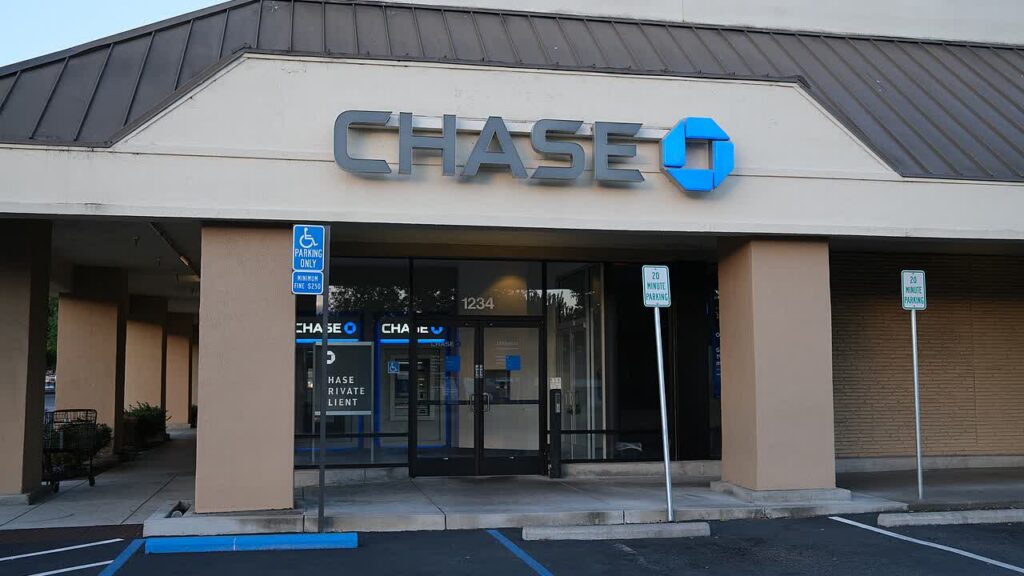
Chase made the announcement Thursday morning in a statement posted on X. The bank said the attack landed on outside vendors, not on its own systems. But the data those vendors held belonged to Chase customers, and the bank is only now telling the public about it.
What Chase Said on Thursday
“We have learned that third parties who provide services to the firm were the target of a cyber attack,” the bank said. “Based on our investigation so far, we believe the attackers accessed certain marketing data held by those vendors, which may include some customer names and email addresses. There is no disruption to our services.”
The bank added one more line, and it matters. “There is no connection to service disruption some customers experienced earlier this week.”
Chase says it will contact affected customers directly and offer support, including free credit monitoring where appropriate. What the bank has not said is just as important. It has not named the vendors. It has not said when the attack happened. And it has not said how many customers are affected.

Monday, They Said It Was a Bug
On Monday, November 16, Chase customers across the country woke up to an app that crawled. Balances stalled, transfers hung, and Zelle payments sat in limbo. Outage reports peaked at 4,829 just before 2 PM Eastern. Customers at other banks felt it too, whenever a payment touched Chase on either end.
Chase spokesman Joe Evangelisti explained that one on the record. The bank had hit a temporary problem caused by a software bug in one of its own hardware systems, and he said plainly that it was “not cyber-related.” We covered that story as it happened, and you can read our Monday report on the Chase bug and the nationwide delays for the full picture.
So the bank now has two stories running side by side. Monday was a bug inside the bank. Thursday is a hack outside the bank. Chase insists the two have nothing to do with each other, and no evidence made public so far proves otherwise. But the timing is doing the bank no favors, because of when the stolen files surfaced.



What the Posted Files Appear to Hold
The disclosure followed the work of a crew that calls itself n0n. The group posted files it says came from the attack, and researchers who examined those files count about 16,000 customer email addresses. Some records also carry phone numbers and account IDs. More than 100 bank employee email addresses appear in the files as well.
The records appear tied to the Chase Reserve card program. That is the bank’s invitation only card for its private bank clients, people who generally keep around 10 million dollars or more with the firm. In other words, the names in this leak belong to some of the wealthiest customers the bank has.
The cybersecurity firm SOCRadar identifies n0n as a financially motivated extortion group that surfaced in September of this year. Researchers note the group added the bank to its leak site on Monday, the same day the app went down across the country. The posted file is small, about 502 kilobytes, and nobody outside the group knows yet whether it is a sample or everything the attackers took. Chase has not confirmed the 16,000 figure, the Reserve connection, or the group’s role.
Visa and Mastercard Got Caught in It Too
Chase was not the only giant cleaning up on Thursday. Visa said one of its service providers in the Asia Pacific region was targeted. Visa says its own systems were not involved and there is no indication that payment data such as card numbers was affected.
Mastercard said an incident at one of its outside providers exposed a limited amount of email addresses belonging to a small subset of customers enrolled in a specific program. Mastercard says the exposure has been contained. The same group, n0n, has claimed responsibility for all three attacks.
None of the three companies says card numbers were taken. None says passwords were taken. What they describe is marketing data, the names and contact details companies keep for campaigns and programs. That sounds harmless until you think about what a criminal can do with a real name and a real email address.
What This Means for Your Money
Your account balance is not what got exposed here, based on everything the companies have said. The danger is the message that lands in your inbox next week. A scammer holding your real name and your real email address can write to you like he works at the bank. He can time it to this news. He can ask you to verify the very account he is trying to rob.
So treat any email about this breach with suspicion, even one that looks perfect. Do not click the links in it. Open the Chase app or type the bank’s address yourself and check there. Chase says it will contact affected customers directly, and it tells customers to forward suspicious email to phishing@chase.com. Turn on account alerts if you have not already, and watch for the credit monitoring offer if a letter or email from the bank reaches you.
For Black households, this is the part that stings. Our communities already carry the heaviest load of fraud attempts and the least margin for a drained account. A leak like this one hands scammers a head start, and the bank’s answer so far is a short statement and a promise to reach out.
The Questions Chase Has Not Answered
Three days separated a bug from a breach announcement. The bank still has not said which vendors were hit, when the attackers got in, or how many customers are in the files. Until it does, customers are left to trust a statement that runs four sentences long.
We will update this story as Chase answers, or as the files tell more of the story themselves. More coverage of the stories moving your money lives under our News tab and on the front page at urbancitypodcast.com.