

6 min read
Major Takeaways
Twenty attorneys general told Wells Fargo on Wednesday that its Black homeownership programs are lawful.
Their letter answers a federal probe that questions help built for Black and Hispanic borrowers.
The programs have roots in a law Congress shaped in 1976 to open credit after discrimination.
Black homeownership fell last year while white homeownership rose, and the gap grew wider.

Black homeownership is now at the center of a fight between state leaders and federal housing officials.
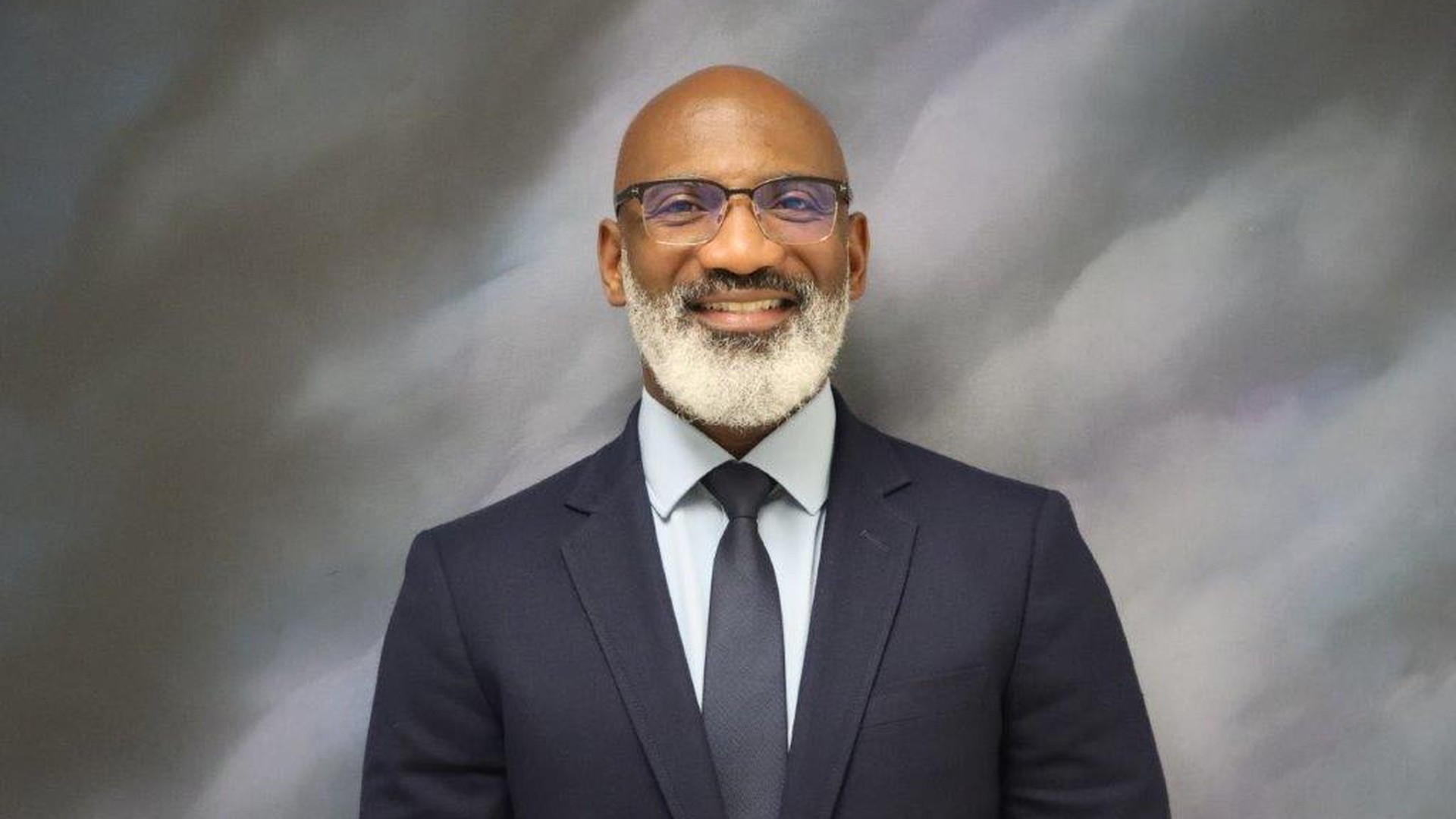
Attorney General Anthony G. Brown of Maryland led a coalition of 20 attorneys general in a letter sent to Wells Fargo on Wednesday, November 18, 2026.
The letter defends programs that advance racial equity in access to credit and homeownership.
It also warns the bank that state fair housing and lending laws still apply in full.
For Black families, this is not an abstract legal dispute in Washington.
It is a fight over refinance help, homebuying counseling, and grants that can decide who gets a home and who keeps paying rent.
1. Black Homeownership Programs Face a Federal Probe
The letter answers an investigation opened by the Department of Housing and Urban Development.
On October 7, 2026, the department told Wells Fargo it would probe the bank and its Special Purpose Credit Program.
Federal officials question whether the bank offered different products or terms based on race.
Assistant Secretary Craig Trainor wrote that the programs imported racial discrimination into the housing market.
Secretary Scott Turner called the practice of dividing Americans based on race immoral and unethical.
The bank declined to comment when the probe became public in October.
An investigation is not a finding of wrongdoing, and no charge has been filed in this case.
Still, the probe puts every similar program at other banks under a cloud as well.
A senior federal official has said the department is reviewing similar programs at other banks.

2. What the Bank Promised Black Borrowers
Wells Fargo built these programs after years of criticism over its treatment of Black borrowers.
In 2017, the bank pledged 60 billion dollars in lending to create at least 250,000 African American homeowners by 2027.
In April 2022, it created its Special Purpose Credit Program for Black and Hispanic borrowers.
The program offers targeted refinance assistance, homebuying counseling, and grants.
Its stated goal was to eliminate systemic racial inequalities that persist in housing and lending markets.
The 2022 step followed a news analysis that found the bank turned down more than half of Black refinance applicants in 2020.
It also followed a hard history that the new letter lays out in detail.
In 2012, the bank settled a federal case for 175 million dollars over claims it steered qualified Black and Hispanic borrowers into subprime loans.
That settlement included 125 million dollars in damages and 50 million dollars in direct down payment assistance.




3. The Letter Says This Help Has Been Lawful for 50 Years
The coalition told the bank that these programs have been lawful for 50 years.
When Congress amended the Equal Credit Opportunity Act in 1976, it barred discrimination in credit based on race and national origin.
At the same time, Congress authorized lenders to run Special Purpose Credit Programs.
The letter says properly designed programs do not inherently violate the federal Fair Housing Act.
It also says such programs can comply with other civil rights laws.
The attorneys general argue that no single federal agency can declare these programs unlawful on its own.
They add a sharper point for lenders weighing whether to walk away.
In some cases, the letter says, failing to address ongoing disparities may itself count as discrimination under state and federal law.
The coalition also reminded the bank that state laws can demand more of lenders than federal law does.
That duty grows stronger where a lender carries its own record of discrimination.
Attorneys general from Arizona, California, Colorado, Connecticut, Delaware, Hawaii, Illinois, Maine, Massachusetts, Michigan, Minnesota, Nevada, New Jersey, New Mexico, New York, Oregon, Virginia, and Washington joined the letter, along with the District of Columbia.
4. The Gap These Programs Were Built to Close
The numbers behind this fight explain why the programs exist at all.
In the third quarter of 2026, 44.4 percent of Black householders owned their home.
That rate fell from 45.7 percent a year earlier.
White homeownership rose over the same stretch, reaching 75.1 percent from 74.0 percent.
The gap between white and Black homeownership now stands at 30.7 points.
Research cited in the letter puts the wealth stakes in plain terms.
In 2022, the average net worth of a white household was 1.4 million dollars.
The average net worth of a Black household was 211,600 dollars.
The letter also notes that two thirds of the net worth growth in Black households from 2013 to 2022 came from home equity.
When Black families are kept out of ownership, that wealth engine stalls for a generation.
The letter further cites estimates that homes in mostly Black neighborhoods have been undervalued by as much as 156 billion dollars in lost equity.
Our coverage of the widening Black wealth gap shows how quickly those losses compound.
High borrowing costs add to the strain, as our report on interest rates and Black families made clear this fall.
5. What Happens Next for Black Families
The probe will move forward, and the bank must now answer federal questions about its programs.
Federal officials have said initial information requests would follow, and charges or a referral remain possible outcomes.
None of that has happened yet, and families should not assume the help is already gone.
The state letter gives the bank legal backing to keep its programs in place while the probe runs.
It also puts other lenders on notice that state leaders are watching this case closely.
If banks retreat from these programs out of caution, Black borrowers will feel it first at the refinance desk and the closing table.
If the programs hold, they remain one of the few tools aimed squarely at a gap that grew again this year.
Either way, the outcome will shape Black homeownership far beyond one bank.
Follow the latest coverage in our News section as this fight develops.