
6 min read
Black voters have already made this election historic.
Before one Election Day ballot is cast, records have fallen.
In state after state across the South, Black turnout surged early.
The surge arrived after courts weakened voting protections.
It arrived after lawmakers redrew maps to dilute Black power.
Black voters answered with long lines, marches and record numbers.
Major Takeaways
- Louisiana Black voters cast 179,094 early ballots and made up 34.4 percent of the early vote.
- North Carolina Black voters cast about 48 percent more early ballots than at the same point in 2022.
- Georgia cast about 2.81 million early ballots, a midterm record, with Black voters near one third of the count in late October.
- About 30.65 million Black Americans are eligible to vote this year, up 1.65 million since 2022.
- Early ballots show who showed up. They do not show how anyone voted.
- Election Day is Tuesday, November 3, and control of Congress is at stake.
Louisiana Answers a Weaker Law With a Record Turnout
Louisiana closed early voting with 520,942 ballots cast.
The total covers in person ballots and returned absentee ballots through October 27.
It beat the 377,428 early ballots cast in the 2022 midterm.
Black voters cast 179,094 of those ballots.
That is 34.4 percent of the whole early electorate.
The share stood near 26 percent in 2022.
It stood at 25.5 percent in the 2024 presidential race.
Only the 2008 cycle, at about 36 percent, sits higher in modern comparisons.
The old Black early ballot record stood near 156,000.
This year blew past it by more than 23,000 ballots.
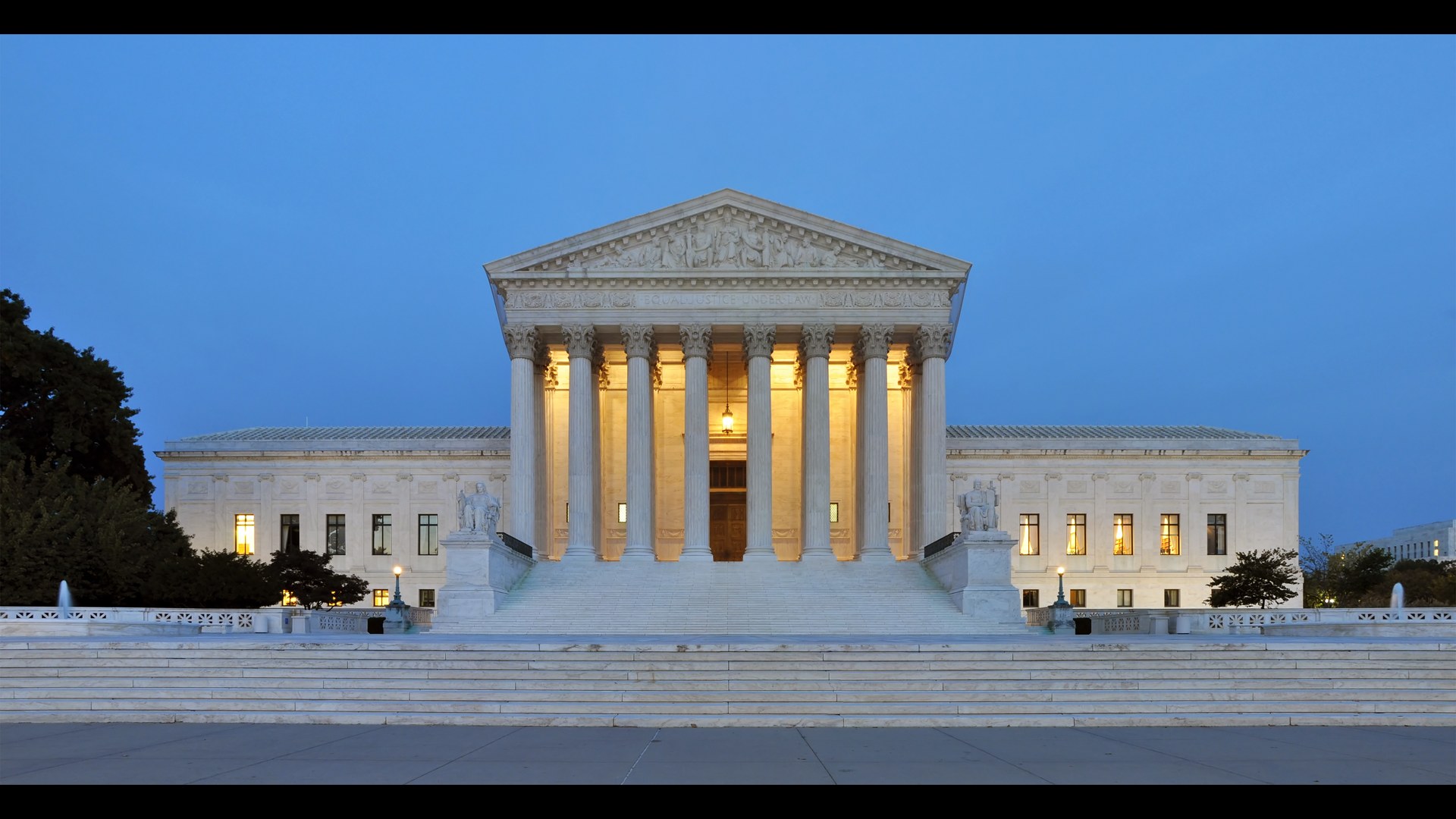
This is the first federal cycle since the Supreme Court ruling in Louisiana v. Callais.
The ruling weakened Voting Rights Act protections against maps that discriminate by race.
Louisiana then redrew its congressional map.
The state went from two majority Black districts to one.
Ashley Shelton leads the Power Coalition in New Orleans.
“Early voting, so far, has been off the charts,” Shelton said.
She said Callais absolutely played a factor in the turnout.
Orleans, East Baton Rouge and Jefferson parishes powered the numbers.
Voters in those three parishes cast nearly 69,000 Black early ballots.
That is more than 38 percent of all Black early ballots statewide.
The Senate ballot carries history too.
Jamie Davis, a Black Democrat and farmer, seeks a Senate seat.
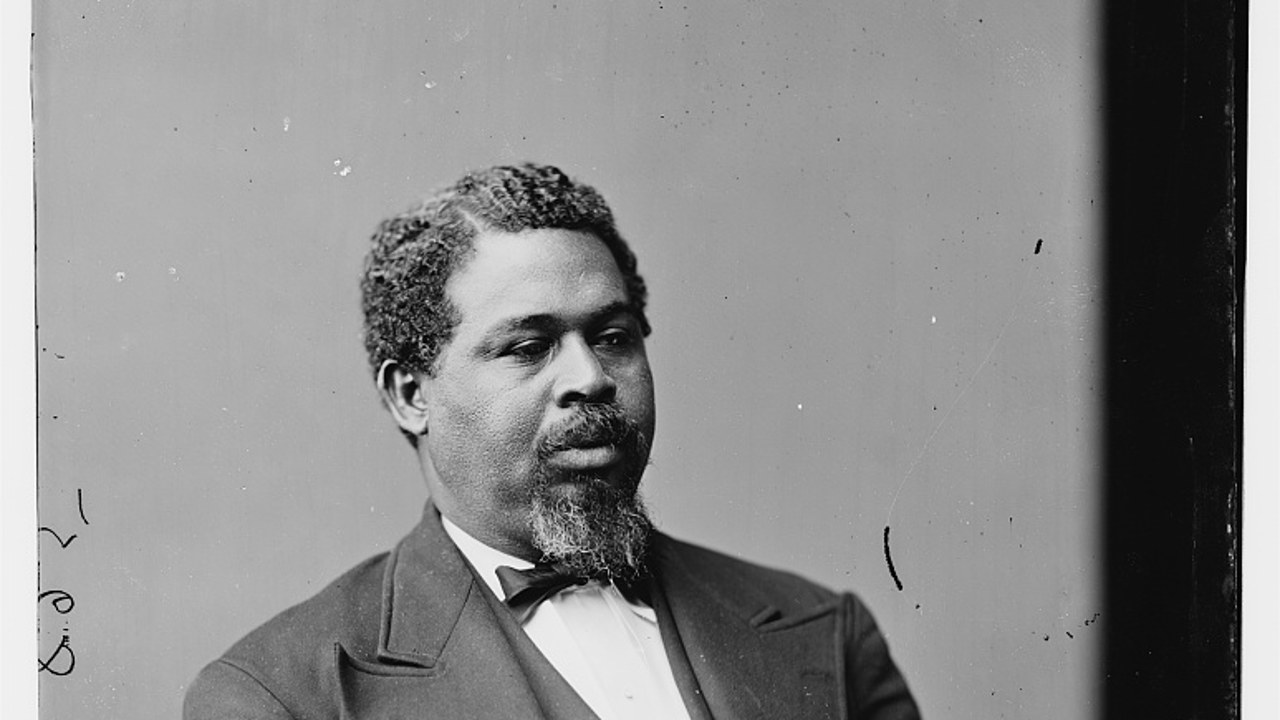
He would be the first Black man elected to statewide office in Louisiana since Reconstruction.
Davis faces Republican Julia Letlow for the seat held by Bill Cassidy.
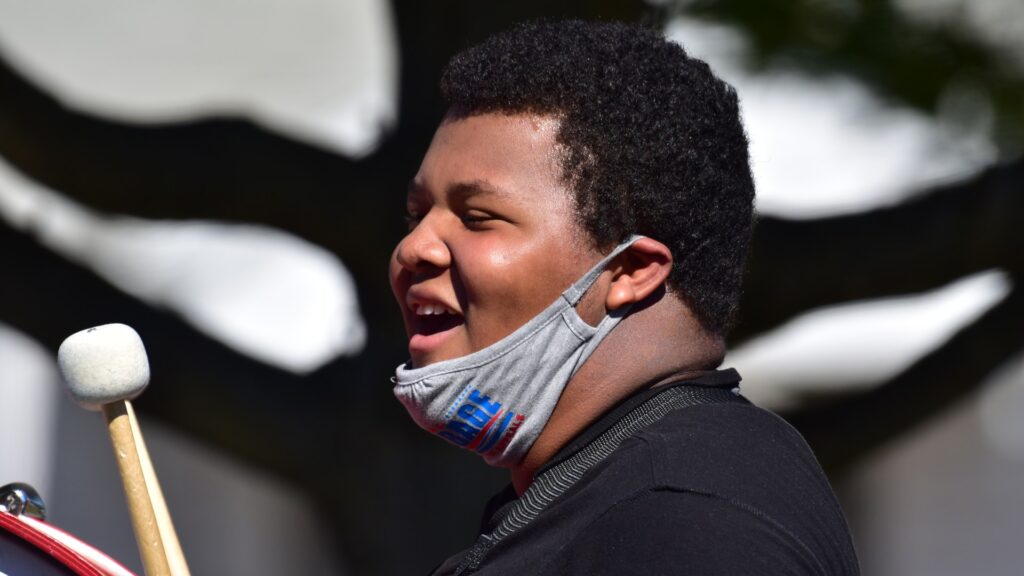
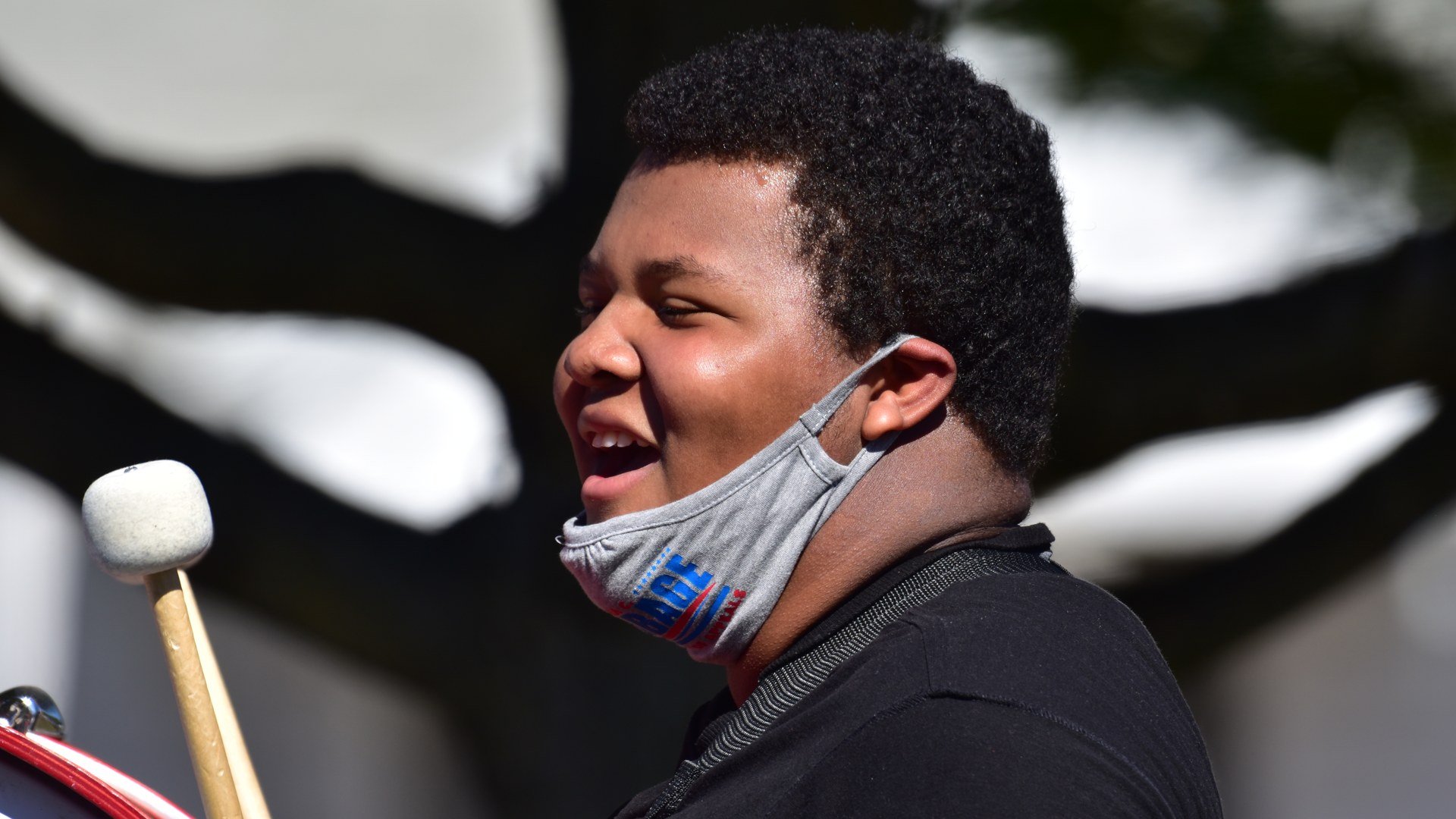
Southern University students marched in a second line to the polls in Baton Rouge on the final day.
Black Early Voting Faces a Redrawn Map in North Carolina
North Carolina counted 2,816,821 early ballots through October 31.
That is about 31 percent more than at the same point in 2022.
Black voters cast about 48 percent more early ballots than in 2022.
Black voters made up about 22.4 percent of the early electorate.
The share stood at 18.7 percent four years ago.
Black North Carolinians are a little more than 19 percent of registered voters.
They still produced nearly 22 percent of all ballots cast so far.
Lawmakers approved new congressional lines in October 2025.
In the First District, the Black voting age population fell from about 40.4 percent to 32.3 percent.
A federal court allowed the new map to govern this election.
Democrat Don Davis faces Republican Laurie Buckhout in that district.
Davis beat Buckhout by about 6,300 votes in 2024 under the old lines.
Students are part of the surge story.
At North Carolina A&T in Greensboro, students organized a march to vote early.
Local officials had removed a polling place from their campus.
Georgia Breaks Its Own Midterm Record
Georgia early voting ran from October 13 through October 30.
The state counted 2,810,170 early ballots in all.
The total includes 118,329 absentee ballots returned.
It beat the old midterm early record of about 2.5 million from 2022.
Day one alone drew 188,667 in person voters.
The first day mark in 2022 was 134,962.
Black voters cast more than 36 percent of first day ballots.
By October 26, Black voters had cast 587,756 ballots.
That was 33 percent of the 1.78 million ballots counted by then.
Final counts through Thursday put the Black share near 30 percent.
An analysis of state data found more than 630,000 early voters who sat out 2022.
Black voters made up a substantial share of that new group.
Georgia voters are choosing a senator and a governor on Tuesday.
Senator Jon Ossoff faces Representative Mike Collins.
Keisha Lance Bottoms faces Rick Jackson in the open governor race.
Voting With Necessity, Not Trust
A recent Black Census survey found a striking split.
About 95 percent of respondents said they intended to vote.
Only 3 percent said they trust the federal government.
Joseph Williams moderated an October 28 voter forum on the midterms.
“People always talk about how Black votes are very important,” Williams said.
“Now it seems we Black voters are determined to prove it.”
Panelists pointed to kitchen table pressure.
Ameshia Cross noted that more than 700,000 Black women have lost jobs since 2025.
Dr. Christina Madison added that about 300,000 Black men have lost jobs as well.
Health care sits on the ballot too.
Madison said patients skip medication to pay for groceries or gas.
She warned that coming Medicaid changes will hit Black Americans the hardest.
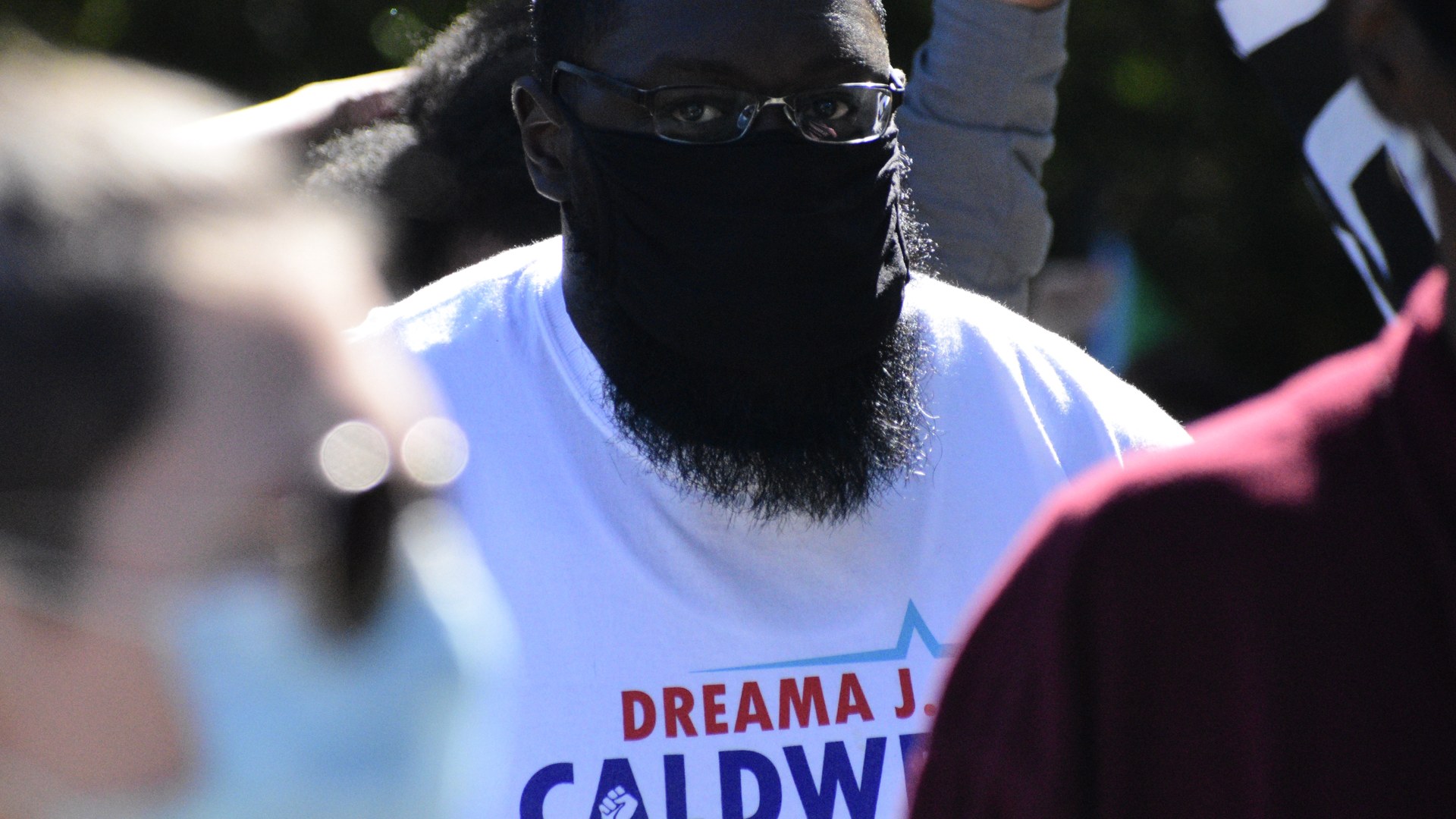
JaRel Clay of the HipHop Caucus framed the closing argument.
“This loyalty to any party without accountability is not power,” Clay said.
“We are not red people, we’re not blue people, we are Black people.”
What Tuesday Will Decide
Early numbers measure participation, not preference.
Party registration does not reveal how a ballot was cast.
Election Day turnout in Republican leaning counties could shift any of these states.
More than 54 million Americans had voted early by Monday.
Control of Congress for the final two years of this presidency is at stake.
The fight over the California voter list shows the legal battles running beside the turnout story.
In Michigan, a late endorsement shakeup showed how fast this cycle can turn.
Polls open Tuesday morning across the South.
Anyone standing in line when polls close can still cast a ballot.
Follow every result and every new development in our News coverage.
Black voters have already spoken in record numbers before Tuesday.
Tuesday will show what that record was worth.