
4 minute read
For thirty years, the most famous interview in hip hop sat in pieces. On Friday, November 27, the rest of it finally played for the world.
The Tupac Tapes with Angie Martinez arrived on Netflix as a four episode video podcast built around a conversation recorded in 1996, only months before Tupac Shakur was killed. Martinez was 25 years old and rising at New York radio station Hot 97 when Tupac invited her to his Los Angeles home. He had New York pizza waiting when she arrived, a gesture meant to make her feel at home. Then the tape rolled for close to two hours, and Tupac said things that would stay locked away for three decades.
Back in New York, Martinez aired about twelve minutes of the conversation, the portion where Tupac made clear his grievances were not aimed at an entire coast. Then she took a razor blade to the tape itself and cut the volatile sections out by hand. She believed airing them could hurt people, damage relationships and pour fuel on a coastal feud that was already turning deadly. The cut reels spent years in boxes in her laundry room before the recordings were digitized and moved to a secure vault.
“For a long time, I didn’t feel comfortable releasing the tapes,” Martinez said of the decision that followed her for her entire career.
What the tapes hold
What she cut out is not small. On the tapes, Tupac repeats his claim involving Faith Evans, the wife of The Notorious B.I.G. at the time, and gives it a specific timeline tied to his release from prison. Evans has always denied the claim, and voices in the series say it never happened. He threatens Mobb Deep in graphic terms. He revisits the 1994 Quad Studios shooting and his fallout with Stretch, the former friend he believed betrayed him that night. He talks about Suge Knight and the message sent from the stage of the 1995 Source Awards. He calls the then unreleased Hit ’Em Up a beautiful song.
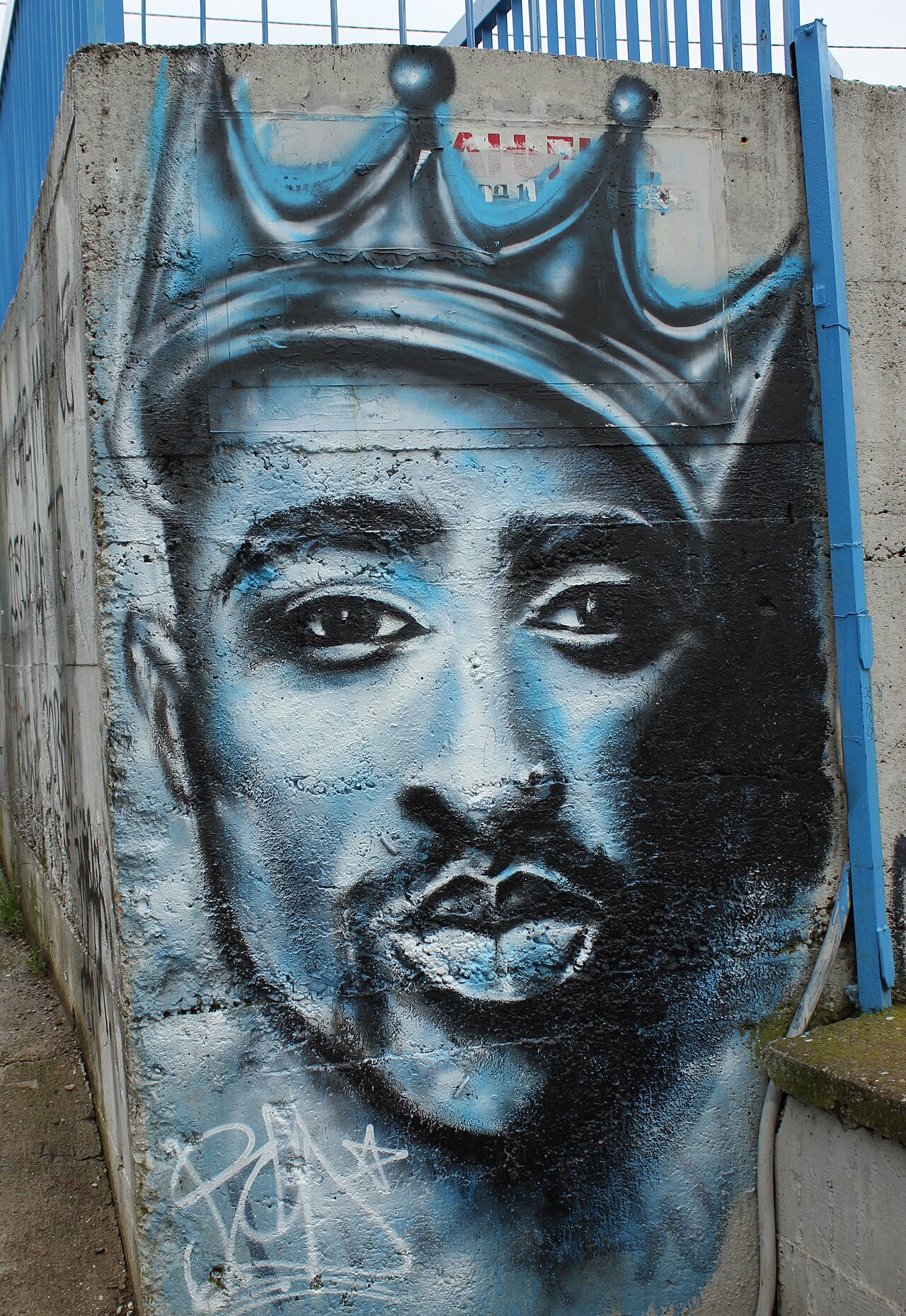
But the tapes also hold the other Tupac, the one who talked about building. He lays out plans for Death Row East. He talks about pushing extortionists out of hip hop so the money the culture generates can rebuild Black communities. He argues that rappers should chase real money instead of small stages, then use that money to fund community sports leagues and build the world they want to live in. It is the voice of a young man who believed hip hop could finance freedom, recorded months before his life ended.
The take for the culture
The first lesson is about context. Martinez did not simply dump the audio. The series plays the original recording alongside conversations with fifteen people who lived that era, including RZA, Charlamagne Tha God, Joe Budden, Big Boy, Ed Lover, Monie Love, Wallo and dream hampton. Lil Cease, who stood on the other side of the feud, is in the room. E.D.I. Mean of the Outlawz is in the room. The framing is the point. History this volatile deserves witnesses, not just clips.
The second lesson is about the clip economy the culture lives in now. Within hours of the premiere, short clips of the most explosive claims were already flying across social media, stripped of every bit of that framing. That is exactly the outcome Martinez feared in 1996, except the razor blade has been replaced by the share button. The tapes prove her caution was not weakness. It was an editorial standard that much of today’s media has abandoned, and the culture pays for that abandonment every time a fifteen second clip starts a fire nobody can put out.
The third lesson is preservation. These tapes sat in a laundry room. A flood or a fire could have erased one of the most important primary sources in hip hop history. Black media archives are full of interviews, footage and recordings sitting in closets and garages right now. Digitizing and protecting that material is not nostalgia work. It is how a culture keeps custody of its own story.

Moving forward
So what does hip hop do with this moment? It listens to the whole thing before it argues about the pieces. It credits the woman who carried the weight of that decision for thirty years, and it studies her standard the next time a microphone captures something that could hurt people. And it takes seriously the part of Tupac that too many tributes skip, the young man on those tapes talking about money as a tool, about leagues for kids, about building communities with the wealth the culture creates.
Thirty years ago a young radio host decided that protecting people mattered more than owning the biggest exclusive in music. On Friday, she decided the culture was finally ready to hear the rest. The least the culture can do is prove her right.
Major Takeaways
- The full 1996 interview is public for the first time, released as a four episode Netflix series on November 27.
- Martinez aired twelve minutes in 1996 and cut the rest from the tape by hand, fearing it could get people hurt.
- The tapes mix explosive claims with Tupac’s vision for using hip hop money to rebuild Black communities.
- The series frames the audio with voices who lived the era, a model for releasing volatile history with context.