6 min read
Major Takeaways
Federal officials found 12.6 billion dollars in funding gaps at Black land grant universities across 16 states between 1987 and 2020.
A new legal effort called the 1890 Project sued Missouri for about 549 million dollars over the funding of Lincoln University.
Students in Maryland sued for 6 billion dollars over the funding of the University of Maryland Eastern Shore.
Both cases rest on an 1890 law that promised equitable funding for the separate colleges states built under segregation.
The outcome will shape labs, farms, classrooms and research at 19 Black land grant schools for years to come.
A promise made in 1890 is now being tested in federal court. Black colleges that were created because segregation barred Black students from state universities are demanding the funding that law promised them more than a century ago.
The fight centers on money states owed and never paid. It is now moving on two tracks at once, through lawsuits filed by students and through a small team of lawyers who say negotiation comes first and litigation comes last.
An Old Law With A Clear Promise
The Second Morrill Act of 1890 gave states a choice. States that received federal land grant funds had to admit Black students to their existing universities or build separate institutions for them.
Most segregated states chose separation. The law required a just and equitable division of funds between the schools.
That word equitable is the heart of every case now being filed. Advocates say state budgets told a different story for generations, with more money per student flowing to the larger white institutions year after year.
Nineteen historically Black colleges and universities sit inside the 1890 land grant system today. Their work runs from agriculture and food research to engineering, teaching and community health.
Five Men Take On Missouri First
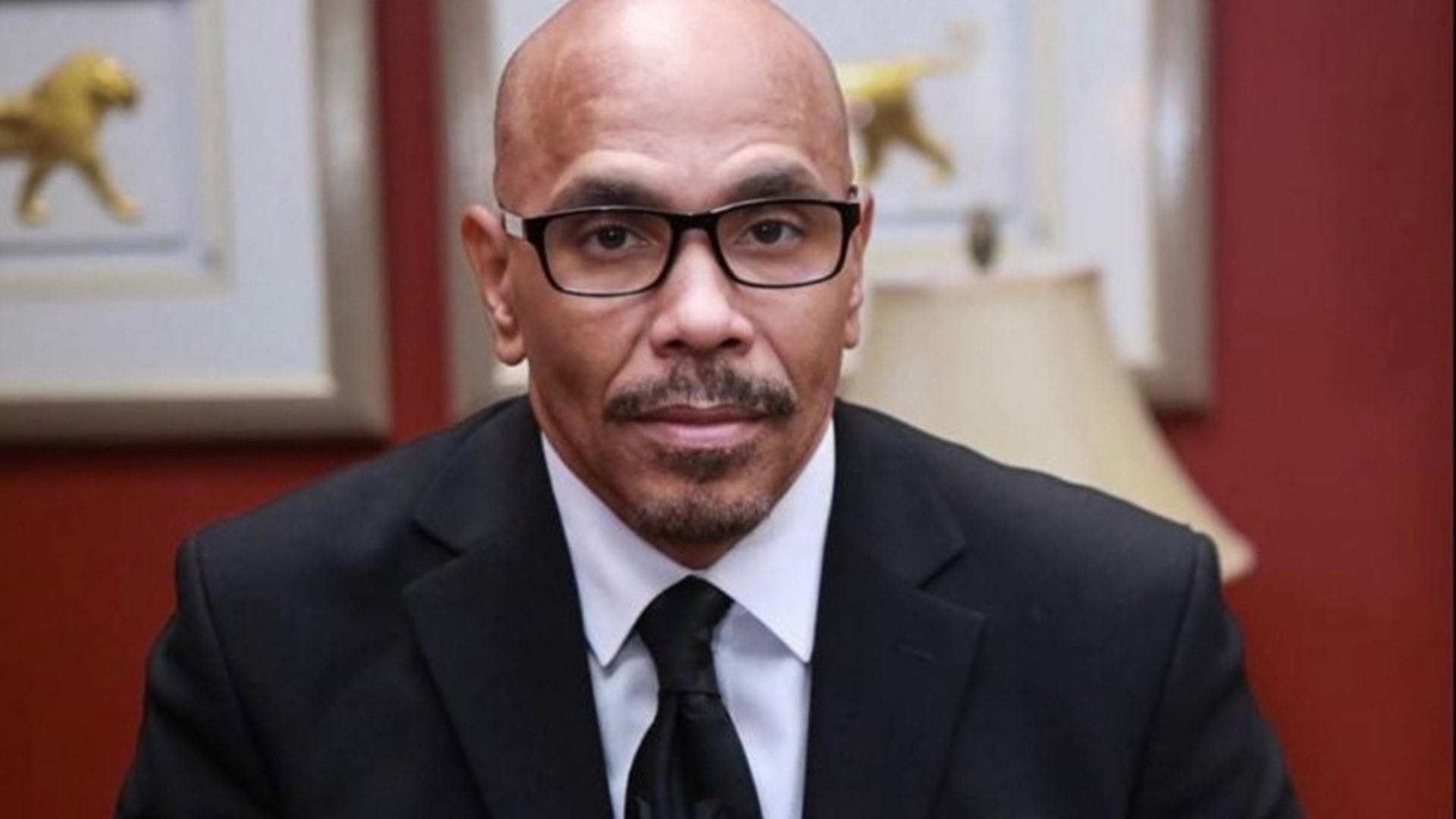
The 1890 Project is an independent group of five lawyers and advocates, most of them with ties to St. Louis. Its founder and lead counsel is Donald Calloway Jr., a former state representative.
Calloway describes the mission plainly. The group intends to win back the underfunding of 1890 institutions by legislation, by negotiation or by litigation.
Their first lawsuit was filed on October 7 on behalf of seven current and former Lincoln University students. It seeks roughly 549 million dollars for a remedial fund supervised by the court.
Lincoln carries a proud origin story. Black Civil War veterans founded the school in 1866, and it later became Missouri’s Black land grant institution.
Federal officials put Missouri’s funding gap for Lincoln at 361.6 million dollars between 1987 and 2020. The lawsuit says the state made no designated matching appropriations from 2000 through 2007 and only partial matches from 2008 through 2021, with shortfalls continuing in 2023 and 2024.

Maryland Students Ask For 6 Billion Dollars
A second front opened in Maryland on October 26. Two students at the University of Maryland Eastern Shore and an advocacy group called ForUMES Inc. filed an amended complaint of 48 pages in federal court.
The students are Chad Lance and Andre Cooper. The suit names Governor Wes Moore and other state higher education officials as defendants, while the university itself is not a plaintiff.
The complaint seeks 6 billion dollars. It argues that Maryland violated federal land grant laws, the Equal Protection Clause of the 14th Amendment and the Civil Rights Act of 1964.
The filing calls the Eastern Shore campus a woefully underfunded stepchild of the state university system. It says decades of unequal funding limited academic offerings, research opportunities, agricultural programs and campus improvements.
Federal officials told Maryland in 2023 that the state had underfunded the campus by about 321 million dollars between 1987 and 2020. The plaintiffs want equitable funding in the future and an independent governing board for the university.
The governor’s office declined to comment on the pending litigation. It pointed to recent state investment, noting that funding per student rose from 19,640 dollars in fiscal 2022 to more than 26,000 dollars in each of the three years that followed.
The Maryland case also lands five years after the state paid a 577 million dollar settlement. That deal ended a legal battle of 15 years over inequities at the state’s four public Black colleges.
Why This Fight Reaches Every Black Household
These are not abstract budget disputes. Land grant universities train the teachers, agronomists, nurses and engineers who serve Black communities every day.
Their extension programs reach farmers and small towns that larger universities often overlook. When funding falls short, the loss shows up as older labs, delayed repairs and research that never gets done.

Students feel the gap in practical ways. Fewer course offerings can delay graduation, and thinner research funding can close doors to graduate study and good jobs.
The cases also test a basic question of accountability. If a state accepted federal money under a promise of equity, who enforces that promise when the state falls short for decades?
Negotiation, Politics And What Comes Next
Calloway says lawsuits are a tool of last resort. His group says it is already in negotiations with several 1890 institutions and hopes talks with state attorneys general will move lawmakers to act without more court fights.
The group has also announced outreach in Georgia. Federal officials identified a 603 million dollar funding disparity involving Fort Valley State University there.
The lawyers insist the issue crosses party lines. They note that an executive order signed in April 2025 in support of Black colleges encourages states to meet their matching fund obligations.
No settlements or court victories have been announced yet. The Missouri case remains the only filed case from the 1890 Project, and the Maryland case is still in its early stages.
Still, the direction is clear. What began as a line in a federal report is becoming a national legal campaign, one state at a time.
Readers following our politics coverage can revisit this morning’s look at the 100 day agenda Black women set for the new Congress and our report on the permitting bill that split hopes for homes and clean air. More coverage lives in our Big Back Politics section.
For Black families, the stakes are simple. Colleges built on a promise deserve the funding the promise carried, and this generation of students is asking the courts to collect.