6 min read
Major Takeaways
- King Charles begins a Caribbean tour on October 27 that runs through November 4.
- Caribbean nations want slavery reparations placed on the Commonwealth summit agenda.
- The palace says the King will not dodge the past but will offer no formal apology.
- Jamaica has taken its case to a top court with a hearing expected in March 2027.
- Advocates in Guyana and Antigua plan to press the demand at every stop.
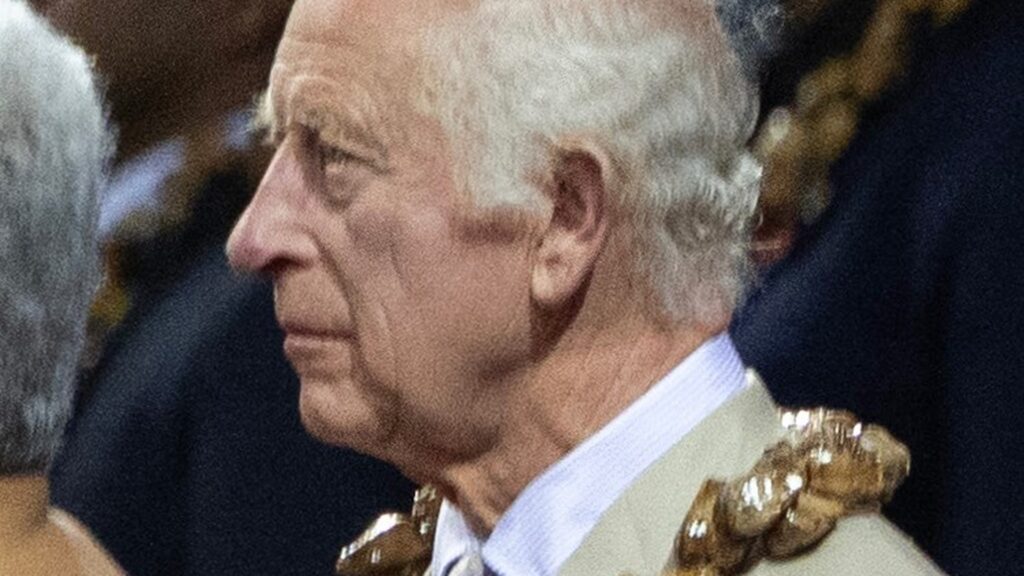
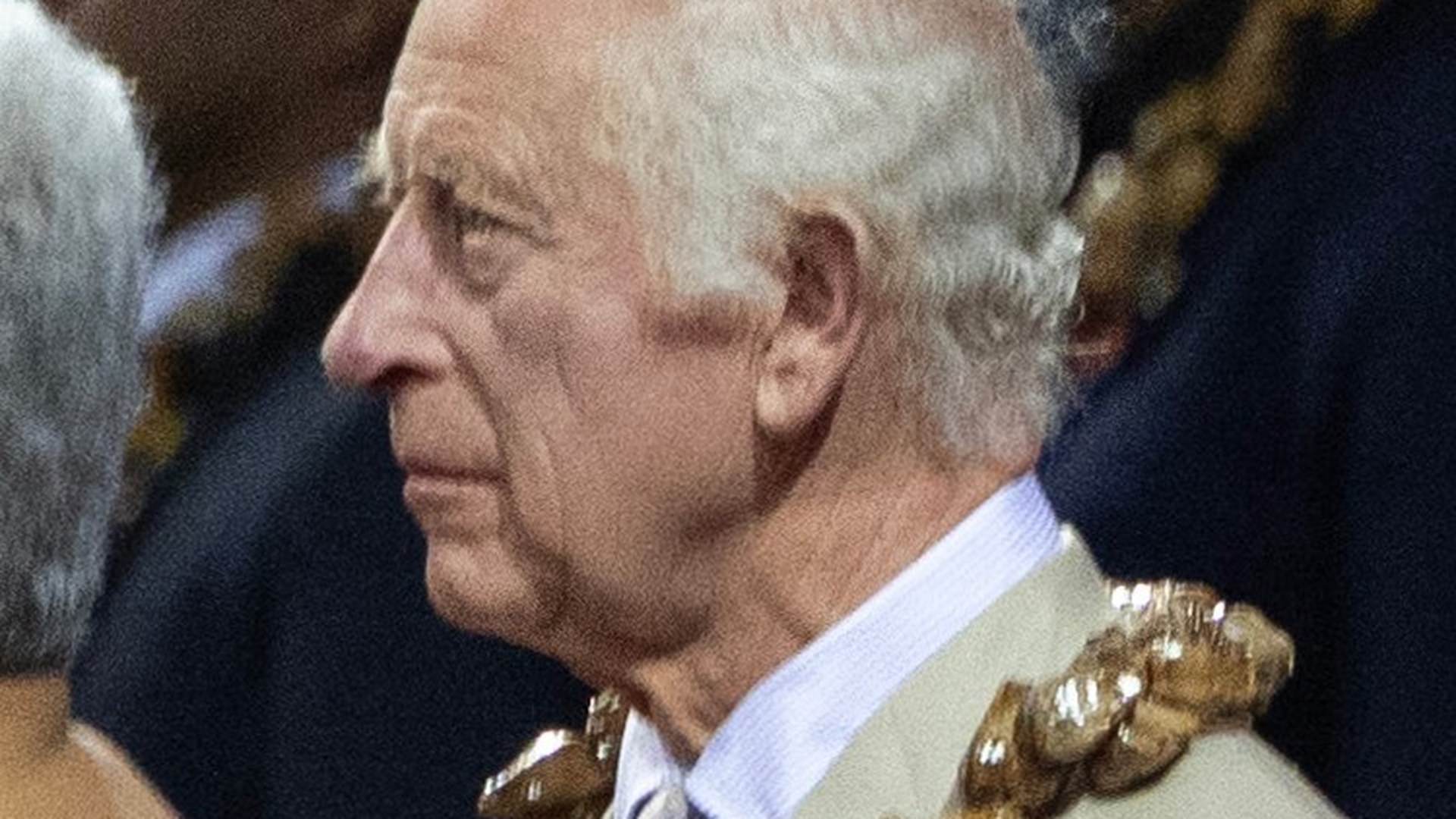
The push for slavery reparations follows King Charles across the Caribbean this week.
His tour opens Tuesday in the Bahamas and runs through November 4.
Island leaders say talk of partnership rings hollow without justice for slavery.
That tension gives this royal trip a weight far beyond ceremony.
For Black families across the diaspora the question is deeply familiar.
What does a nation owe the descendants of people it enslaved?
Slavery Reparations Follow the King at Every Stop
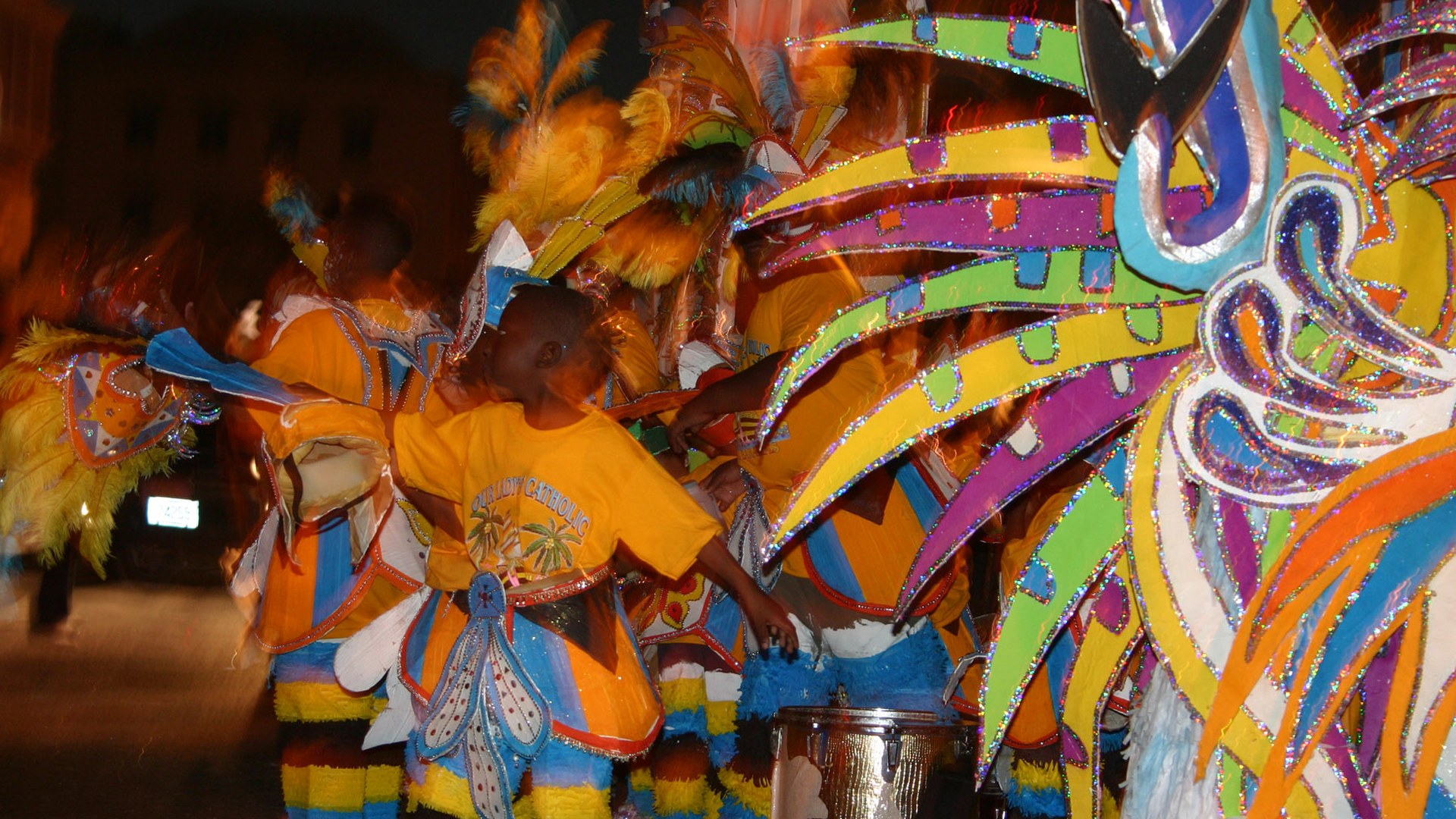
The King spends October 27 to 29 in the Bahamas.
He then travels to Guyana for October 29 and 30.
Queen Camilla joins him in Antigua and Barbuda from November 1 to 4.
There they attend the Commonwealth Heads of Government Meeting.
The Commonwealth counts 56 nations and some 2.7 billion people.
Most of its members are former British colonies.
Charles remains head of state in the Bahamas and in Antigua and Barbuda.
In Guyana he meets President Irfaan Ali and Indigenous leaders.
His program there lifts up biodiversity and rainforest conservation work.
He last visited Guyana 26 years ago as Prince of Wales.
This time reparations advocates plan to greet him with a demand.
What Caribbean Leaders Are Demanding
CARICOM said last month it will push reparations onto the summit agenda.
The group counts 23 member and associate states across the region.
Its members include the Bahamas and Barbados and Jamaica.
Secretary General Carla Barnett framed the demand in moral terms.
“The Caribbean has consistently asserted that reparations is fundamentally about justice,” Barnett said.
“It is about recognition, accountability and transformation,” she said.
She spoke of building a just future for the descendants of the enslaved.
Those ancestors endured untold suffering and loss of life and freedom.
Professor Hilary Beckles chairs the CARICOM Reparations Commission.
He has appealed directly to Charles to back serious reparations talks.
Commonwealth Secretary General Shirley Botchwey echoed the call last week.
She said the time had come for talks about reparations.
That repair could be financial or take forms like returning artefacts.
Asked about a royal apology she answered plainly.
“It would not hurt to have that,” Botchwey said.
Guyana and Jamaica Raise the Stakes
Eric Phillips leads the reparations committee in Guyana.
He also serves as a vice chair of the CARICOM commission.
Phillips has called on the King to offer an apology.
He wants Charles to advance a serious talks process on justice.
Jamaica meanwhile has moved the fight into the courtroom.
In September Jamaica petitioned the King on three legal questions.
The petition asks whether carrying Africans to Jamaica was lawful.
It asks whether enslavement was a crime against humanity.
It asks whether Britain owes restitution for slavery and its effects.
Charles referred the petition to the Judicial Committee of the Privy Council.
Jamaica says a hearing is provisionally set for the week of March 8 in 2027.
A court opinion alone would not force Britain to pay.
But it could shape talks and set a precedent for other nations.
Historian Brooke Newman argues the Crown belongs at the center of this story.
Her research presents the monarchy as an architect and beneficiary of the trade.
Sorrow Without a Formal Apology
Buckingham Palace says the King will not shy away from the past.
Officials call that history the darkest days of our past.
Yet the palace confirms there will be no formal apology.
British government policy also rules out financial reparations.
A palace spokesperson pointed to the King and his record.
“It is important to note here the work his majesty himself has done,” the spokesperson said.
That work aims to acknowledge past wrongs and right enduring inequalities.
At the 2022 Commonwealth meeting Charles voiced deep personal sorrow over slavery.
Sorrow though is not the apology Caribbean leaders keep requesting.
The numbers behind the demand are staggering on their own.
At least 12.5 million Africans were abducted and sold into slavery.
Britain transported an estimated 3.2 million of those men and women and children.
Only Portugal moved more enslaved Africans across the Atlantic.
Read how a similar fight over Black political power is unfolding in the Louisiana hearing over the last Black district at home.
The Summit in Antigua Will Test the Words
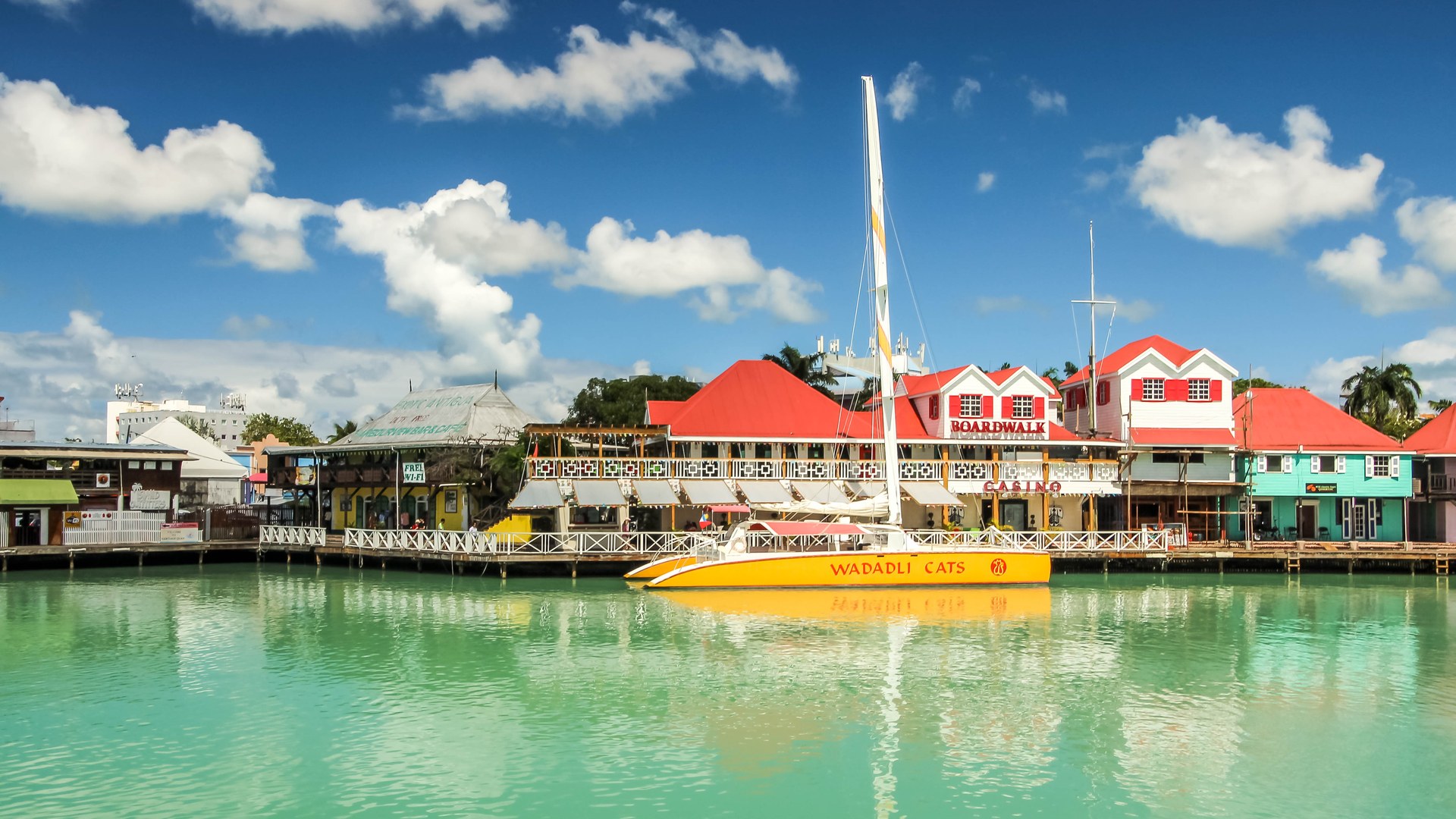
Commonwealth leaders gather in Antigua from November 1 to 4.
The summit theme promises partnerships and investment for a prosperous Commonwealth.
Its agenda centers on climate resilience and trade and equality.
Reparations has no dedicated official session on that agenda.
Advocates say they will raise it throughout the gathering anyway.
The Antigua and Barbuda reparations commission is planning its own program.
It includes launching a Global Reparations Caravan on November 3.
The symbolism is hard to miss for anyone watching closely.
A king speaks of a shared future on islands built by enslaved hands.
The descendants of those hands are asking what that future costs.
See our coverage of students who marched miles to vote for another look at that resolve.
Why This Fight Matters in the United States
Black Americans know this argument because it lives here too.
The wealth built on enslaved labor did not stop at any shoreline.
It shaped banks and ports and universities across the Atlantic world.
So a Caribbean win would echo far beyond the islands.
It would strengthen every descendant still asking for repair at home.
A flat refusal would send the opposite message just as far.
That is why this tour deserves more than royal watching.
Watch what Charles says in Nassau and Georgetown and St Johns.
Watch whether summit leaders force reparations into the final statement.
And watch Jamaica and its court case as March draws closer.
Browse more stories that matter in our news coverage all week long.
The ceremonies will be warm and the photographs will be bright.
The question underneath them is centuries old and still unanswered.
Justice delayed across an ocean is still justice delayed.