7 min read
Major Takeaways
Hakeem Jeffries used a Friday interview to name his first priorities.
Affordability sits at the top of the agenda he described.
He vowed a push to end the war in Iran.
He said Defense Secretary Pete Hegseth has got to go.
He stopped short of promising an impeachment vote against Hegseth.
Black voting membership in the House dipped even as power rose.
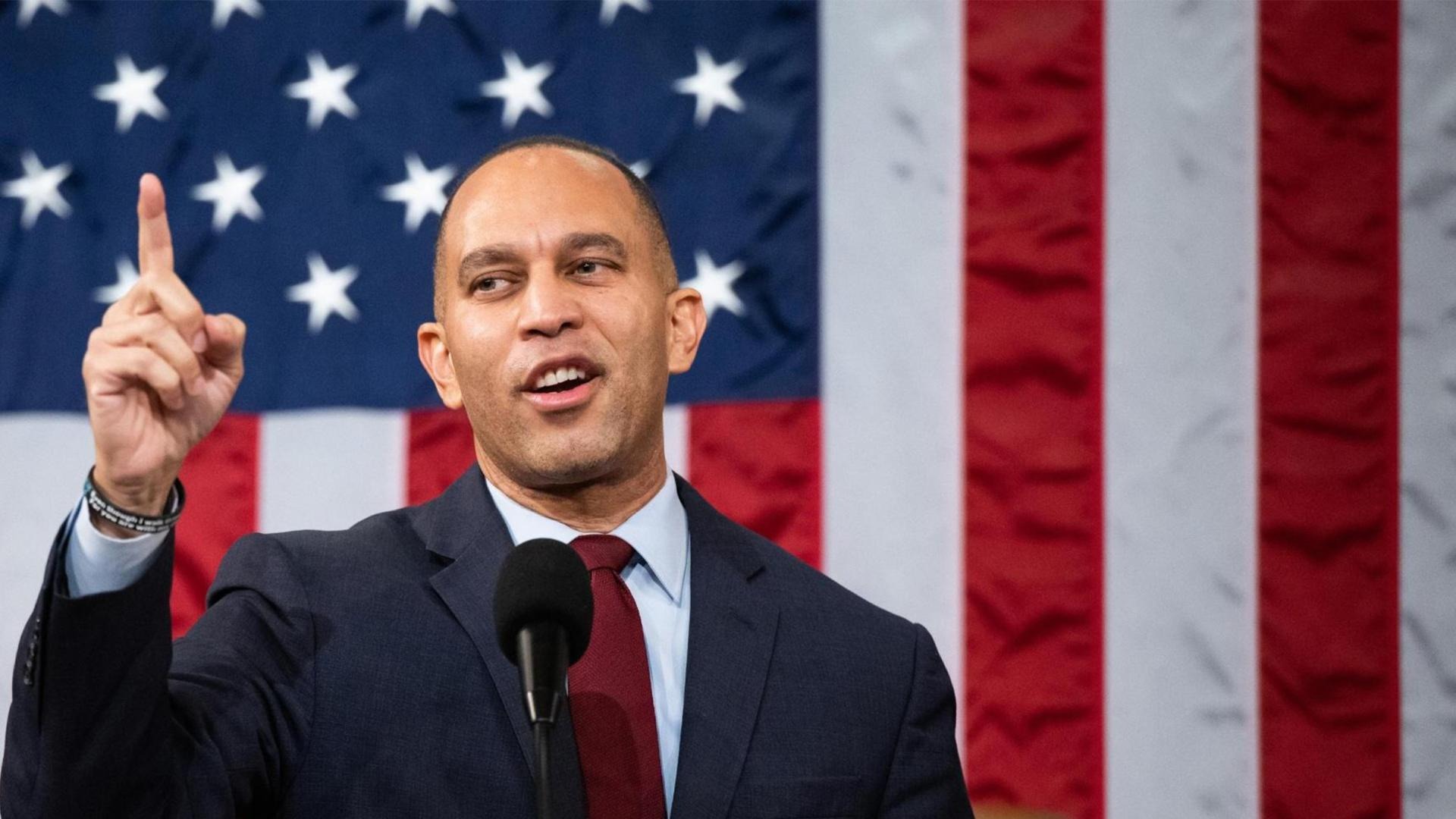
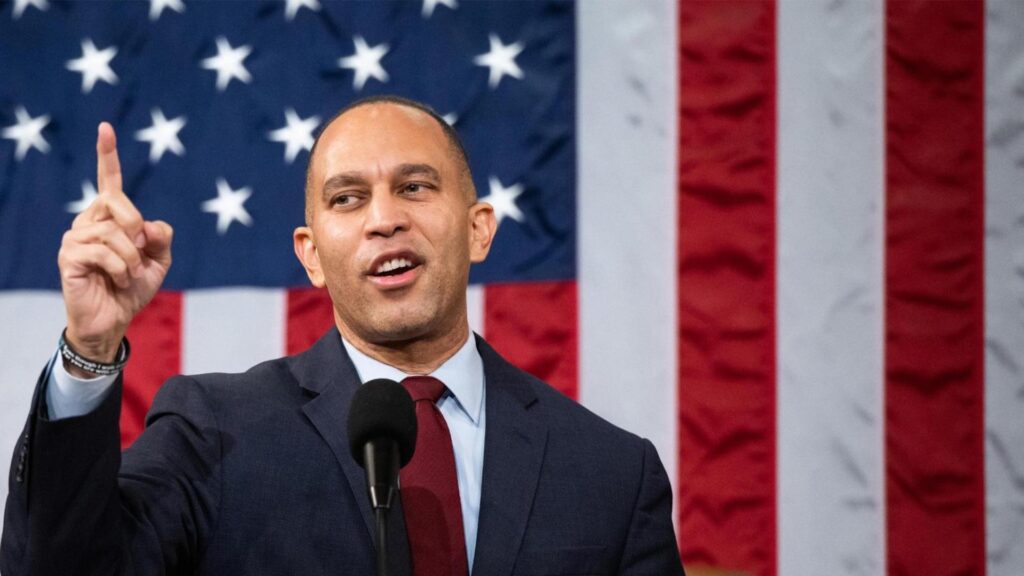
Hakeem Jeffries is no longer talking like a man in the minority.
He is talking like the next Speaker of the House.
On Friday he laid out what Democrats will do with power.
The interview was his clearest agenda statement since Election Day.
It carried a promise and a warning in equal measure.
Deliver relief on prices, and hold the powerful accountable.
Jeffries Puts Affordability at the Top
Jeffries called the election a tremendous victory for the American people.
He called it a strong rebuke of MAGA extremism as well.
He said that extremism made life more expensive for everyday Americans.
Groceries, gas and housing sit at the center of his pitch.
Health care affordability sits right beside them in his plan.
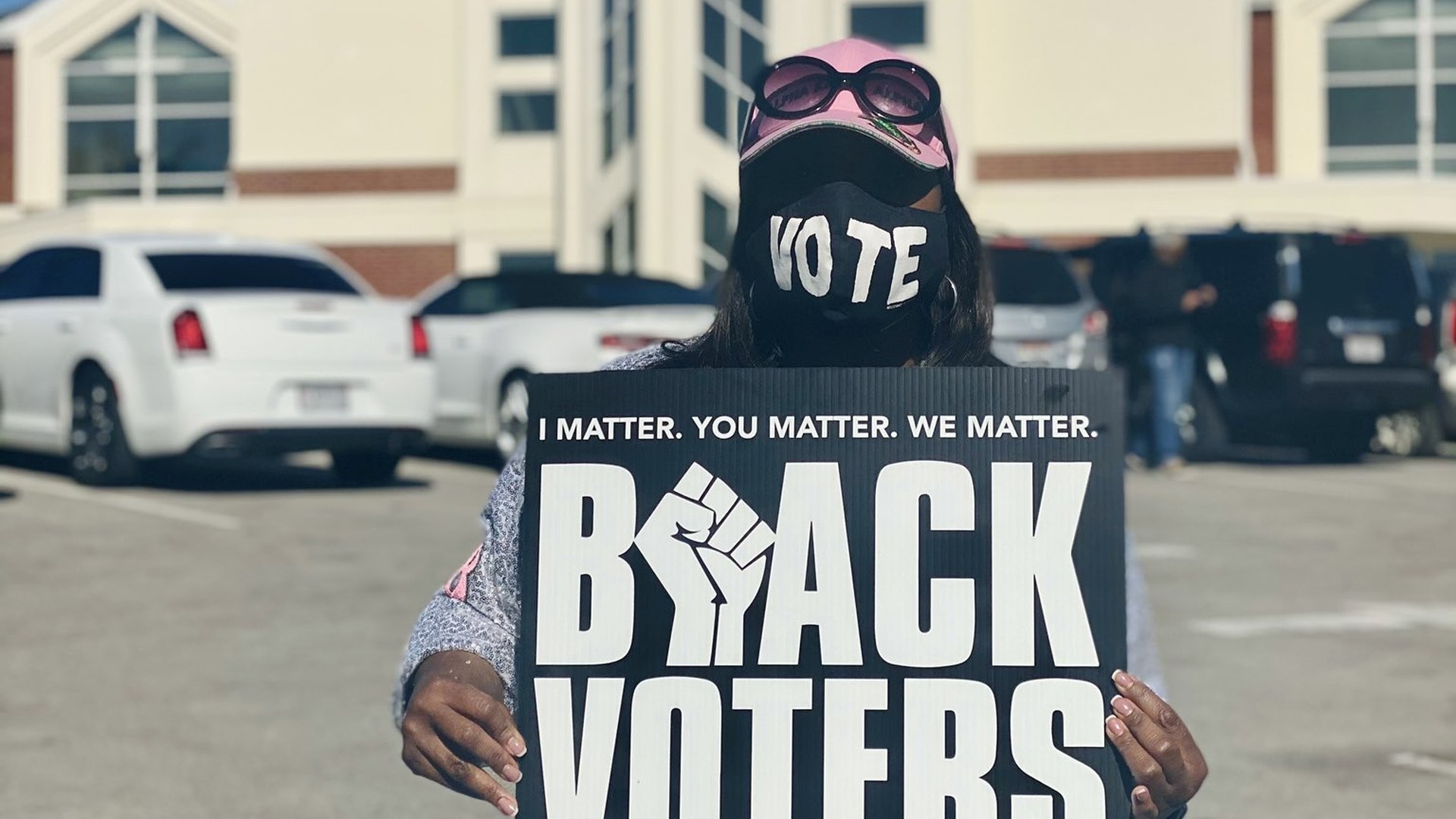
That focus matches what Black voters said all fall long.
Our morning report on the national voter survey showed cost concerns everywhere.
About 6 in 10 voters called the cost of living crucial.
Black families feel those prices first and feel them longest.
A Speaker who ignores that math will lose this coalition fast.
A War Powers Push on the Iran War
Jeffries called the Iran conflict a war of choice.
He said it skyrocketed gas prices and diesel prices alike.
He said fertilizer prices climbed and grocery costs followed them up.
He argued Congress should not wait for the new session.
The American people have clearly spoken, he said on Friday.
With majorities in both chambers, Democrats can pass a resolution.
A war powers resolution would force the question onward.
President Donald Trump would then sign it or veto it.
He would have to explain himself to the American people.
Overriding a veto takes two thirds in both chambers though.
Democrats remain short of that mark in each chamber today.
So the vote itself becomes the pressure tool for now.
Black communities carry war costs at home and abroad alike.
Sons and daughters serve, and family budgets absorb every shock.
Hegseth Has Got to Go, Caucus Will Decide How
Jeffries saved his sharpest words for Defense Secretary Pete Hegseth.
He called Hegseth the most unqualified secretary of defense ever.
He said Hegseth should never have been confirmed at all.
He first called for Hegseth to be fired in 2025.
His position has not changed since that first call.
He has got to go, Jeffries said plainly on Friday.
Yet he stopped short of endorsing impeachment against Hegseth today.
We will have that conversation, he told the interviewer twice.
He said he does not want to get ahead of the caucus.
Republican Thomas Massie has threatened a floor vote on impeachment.
Massie counts eight articles unless Hegseth resigns before any vote.
That threat now hangs over the Pentagon through the winter.
The caucus conversation will show how far accountability really goes.
Committees Will Carry the Accountability Work
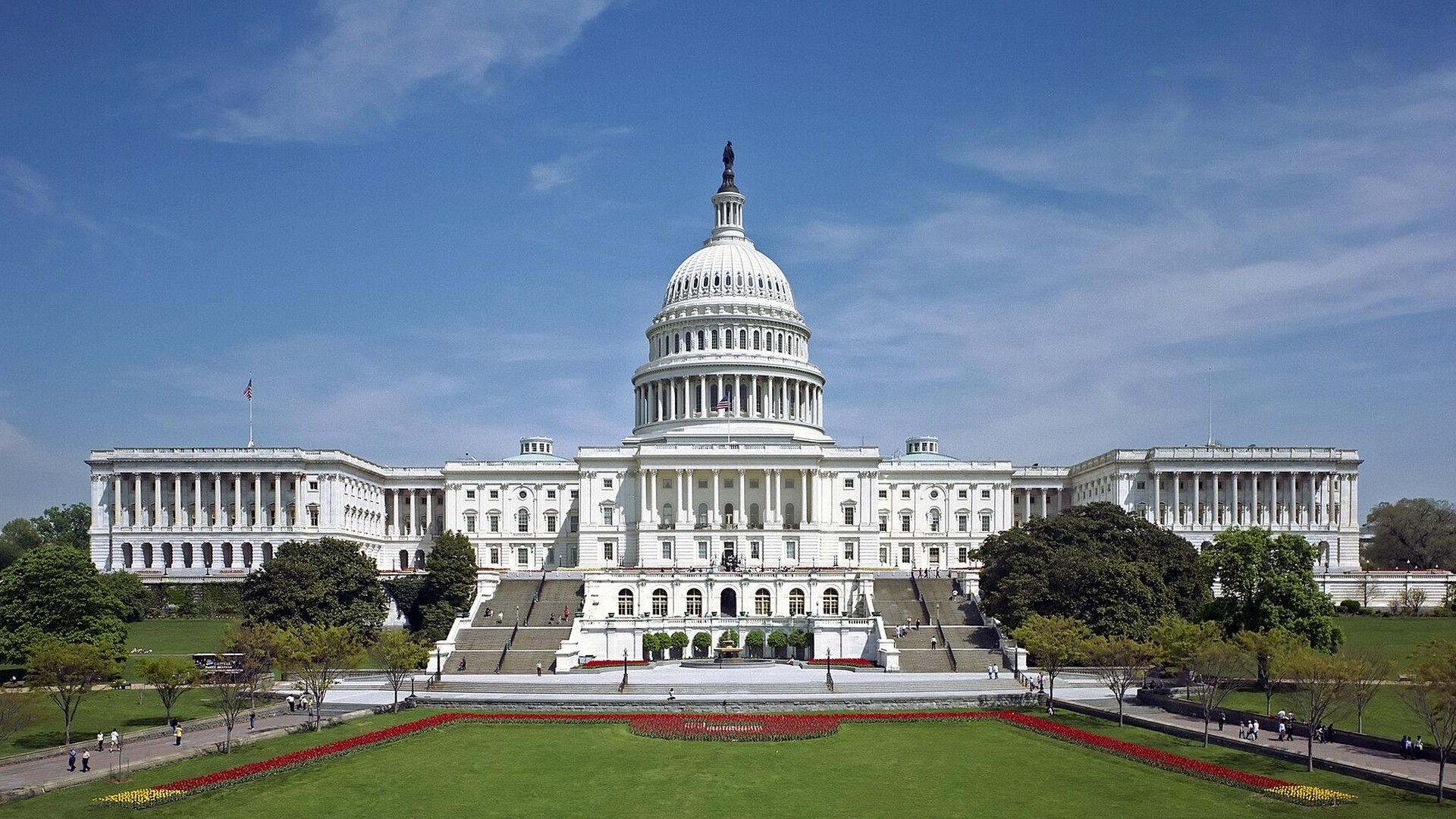
Jeffries pointed to two committees as the engines of oversight.
The Judiciary Committee and the Oversight Committee will lead it.
Robert Garcia is the incoming chair of the Oversight panel.
Garcia posted a two word warning on election night online.
Lawyer up, he wrote to the outgoing governing team.
Jeffries said the work must follow the facts first.
Apply the law and be guided by the Constitution, he said.
He promised a branch that acts separate and equal again.
He accused Republicans of acting as a reckless rubber stamp.
For Black America, oversight is never an abstract Washington game.
Voting cases, policing cases and contracting cases live in committees.
Who chairs them decides which harms get a hearing date.
The latest jobs report shows why economic oversight matters so much.
Black unemployment fell to 6.6 percent in that report.
It still sits near double the white rate of 3.7 percent.
Fewer Black House Seats, Far More Black Power
A fresh national count updated Friday adds a hard twist.
Black membership in Congress stands at 60 members so far.
That total stood at 65 in the outgoing Congress before.
Voting Black House members fell from 61 to 58 seats.
Redrawn maps did much of that damage across the South.
All four Black House Republicans left their seats this cycle.
Three of them ran for higher office and lost ground.
One saw his Utah seat redrawn out from under him.
New Black winners still broke through in five districts nationwide.
Melat Kiros became the first Black woman Colorado sent onward.
She will represent the state in Congress for the first time.
Adrian Boafo, Lakesha Womack, Cyril Jefferson and Donavan McKinney won too.
Shomari Figures and Don Davis held seats despite redrawn maps.
The Senate tells the opposite story of the House count.
Black senators rise from five to a record six now.
Juliana Stratton won in Illinois and Cory Booker won again.
Three Black women will serve in the Senate at once.
That is a first in the history of the chamber.
A seventh seat still hangs on the Mississippi count this week.
Scott Colom would make seven if his lead holds firm.
Black Americans are about 14 percent of the national population.
Even a record Senate remains at 6 or 7 percent.
The numbers say progress and unfinished business in one breath.
Maxine Waters and the Money Committees
No one shows the power shift better than Maxine Waters.
Waters won another term in California District 43 on Tuesday.
She took about 82 percent against Cristian Morales at 18.3 percent.
At 88 she becomes the oldest member of Congress now.
She first won election to Congress back in 1990.
Her district covers Inglewood, Compton, Hawthorne and Torrance voters.
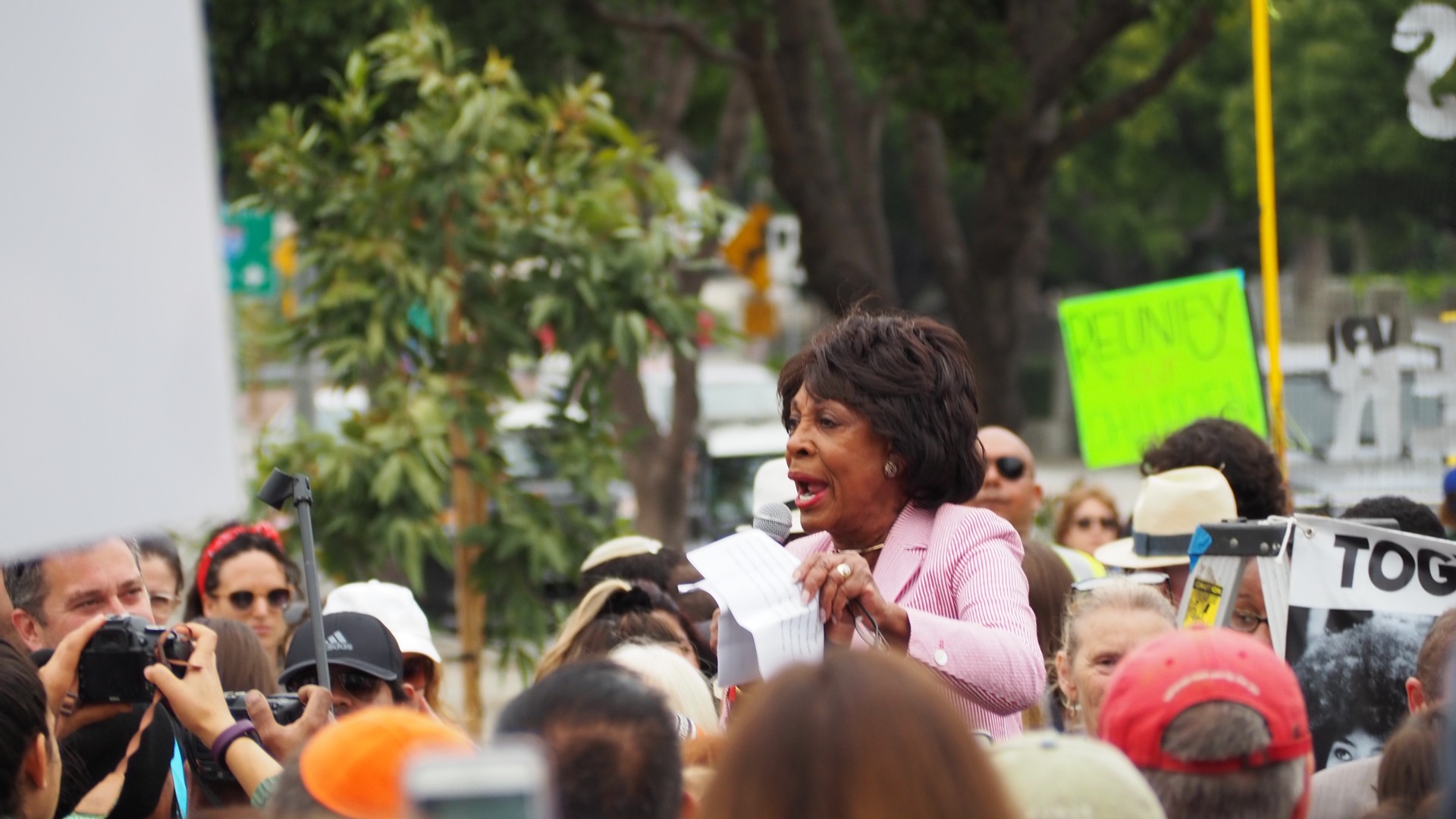
Waters made history on the Financial Services Committee years ago.
She was its first woman chair and first African American chair.
She held that gavel from 2019 through 2023 in Washington.
The panel oversees banking, housing and the financial markets daily.
Those are the systems that decide Black access to credit.
They decide who gets a mortgage and who gets denied.
Waters is expected to lead that panel once again soon.
The caucus will formally settle leadership roles in coming weeks.
A Jeffries speakership with Waters on money policy is leverage.
It is the kind of leverage Black voters just purchased.
What Black Families Should Watch Next
First, watch the caucus when members return to Washington soon.
Jeffries put his own fate in its hands on Friday.
Some voters told interviewers they want completely new party leadership.
Jeffries answered that his caucus battled Trump on every issue.
He said it then decisively defeated him a few days ago.
Second, watch whether affordability bills move before accountability fights swell.
Voters hired this majority to lower costs above all else.
Third, watch the war powers vote whenever it reaches the floor.
It will test whether antiwar talk survives contact with power.
The gavel changes hands when the new Congress convenes in January.
For the first time, a Black hand may hold it.
What that hand delivers will matter far more than history.