5 min read
Major Takeaways
About 9 in 10 Black voters backed Democratic House candidates in 2026.
Only about 1 in 10 Black men backed a Republican House candidate.
That share stood near 1 in 4 for Black men just two years ago.
Black women again gave Democrats their strongest support of any group.
Young voters and lower income voters moved in the same direction.
The shift helped Democrats win control of both chambers of Congress.
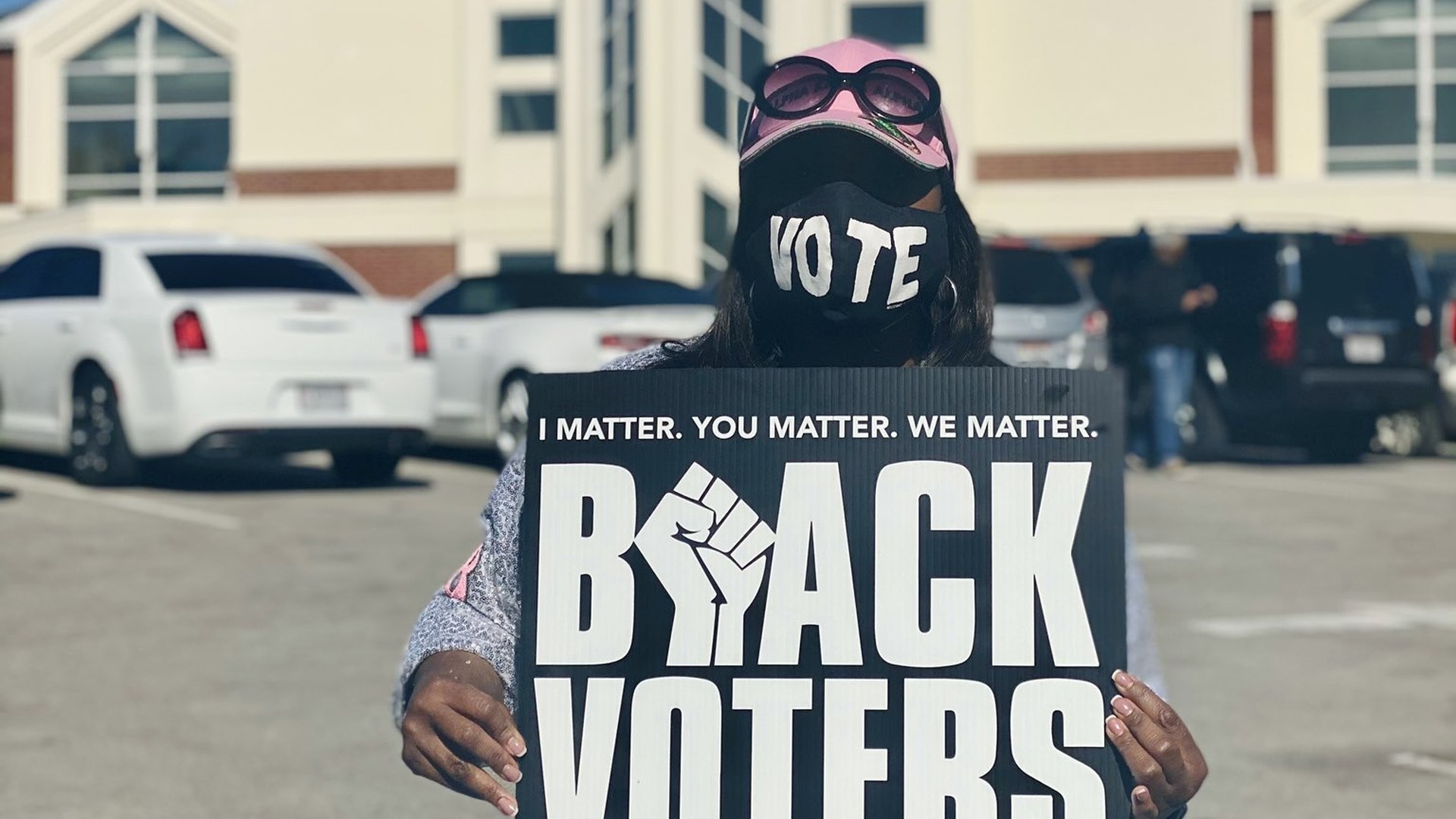
Black voters came home in 2026, and the numbers now prove it.
A national survey of more than 100,000 voters covered all 50 states.
It found a sharp swing back toward Democratic candidates this fall.
The survey ran from October 19 through November 3 this year.
Its margin of sampling error was 0.6 percentage points overall.
Black Voters Moved Every Big Number
About 9 in 10 Black voters supported the Democratic House candidate.
Roughly 8 in 10 Black voters had backed Kamala Harris in 2024.
The gain looks small until you see where it came from.
Only about 1 in 10 Black men backed a Republican this year.
Roughly 1 in 4 Black men had voted for Donald Trump before.
That collapse ended talk of a lasting shift among Black men.
A second national poll told the same story in sharper detail.
It put Black women at 92 percent for Democratic House candidates.
It put Black men at 85 percent for Democratic House candidates.
No other group matched the loyalty Black women showed again.
Black Women Held the Line Again
Black women remain the most reliable voters in American politics.
They organize churches, campuses, sororities, unions and neighborhood networks.
They register relatives, drive neighbors and watch local election offices.
Campaigns court them late, yet they deliver early and consistently.
Georgia showed the power of that organizing at full strength.
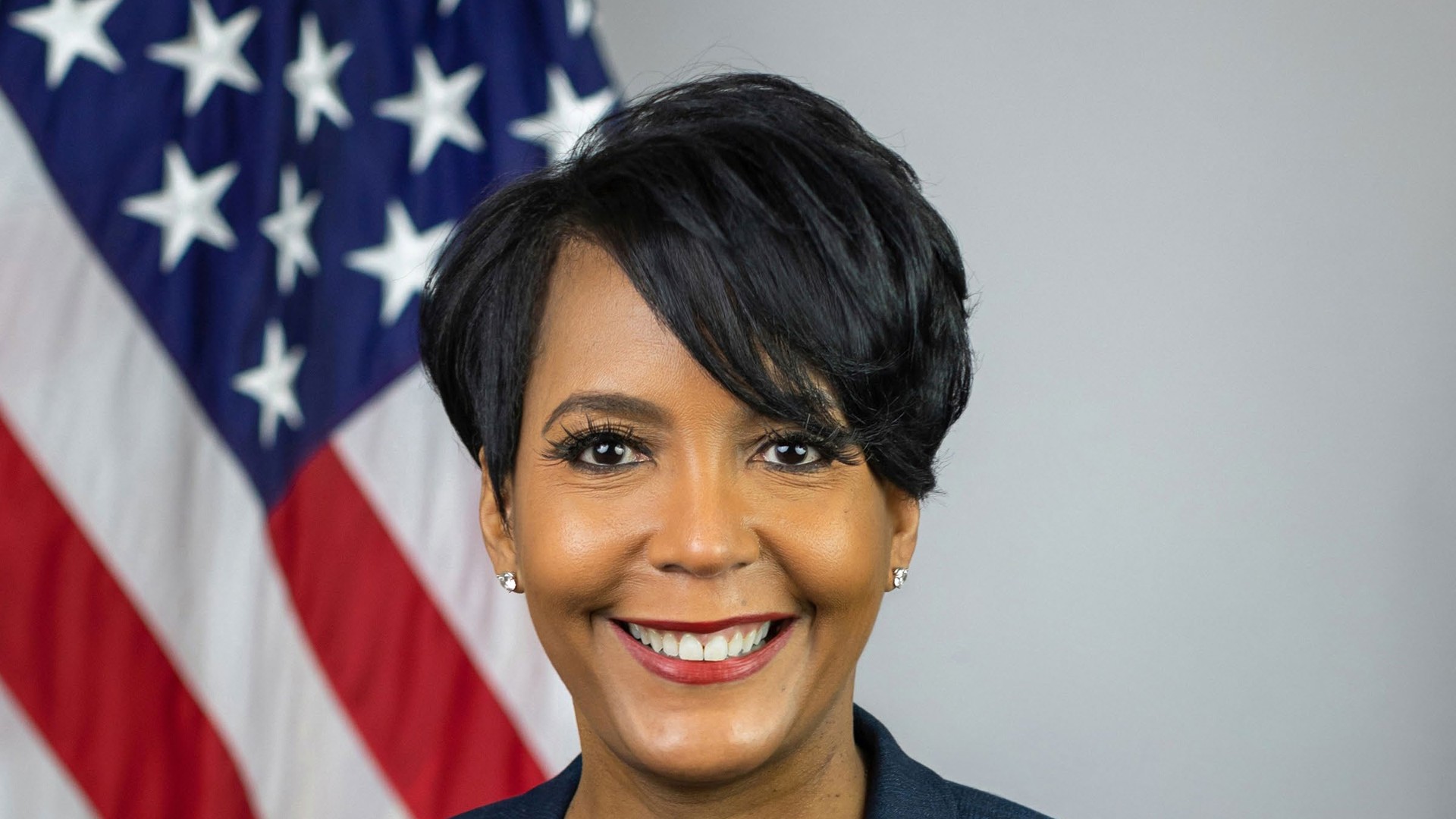
About 9 in 10 Black men in Georgia voted for Bottoms.
About three quarters of them had supported Harris two years earlier.
Roughly 9 in 10 Black women in Georgia backed Bottoms too.
Read how Bottoms made history in Georgia in our earlier coverage.
Her win made her the first Black woman elected governor anywhere.
That history rested on Black voters who refused to sit out.
Young Voters and Working Families Moved Too
About 7 in 10 voters under age 30 backed Democratic candidates.
About 3 in 10 of them supported the Republican candidate instead.
Two years ago the youngest voters split almost evenly between parties.
About half of young voters called themselves angry about America.
Only about one third of older voters used that same word.
About 6 in 10 voters said opposing Trump drove their choice.
Money pain pushed the shift as much as party loyalty did.
Most voters said inflation caused their families at least moderate hardship.
More than half of households earning under 50,000 dollars backed Democrats.
That income group had split almost evenly just two years ago.
About 6 in 10 lower income voters called living costs crucial.
Hispanic voters moved the same way, backing Democrats at 6 in 10.
In Texas, Hispanic voters backed a winning Democratic Senate candidate strongly.
What Black Voters Expect Now
Coming home is not the same thing as being owed nothing.
Black voters delivered majorities, committee gavels and statewide power.
They will expect action on voting rights, prices and health care.
They will expect protection for Black history and Black institutions.
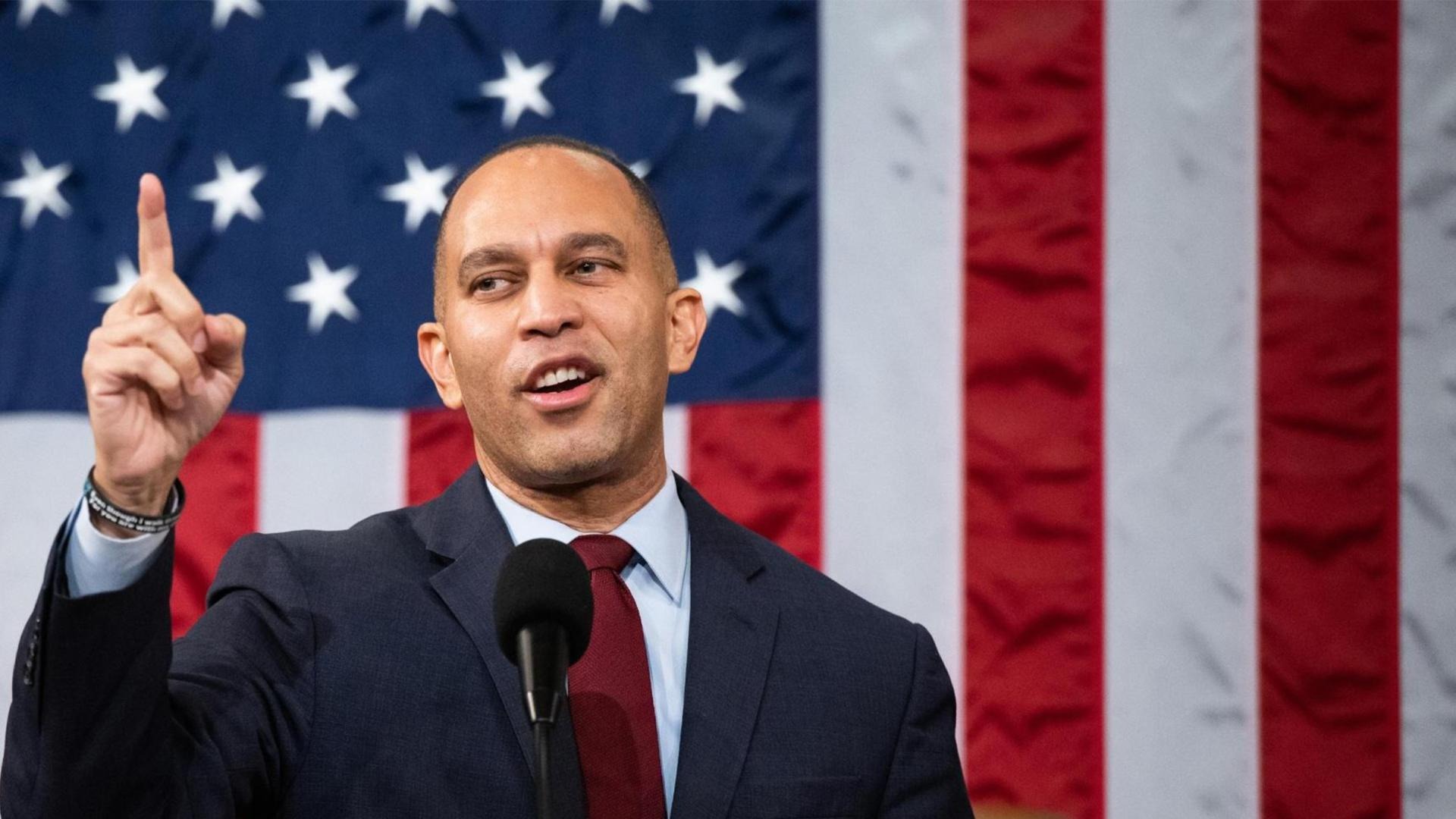
Hakeem Jeffries now stands positioned to become the first Black Speaker.
Senior Black lawmakers stand in line to lead powerful House committees.
See how the new Senate majority took shape on election night.
Power in the majority means Black priorities can reach the floor.
It also means excuses will carry far less weight this time.
Voters who swing once can swing again when promises stall.
Mississippi Shows the Fight Is Not Finished
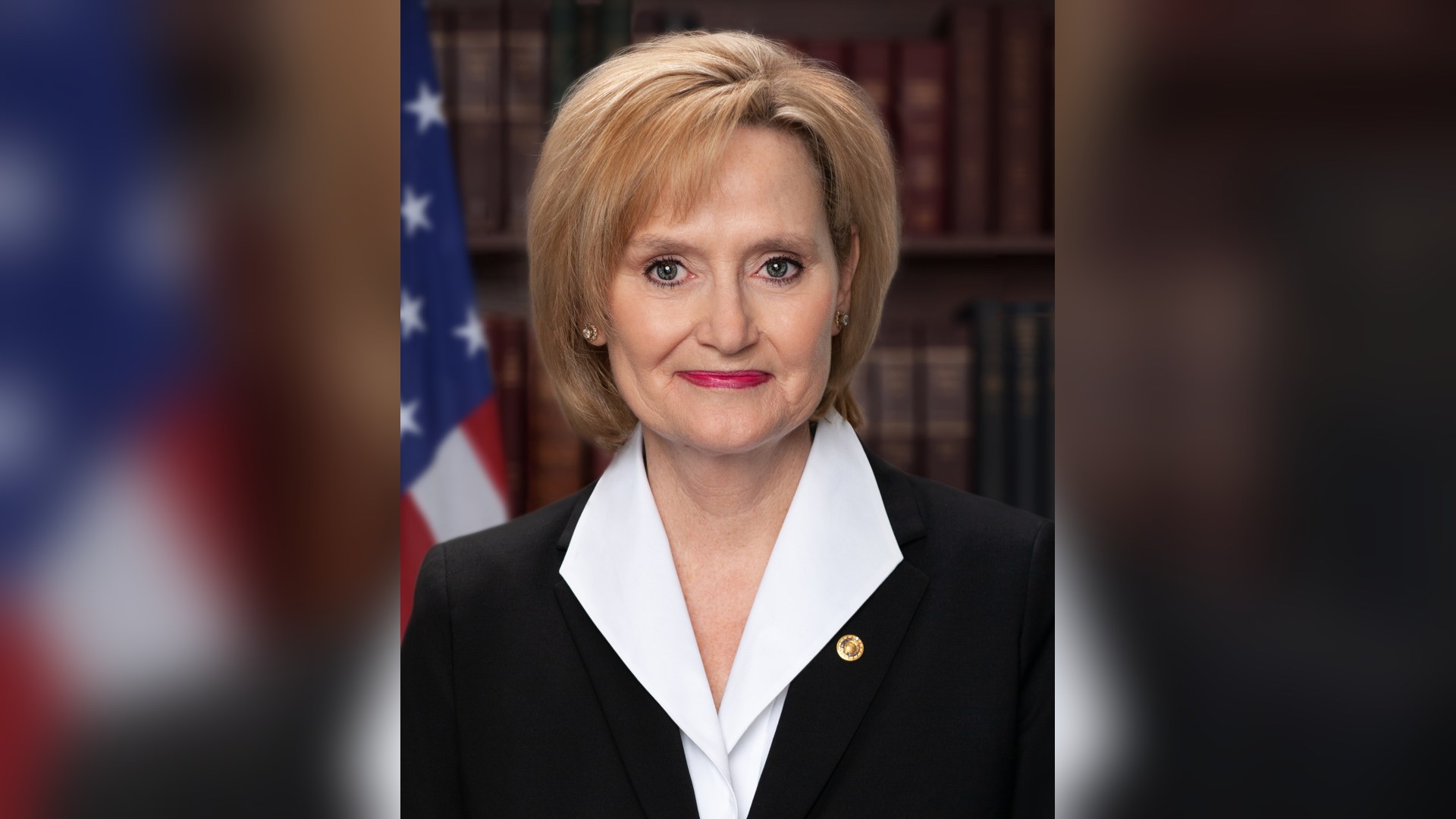
One Senate race still hangs on ballots cast by Black voters.
Scott Colom leads Cindy Hyde Smith by 1,813 votes in Mississippi.
The latest count shows 466,775 votes for Colom statewide so far.
It shows 464,962 votes for Hyde Smith, with counting still underway.
Civil rights volunteers now work in all 82 Mississippi counties.
They help affidavit voters fix identification issues before November 10.
Their stated goal is simple and direct for every single voter.
No African American should lose a vote over a paperwork problem.
Both campaigns have sent lawyers and observers across the state.
County officials must certify their results by November 13.
Our report explains how affidavit ballots could decide Mississippi.
The national swing means little if close races lose valid ballots.
Black voters swung this election, and Mississippi will test that power.