6 min read
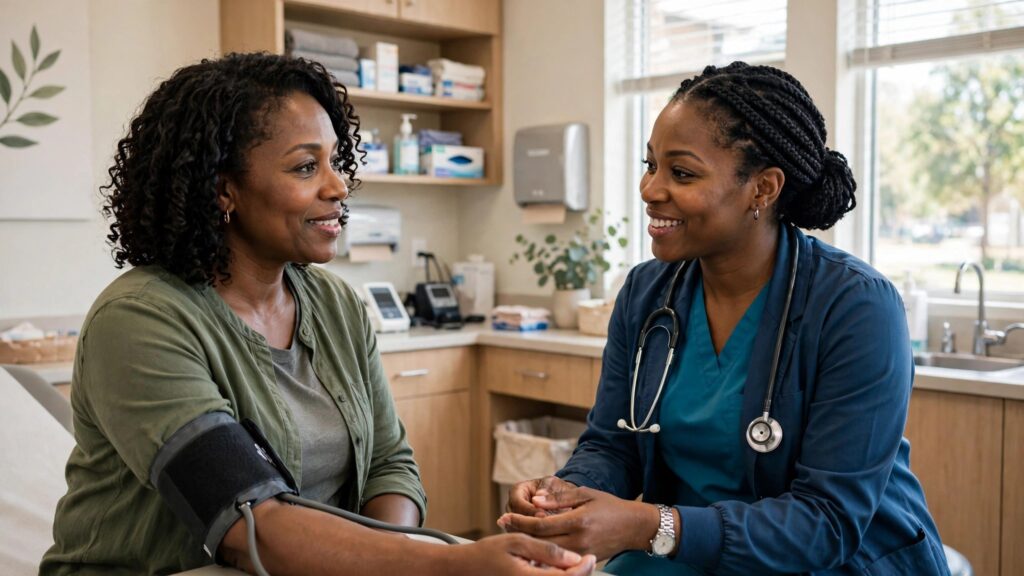
November is National Diabetes Month, and diabetes prevention deserves a spot on our weekend calendar.
This is general wellness information for the whole community. It is not personal medical advice for any one reader.
Major Takeaways
- More than 115 million adults in this country live with prediabetes, and most of them have no idea at all.
- Blood sugar often rises in silence, so a simple lab test is the only sure way to know where you stand.
- Small steps taken together, like walking after meals, can cut the risk of type 2 diabetes in a real way.
- This weekend, take the one minute risk test, book a screening, and bring one loved one along with you.
Why Diabetes Prevention Matters For Black Families
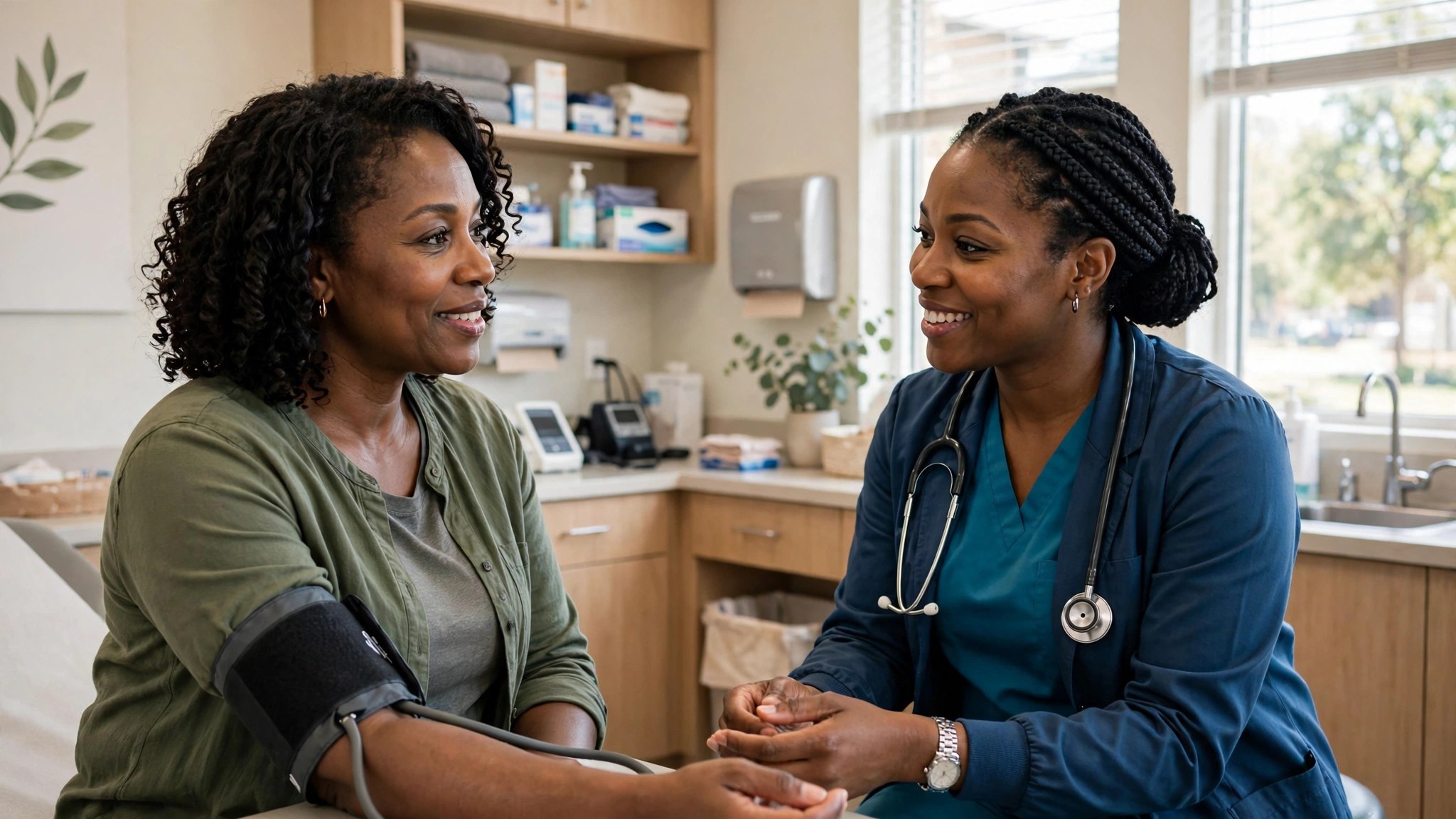
Diabetes touches nearly every Black family in America. Most of us can name a parent, an aunt, or a pastor living with it.
National reports count about 40 million people living with diabetes across the country today. More than one in four adults with the condition have not been diagnosed yet.
Black adults are diagnosed at a rate 24 percent higher than the total population. That gap reflects access, food options, stress, and care, not personal failure.
Prediabetes is the warning stage before type 2 diabetes begins. Blood sugar sits higher than normal, but not yet high enough for a diabetes diagnosis.
Here is the hopeful part of the story. Prediabetes can often be reversed with steady lifestyle changes made early enough.
Step One: Know Your Risk Before The Weekend Ends
Start with the free one minute prediabetes risk test online. It asks about age, family history, activity, and weight in plain language.
A high score does not diagnose anything at all. It simply tells you to see a doctor for a simple blood test soon.
Guidelines say testing should begin at age 35 for most adults. Testing can start earlier when risk factors are present in your life.
Those risk factors include a parent or sibling with diabetes. They also include high blood pressure, low activity, and a history of heart disease.
Black ancestry itself places a person in a higher risk group. That is one more reason our families should ask about screening early and often.
People with prediabetes should be tested every year after that. Everyone else with normal results can usually repeat testing about every three years.

Step Two: Learn The Numbers That Tell The Truth
The A1C test shows average blood sugar over the past few months. It needs no fasting, which makes it easy to fit into a busy week.
An A1C from 5.7 percent to 6.4 percent falls in the prediabetes range. An A1C of 6.5 percent or higher meets the threshold for diabetes.
A fasting blood sugar test tells a similar story in different units. Readings from 100 to 125 point to prediabetes, while 126 or higher points to diabetes.
Doctors usually want two abnormal results before making a diagnosis. One number starts a conversation, and the second number confirms the picture.
Write your numbers down and keep them in your phone. Knowing your numbers turns worry into a plan you can actually follow.
Step Three: Build A Plate You Can Truly Enjoy
Prevention does not ask you to give up our food traditions. It asks you to build the plate with more intention and more color.
Fill at least half of your plate with vegetables at big meals. Greens, cabbage, green beans, and salads all carry flavor and fiber together.
Eat close to your usual meal times during the holidays. Showing up starving makes it far easier to eat past the point of fullness.
If dessert is calling your name, enjoy a modest portion. Balance it by taking a smaller helping of bread, potatoes, or pasta that day.
Drink plenty of water through the day and the meal. It takes at least 20 minutes for your brain to register that you are full.
Research shared by national health experts points to one powerful goal. Losing 5 to 7 percent of starting weight may help prevent or delay type 2 diabetes.

Step Four: Move Together After You Eat
You do not need a gym membership to protect your health. A walk around the block after a big meal helps more than most people expect.
Even 10 minutes of walking after eating supports healthier blood sugar. Bring the children, the elders, and the dog along for the stroll.
Make the walk a standing family ritual every single weekend. Music in your ears and good company make the minutes pass with joy.
If a structured program fits your life, look into the national lifestyle change program. A trained coach leads it for a full year, in person and online.
People who complete that kind of program can cut their risk in half. Group support keeps motivation alive long after the first week fades.
Step Five: Watch For Signs And Keep Every Checkup
Type 2 diabetes often brings no signs at all early on. That silence is exactly why screening matters more than waiting for symptoms.
When signs do appear, they deserve a prompt call to a doctor. They include urinating more often, strong thirst, and deep tiredness that will not lift.
Blurred vision, hunger that feels constant, and tingling in the hands count too. Losing weight without trying is another sign to take seriously right away.
For loved ones already living with diabetes, keep the yearly checks sacred. Feet, eyes, and kidneys can develop problems quietly and without warning signs.
Ask the care team about the ABCs at every visit. That means A1C, blood pressure, and cholesterol, all working together for long term health.
Bring The Village Into The Plan This Weekend
Our strongest health traditions have always been communal ones. Churches, schools, sororities, and fraternities already gather our people with trust and love.
Programs rooted in our own neighborhoods work because people feel seen. Culturally grounded coaching on food, movement, and stress speaks to real daily life.
A Howard University physician has urged exactly that approach for years. She calls for safe walking paths, affordable fresh food, and community health workers.
So here is your weekend assignment, family, plain and simple. Take the risk test, share this article at the dinner table, and book that screening.
Visit our Health and Wellness section for more weekend reading that puts our health first. Explore Culture stories and daily News coverage while you are here with us.
Prevention is possible, and it starts with one honest number. Let this November be the month your family chose knowledge, movement, and each other.