5 min read
Major Takeaways
- Exit polls project Likud as the largest party with about 24 to 25 seats, just ahead of Yashar and its leader, former military chief Gadi Eisenkot.
- The bloc backing Netanyahu sits near 50 seats. The bloc trying to remove him sits near 53. Arab parties are headed for about 17.
- Nobody reaches 61, the number needed to form a government in the 120 seat Knesset.
- These are projections, not results. The official count comes in over the next several days, and no winner can honestly be called tonight.
- Weeks of coalition bargaining now begin, and a repeat election is a real possibility if no leader can build 61.
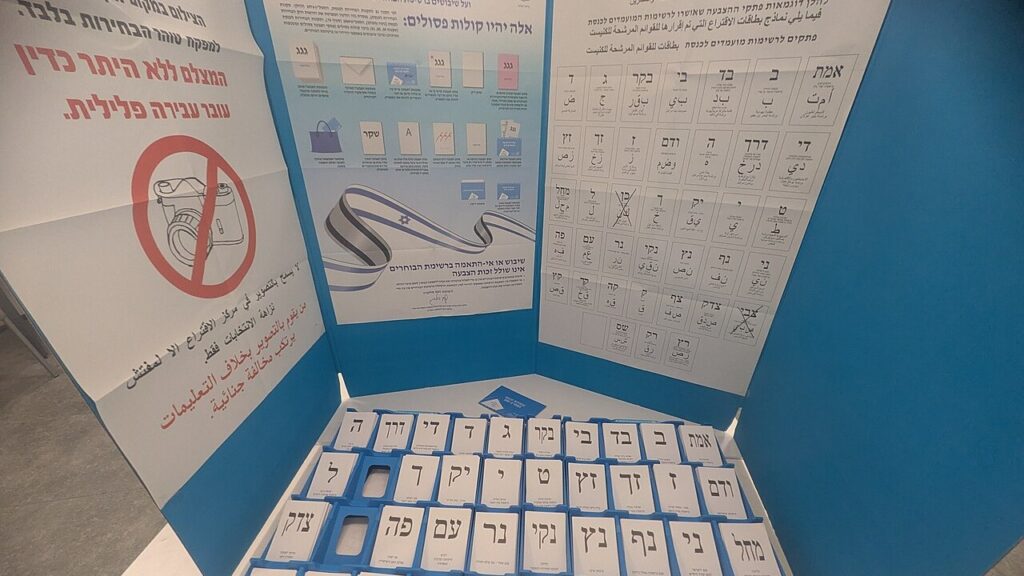
Israel voted on Tuesday in its first national election since the October 7, 2023 attack and the war in Gaza that followed it.
When polls closed at 10 p.m. local time, the television exit polls delivered the same message on every channel. Nobody won.
Prime Minister Benjamin Netanyahu and his Likud party finished first. But first place is not enough in Israel, where a government needs 61 of the 120 seats in the Knesset and no bloc is anywhere near that number tonight.
Understand what these numbers are. Exit polls are projections built from surveys of voters leaving polling stations, not counted ballots.
The official count rolls in over the coming days, and small shifts can still move the picture.
The stakes reach beyond one parliament. This vote was a national judgment on October 7, on the war, and on the man who has led Israel longer than anyone.
The Numbers Behind the Deadlock
The exit polls put Likud at 24 to 25 seats, down sharply from the 32 it holds in the outgoing Knesset.
Yashar lands just behind at 21 to 23 seats, depending on the channel. For a party that did not exist two years ago, it is a stunning arrival.
Add the religious and right wing parties standing with Netanyahu and his bloc reaches about 50 seats.
Add the parties pledged against him and the opposition reaches about 53.
Every channel told the same basic story with slightly different numbers, which is why the deadlock, and not any single seat count, is the fact of the night.
Turnout powered much of the surprise. Roughly 74 percent of eligible voters had cast ballots two hours before polls closed, a record pace.
The Men at the Center of It
Netanyahu is the longest serving prime minister in the history of Israel. He asked voters to reward the man who led the country through war.
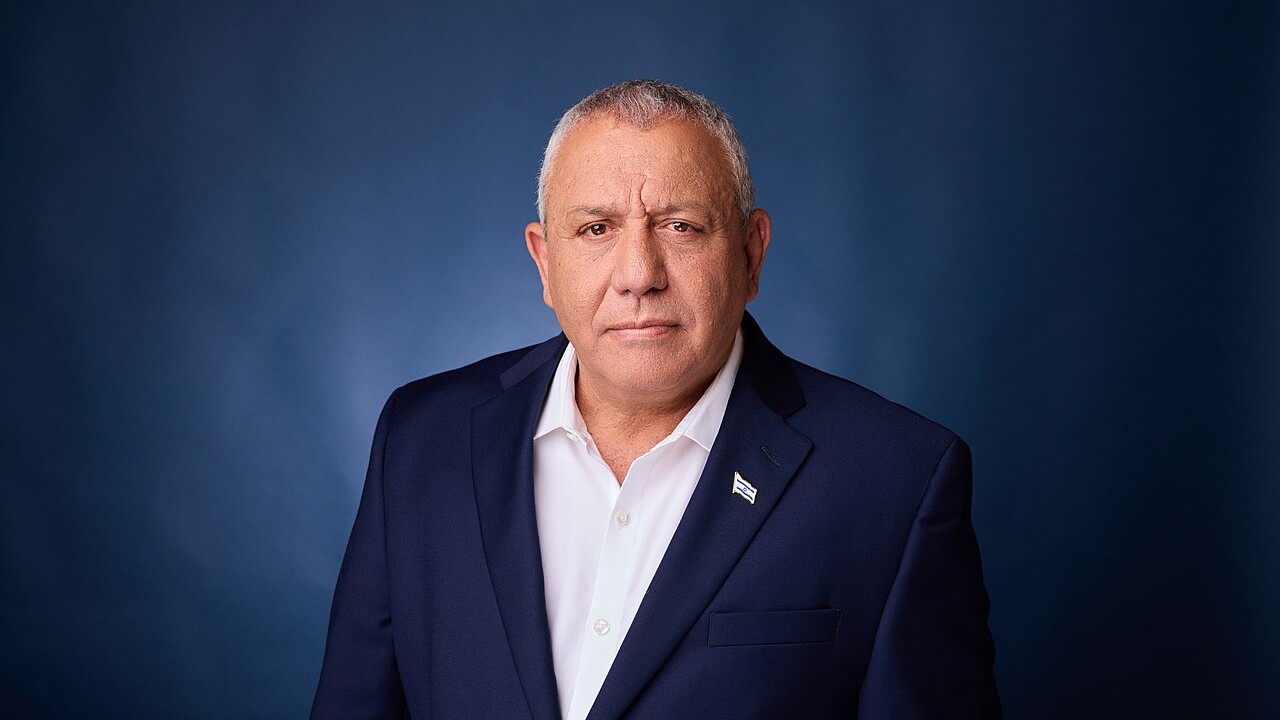
Many voters refused. They blame his government for the failures that left the country exposed on October 7, and they question how he handled the war and the captives taken into Gaza.
Eisenkot brings a different record. He once commanded the entire military, sat in the war cabinet after October 7, then broke with Netanyahu and built Yashar into a national force.
His campaign carries private grief. His son Gal, a soldier, was killed fighting in Gaza, and that loss hangs over everything Eisenkot says about security and sacrifice.
Arab Parties Hold the Balance
The biggest surprise of the night belongs to the Arab parties.
Heavy turnout in Arab towns and cities pushed their combined total toward 17 seats, above what final surveys predicted and a record showing.
That total makes Arab lawmakers impossible to ignore. Neither big bloc can reach 61 without at least weighing their support.
Old taboos in Israeli politics resist that kind of partnership. The arithmetic of this election may prove stronger than the taboos.
Why Washington Is Watching This Count
There is a reason this count matters on this side of the ocean. Israel is the closest partner of the United States in the Middle East, and American weapons and aid flow there on a scale matched nowhere else.
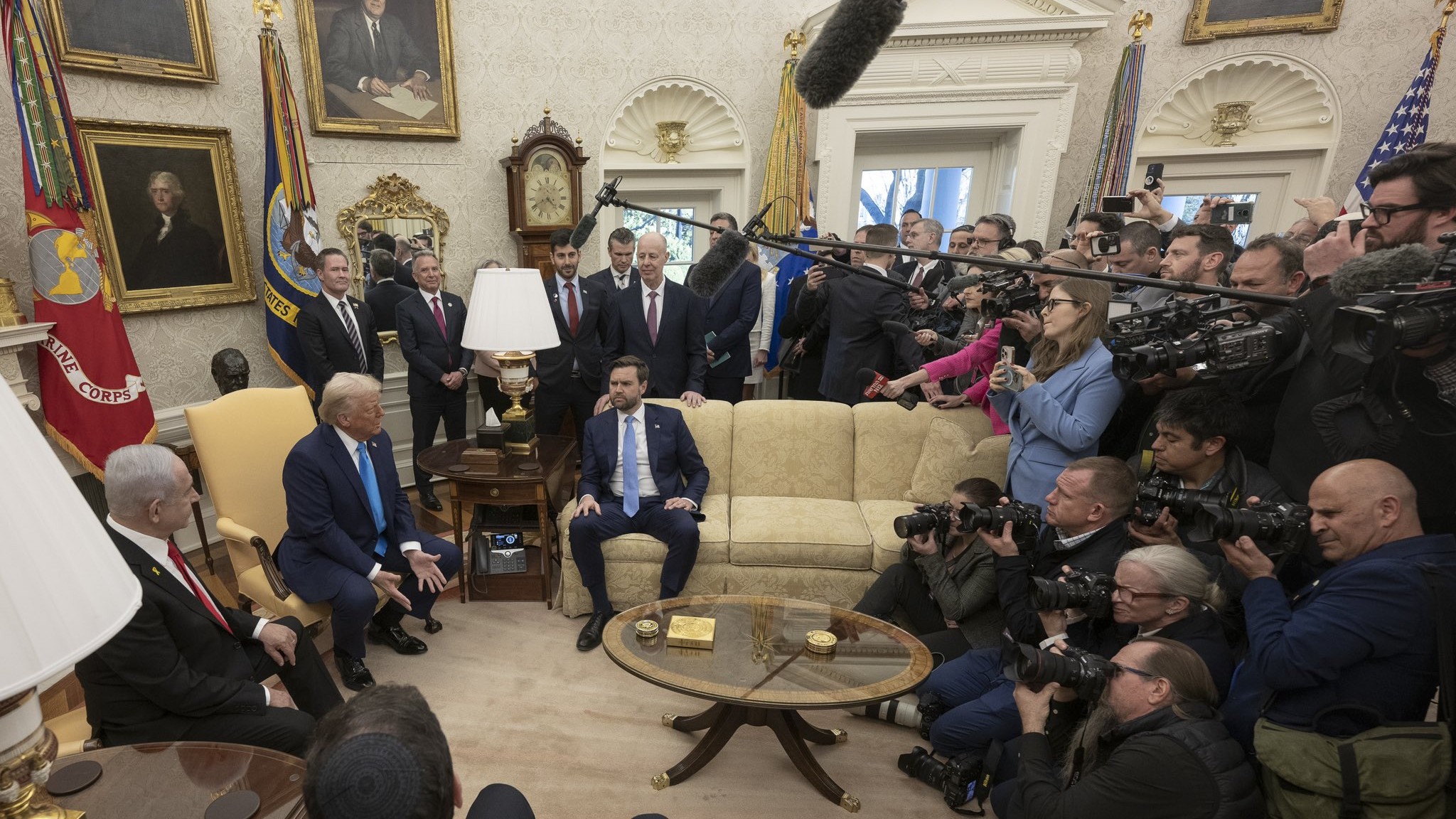
Who governs in Jerusalem shapes decisions on Gaza, on Iran, and on the aid bills that move through Congress in Washington.
Those fights are American fights too. The war in Gaza divided this country, and Black voters and Black lawmakers were among the loudest voices in the debate over aid, ceasefire terms, and the protection of civilian lives.
That debate is not finished, and neither is this one. Keep up with the politics as they develop in our Big Back Politics coverage.
A clear winner in Israel gives the White House a partner to call. A deadlocked Israel leaves American policy waiting by the phone, just like everyone in Jerusalem.
What Happens Next
Under the Israeli system, President Isaac Herzog will meet the party leaders and ask one of them to try to build a coalition.
He may start with Netanyahu as the leader of the largest party, or with the leader whose bloc looks closer to 61.
Whoever gets the call receives a window of weeks to bargain, trade ministries, and hunt for the last few seats.
If that effort fails, the president can turn to another leader. If everyone fails, Israel votes again, an outcome the country knows well after holding five elections in under four years not long ago.
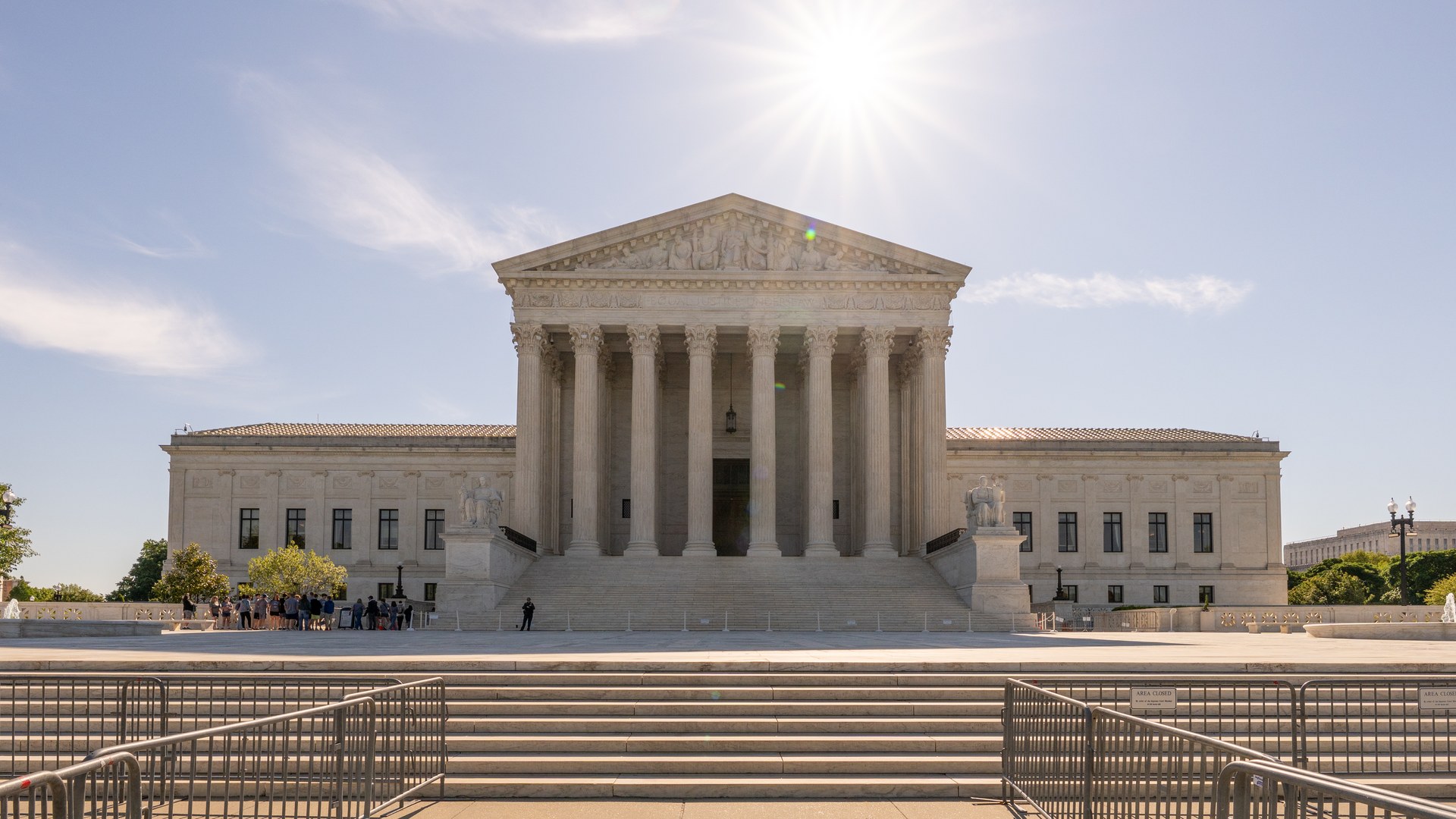
While Israel waits on its count, American courts are deep in fights over ballots of their own, including the California mail ballot case moving through federal court.
For tonight, the only honest headline is the one the exit polls wrote. Israel voted in record numbers, and Israel is still waiting.
Urban City Podcast will update this story as the official count comes in.