6 min read
Major Takeaways
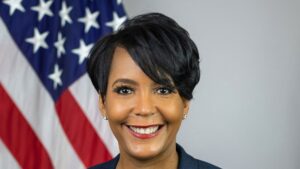
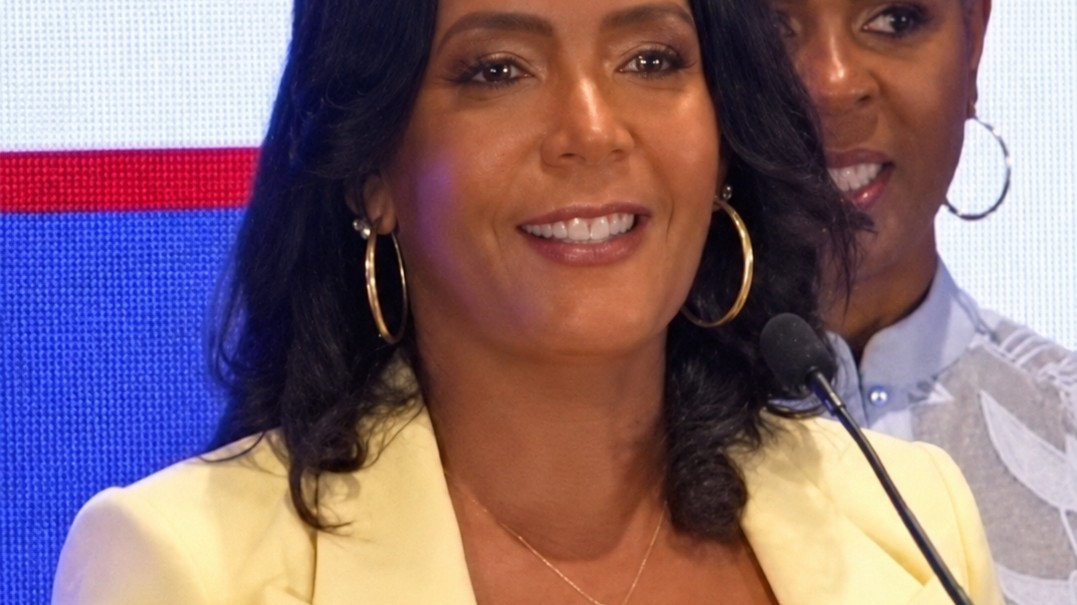
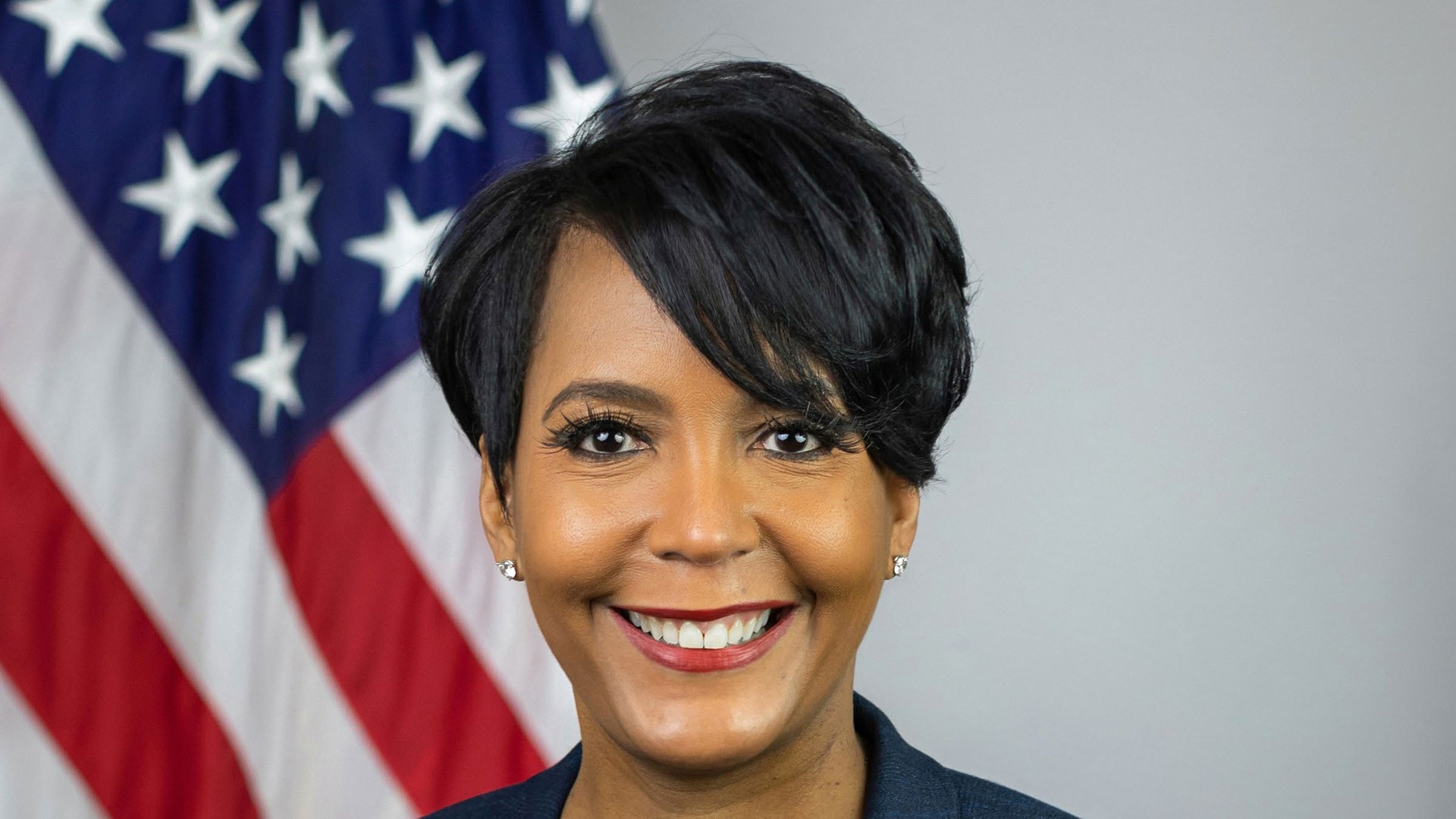
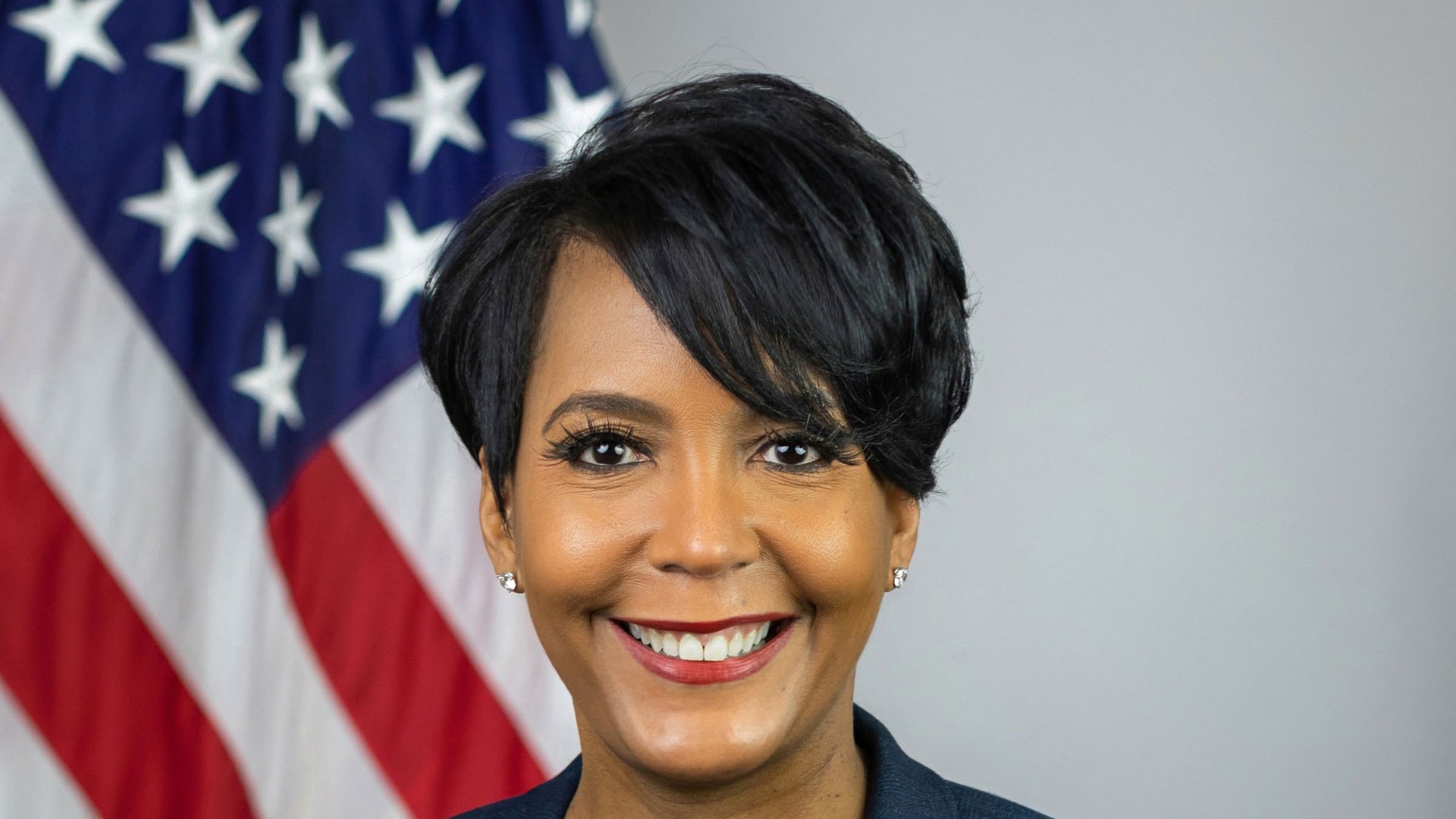
Keisha Lance Bottoms won Georgia with 54.31 percent of the vote and a margin above 360,000 votes.
A redistricting effort shelved in June could return while Governor Brian Kemp still holds office.
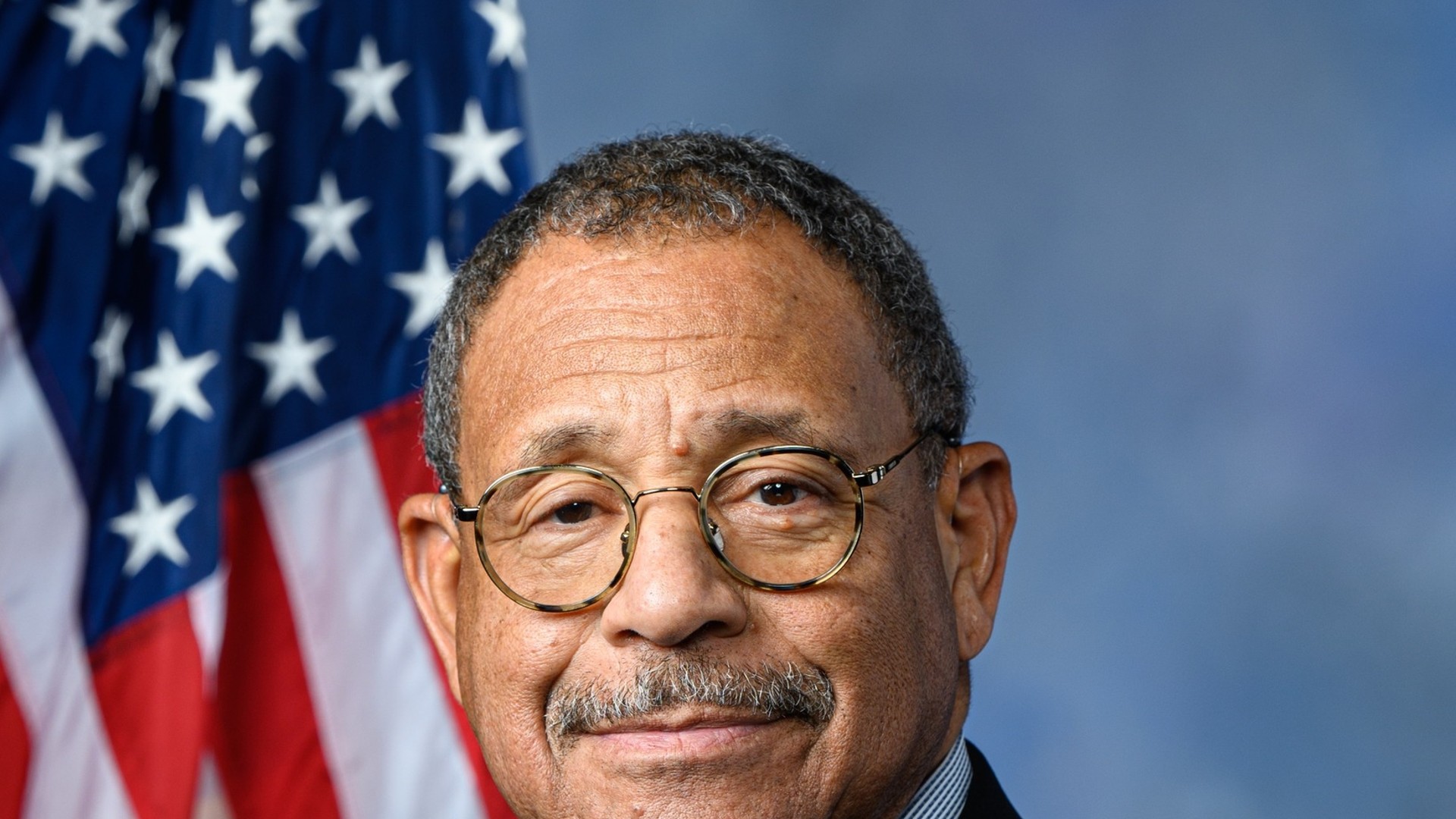
The southwest Georgia district of Representative Sanford Bishop is the seat analysts call most exposed.
Black representation in the House is already set to fall in the next Congress, even after a historic election night.
The Georgia redistricting fight may be the first real test of the Bottoms era, and it could start before she ever takes the oath.
Bottoms won the governor race on Tuesday in a contest that entered Election Day as a statistical tie in polling.
She beat Republican Rick Jackson by more than 360,000 votes.
Her win made history on several levels at once.
Bottoms is the first Black governor of Georgia and the first Black woman ever elected governor in America.
None of that guarantees her a quiet January.
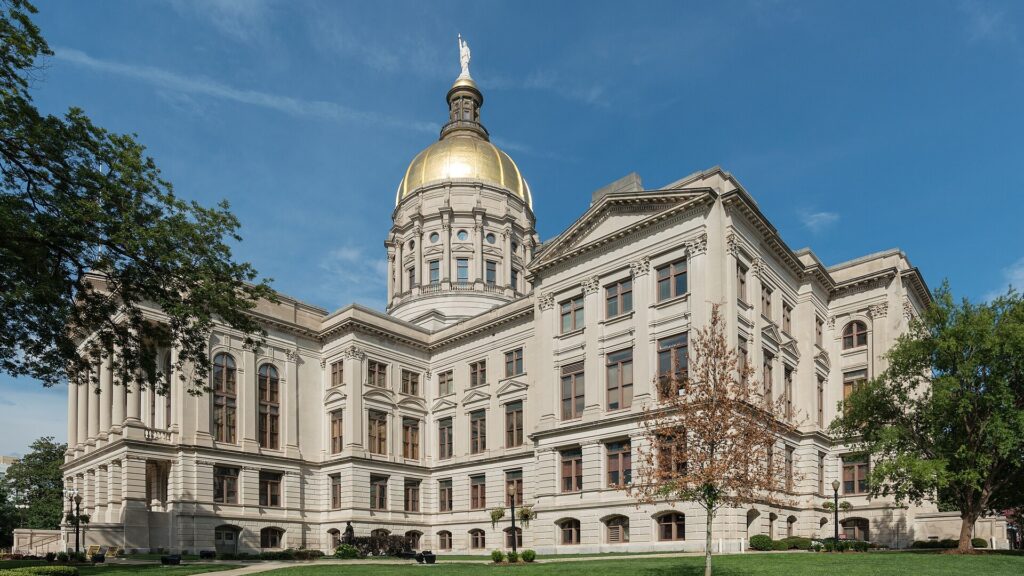
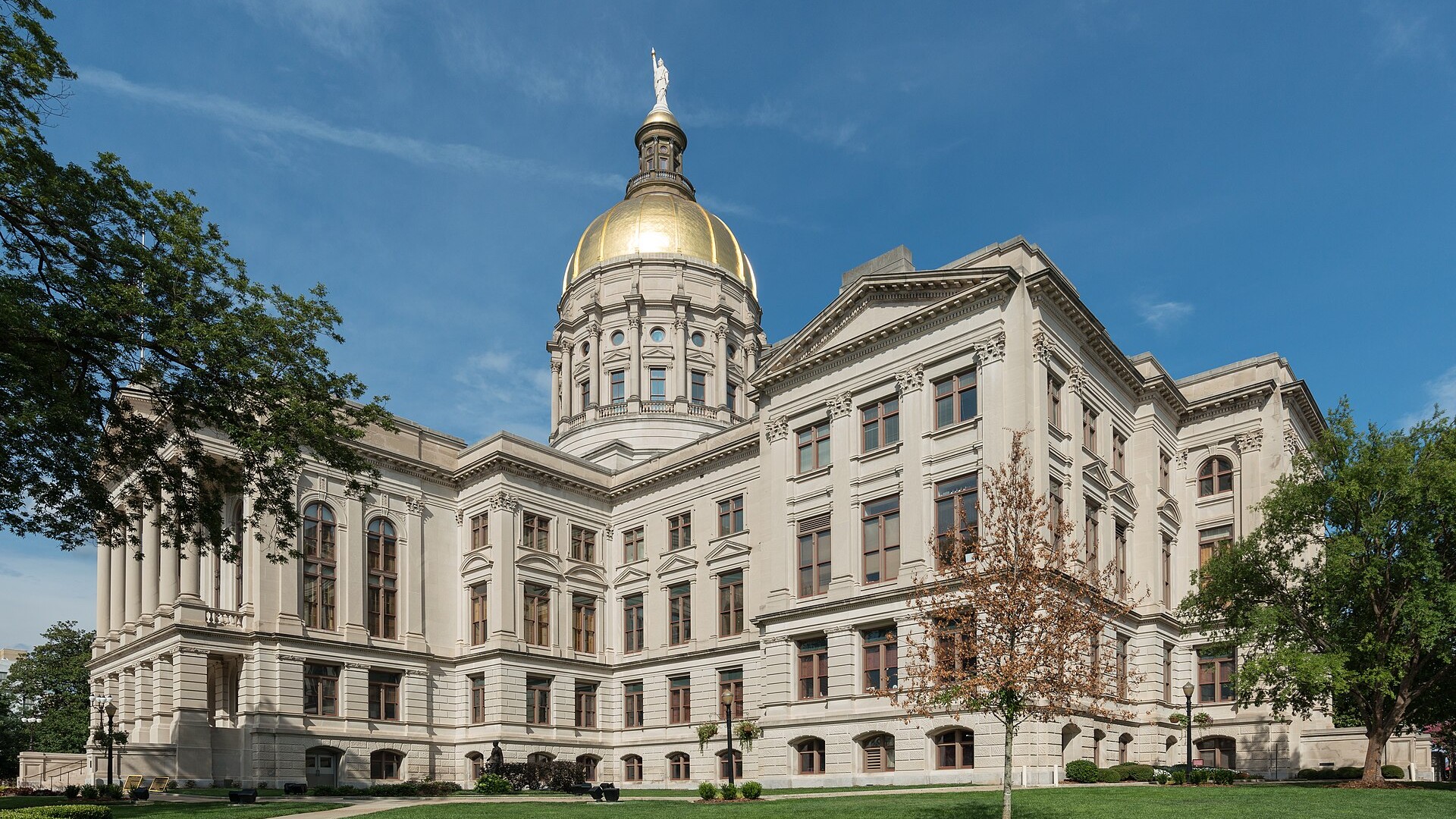
A map fight shelved in June could return to the Capitol while Kemp still holds the pen.
1. Georgia Redistricting Was Already on the Table in June
State lawmakers called a special session in June to consider redrawing congressional and legislative maps.
The trigger was a Supreme Court decision in a Louisiana case that weakened Section 2 of the Voting Rights Act.
That section had long barred maps that diluted the political power of minority voters.
Georgia was one of several Southern states where lawmakers moved within days of the ruling.
Democratic lawmakers and voting rights groups pushed back hard, including large protests inside the state Capitol.
Republican leaders then shelved the effort, at least for the moment.
House Speaker Jon Burns put the pause in writing to Kemp.
“Changes to Georgia’s maps should take place only when members of the General Assembly and citizens have been given ample opportunity to gather the facts, provide input, and engage in meaningful discussion,” Burns wrote.
“For this reason, we will not be taking up congressional or legislative redistricting for the 2028 election cycle during this special session.”
Read that last phrase closely.
The promise covered that special session, not every session to come.
Black voters powered the win that followed, casting about three in ten early votes in a record Georgia turnout.
2. Why the Clock Favors a Move Before January
Kemp remains governor until Bottoms is sworn in this January.
Any map passed in a special session before then needs only his signature to become law.
Waiting changes the math completely.
Bottoms could veto a map drawn to weaken Black voting power.
Democrats are also on track to take majority control of the Georgia House, which would close the door even further.
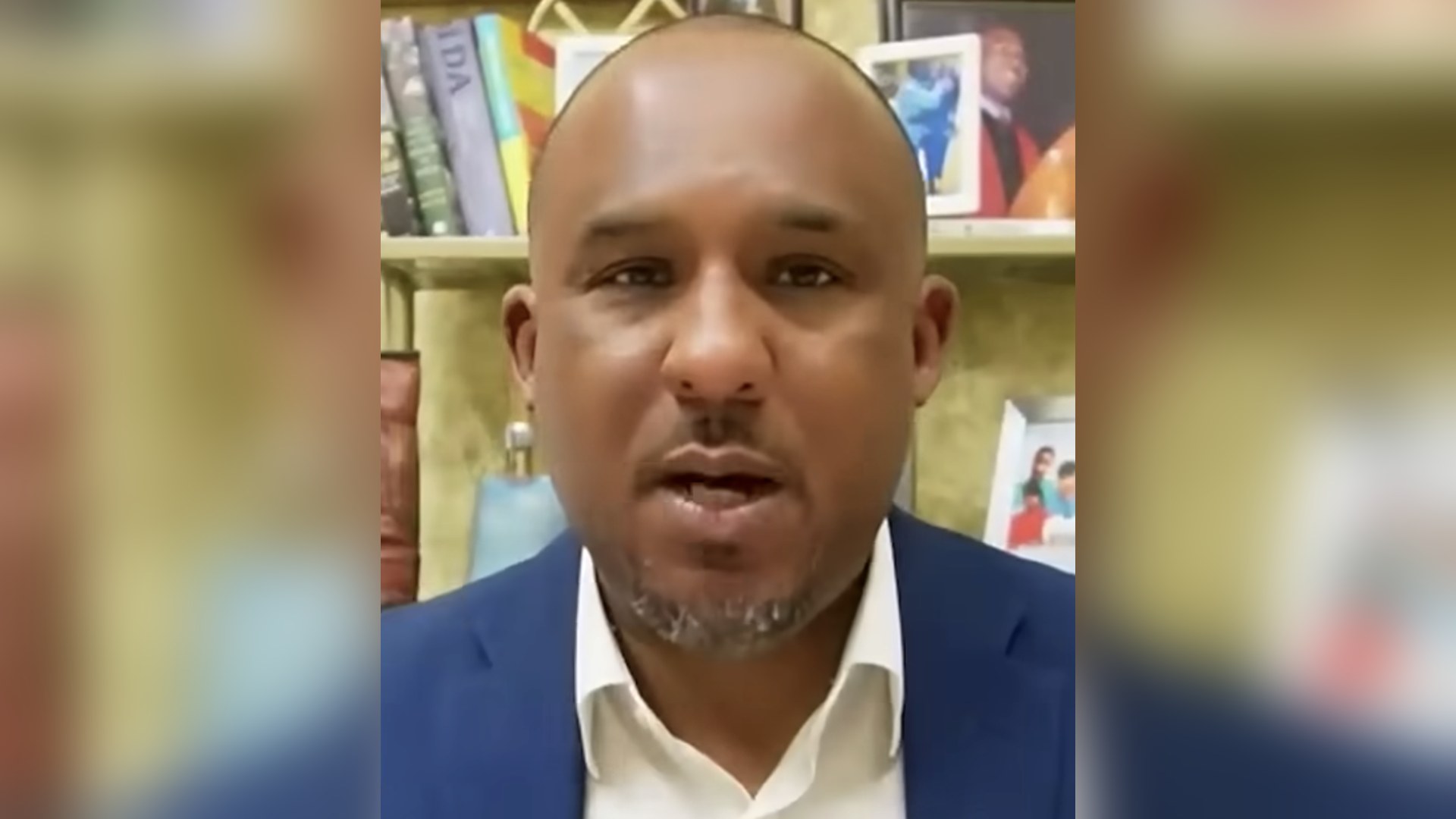
Andra Gillespie, a political scientist and professor at Emory University in Atlanta, saw this coming before Election Day.
“I would not be surprised if there is a special redistricting session,” Gillespie said.
“I think if Bottoms wins, there will absolutely be a special session that they’ll try to get done while Brian Kemp is still in office.”
3. The District Most at Risk Belongs to Sanford Bishop
The seat analysts call most exposed sits in the southwest corner of Georgia.
Representative Sanford Bishop won a new term on Tuesday with 60.87 percent of the vote in District 2.
His district remains one of the last Black majority congressional districts in the South still held by a Black member.
Split that district among the surrounding conservative districts, and it could fall into Republican hands.
The Atlanta area District 13 could also be targeted.
That seat was created in 2003 after the 2000 census and was held by the late Representative David Scott until his death earlier this year.
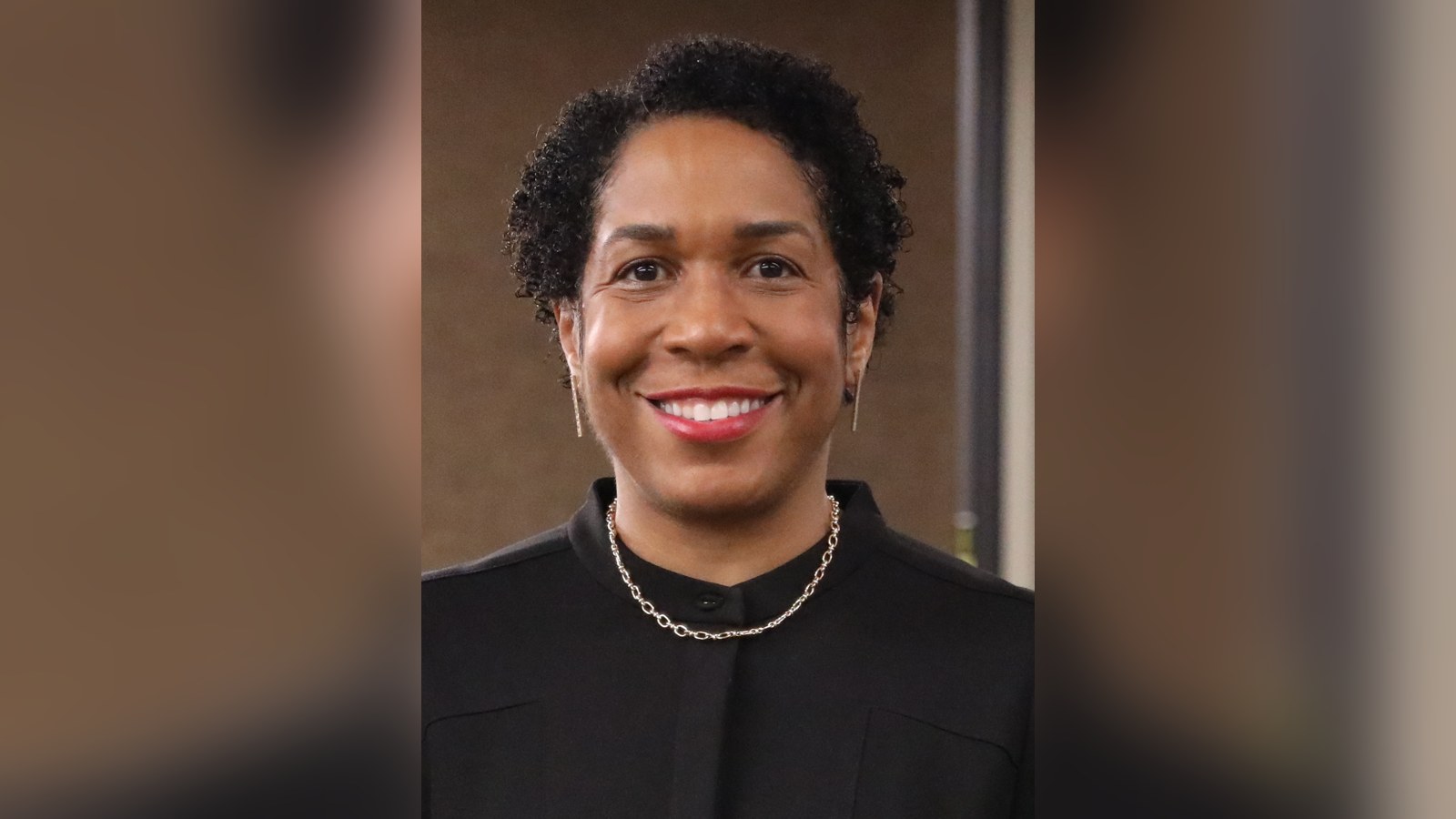
Democrat Jasmine Clark won it on Tuesday with 79.83 percent of the vote.
4. Atlanta Itself Limits How Far a New Map Can Go
Even Republicans who want new lines face a geography problem.
“Where they can credibly redistrict is limited,” Gillespie explained.
Metro Atlanta is simply too large and too Democratic to carve up the way smaller cities have been carved.
In Tennessee, lawmakers eliminated the only seat in the state held by a Democrat, a seat centered on majority Black Memphis.
Georgia has no single seat that holds all of its Black political power.
That power runs through Atlanta, Albany, Columbus, Macon, Augusta and Savannah, and through the rural Black Belt counties of the southwest.
5. The National Numbers Show What Is at Stake
Tuesday proved that Black voters can win under hard maps, and also that hard maps still cost seats.
Analysts count about 61 Black members in the next Congress, down from 65 in the current one.
Voting members in the House fall from about 60 to about 55, even as Black senators reach a record six and possibly seven.
In Louisiana, a seat once drawn as majority Black is now only about one quarter Black, with its election set for December 12.
In Alabama, Representative Shomari Figures won by nearly eight points after lawmakers cut the Black voting age population of his district from nearly 48 percent to about 40 percent.
In North Carolina, Representative Don Davis held a district that had been redrawn to flip.
The lesson cuts both ways.
Turnout saved some seats on Tuesday.
It should not have to save all of them every two years.
Federal courts will shape this fight as well, as the California ballots case at the Supreme Court showed this week.
6. What to Watch in the Weeks Ahead
The first signal will be a special session call from Kemp.
The second will be whether Burns treats his June letter as a lasting promise or as a pause.
There is also a real chance lawmakers decide to wait.
Gillespie noted that maps drawn to lock in Republican seats in Texas and Florida may have backfired in a Democratic sweep.
Some lawmakers may prefer to wait for the regular redistricting that follows the 2030 census, in 2031.
Voting rights groups in Georgia have already shown they can fill the Capitol in protest, as they did in June.
Follow the races still being counted on the UCP Election Tracker as this fight takes shape.
Bottoms won the vote count by more than 360,000.
The fight over whose votes count in Georgia is not finished, and Black Georgians intend to win that one too.