7 min read
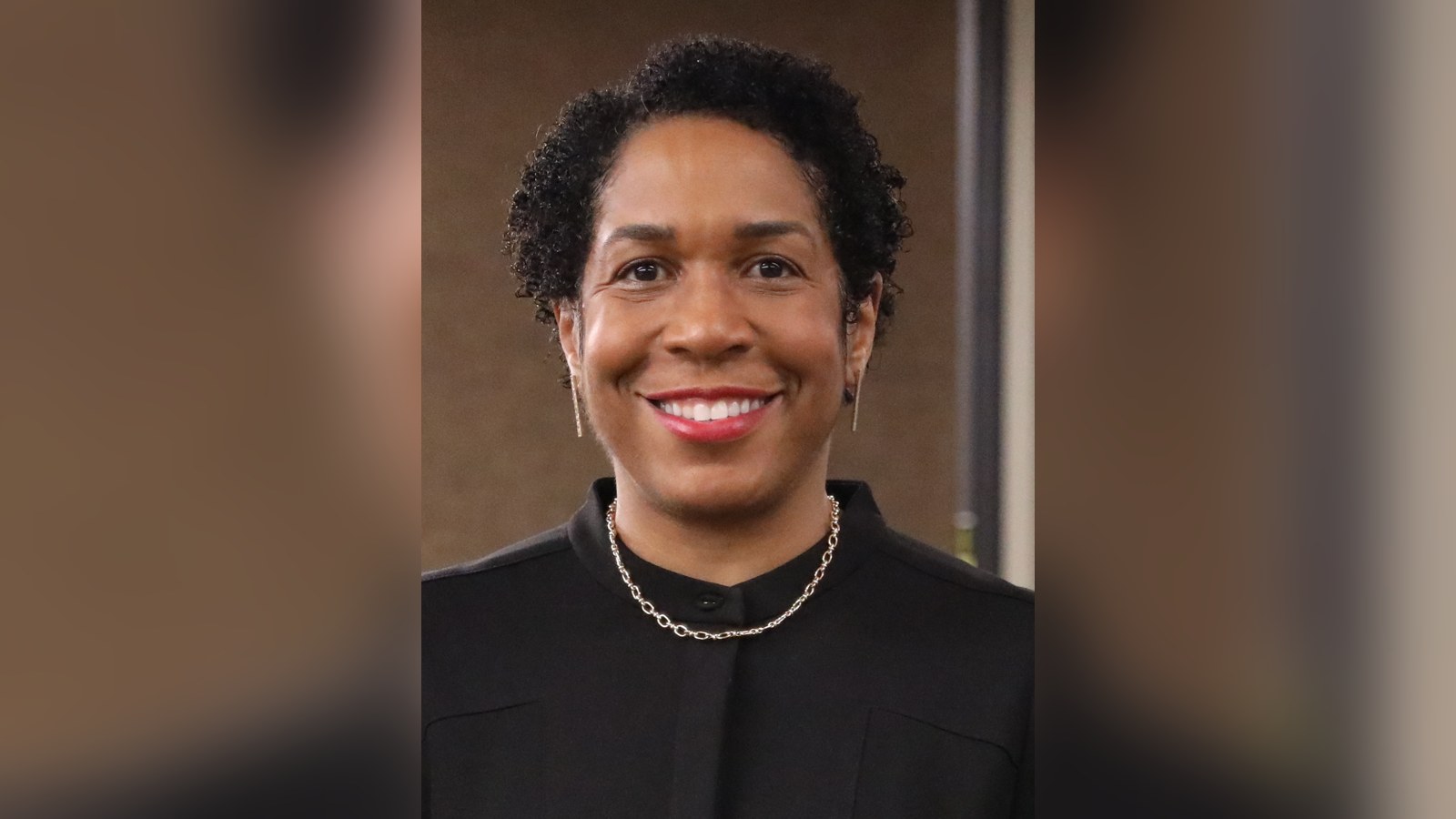
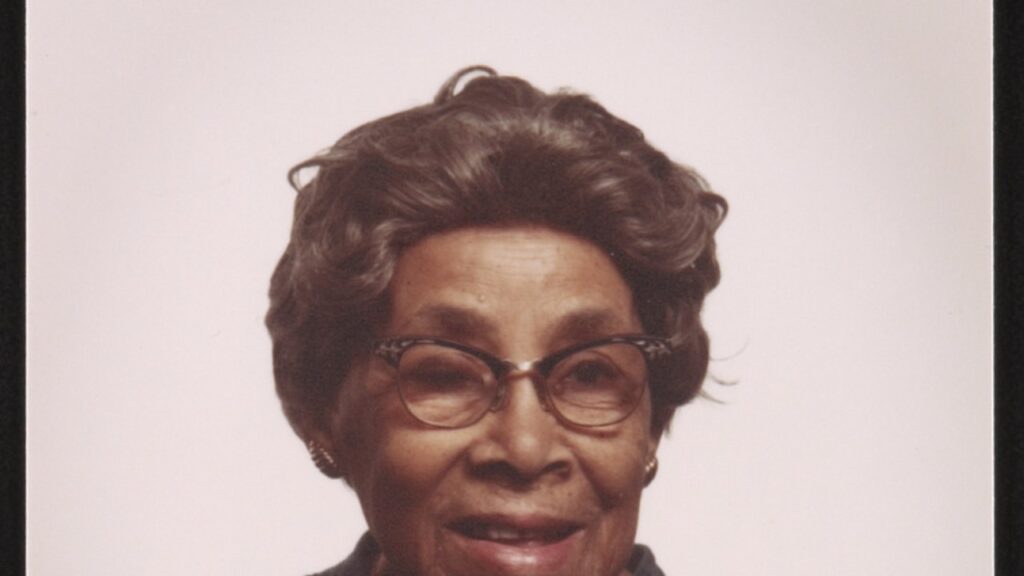
Septima Clark believed a pencil could change a nation. In her hands, reading lessons became voter registration drives.
Dr. Martin Luther King Jr. called her the Mother of the Movement. That title was earned in classrooms few history books ever pictured.
As America counts votes from another election this week, her story explains who built the road to the ballot box. Teachers did, one adult student at a time.
Major Takeaways
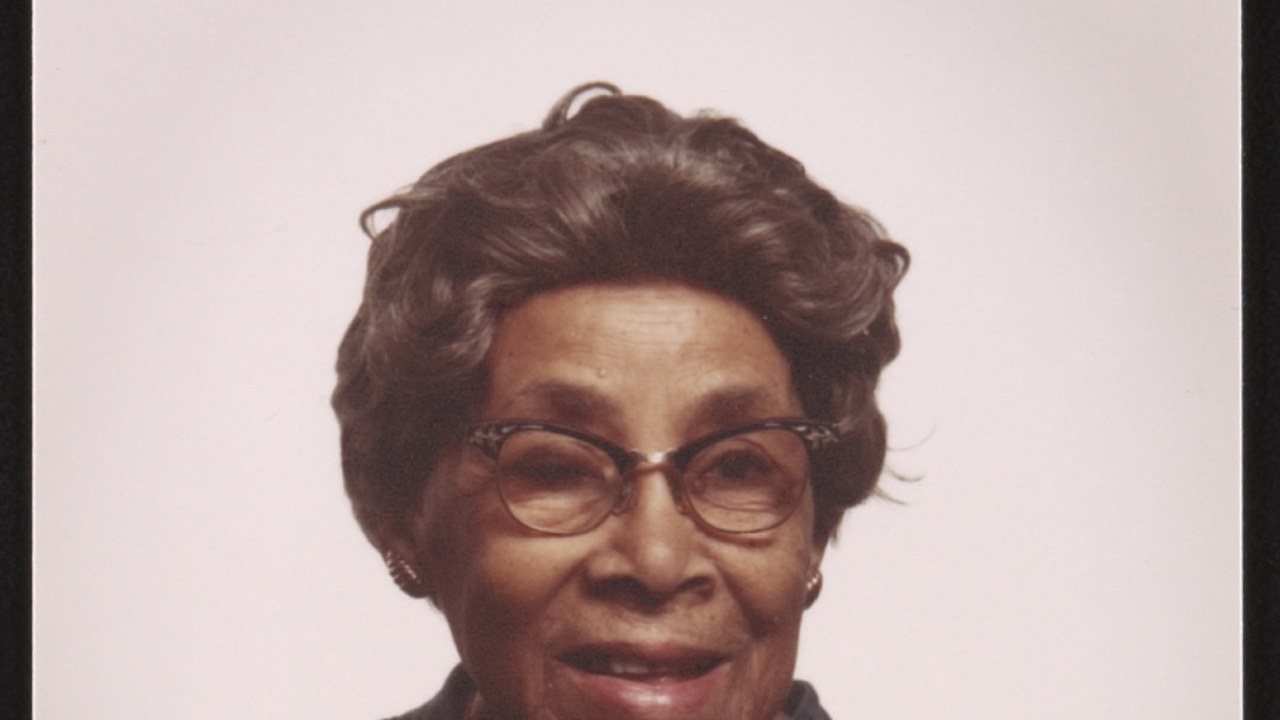
- Septima Clark turned literacy lessons into a direct path to the ballot for Black Southerners blocked by rigged tests.
- Her citizenship schools began on Johns Island in 1957 and spread across the South, reaching more than 28000 adults by 1970.
- South Carolina fired her in 1956 for refusing to leave the NAACP, and she answered by training a generation of local teachers.
- King called her the Mother of the Movement, and her model still guides voter education work in Black communities today.
Born Into a World That Feared Her Mind
Septima Poinsette Clark was born on May 3, 1898 in Charleston, South Carolina. Her father Peter had been enslaved as a child.
Her mother Victoria worked as a laundrywoman and had been raised in Haiti. The household was poor in money and rich in discipline.
Clark graduated from the Avery Normal Institute in 1916 at age eighteen. She passed her teaching exam and started work right away.
Charleston law barred Black teachers from city classrooms, so she taught on Johns Island instead. Her first school was a single room serving Sea Island families.
Those families lived close to the land and far from power. Many adults could not read the very forms that decided their rights.
Clark never forgot that lesson. The distance between a person and the vote, she learned, was often just an unread page.
Forty Years in the Classroom and the Fight
Clark taught across South Carolina for four decades, including long stretches in Columbia and Charleston. She kept studying during every summer break.
She studied under W. E. B. Du Bois at Atlanta University in 1937. She earned her bachelor degree from Benedict College in 1942.
She earned her master degree from Hampton Institute in 1946. Each credential sharpened a teacher already driven by service to her people.
She joined the Charleston branch of the NAACP and pushed for fair treatment. She backed a court fight that won equal pay for Black and white teachers in South Carolina.
That victory taught her a lasting truth about organizing. Patient pressure, applied together, could move even a stubborn Jim Crow system.
Then the system struck back at her directly. In 1956 South Carolina barred public employees from belonging to civil rights groups.
Clark refused to resign from the NAACP after forty years of teaching. The district let her contract lapse, and she lost her job and her pension path.
Fired at Fifty Eight and Just Getting Started
Many people would have called that ending a career. Clark treated it as a beginning, and she was already prepared for it.
During summer breaks she had run workshops at the Highlander Folk School in Monteagle, Tennessee. That school trained ordinary people to lead change at home.
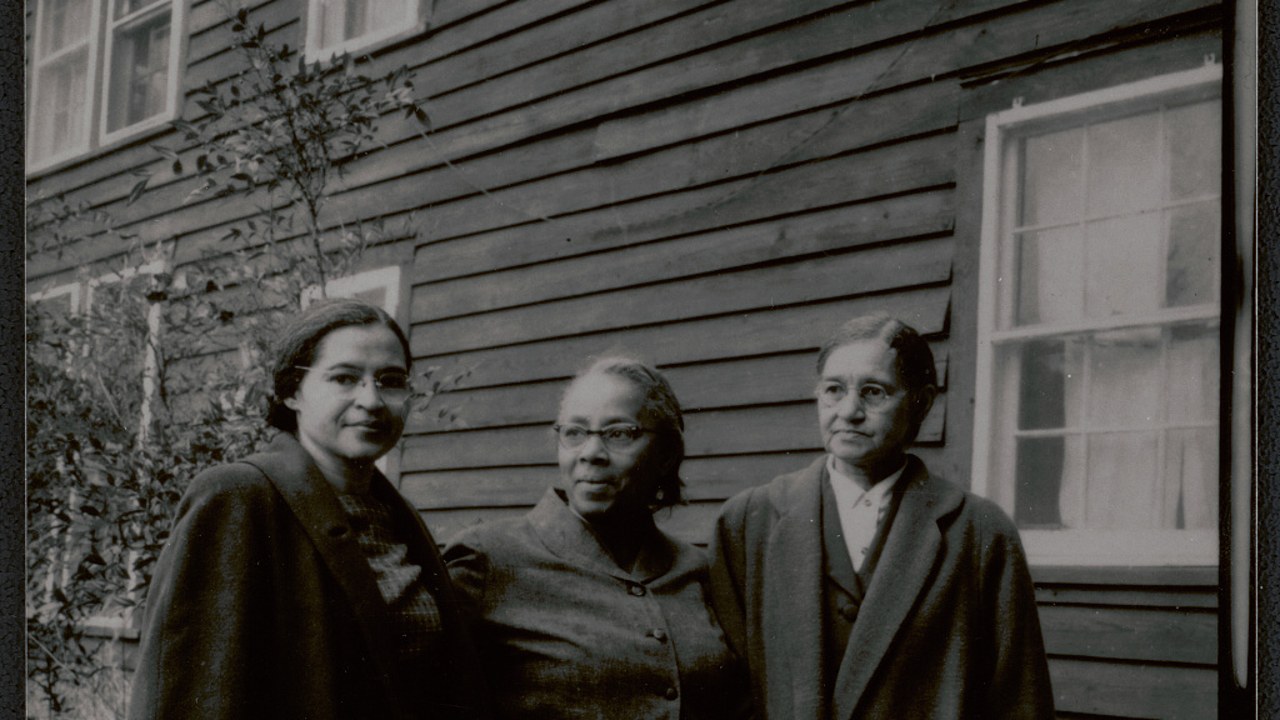
Rosa Parks attended one of her Highlander workshops in 1955. Months later, Parks helped spark the Montgomery bus boycott that shook the nation.
After her firing, Highlander hired Clark full time as director of workshops. She now taught adults full time, with the whole South as her classroom.
Her core belief was simple and radical at once. Literacy and political power are linked, and neither one can be separated from the other.
So she taught reading alongside rights and duties. Students learned letters, then learned how to complete a voter registration form with confidence.
Johns Island and the First Citizenship School
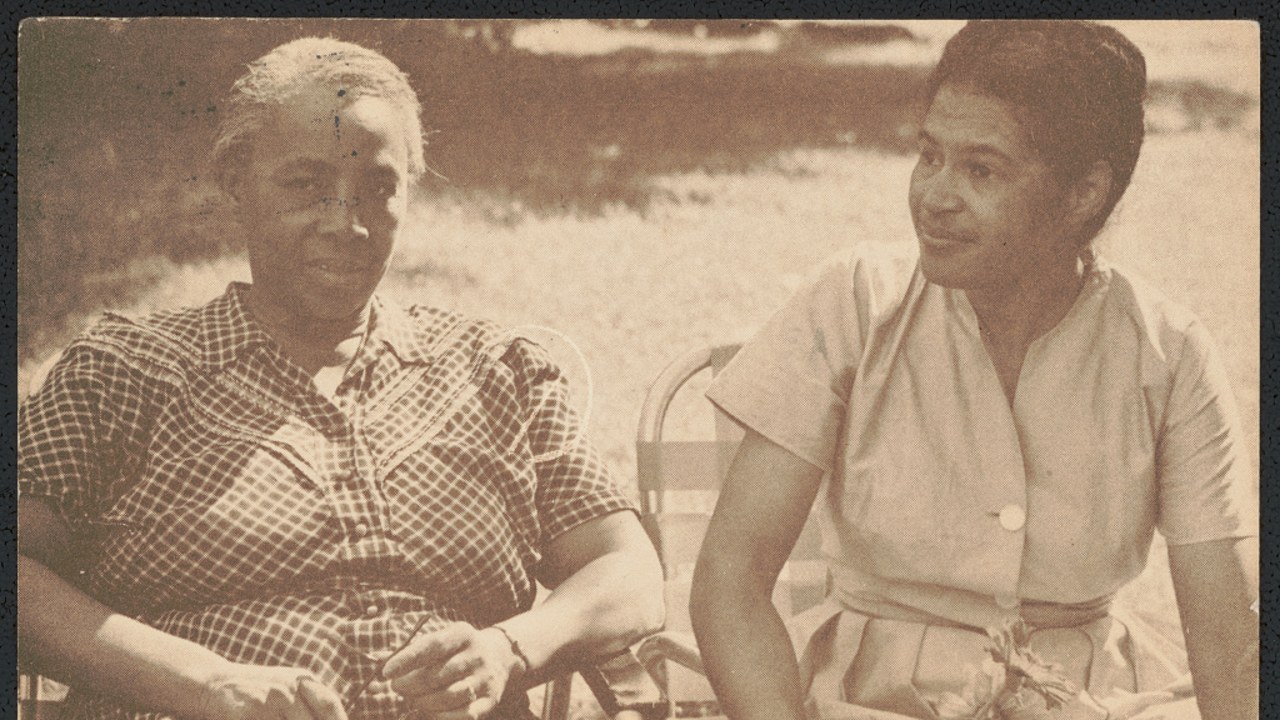
The breakthrough came home to Johns Island in January 1957. Clark built the first citizenship school there with Esau Jenkins and Bernice Robinson.
Jenkins was a bus driver who taught passengers pieces of the state constitution on his route. Robinson, a beautician, became the first teacher.
Classes met in a back room behind a community store on the island. Fourteen adults showed up for the first class, ready to learn.
Lessons used the paper of daily life, from catalogs to money orders. Students practiced signing names, reading forms and understanding state rules.
The goal was concrete and measurable for every student. Pass the literacy test at the registrar office and claim a place on the voting rolls.
Within months, early students were registering to vote on Johns Island. Word traveled fast through churches, porches and family tables across the Lowcountry.
More schools followed on nearby islands and in Charleston. Each one trained local teachers, so the model could multiply without waiting on outsiders.
A Model That Moved Across the Entire South
In 1961 Tennessee officials forced Highlander to close its doors. The work was too important to die with one school, so it moved.
The Southern Christian Leadership Conference adopted the program as its Citizenship Education Program. Clark became its director of education and teaching in Atlanta.
Week long training sessions prepared grassroots teachers from across the region. They learned to recruit students, judge reading levels and build lesson plans.
Those teachers went home and opened schools in beauty shops, churches and living rooms. Nearly nine hundred citizenship schools operated across the South.
More than 28000 adults passed through the schools between 1957 and 1970. Behind that number stand thousands of first time voters and new local leaders.
King praised her expert direction of the program in 1965. He called it the bulwark of the work his organization carried into small towns.
The Voting Rights Act of 1965 finally outlawed literacy tests nationwide. Clark and her teachers had spent years proving why that law was needed.
Honor Came Late and It Came From Home
Clark retired from the SCLC in 1970 and kept teaching wherever she was called. Retirement, for her, simply meant unpaid service to the same mission.
Charleston voters elected her to the county school board in 1975. She now sat on the same kind of board that had pushed her out.
In 1976 the governor of South Carolina restored her teacher pension. The state admitted she had been unjustly terminated two full decades earlier.
President Jimmy Carter gave her a Living Legacy Award in 1979. Her second memoir, Ready from Within, won an American Book Award after its 1986 release.
Clark died on December 15, 1987 on Johns Island at age eighty nine. She was buried in Charleston, the city that once refused her a classroom.
A Charleston expressway now carries her name across the water. Drivers cross daily over the legacy of a teacher the city once tried to silence.
Why Septima Clark Matters on This Election Week
Every election rests on quiet work done long before ballots print. Clark represents the organizers who register, educate and encourage voters year after year.
Her schools treated dignity as the first lesson of citizenship. Adults who had been shamed for not reading were honored as students and leaders.
That approach still speaks to Black communities facing new voting hurdles today. Knowledge of rules, deadlines and rights remains a form of protection.
When new voters cast ballots this week in Mississippi and beyond, they walk a path her students cleared. The registrar office door stands open because teachers pushed it.
Read about Hiram Revels, who carried Black political power into the Senate in 1870. Then meet Fannie Lou Hamer, who carried that same fight into 1964.
Clark left a plain charge for every generation that follows her. Learn the system, teach your neighbors, and never surrender the vote she fought to claim.