6 min read
Major Takeaways
- The Education Department opened civil rights investigations into 15 schools and state agencies over programs that recruit and support teachers of color.
- Programs under review include NYC Men Teach, which placed more than 3,100 male teachers of color in New York City classrooms.
- Federal data show about 80 percent of public school teachers are white, while only about 6 percent are Black.
- An investigation is an allegation, not a finding, but schools can lose federal money if the government rules against them.
The federal government has opened civil rights investigations into the very programs built to put more Black teachers in front of Black children.
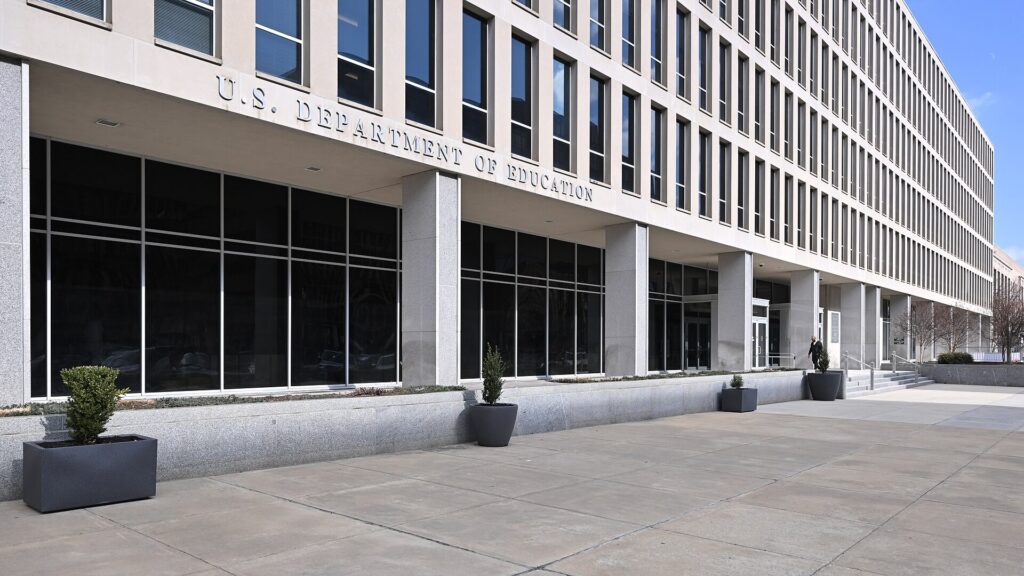
The Education Department announced Monday that its Office for Civil Rights formally opened the probes on Friday, November 13, covering 15 schools and state agencies.
The legal hooks are Title VI of the Civil Rights Act of 1964, which bars discrimination based on race, and Title IX, which bars sex discrimination in federally funded education.
The complaints came from the Equal Protection Project, a legal advocacy group founded by Cornell Law professor William Jacobson as part of the Legal Insurrection Foundation.
The First Four Targets Reach Deep Into Black Communities
The City University of New York is under investigation over NYC Men Teach, created around 2015 to add 1,000 male teachers of color to the city teacher pipeline.
A March 2026 evaluation by the research firm Westat credits the program with more than 3,100 new male teachers of color placed in New York City public schools across eight school years ending in 2024.
CUNY, whose program eligibility rules do not limit applicants by race, answered the probe head on. The university said it was “proud of its role educating the teachers of tomorrow and our programs are open to all students regardless of race, gender or national origin.”
The University of Maryland College of Education is under review over a state diversity grant program that sent the school nearly 100,000 dollars, and over its EdTerps CARES Network for transfer students entering teaching.
Minnesota has two agencies on the list. Its Department of Education tuition assistance program moved more than 5.8 million dollars to universities from 2024 to 2026 to grow the ranks of teacher candidates of color and American Indian candidates.
The Minnesota Office of Higher Education runs an Aspiring Teachers of Color Scholarship Pilot Program and an Underrepresented Student Teacher Grant. Federal officials say both tied eligibility to the race of the applicant.
Eleven More Universities Are Now in the Same Fight
Beyond the first four, 11 more universities face investigations over similar allegations about scholarships, fellowships and support services.
The list reaches the University of California Berkeley, the University of California Los Angeles, Campbell University, Drake University and the College of DuPage.
It also names Middle Tennessee State University, the University of Northern Iowa, the University of Tennessee Knoxville, the University of San Diego, Seattle University and Westfield State University.
Berkeley now sits in two federal actions at once, after the same office opened a November 3 probe into its Black student programs, including its African American Student Development Office and Black Resource Center.

Washington Calls It Merit. Educators Call It a Rollback
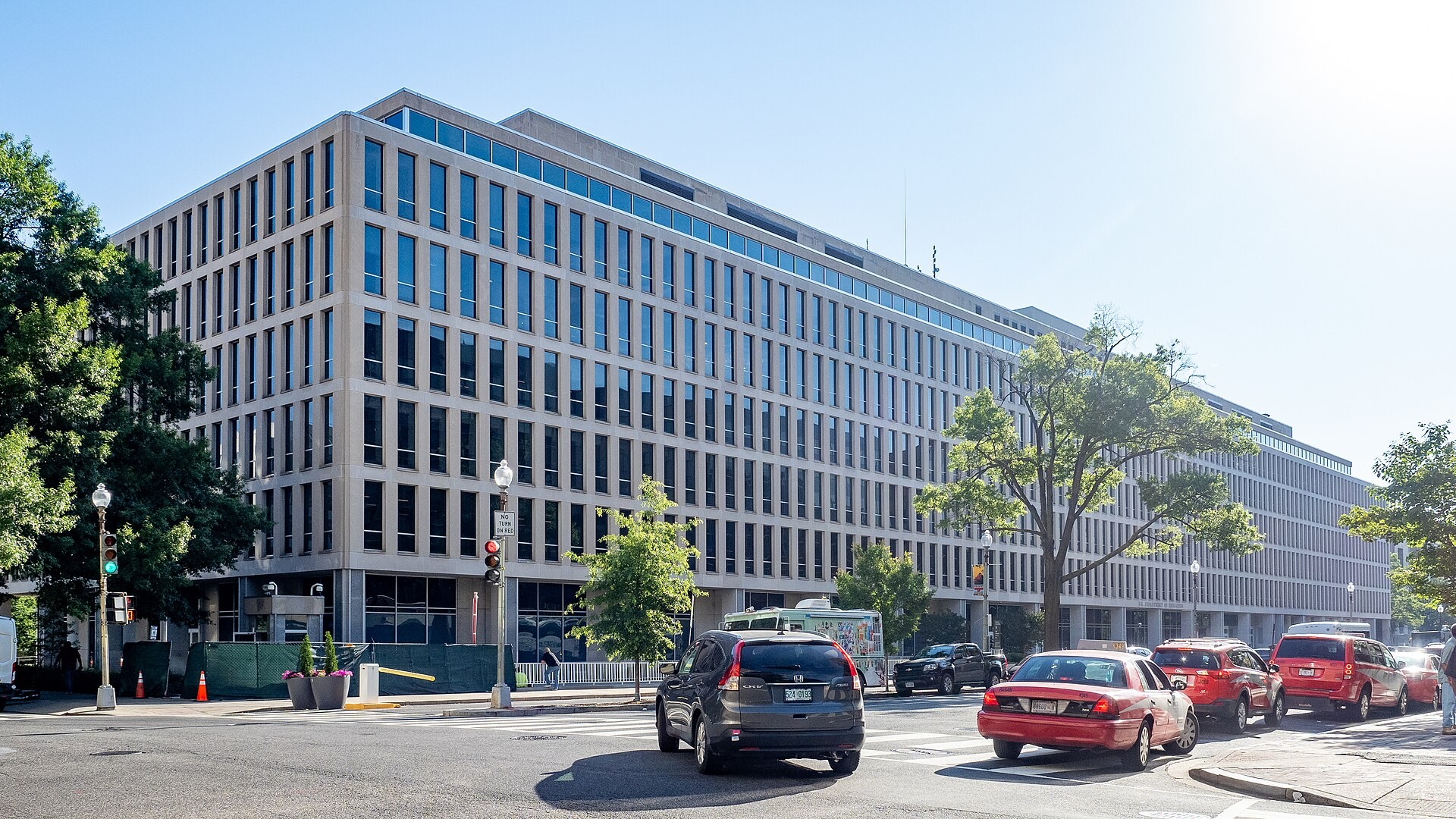
Assistant Secretary for Civil Rights Kimberly Richey said in a November 13 statement: “Race, national origin, or sex should not decide who will shape America’s next generation, yet many states and universities seem to prioritize recruiting and training ‘minority’ candidates rather than evaluating candidates based solely on merit,” Richey said.
Education advocates heard something different. Eric Duncan of EdTrust said the administration is using civil rights protections meant to expand opportunity to instead undermine pathways into teaching for people historically excluded from the profession.
“The administration’s false divide between ‘merit’ and diversity perpetuates the damaging suggestion that teachers of color are less qualified or less deserving,” Duncan said. The probes, he said, “risk turning civil rights enforcement into a tool for preserving the very inequities it should confront.”
The American Association of Colleges for Teacher Education added that decades of research confirm a diverse educator workforce benefits all students academically, socially and emotionally.
Representative Suzanne Bonamici of Oregon, who is vying to chair the House education committee next year, called the probes another misuse of the limited capacity of the Office for Civil Rights.
“The federal government should not be penalizing schools for bringing underrepresented populations into the teaching profession, particularly when there is a nationwide educator shortage,” Bonamici said.
The Numbers Explain Why These Programs Exist
The teacher workforce does not look like the student body it serves. Federal data show roughly 80 percent of public school teachers in the 2020 to 2021 school year were white, while about 6 percent were Black and 9 percent were Hispanic.
Black children make up a far larger share of enrollment, and research ties having even one Black teacher early in school to higher graduation and college ambitions for Black students, especially Black boys.
Districts keep building those pipelines on purpose, much like the Los Angeles school board backing Black students with targeted votes earlier this fall.
One Front in a Much Wider Campaign
These probes did not arrive out of nowhere. In 2025 the department terminated more than 600 million dollars in educator training grants, and admitted in a March court filing that it had cancelled 104 of 109 active grants under two major teacher programs.
Survey findings released in October counted at least 127 teacher candidates who dropped out after those cuts and 259 accepted candidates who never enrolled.
State level fights run on the same track, including the Mississippi DEI ban put back in force after a court ruling this year.
The pattern reaches beyond classrooms, into the census rule fight over whether race questions stay in the count, detailed in our look at how the 2030 census rule could erase Black voices.
What Happens Next for Black Teachers and Students
An investigation is not a verdict. The civil rights office has made no finding against any of the 15 schools and agencies, and each will get to defend its program.
But the stakes are real. Schools found in violation can be pushed into agreements that rewrite their programs, and those that refuse risk losing federal funding.
The quieter damage may come first, as programs that fear a probe stop recruiting where Black future teachers actually are and scholarship money sits unspent while lawyers argue.
For Black families, the question underneath this fight is simple. Our children deserve teachers who know their names and their worth, and the pipeline that produces those teachers is being treated as a civil rights problem instead of a civil rights answer.