7 min read
Los Angeles delivered a loud message about Black students this week.
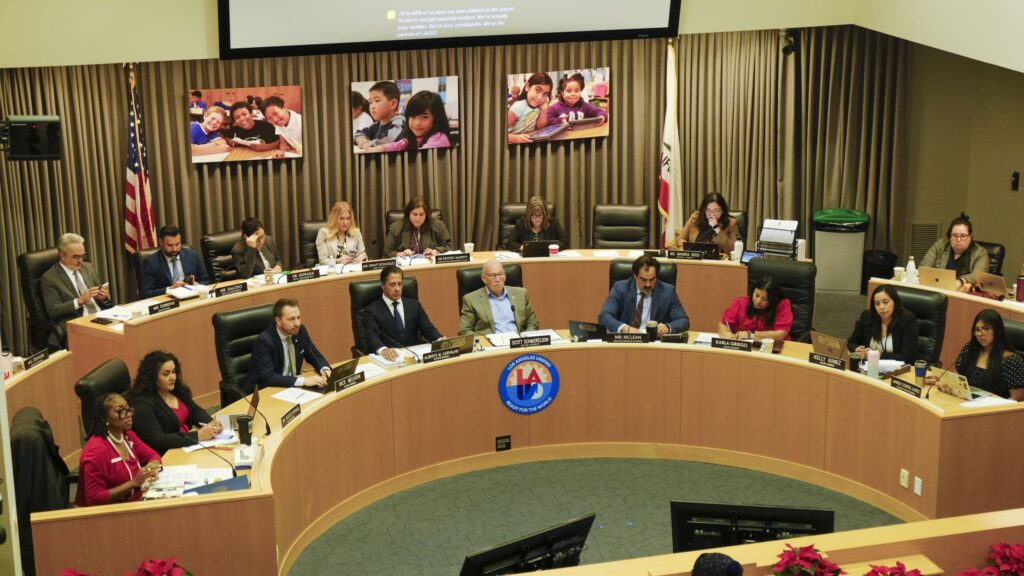
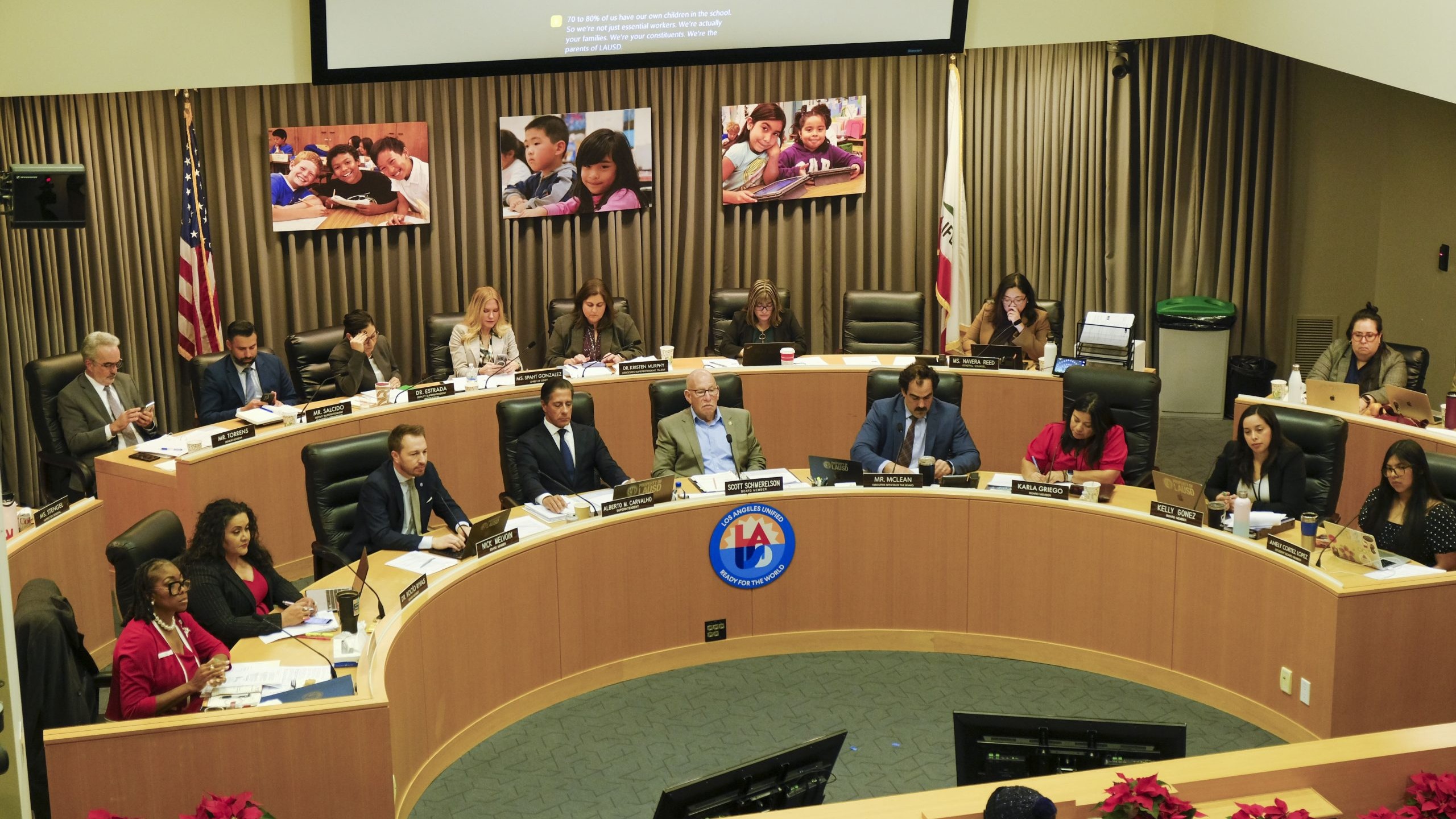
The school board for Los Angeles Unified took two major votes on Tuesday.
One vote ordered a stronger fight against hate speech on campus.
The other protected 100 million dollars a year for the Black Student Achievement Plan.
Los Angeles Unified is the second largest school district in the nation.
Black students make up about 7 percent of its students.
Major Takeaways
- The board voted unanimously to strengthen rules against hate speech, harassment and discrimination in Los Angeles schools.
- Black educators told the board about slurs, banana peels at classroom doors and students making monkey gestures during lessons.
- The board also locked in 100 million dollars a year for the Black Student Achievement Plan for each of the next two school years.
- A federal civil rights investigation into the plan remains open, and district staff must report progress on hate speech in March.
1. LAUSD Teachers Described Abuse That Went Unanswered
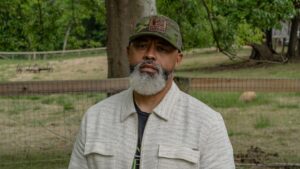
Bruce Brown teaches at San Fernando High School.
He has spent 15 of his 28 years in education inside the district.
“Students have kicked my door and ran away, leaving banana peels, N words, saying things that are extremely bigoted,” Brown told board members.
He said he finally wrote his own hate speech policy.
Nobody else was taking action, he told the board.
“The word is not acceptable,” Brown said. “It is a slur.”
Shelly Castillo teaches history at San Fernando Middle School.
She said Black students told her classmates called them the N word and monkeys.
She found the slur written on desks and on her classroom whiteboard.
Students made monkey gestures toward her while she taught, she said.
Castillo said students often stay silent about the abuse.
Many fear they will not be believed, she explained.
Others fear isolation or retaliation if they speak up.
Senior Chloe Claxton spoke as a student at a mostly white school.
She said students who used slurs were rarely held accountable.
Some got a light warning, she said. Others were never reported at all.
Black educators have documented reports like these since at least 2020.
2. The Resolution Orders Training, Reporting and Accountability
Board member Karla Griego introduced the hate speech resolution.
Its title promises stronger districtwide policies and school based strategies against hate speech and harassment.
Every board member voted yes, including the student board member.
The plan calls for more staff training across the district.
It orders updated reference guides for schools.
It demands more consistent reporting when incidents happen.
It adds stronger accountability measures after reports are filed.
Students will get more counseling tied to hate speech and slurs.
“This should not open the door to punitive action against our students,” Griego said.
She said students must learn the meaning and the harm of slurs.
Board member Tanya Ortiz Franklin urged workshops for families.
Those sessions would explain why the word counts as hate speech in schools.
Staff must report back to the board on progress in March.
A coalition backed the resolution in writing before the vote.
The supporters included the Black Educator Advocates Network, the Community Alliance, the Watts Power Foundation and the Black Teachers Project.
Some supporters say the final text is weaker than they wanted.
They note it speaks broadly about hate speech of all kinds.
They also note it says far less about protecting educators.
Board member Kelly Gonez said she heard the urgency from Black educators directly.
“I have heard loud and clear from my community about the need for further action,” Gonez said.
Board member Sherlett Hendy Newbill is the only Black member of the board.
“Our success cannot be measured simply by the passage of this resolution, but by what happens afterward,” Newbill said.
Superintendent Andrés E. Chait backed both the message and the mandate.
“Hate speech, harassment, and discrimination have no place in our schools,” Chait said.
3. The Board Protected 100 Million Dollars for Black Student Achievement
The second vote amended the district fiscal stabilization plan.
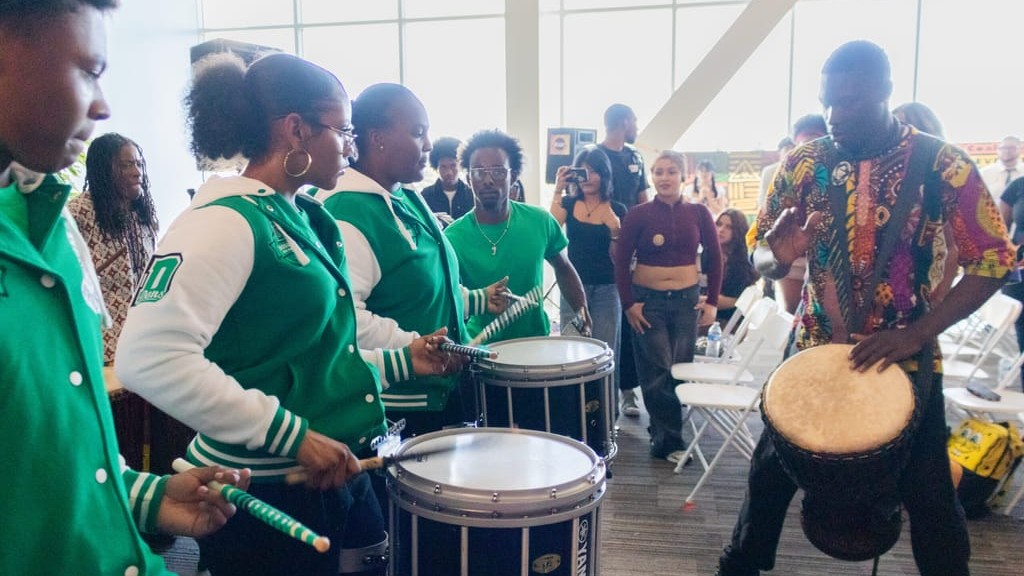
It keeps the Black Student Achievement Plan at 100 million dollars a year.
The funding now holds steady for each of the next two school years.
An earlier draft offered 75 million dollars one year and nothing the next.
The board acted while facing huge projected budget shortfalls.
The district projects a shortfall of 1.3 billion dollars in the first year.
The projected shortfall grows to 3.6 billion dollars the year after.
The same resolution also guards campus supervision staffing.
It directs about 20 million dollars from a student equity allocation toward campus supervision across all schools.
The achievement plan launched in February 2021.
It began with 25 million dollars moved away from campus police.
It now serves more than 200 schools with large Black student populations.
Those schools gain counselors, psychiatric social workers and restorative justice teachers.
District data shows why supporters fight so hard for the program.
Only 36 percent of Black students meet or exceed English standards.
The rate is 69 percent for white students and 80 percent for Asian students.
Black students graduated at 87.7 percent, edging past classmates at 86.7 percent.
Eligibility for California public universities rose from 40 percent to 53.7 percent.
That climb ran from 2021 to 2025, and the eligibility gap narrowed from 8.1 points to 4.7 points.
4. A Federal Investigation Still Hangs Over the Plan
The funding vote came during an open federal civil rights investigation.
The Office for Civil Rights is examining claims the plan discriminates.
Critics say the plan directs money and services based on race.
Defending Education first filed its complaint in July 2023.
Federal officials closed the first inquiry in July 2024.
The district had told them it shifted to race neutral criteria.
The group later challenged whether that change was genuine.
It cited remarks said to be caught on a hot mic in October 2024.
The group asked officials to reopen the case in March of this year.
Officials agreed in April and resumed the investigation.
The department said it will fight to ensure that “no student is ever denied opportunity based on their race.”
Sarah Parshall Perry of Defending Education blasted the funding vote.
Perry said a district pleading poverty “still managed to unearth nine figures a year for a program with a racial classification in its name.”
Supporters answer that the plan targets students history has overlooked.
UCLA education professor Tyrone Howard welcomed the vote.
“The challenges affecting Black students have improved, but there is still much more work to do,” Howard said.
He said plan resources and training benefit students across the district.
He noted about 90 percent of district students are students of color.
Chait said the district will make responsible financial decisions.
He said it will still protect educational opportunities and essential student services.
5. What Black Families Should Watch Next
Two tests now define whether these votes change daily school life.
District staff owe the board a progress report in March.
Watch whether incident reports get consistent answers at every campus.
Watch whether counselors and social workers stay funded at plan schools.
Watch whether the federal inquiry forces new changes to eligibility.
The stakes for Black children inside big public systems also drive our coverage of the Philadelphia investigation into the death of Malayshia Alford.
The plan survived budget cuts and political pressure this week.
Its survival now depends on delivery inside classrooms and hallways.
Follow continuing coverage in the Urban City Podcast News section as the March report approaches.
Visit urbancitypodcast.com for daily reporting that centers Black students, families and educators.