9 min read
Election Day is here, and Black candidates are not waiting on the sidelines of American politics.
They are at the very center of it.
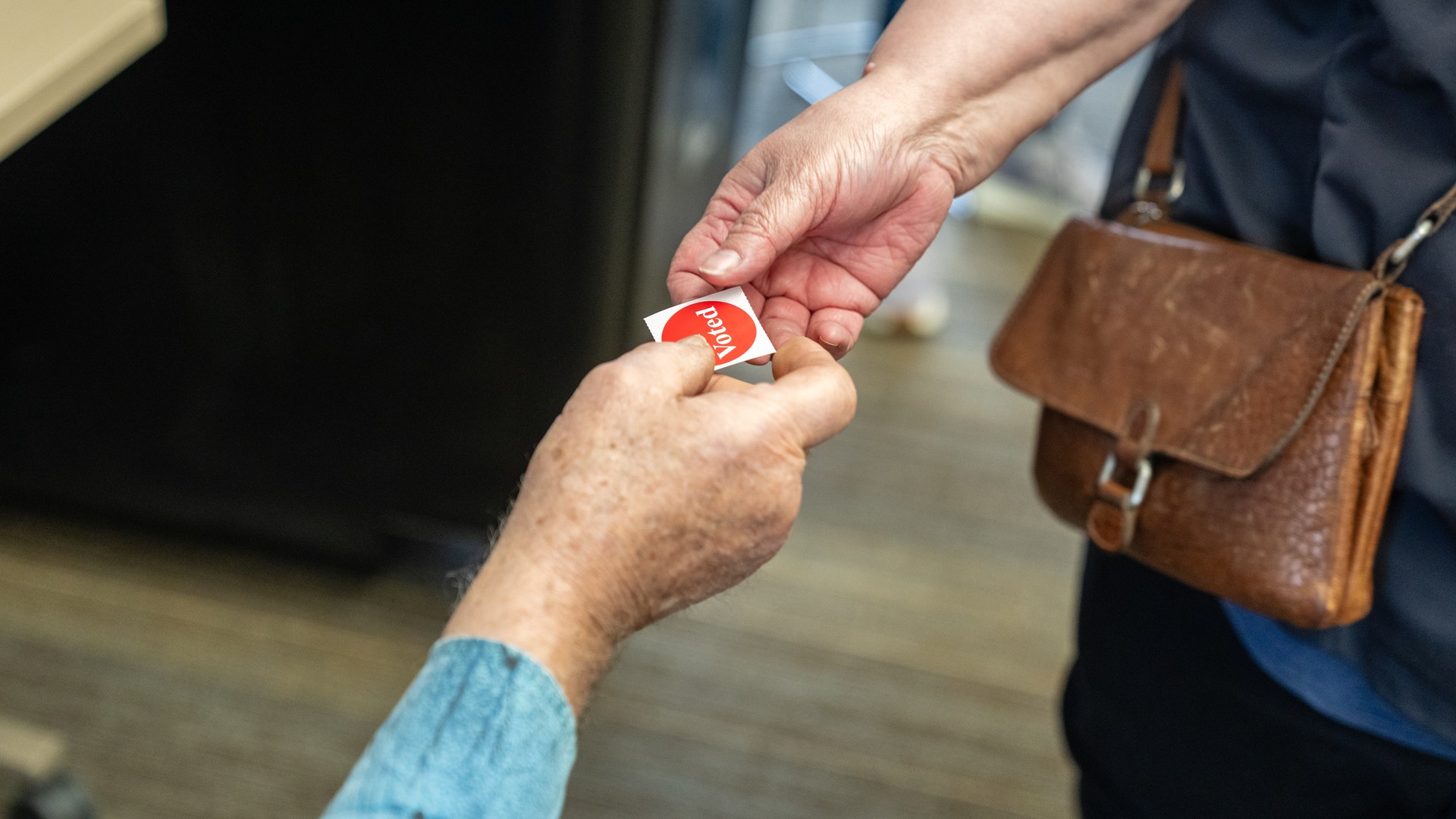
Polls opened Tuesday morning, November 3, with control of Congress on the ballot in every state.
Governors will also be chosen across the country, from Georgia to Wisconsin to Nevada.
For Black America, this is more than a normal midterm election.
It is a day when several pages of the history books could be rewritten in a single night.
Major Takeaways
- Eight Black nominees are running for governor this year, and five are Democrats and three are Republicans.
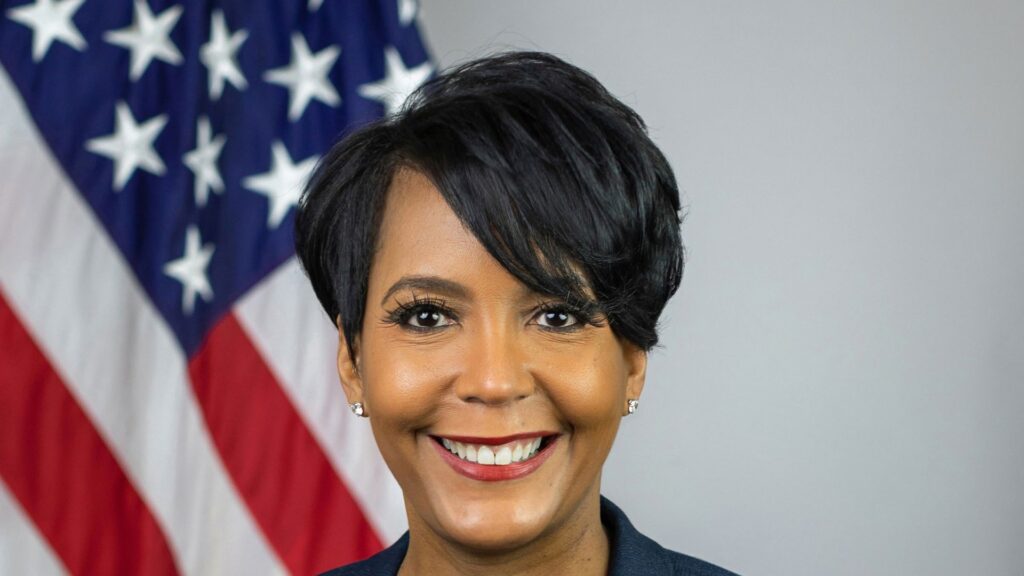
- Keisha Lance Bottoms of Georgia could become the first Black woman elected governor in American history.
- Juliana Stratton of Illinois could become only the fifth Black woman ever elected to the United States Senate.
- Hakeem Jeffries of New York could become the first Black Speaker of the House in American history.
- Black turnout in the South and the Midwest will help decide nearly every one of these races.
1. Georgia Holds the Biggest Prize for Black Candidates
The race drawing the most attention sits in Georgia.
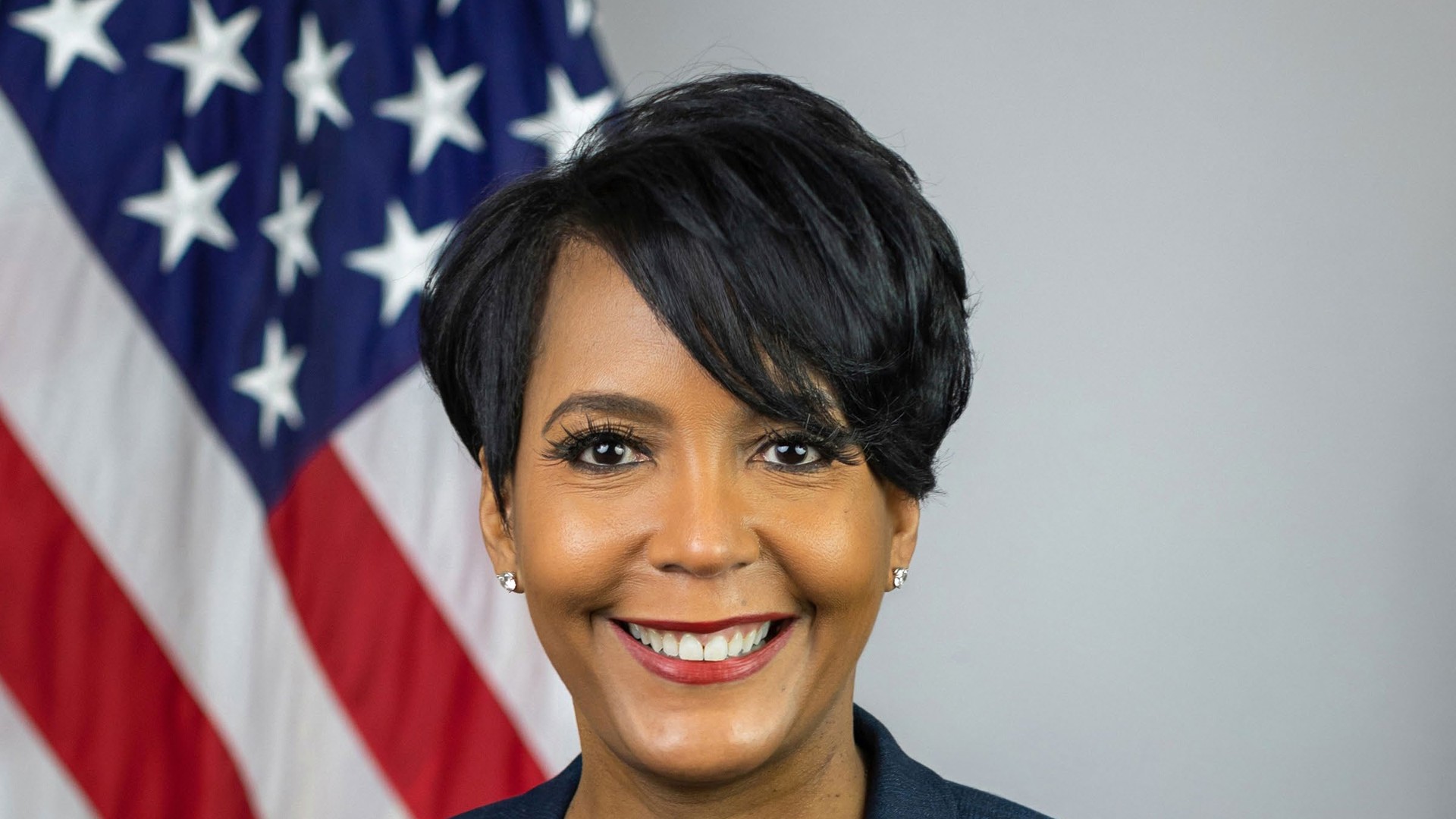
Keisha Lance Bottoms, the former mayor of Atlanta, is the Democratic nominee for governor.
She faces Republican Rick Jackson in an open race for the office.
A State Navigate poll taken October 23 to 27 put Bottoms at 50 percent and Jackson at 47 percent.
Several polling averages show the contest essentially tied heading into Election Day.
A Bottoms victory would make her the first Black governor in Georgia history.
It would also make her the first Black woman elected governor anywhere in the United States.
No Black woman has ever served as governor of any state.
Georgia is the state where Stacey Abrams came within reach of that same office in 2018.
Bottoms now stands closer than anyone before her, and the math runs through Black Georgia.
Her result will turn on turnout in metro Atlanta and across the Black Belt counties of middle and south Georgia.
2. Eight Black Nominees for Governor Is a Record Slate
Georgia is only one piece of a much larger picture.
Eight Black major party nominees reached the general election in races for governor this year.
Only three Black Americans have ever been elected governor by voters in the whole history of the country.
Those three are L. Douglas Wilder of Virginia, Deval Patrick of Massachusetts and Wes Moore of Maryland.
Moore is on the ballot again in Maryland, seeking a second term against Republican Dan Cox.
It is a rematch of their 2022 race, which Moore won with about 65 percent of the vote.
In Wisconsin, Milwaukee County Executive David Crowley faces Republican Tom Tiffany.
A Crowley victory would make him the first Black governor in Wisconsin history.
His path runs through Milwaukee, where Black turnout has decided statewide races before.
In Florida, Republican Representative Byron Donalds is running for governor against Democrat David Jolly.
A Donalds victory would make him the first Black governor in Florida history.
In Nevada, Attorney General Aaron Ford is challenging Republican Governor Joe Lombardo.
A Ford victory would make him the first Black governor in Nevada history.
In Michigan, Republican John James faces Democrat Jocelyn Benson for governor.
In South Carolina, Democrat Jermaine Johnson is running against Republican Alan Wilson.
Johnson, a former professional basketball player and state lawmaker, would become the first Black governor of South Carolina.
South Carolina has not elected a Democratic governor since 1998.
The eighth nominee, Republican Lisa Demuth, is on the ballot in Minnesota.
The slate crosses party lines, regions and ideology, and that breadth is the story.
Black candidates are no longer rare guests in races for the highest office in a state.
They are now regular contenders, and several of them are favored or tied on Election Day.
3. Black Women Are Running for the Senate in Record Fashion
The Senate slate carries its own history.
Only five Black women have ever served in the United States Senate.
This year, five Black women are on Senate ballots across the country.
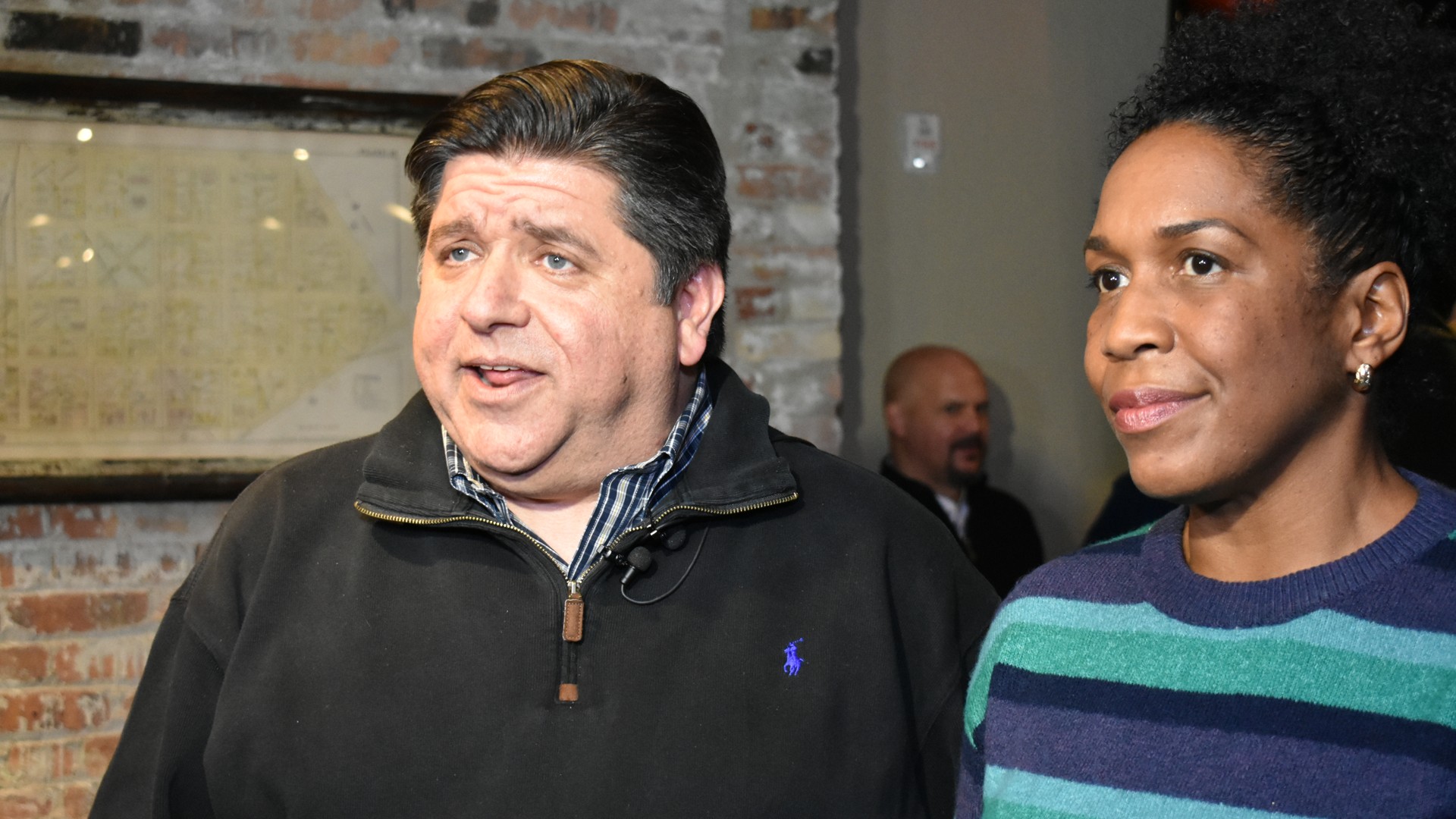
Illinois Lieutenant Governor Juliana Stratton leads that group.
Stratton, a Democrat, is running against Republican Don Tracy for the seat long held by Dick Durbin.
A Stratton victory would make her only the fifth Black woman ever elected to the Senate.
It would also bring the number of Black women serving in the Senate at the same time to three.
That has never happened before in American history.
In Florida, State Representative Angie Nixon faces appointed Republican Senator Ashley Moody in a special election.
Nixon would become the first Black woman to represent Florida in the Senate.
She would also become the first Black American elected to the Senate from Florida at all.
In Tennessee, Marquita Bradshaw could become the first Black woman senator in state history.
In Oklahoma, Nikyla Thomas could become the first woman to represent the state in the Senate.
Bishop Leah Daughtry, a co convener of the Black Women’s Leadership Collective, put the moment plainly.
“Black women are not stepping back. We are stepping up, running for office, driving turnout, protecting voters,” Daughtry said.
Her words match the record number of Black women running for office in this midterm cycle.
Black women are also leading campaigns, organizing neighborhoods and serving as poll workers today.
4. Mississippi Still Offers a Reconstruction Era Breakthrough
One more Senate race carries deep historical weight.
In Mississippi, Democrat Scott Colom is challenging Republican Senator Cindy Hyde Smith.
The final polls in the race showed Hyde Smith at 43 percent and Colom at 40 percent.
Independent Ty Pinkins stood at 6 percent in that final survey.
No Democrat has won a Senate race in Mississippi since 1982.
President Donald Trump carried the state by more than twenty points in 2024.
Yet Colom, a longtime district attorney, has stayed within reach all fall.
A Colom victory would make him the first Black senator from Mississippi since Reconstruction.
UCP is following that race all night on the UCP Election Tracker.
The same Black turnout question hangs over the Texas Senate race covered here yesterday.
It also hangs over Michigan, where yesterday’s endorsement shock reshaped the Michigan Senate race.
5. The Speaker Gavel Could Make History Too
The biggest prize in the House is not a single district.
It is the gavel itself.
Republicans entered Election Day holding a narrow House majority.
Democrats need a net gain of only a few seats to take control of the chamber.
If Democrats win the House, their leader is expected to become the next Speaker.
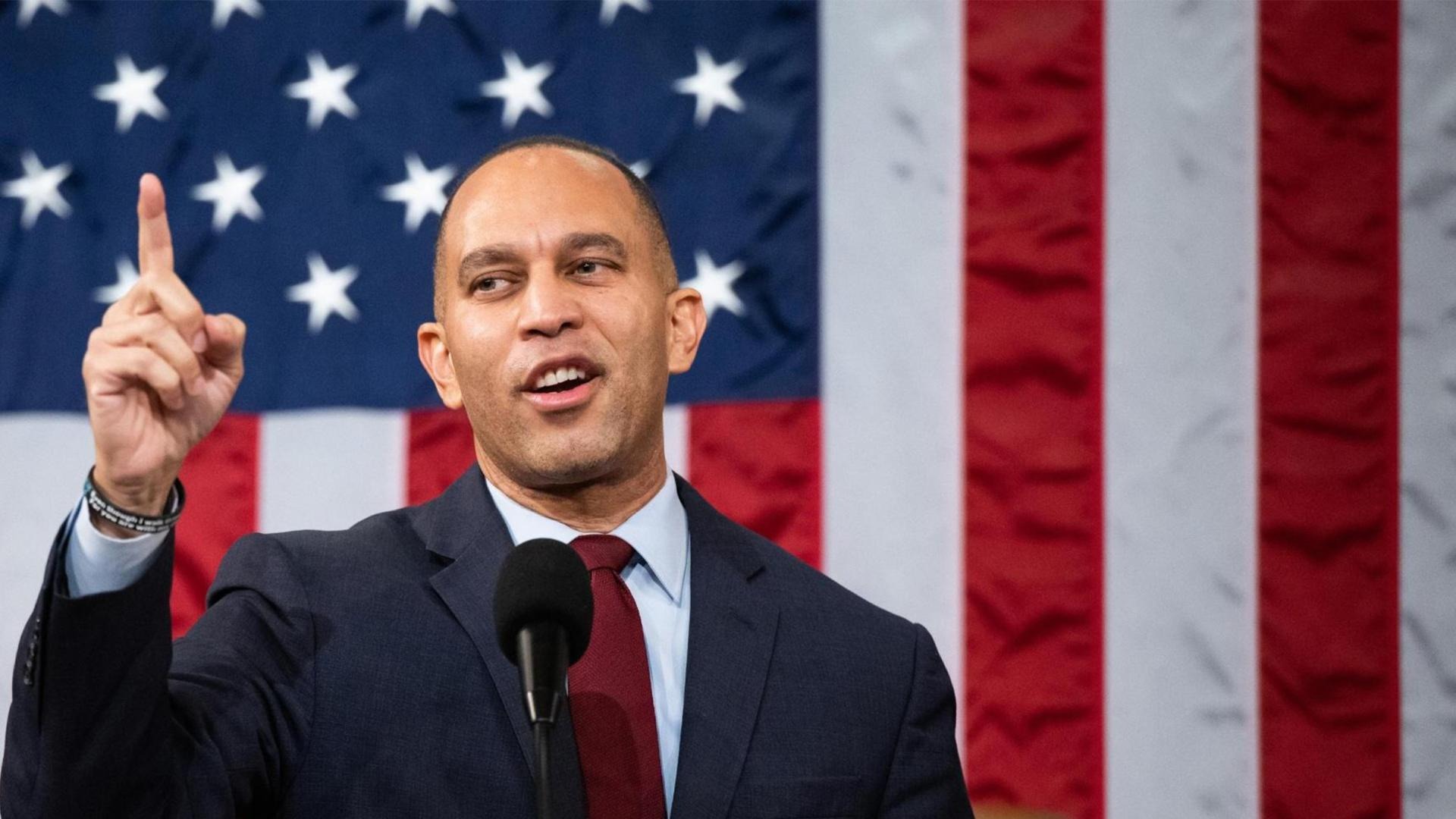
That leader is Hakeem Jeffries of New York.
Jeffries would become the first Black Speaker in American history.
The Speaker stands second in line to the presidency, behind only the vice president.
Jeffries has campaigned in more than fifty cities for House Democrats this fall.
“We are on the verge of taking back control of the House,” Jeffries said on the trail.
He has said the first focus of a Democratic House would be the cost of living.
For Black voters, a Jeffries speakership would place a Black leader at the center of every national fight.
Those fights include voting rights, health care costs and the federal budget.
6. Turnout Will Decide Whether History Happens
None of these firsts are guaranteed.
Each one depends on who shows up today.
About 30.65 million Black Americans are eligible to vote in 2026.
That is an increase of 1.65 million since the 2022 midterm elections.
More than 54 million Americans had already voted before Election Day arrived.
Black voters cast about 32 percent of the early vote in Georgia.
Black voters cast about 22 percent of the early vote in North Carolina, up sharply from 2022.
Voters heading to the polls today will also see an unusual federal presence.
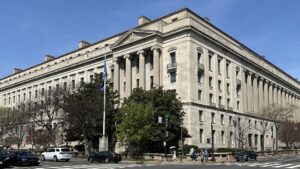
The Justice Department released its list this morning of the places receiving its 1,000 election monitors.
The department called it the largest monitoring effort in history, covering all fifty states.
The list includes Fulton and DeKalb counties in Georgia, Detroit and Flint in Michigan, and Harris and Dallas counties in Texas.
Those are some of the largest Black voting communities in the nation.
Polls close first in Georgia and South Carolina at 7 p.m. Eastern.
North Carolina and Ohio follow at 7:30 p.m. Eastern.
Most polls in Texas and Michigan close at 8 p.m. Eastern.
Close races may take days to call as officials count mail and provisional ballots.
Whatever the final numbers show, this Election Day already marks a turning point.
Black candidates are competing for governor in eight states at once.
Black women are competing for the Senate in five states at once.
A Black leader stands one House flip away from the Speaker gavel.
History is on the ballot today, and Black voters hold the pen.