8 min read
Major Takeaways
- Black voters made up 33 percent of the Mississippi electorate this year, up 3 points from 2024, and analysts say that surge changed the math of the Senate race.
- Scott Colom leads Cindy Hyde Smith by 2,990 votes with the race still uncalled, and Mississippi counties must certify their results by Friday.
- Georgia set a midterm record with 1.37 million Black voters, while 600,000 Black voters in North Carolina cast ballots early.
- Strategists now say the road to the White House in 2028 runs through Black voters in the South, and the fight over investing there has already begun.
Black voters did not just show up for the 2026 midterms.
Across the South, Black voters changed the map, flipped the math in race after race, and forced a new national argument about where power lives.
The clearest proof sits in Mississippi, where a Senate race nobody in Washington took seriously now stands a few thousand votes from making history.
But the story is bigger than one state.
From Georgia to North Carolina to Texas, Black turnout rose above the last midterm cycle and delivered wins that strategists are still studying.
Now the early fight over 2028 has begun, and it runs straight through Black voters in the South.
Black Voters Put Mississippi on the Edge of History
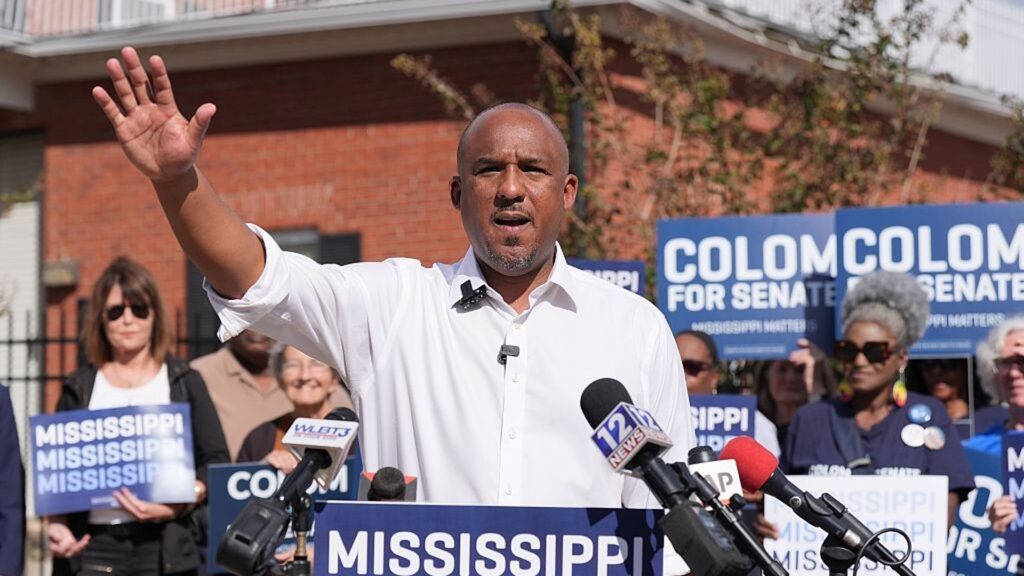
Democrat Scott Colom leads Republican Senator Cindy Hyde Smith by 2,990 votes in the latest statewide count.
The totals show Colom with 470,074 votes and Hyde Smith with 467,084 votes, with every precinct reporting and nearly all of the expected vote counted.
The race remains too early to call, eight days after Election Day.
Colom, 43, is a district attorney and a seventh generation Mississippian.
President Joe Biden nominated him to serve as a federal judge in 2023, and Hyde Smith blocked the nomination in the Senate.
If he holds on, Colom becomes the first Black senator from Mississippi since Reconstruction and the first Democrat to win the seat since 1982.
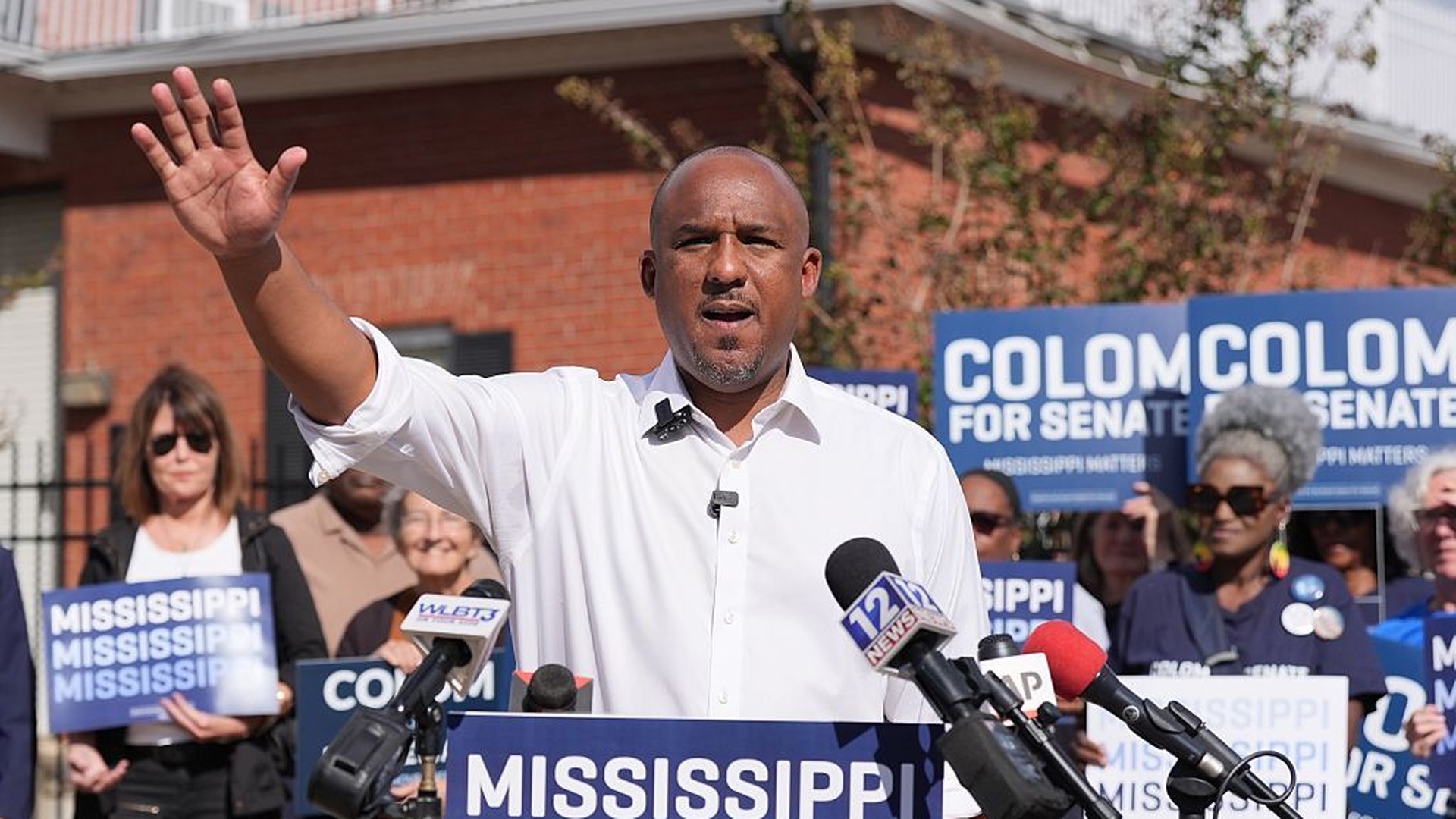
The count moved again on Tuesday as the last voter deadlines passed.
Secretary of State Michael Watson said Tuesday evening that election officials had processed 18,178 affidavit ballots, up from 15,547 the day before.
He said 2,323 mail ballots were still outstanding on Tuesday afternoon, and 76 of the 82 counties had updated at least part of their unofficial results.
Tuesday was the final day for mail ballots sent by Election Day to arrive and for voters who lacked photo identification to bring accepted identification to a circuit clerk.
Today is Veterans Day, and the Secretary of State office is closed.
Some county teams, including the Hinds County Election Commission, planned to keep working through the holiday on the remaining ballots.
Counties must certify their results by Friday, November 13.
Mississippi has no recount law, so any challenge after certification would have to go through the courts.
Hyde Smith told reporters at the Capitol on Tuesday that the count continues.
“We are still counting votes and there’s a few thousand out. We feel confident,” she said.
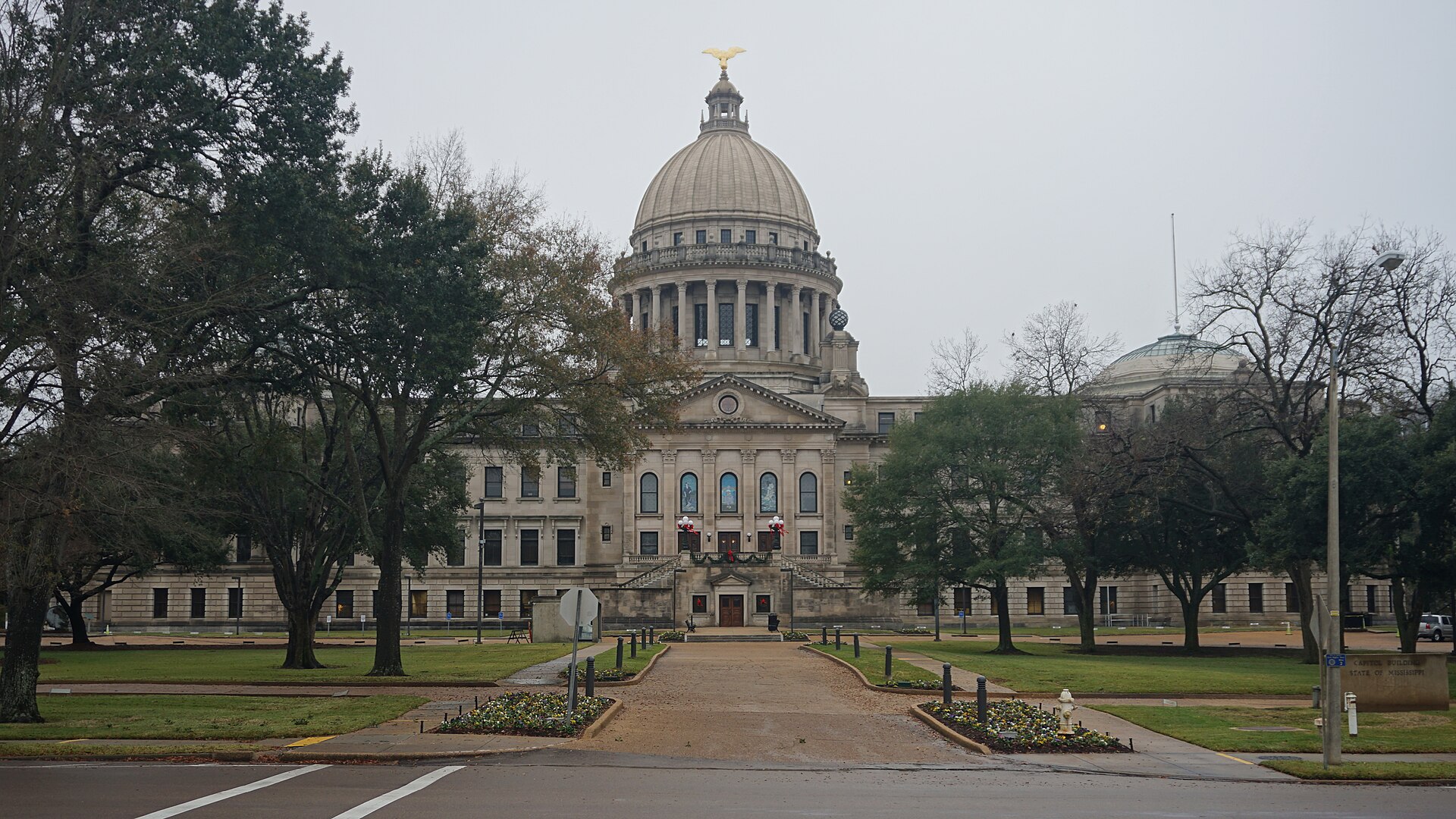
The turnout math explains how Colom got here.
Elections analyst G. Elliott Morris calculates that Black voters made up 33 percent of the Mississippi electorate this cycle, up 3 percentage points from 2024.
Morris estimates that with the electorate of 2024 and the vote choices of this year, Hyde Smith would have won by about 4 percentage points.
In the Black Belt counties of the South, Democratic Senate candidates outran the Black population share in every measured county.
Colom beat that share by 2.6 points in Mississippi, in a state his party had mostly written off.
Georgia Senator Raphael Warnock saw it early.
“There’s one race I think we’re sleeping on, and that’s Mississippi,” Warnock told a Washington fundraiser in April, while the room laughed.
Warnock raised 750,000 dollars to help fund voter registration and mobilization in the state.
Colom pollsters built their path on exactly that formula, heavy Black turnout paired with at least one quarter of the white vote.
Read how the count reached this point in our report on deadline day for Mississippi ballots and the voters who fought to save them.
Georgia and North Carolina Showed the Same Surge
Mississippi was the shock, but it was not alone.
Black turnout in Georgia hit a midterm record in 2026, reaching 1.37 million voters, according to Emory University political scientist Bernard Fraga.
That turnout helped Senator Jon Ossoff win reelection with room to spare.
In North Carolina, 600,000 Black people voted early.
That figure equals about 95 percent of the nearly 630,000 Black voters who cast ballots in the entire 2022 midterm cycle.
The surge helped Representative Don Davis hold a district that had been redrawn to favor Republicans.
It also helped Democrats Cyril Jefferson, Paul Barringer, and Lakesha Womack defeat three Republican members of the House.
Those North Carolina wins came without spending from the national party, a fact Southern strategists keep repeating this week.
Texas delivered its own proof, where James Talarico won a Senate race built on statewide Black engagement.
The same energy carried Letitia Plummer to a historic win in Harris County, the most populous county in Texas.
The Near Misses Sparked a Fight Over Investment
Two more Senate races are driving the argument.
In Florida, Democrat Angie Nixon lost to Senator Ashley Moody by roughly 3 percentage points.
In Louisiana, Jamie Davis lost to Julia Letlow by 1.76 percentage points, and Letlow now heads to the Senate.
Both races finished close with little national investment, and critics say that choice may have cost two seats.
Dallas Jones, a Texas strategist who led statewide African American engagement for the political action committee that backed Talarico, put the blame on priorities.
“I have been singing this from the mountaintops, for anyone who would listen, that the South is a pathway to not only regaining the White House but maintaining it for generations to come,” Jones said.
Jones argues the national party and its partners have failed to invest where the most loyal voters of the base actually live.
An analysis of the midterms found that President Donald Trump won 15 percent of the Black vote in 2024, while House Republicans won only 8 percent in 2026.
The analysts behind that work tie the drop to two forces, the Supreme Court decision in Louisiana v. Callais that weakened the Voting Rights Act, and the mid decade redistricting that wiped out many districts long represented by Black members of Congress.
Early statistics show Black voters cast ballots at higher rates than in 2022, driven in part by frustration over the economy and by that court decision.
In other words, Black voters were pushed to the margins on paper and answered at the polls anyway.
What Black Voters Expect on the Road to 2028
Former Virginia Governor Douglas Wilder, the first Black governor in the nation, says the lesson is plain.
“You can win anywhere if you have the right candidates with the right message who are there for the people,” Wilder said.
He added that putting money in the right hands will decide whether Democrats build on this year in the South.
North Carolina strategist Douglas Wilson warns that turnout alone will not hold the coalition.
He urges the party to lead with affordability, higher wages, restored health care subsidies, and education, and to speak to the cost pressures hitting Black communities hardest.
The Democratic National Committee says the investment is coming.
National political director Shelby Wiltz said Black voters powered historic victories from South Carolina and North Carolina to Georgia, Texas, and Florida, and promised the party will double down on organizing everywhere for 2028.
The hopefuls are already moving.
Senator Cory Booker has announced two trips this month to South Carolina, the first state in the Democratic presidential primary.
Rahm Emanuel visited Dallas on Tuesday and traveled to Mississippi back in January, long before Colom became a national story.
The first real test arrives in 2027, when Kentucky, Mississippi, and Louisiana all hold races for governor.
For Black communities across the South, the demand underneath the numbers is simple.
Respect the vote with investment all year, deliver on the kitchen table issues that drive turnout, and stop treating the South as an afterthought.
Mississippi may finish the lesson this week, when counties certify and a race powered by Black voters either makes history or heads to court.
Stay with Urban City Podcast for the certification count and for continuing coverage of Black political power across the South.