6 min read
Major Takeaways
Essentials now share Black Friday carts with gifts, led by hygiene goods up 40 percent.
Online shoppers spent 82.5 billion dollars by November 22, up 9.1 percent from last year.
November discounts ran 8 percent deeper, with televisions near 23 percent off today.
AI shopping traffic more than doubled, so shoppers must check stores and guard against scams.
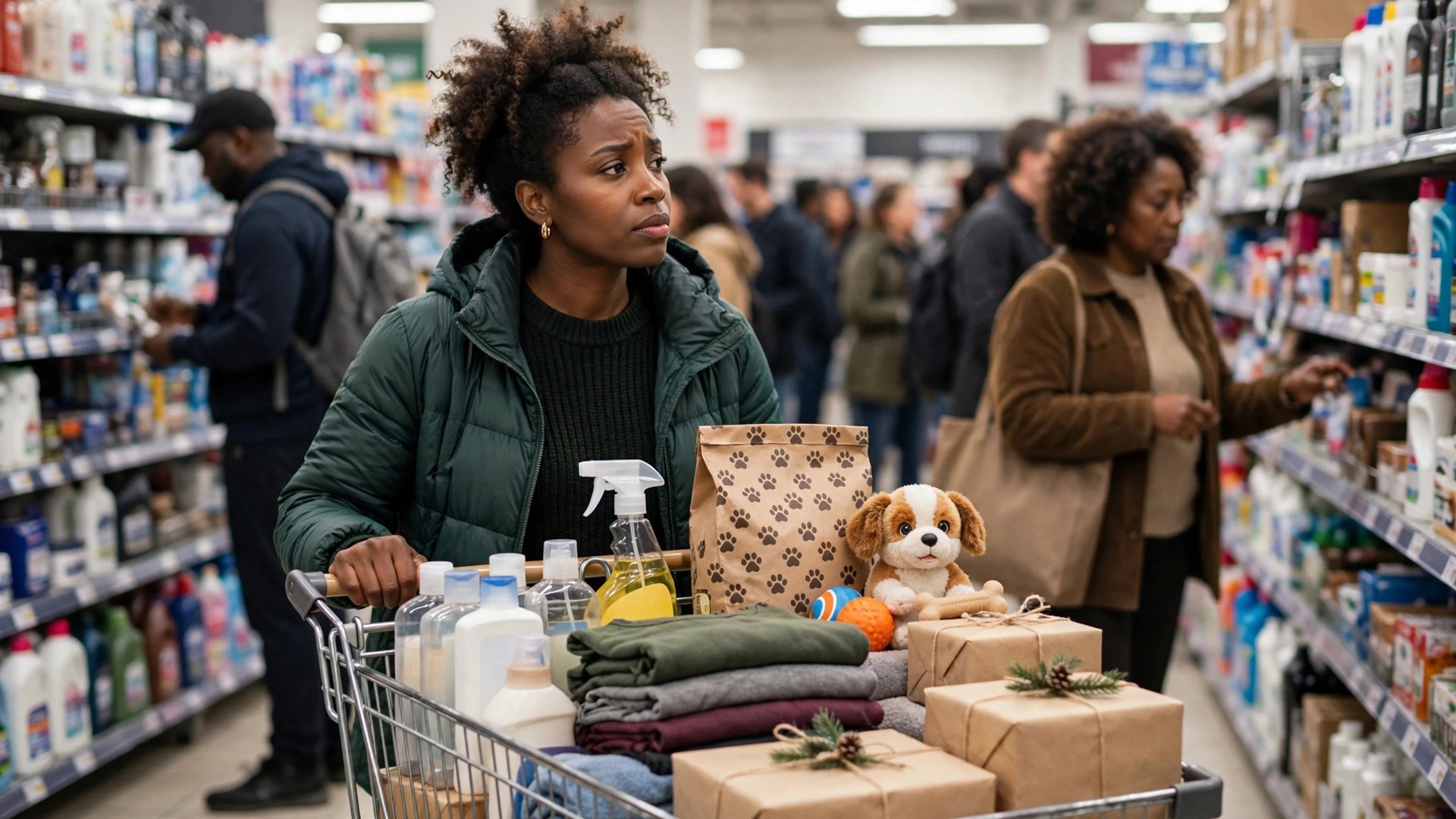
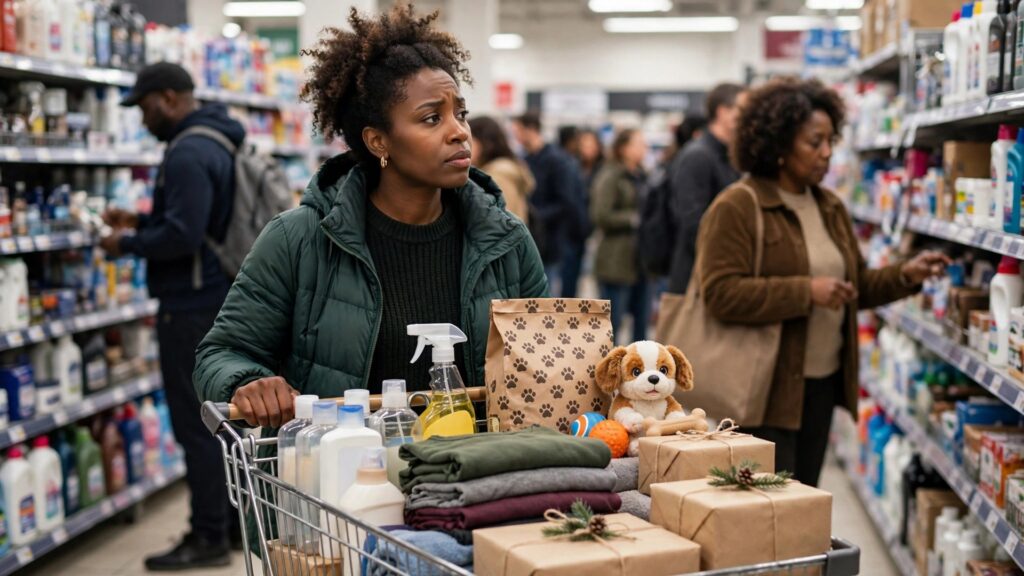
Black Friday has arrived with a new look in carts across the country.
Shoppers are buying gifts for the tree and basics for the house at the same time.
Shampoo and cleaning supplies sit beside toys and televisions.
That mix tells a clear story about family budgets this year.
Higher prices have changed how people plan the season.
For many Black families, the day is now about stretching every dollar with care.
Essentials Share The Cart With Gifts
Online sales of personal hygiene products rose 40 percent from November 1 to November 22.
That comparison uses the October average as the base.
Sales of household cleaning products rose 33 percent in the same stretch.
Clothing basics rose 27 percent as shoppers restocked closets.
Vivek Pandya leads digital insights at Adobe.
He said shoppers are fast using this season to stock up on the essentials.
The pattern goes beyond one store or one city.
Basics like T shirts, toiletries and pet supplies are moving with gift items.
When a sale cuts the price of things a family buys every week, that sale matters.
It frees money for gifts, food and travel later in the season.
Black Friday Online Spending Beat Expectations
Shoppers spent 82.5 billion dollars online from November 1 to November 22.
That total ran 9.1 percent above the same three weeks last year.
Adobe expects online sales for the full season to reach 275.1 billion dollars.
That would mark growth of 6.7 percent through December 31.
The National Retail Federation expects total holiday spending to reach about 1.01 trillion dollars.
The group put expected growth at 4.1 percent for November and December.
Higher prices would account for about half of that growth.
In plain terms, part of the record total reflects cost, not just volume.
Consumer confidence jumped this month as gasoline prices kept falling.
Still, analysts describe shoppers as intentional rather than impulsive this season.
Families are visiting stores less often and buying with a plan when they go.

Discounts Run Deeper This November
Salesforce tracks digital spending across many retailers, including grocery stores.
It found November discounts ran 8 percent deeper than last year.
Average selling prices for physical goods fell 1 percent below last November.
Shoppers added 2 percent more items to online carts from October 1 to November 18.
Caila Schwartz leads retail and consumer insights at Salesforce.
She said recent sales gains often came from higher prices, but this year looks different.
The deepest discounts are expected in clothing, home goods and health and beauty.
Health and beauty prices are expected to average 33 percent off through Monday.
Television discounts are expected to average 23 percent on Friday.
That compares with 11 percent during the first 22 days of the month.
For a family waiting on a big purchase, timing can save real money.
AI Tools Steer More Shopping Choices
Traffic to retail sites from links inside AI tools more than doubled this November.
That comparison looks back to November of last year.
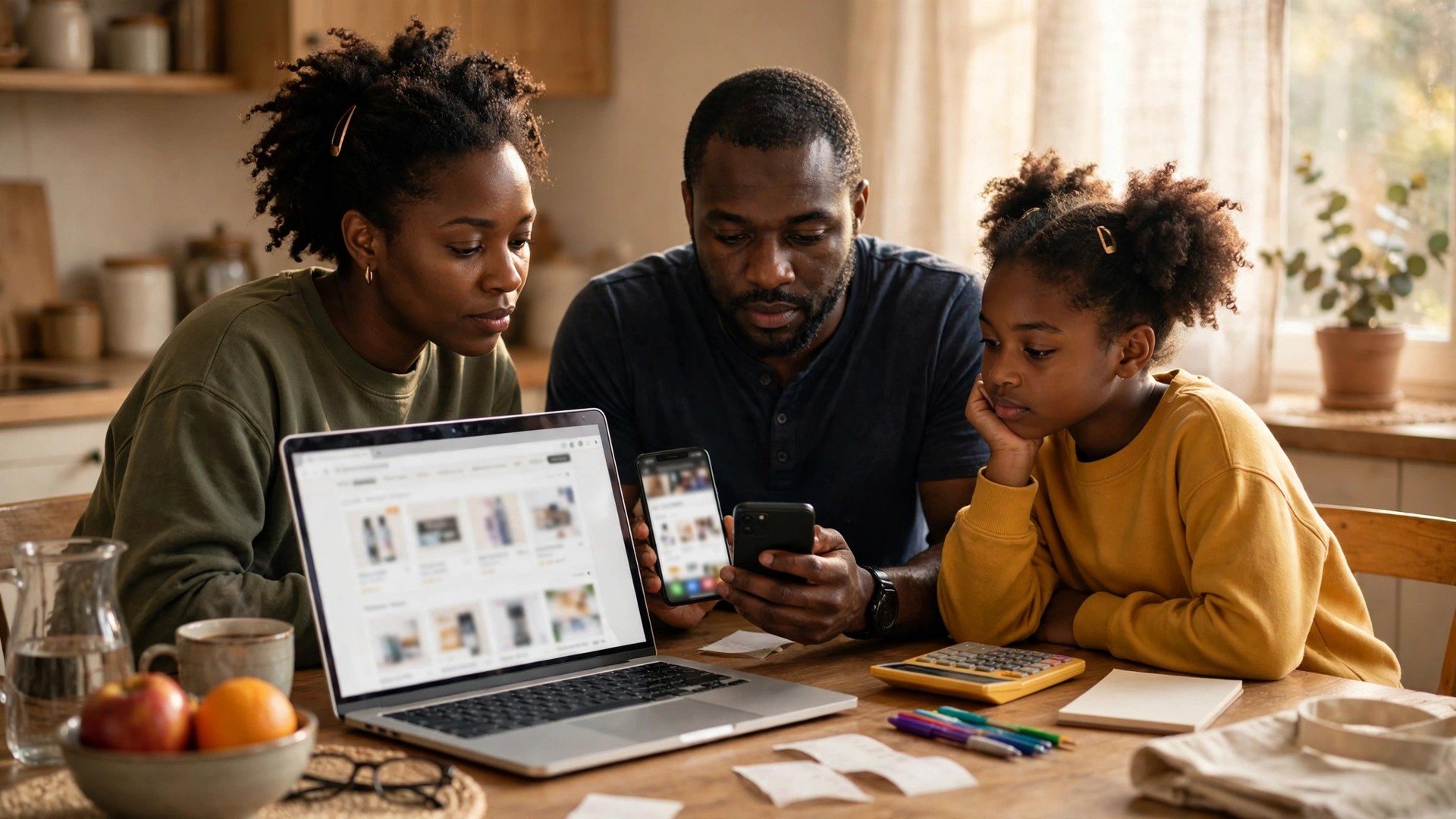
A survey for the holiday weekend found 59 percent of shoppers plan to use AI help.
Shoppers use the tools to compare products, prices and delivery dates.
Walmart leader John Furner said shoppers using its Sparky assistant spent 40 percent more per order.
Amazon leader Andy Jassy said shoppers using Alexa spend 50 percent more.
Those figures carry a warning as well as a promise.
A tool that helps a family find a lower price can also push extra items.
Experts urge shoppers to check the official store site before they buy.
Scammers can copy a brand look and build fake stores with AI help.
Shoppers should read reviews with care and guard their account data.
About one in three adults in the United States says they have met an online shopping scam.
A list, a budget and a pause before checkout still protect a household best.

Stores Still Draw The Biggest Crowds
Black Friday remains the biggest day of the year for retail foot traffic.
Sensormatic Solutions tracks activity at physical stores across the country.
Grant Gustafson leads retail consulting and analytics at Sensormatic.
He said Black Friday is still the day for shopping in person.
About 182.7 million people are projected to shop from Thanksgiving through Cyber Monday.
Black Friday is the most popular day in that stretch.
About 126 million people, or 69 percent of holiday shoppers, plan to shop today.
Small Business Saturday follows tomorrow, with Cyber Monday closing the stretch on November 30.
About 66.1 million people plan to shop on Cyber Monday.
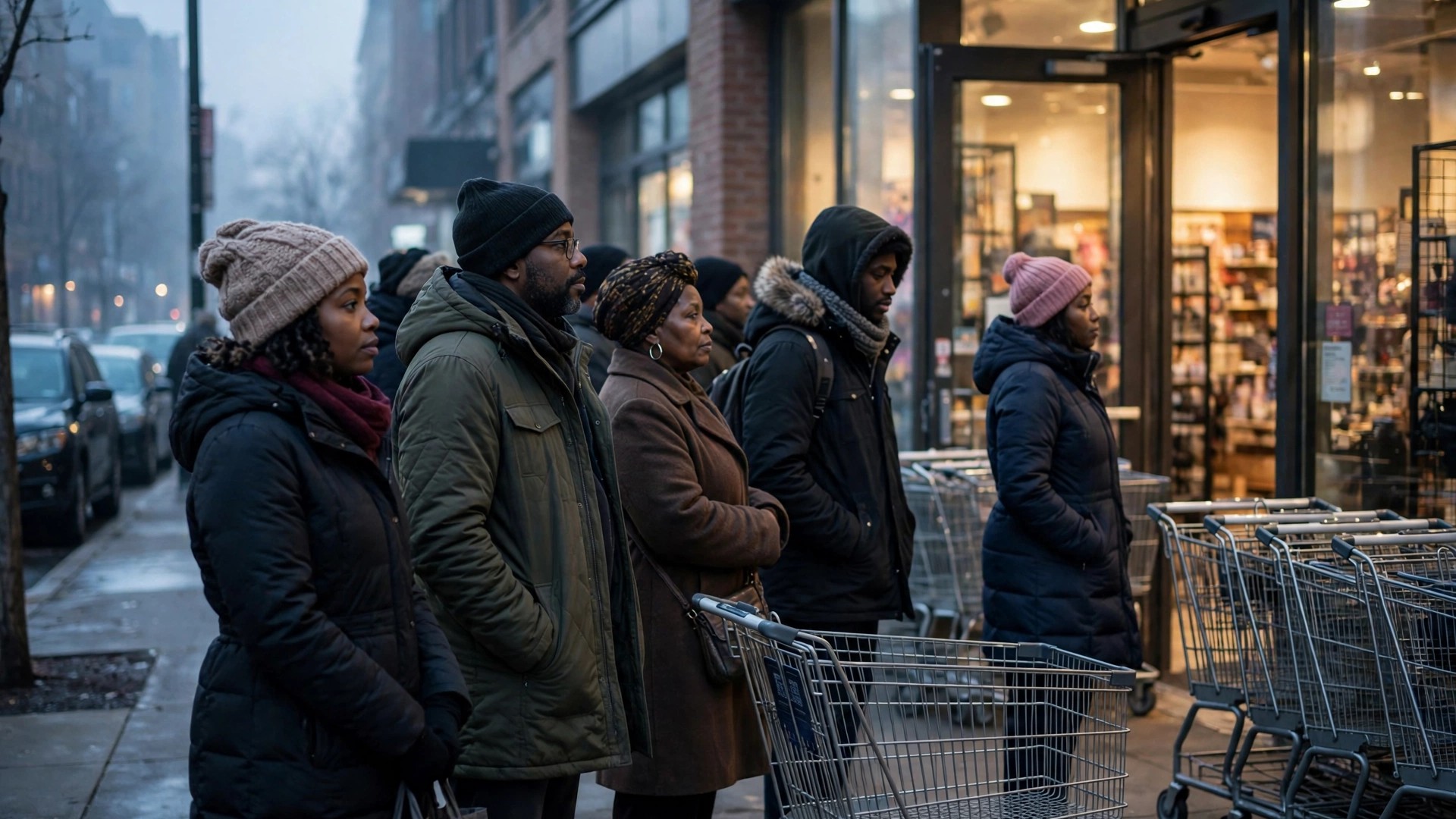
What This Means For Black Households
The essentials trend speaks to pressure that Black households know well.
When rent, food and utilities take more of each check, holiday joy must fit a plan.
Stocking up on basics at a discount is not a lack of holiday spirit.
It is a smart move that protects the house while still honoring the season.
Black owned shops also stand to gain when shoppers choose with intention.
Small Business Saturday offers a direct way to keep dollars in the community.
A gift bought from a local Black maker carries value beyond the price tag.
It supports jobs, pride and ownership close to home.
Readers can follow more consumer coverage in our News section.
Our Business and Finance coverage tracks prices and family budgets all season.
The lesson of this Black Friday is simple and useful.
Buy what the house needs, buy what the heart wants, and keep the plan in charge.