6 min read
SNAP benefits for 42 million people hang in the balance after state leaders sued the Trump administration on Tuesday.
The case asks a federal judge in Massachusetts to order the release of November benefits.
Without court action or a deal in Congress, no new benefits will be issued on November 1.
Major Takeaways
- State attorneys general and three governors sued on Tuesday to keep SNAP benefits flowing in November.
- The Agriculture Department says it will not tap a reserve of about $6 billion to pay those benefits.
- Black Americans are about 13 percent of the nation and about 26 percent of the people who receive SNAP.
- Even a quick court win may not put money on EBT cards by November 1 because payment systems need time.
SNAP Benefits Face a November 1 Stop
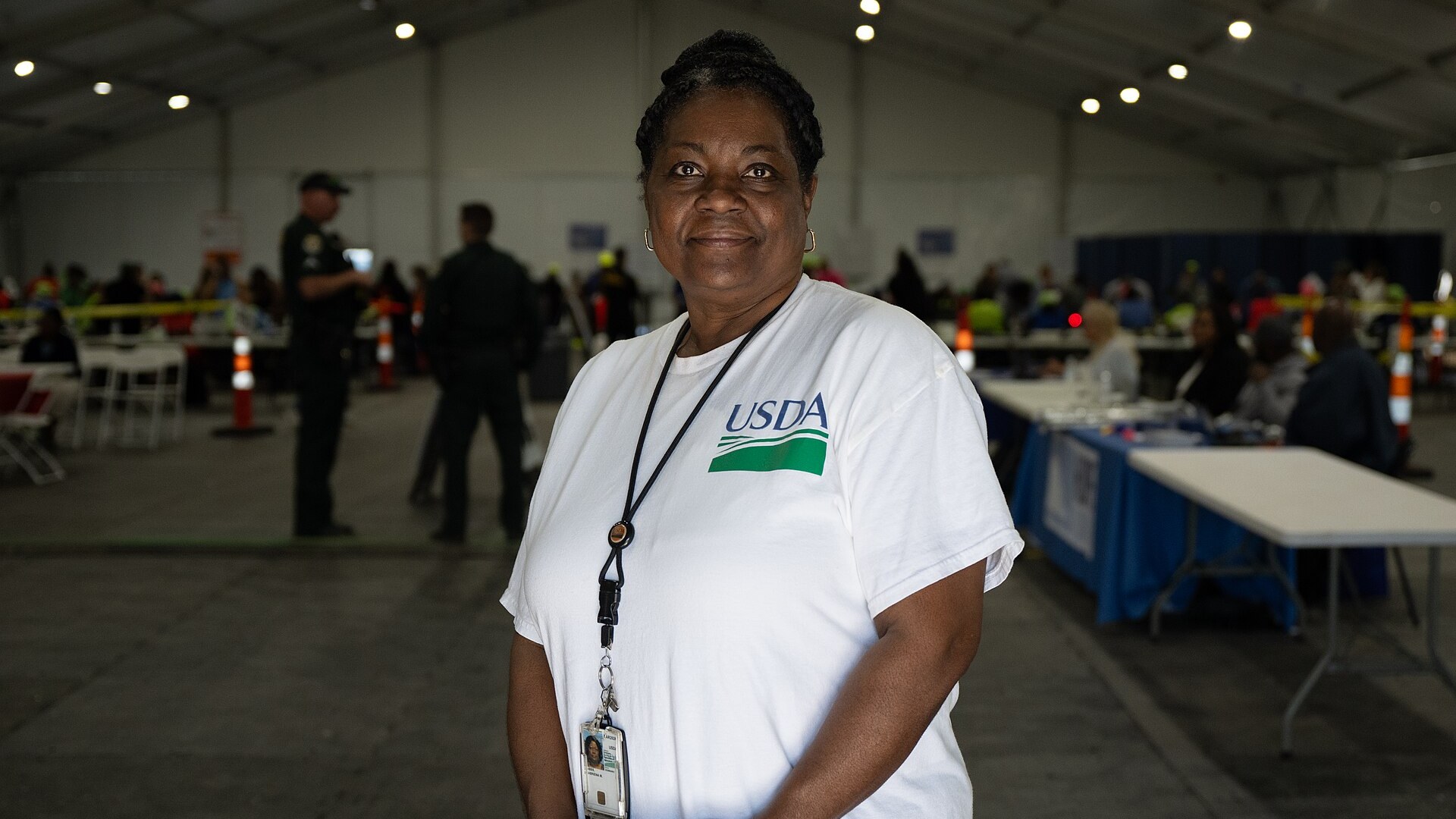
The Supplemental Nutrition Assistance Program helps households with low incomes buy groceries each month.
The federal government pays for the benefits, and states run the program day to day.
About one in eight Americans now relies on that help to put food on the table.
The federal government shutdown began on October 1.
Congress failed to pass funding for the fiscal year that started that same day.
Last week the Agriculture Department said it would not process November benefits without new funding approved by Congress.
A message on the department site put the point in stark terms.
It said the well has run dry and that no benefits will be issued on November 1.
Feeding the nation through SNAP costs close to $9 billion in a typical month.
The Lawsuit Says the Money Already Exists
Attorneys general from 22 states and the District of Columbia filed the case on Tuesday.
Governors Laura Kelly of Kansas, Andy Beshear of Kentucky and Josh Shapiro of Pennsylvania joined them.
The suit names the Agriculture Department and Secretary Brooke Rollins as defendants.
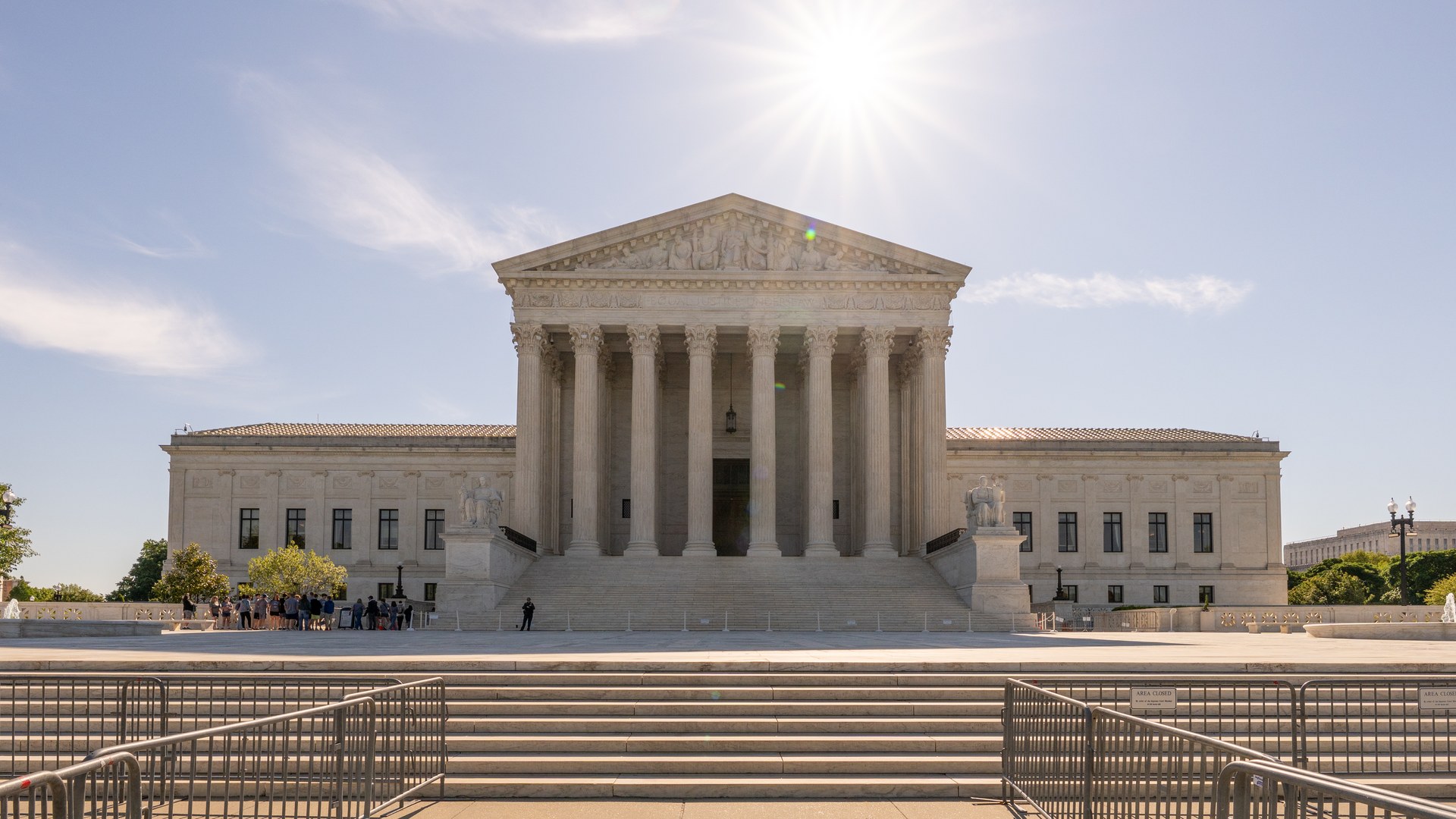
It was filed in federal court in Massachusetts, where Judge Indira Talwani will hear the case.
An emergency hearing is set for Wednesday, just days before the November cutoff.
The states say the department holds a contingency reserve of about $6 billion.
That reserve could cover about two thirds of one month of benefits on its own.
The states also point to another nutrition fund holding about $23 billion.
Part of that fund was used earlier this month to keep support flowing for women, infants and children.
The filing says the refusal breaks with the department plan written on September 30.
That plan said the reserve would be used to keep benefits going during a shutdown.
The states call the reversal an abuse of discretion in their own words.
They ask the court to declare the suspension unlawful and to block it from taking effect.
The legal claim says the move is arbitrary and capricious under federal administrative law.

Washington Answers With Blame While Families Wait
An Agriculture Department spokesperson did not address the lawsuit in a written statement.
The statement instead blamed Democrats in the Senate for the shutdown itself.
It said the nation is approaching an inflection point for Senate Democrats.
It urged them to reopen the government so mothers and babies can receive timely help.
On Capitol Hill, Republicans have tried to pass a short term measure to reopen the government.
Democrats have blocked that bill while demanding action on health care costs.
They want Congress to address premium help that is set to expire for marketplace coverage.
Between those two positions stands a grocery budget for tens of millions of households.
Urban City Podcast has tracked the wider fight over SNAP rules and over SNAP enforcement all year.
Why Black Families Feel This First and Hardest
Black Americans make up about 13 percent of the population of the United States.
Yet Black Americans account for about 26 percent of the people who receive SNAP.
More than one in five Black households relied on SNAP between 2019 and 2023.
Food insecurity already runs far higher in Black households than in white households.
In 2023 the rate for Black households was 23.3 percent, more than double the white rate.
That gap reflects long running gaps in pay, in wealth and in access to steady work.
When benefits stop, there is often no savings cushion to absorb the shock.
Rent still comes due, light bills still arrive and grocery prices remain painfully high.
The lawsuit warns that cutting off benefits leads to hunger and malnutrition.
It links that loss to poor concentration, fatigue and health harm for children.
It also warns that states will bear many of the costs that follow.
Schools will see more hungry children walk through their doors each morning.
Emergency rooms will treat more illness tied to poor nutrition, the filing says.
Food banks will face a surge they cannot match at the scale of SNAP.
A Court Win May Still Arrive Late
Even a fast ruling in favor of the states may not solve the timing problem.
Loading money onto EBT cards takes processing time inside each state system.
The lawsuit says the vendor for California needs about a week to process transfers.
For November benefits to arrive on time, California files were due by October 23.
Each day of delay after that date adds another day of delay for families.
Most states use one of just two vendors to load benefits onto cards.
The filing warns those vendors could be overwhelmed when every state rushes at once.
So even if funding is released at once, money may still land late on cards.
What Families Should Know Right Now
Money already sitting on an EBT card does not vanish on November 1.
Unused benefits from earlier months remain available for families to spend.
October benefits went out as usual and on the normal schedule.
State agencies say they do not yet know when November benefits will be issued.
That timing depends on when federal funds are made available to the states.
Families are being urged to keep every eligibility step current in the meantime.
Local food banks and pantries are preparing for longer lines in the days ahead.
The court fight now moves faster than the calendar on the kitchen wall.
Judge Talwani hears arguments on Wednesday, and millions wait on her word.
For them the question is simple and urgent.
Will the card have money on it when the new month begins?
Follow continuing coverage at Urban City Podcast as the hearing unfolds this week.