7 min read
Major Takeaways
An appeals court refused on Monday to set aside California mail ballots tied to about 20,000 names.
The panel ruled 2 to 1 that the Justice Department rushed past the trial judge.
California says the federal list is flawed and could strip legal voters of their ballots.
District Judge David Carter hears the case Tuesday at 1 p.m. Pacific time in Los Angeles.
His ruling will decide whether those ballots stay separated or join the count before November 3.
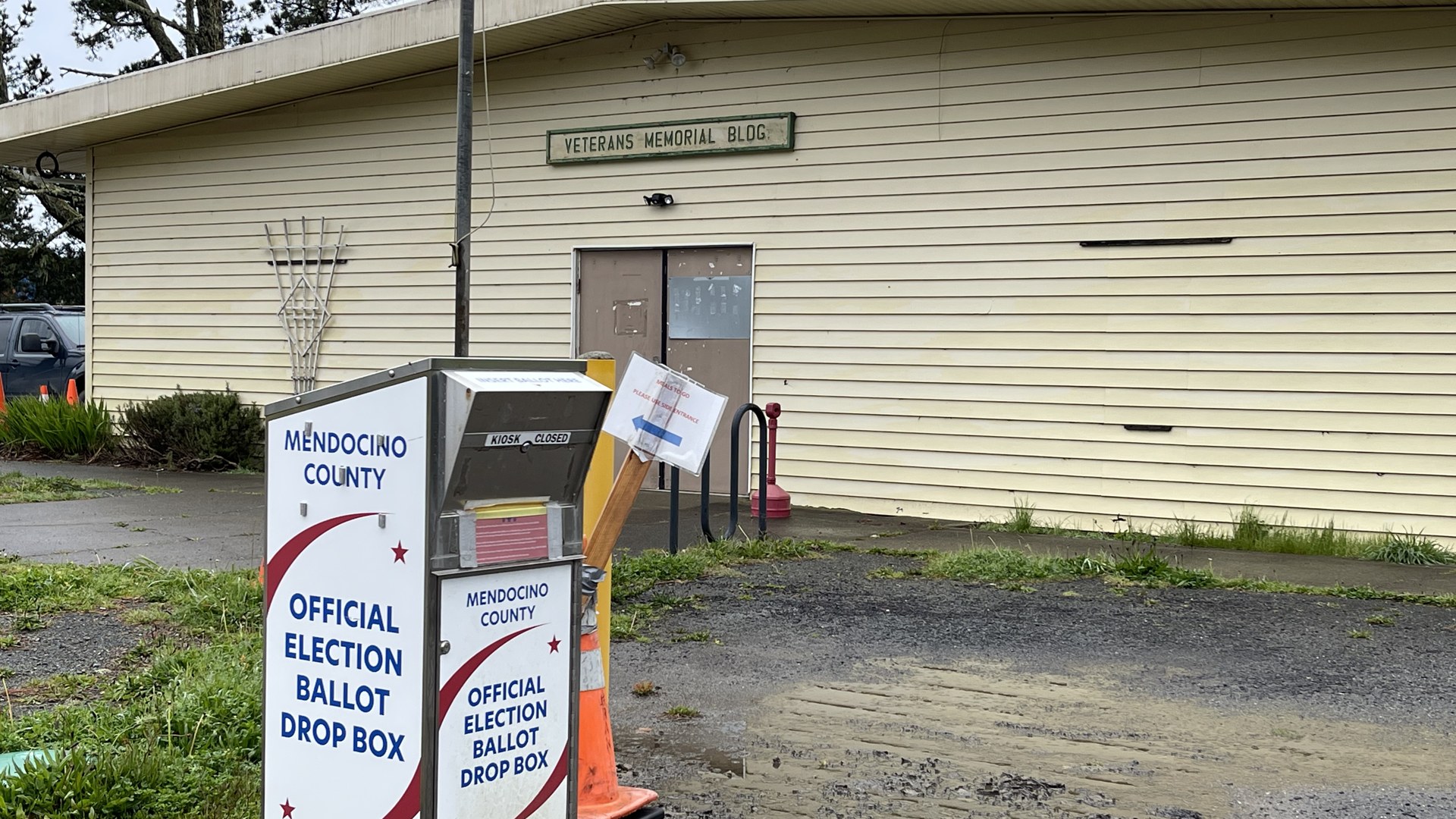
California mail ballots remain in the count this morning.
That fact alone is a defeat for a federal push that moved at emergency speed.
The Justice Department wanted about 20,000 ballots pulled aside before anyone counted them.
It says the voters behind those ballots are likely noncitizens.
California says the claim rests on suspect data that falls apart under inspection.
On Monday, a three judge appeals panel sided with the state for now.
On Tuesday, the fight lands in a Los Angeles courtroom for its next test.
California Mail Ballots Win a Round in the Appeals Court
The Ninth Circuit panel dismissed the federal emergency appeal by a 2 to 1 vote.
Judge Mark Bennett and Judge Gabriel Sanchez formed the majority.
Judge Patrick Bumatay dissented and would have intervened at once.
The majority said the appeals court lacked authority to act at this stage.
The department had not given the district court a fair chance to rule first.
Judge Carter received the emergency demand on the night of October 21.
The department wanted a ruling by noon the next day.
That window ran roughly 15 hours, with only three business hours inside it.
Twice before, the department had asked for relief by November 3 instead.
Carter had already set a hearing for October 27, a full week before that deadline.
The majority called the claimed emergency partly one of the government’s own making.
It cited the late filing, the scale of the California electorate, and shifting demands.
Bennett wrote separately that he would also deny the request on its merits.
He said nothing in the federal law at issue displaces state authority over election administration.
Sanchez warned that the order sought would transform election rules while voting was already underway.
He said it would bring confusion for voters and officials alike.
Bumatay answered that ballots lose their identity once officials process them.
He argued the federal government must be able to stop noncitizen voting before it happens.
A List the Government Could Not Explain
The whole case rests on one list of names.
Federal agencies told California in July that they had found likely noncitizens on the rolls.
The state asked how the list was built and questioned its accuracy.
California mailed ballots to registered voters on October 1 under state law.
On October 13, the department sent officials a list topping 20,000 names.
It demanded verification within 48 hours, or separation of those ballots until proof arrived.
The department then sued the state and Los Angeles County on October 15.
Its request for a restraining order followed on October 19.
At the Sunday hearing, the list took the hardest questions of the day.
Sanchez pressed the federal lawyer on the third parties behind the data.
The lawyer, Matthew Donnelly, said he did not have that information.
Sworn statements from homeland security officials cited third party data and analytics without naming them.
California argued the government built its case on a purchased voter list it called wildly outdated.
The county review gave that argument hard numbers.
Los Angeles County checked a sample of 200 names from the federal list.
More than half held registrations that were canceled or inactive.
Nearly 39 percent listed a birthplace inside the United States.
More than 71 percent had no voting history at all.
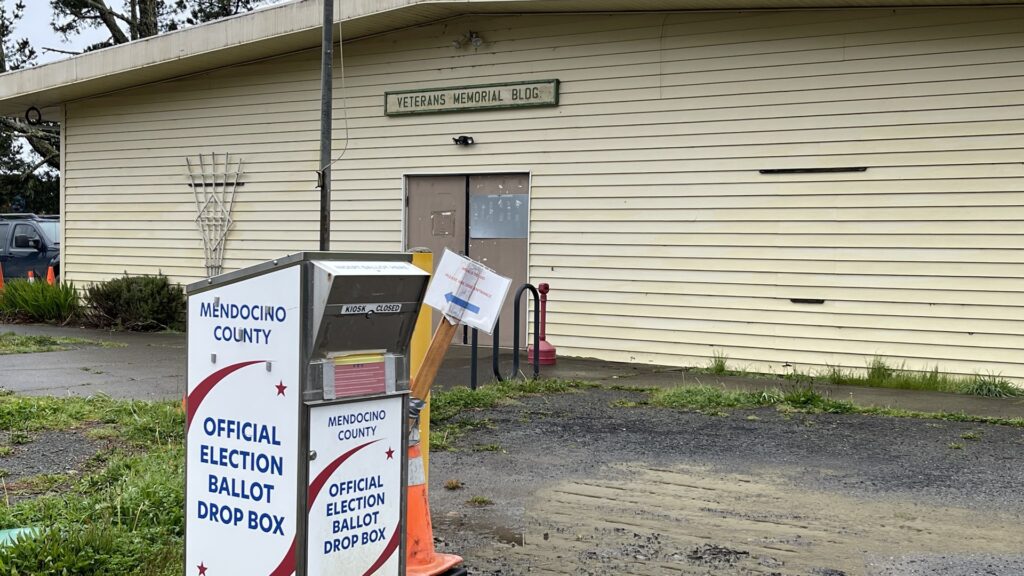
In Mendocino County, every person on the list lived outside the county.
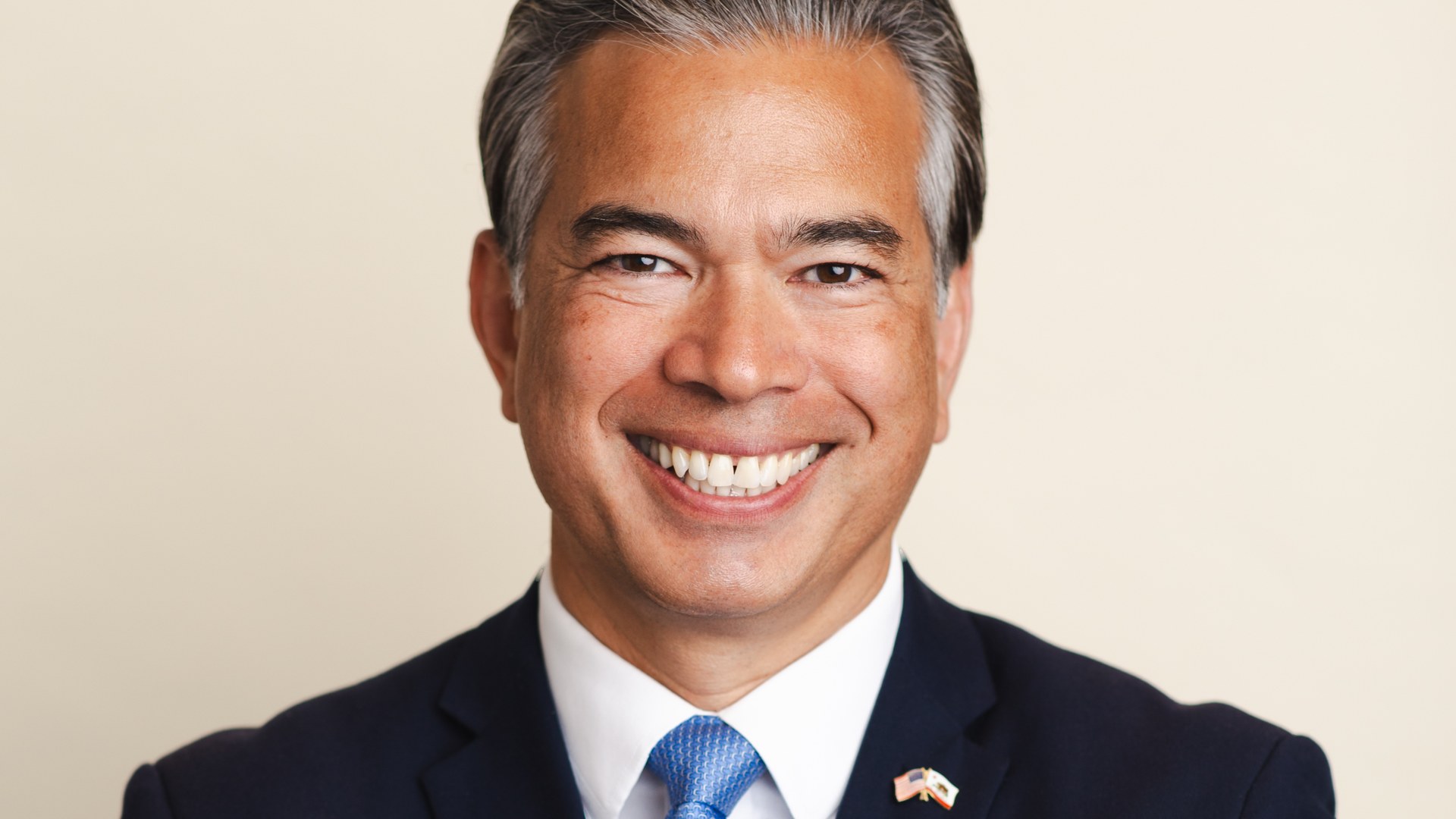
Attorney General Rob Bonta said the July claim once topped 190,000 names before shrinking toward 20,000.
He welcomed the Monday ruling in direct terms.
He said the order serves as an important step in protecting the right to vote.
He also defended the authority of the state to run fair and secure elections.
Governor Gavin Newsom called the ruling a welcome speed bump.
He accused the president of attacks on the Constitution and on democracy itself.
The department has not said how many listed voters actually returned a ballot.
Why Black Voters Hear an Old Warning in This Fight
Black voters have seen this pattern before, and they recognize it fast.
A list arrives from far away, built by methods nobody will fully explain.
Names get flagged first, and proof of belonging gets demanded later.
The burden lands on the voter, not on the people who built the list.
California is home to Black citizens born in this country and Black citizens born abroad.
Naturalized citizens from Africa and the Caribbean vote in California in real numbers.
Voting rights advocates warn that list matching like this can flag naturalized citizens by mistake.
Studies and state audits have repeatedly found noncitizen voting to be exceedingly rare.
That gap between claim and evidence is what alarms civil rights leaders most.
The same week brought the same struggle on other ground.
In Louisiana, a federal panel weighs the fate of the last Black district in the state.
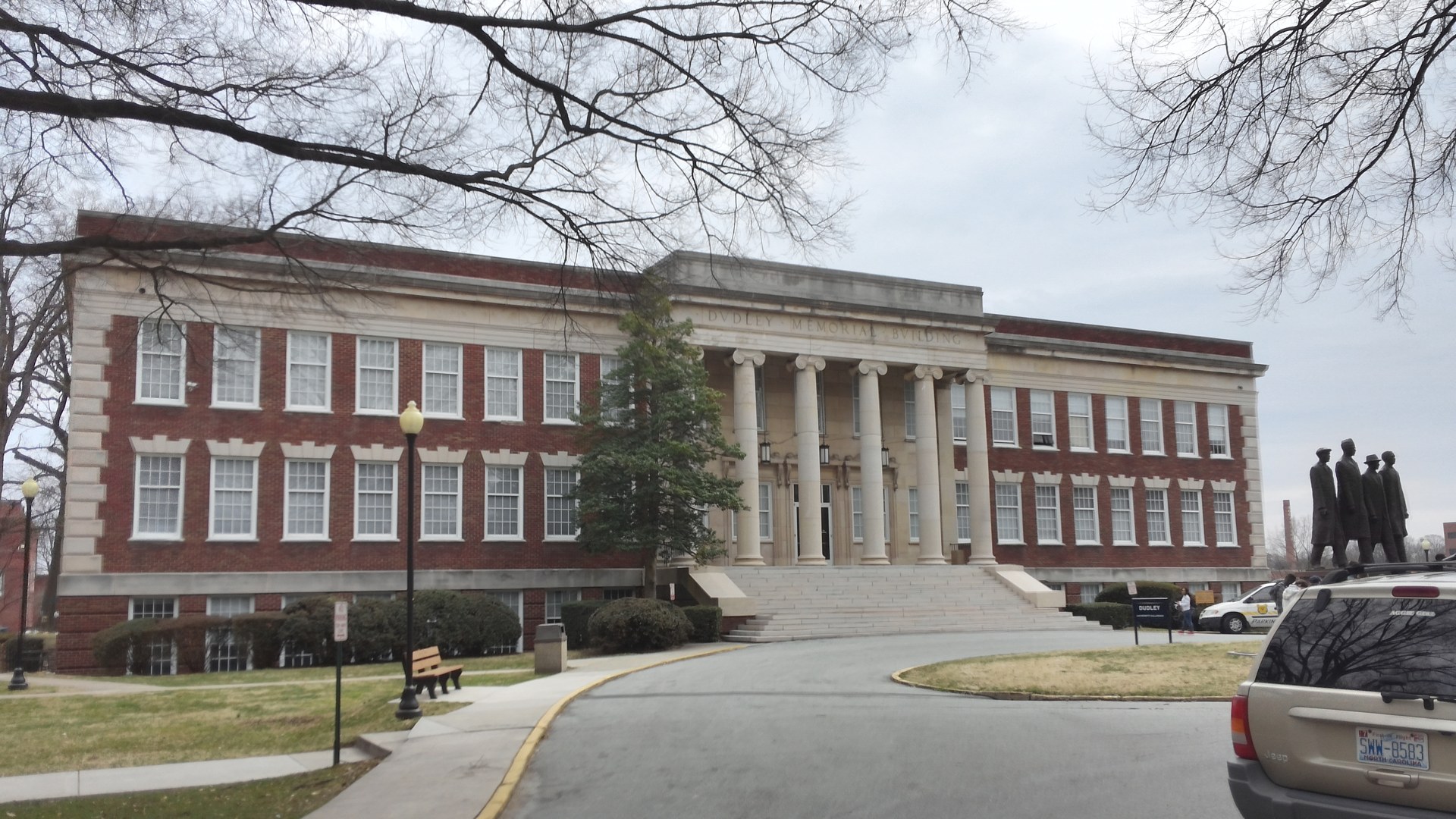
In North Carolina, students marched for miles after campus polling sites were pulled in Greensboro.
Each fight looks local on paper and national in its meaning.
Control of Congress hangs on the November 3 midterms.
California holds 52 seats in the House, more than any other state.
The state counts about 23 million registered voters.
A rule changed here, this late, would echo far beyond one county.
Judge Carter Holds the Next Decision
The case now returns to the judge the department tried to rush past.
Judge David Carter, a Clinton appointee, hears arguments Tuesday at 1 p.m. Pacific.
That is 4 p.m. on the East Coast, one week before Election Day.
He will weigh a temporary restraining order against the state count.
California will argue its safeguards against noncitizen voting are already robust.
It will argue the federal demand risks stripping eligible citizens of their votes.
The department will argue that waiting makes any remedy impossible.
Once a ballot leaves its envelope, no official can trace it back to a name.
Carter has committed to ruling promptly after the hearing.
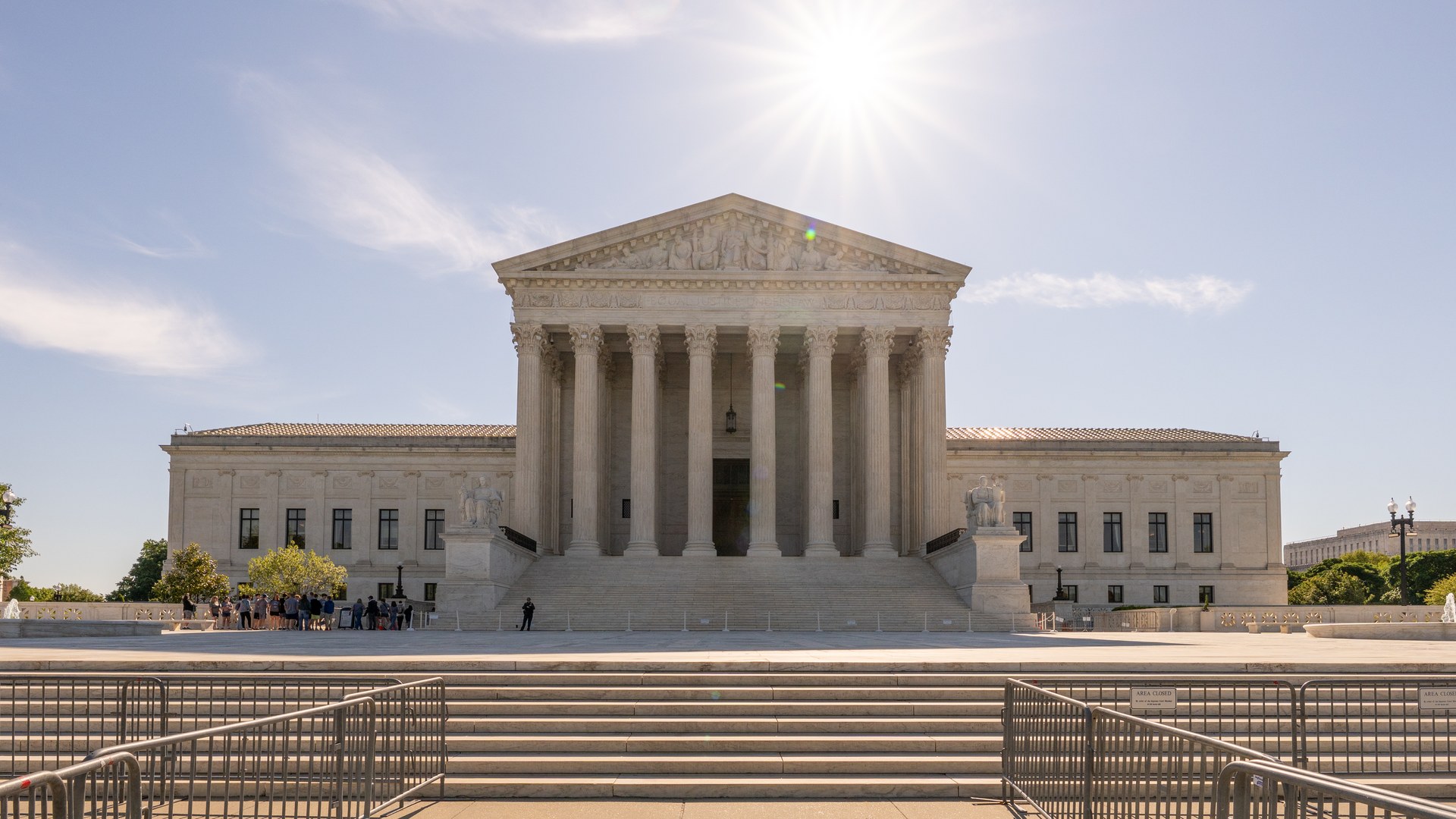
Whichever side loses can return to the appeals court, or push toward the Supreme Court.
As of Tuesday morning, no report showed a Supreme Court filing in the case.
The California fight is not the only federal move of this election season.
The department sent Washington state a letter Monday about 400 voters it flagged there.
Washington officials said the timing aimed to cast suspicion on the results.
In Alaska, the department asked a judge to block certification if a Senate race ends close.
Each case tests how far federal power reaches inside state run elections.
The Constitution assigns election administration mainly to the states, with Congress in a role.
That assignment sits at the center of everything Carter decides.
What California Voters Should Do Now
For voters, the ruling changes nothing about how to cast a ballot today.
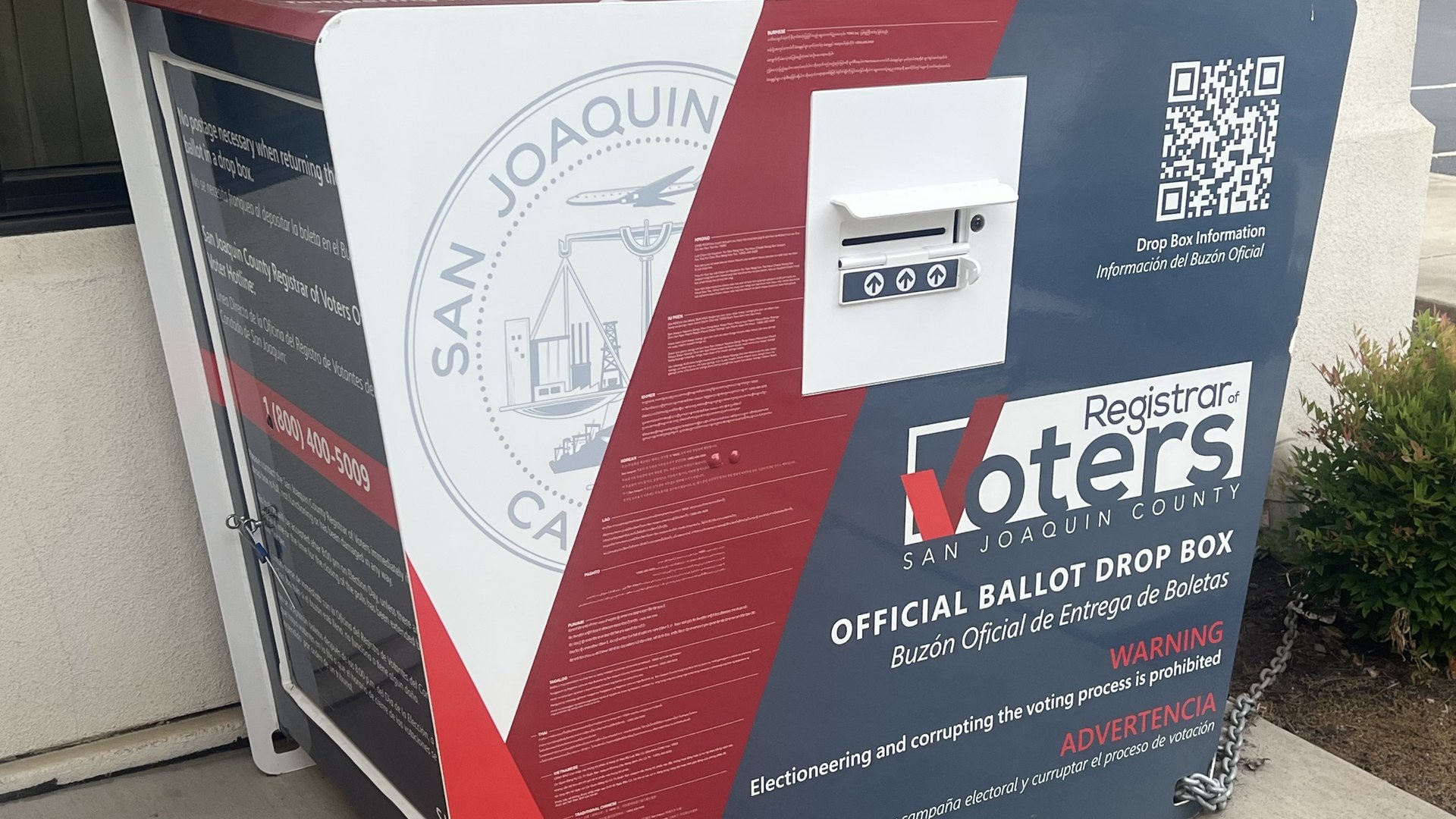
Ballots already returned stay in the normal process while the case proceeds.
Newsom urged Californians to vote early, use a vote center, or use a drop box.
That advice holds with extra force for anyone named in a rumor or a letter.
A flagged name is an allegation, not a verdict on citizenship.
Voters who get questions about their status should answer them and still cast a ballot.
The count in California will run on state rules unless Carter orders otherwise.
Read more in Big Back Politics as the hearing unfolds.
Urban City Podcast will follow the ruling when Carter issues it.