5 min read
First Lady Melania Trump has secured a ceasefire between Russia and Ukraine that covers a single city, and for the families trapped inside that city, it could mean everything.
The White House announced the agreement on Friday. Both nations have agreed to stop all military action in Oleshky beginning October 29.
The pause is designed to let humanitarian aid reach the city. It also opens a safe passage for civilians who want to leave.
Major Takeaways
- Russia and Ukraine have agreed to halt all military action in Oleshky starting October 29, in a deal the First Lady negotiated herself.
- Civilian teams from both countries will visit residents at home and help those who choose to leave travel to Russia or Ukraine.
- The deal grows out of the First Lady and her work reuniting children separated by the war, an effort that has brought 34 children back to their families.
- The announcement gave no public end date for the pause, and neither Kyiv nor Moscow had published its own account of the deal when the news broke.
A Deal Built Around One City
The First Lady worked in a formal role described as Exclusive Intermediary. She initiated the discussions with leaders in both countries herself.
She and her representative worked directly with the leadership of both nations. The two sides aligned on the goals, the timing, and the technical steps, including demining work on the roads around the city.
“The situation in Oleshky is dire,” the First Lady said. “The people of Oleshky have limited electricity, live amid mined roads, and endure regular military attacks.”
Civilian teams from both countries will visit residents inside their homes. The teams will document what each household needs most, from medicine to food to clean water.
“I anticipate some will want to go to Russia, and some to Ukraine,” she said of residents who choose to leave. “Residents who wish to evacuate will receive coordinated support and transportation to their preferred destination.”
An impartial American media organization will travel with the teams and document the process. The First Lady said that presence will help ensure that the wishes of each family are faithfully respected.
The City at the Center of the Deal
Oleshky sits in southern Ukraine, directly across the Dnipro River from the city of Kherson. Russian forces have occupied the city since February 2022.
Before the war, roughly 24,000 people called Oleshky home. An estimated 1,700 to 2,000 residents remain today, most of them older people who were unable to leave, along with about 50 children.
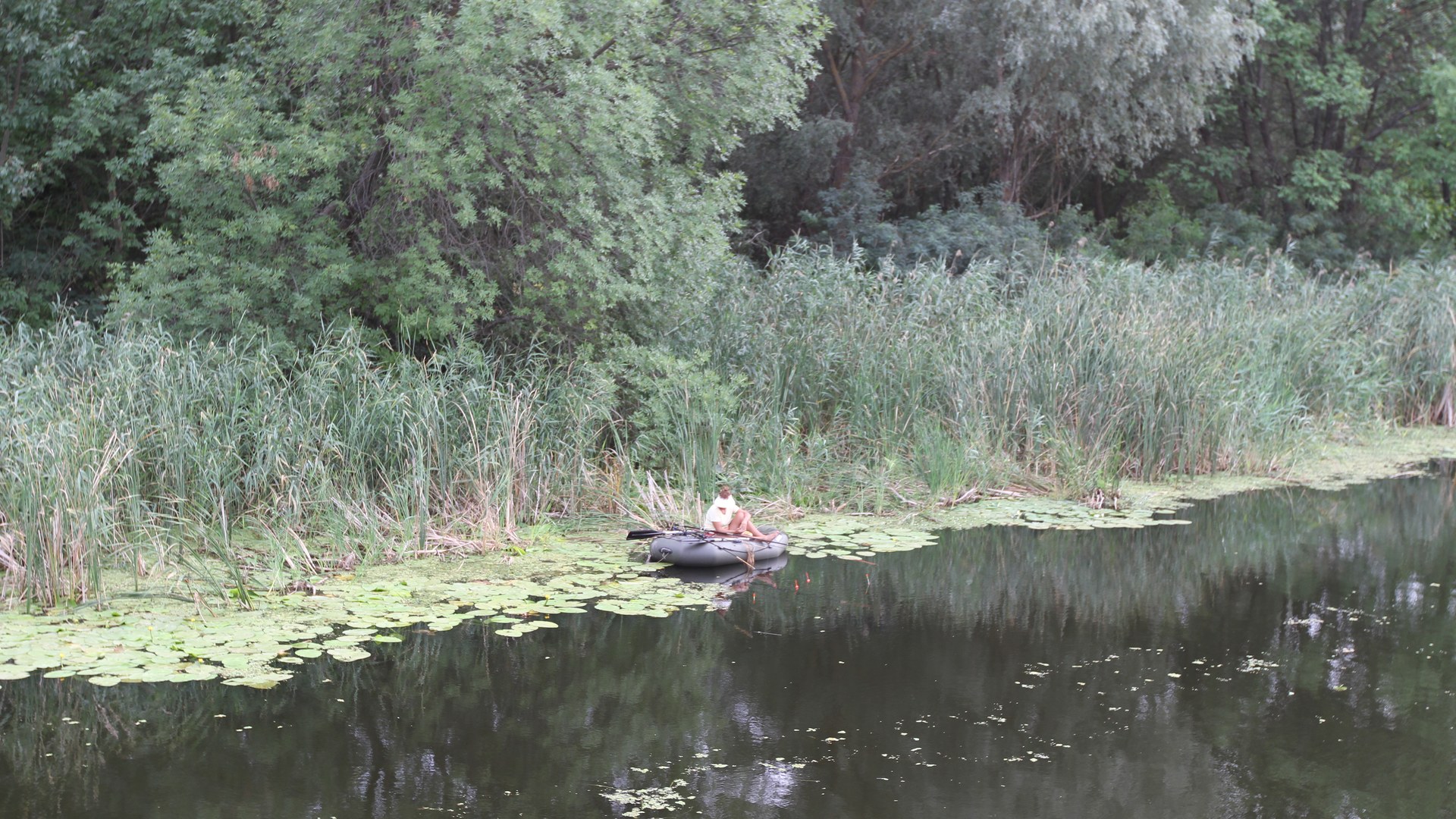
The city has lived on the front line for years. When the Kakhovka Dam was destroyed in 2023, floodwaters covered about 90 percent of its territory.
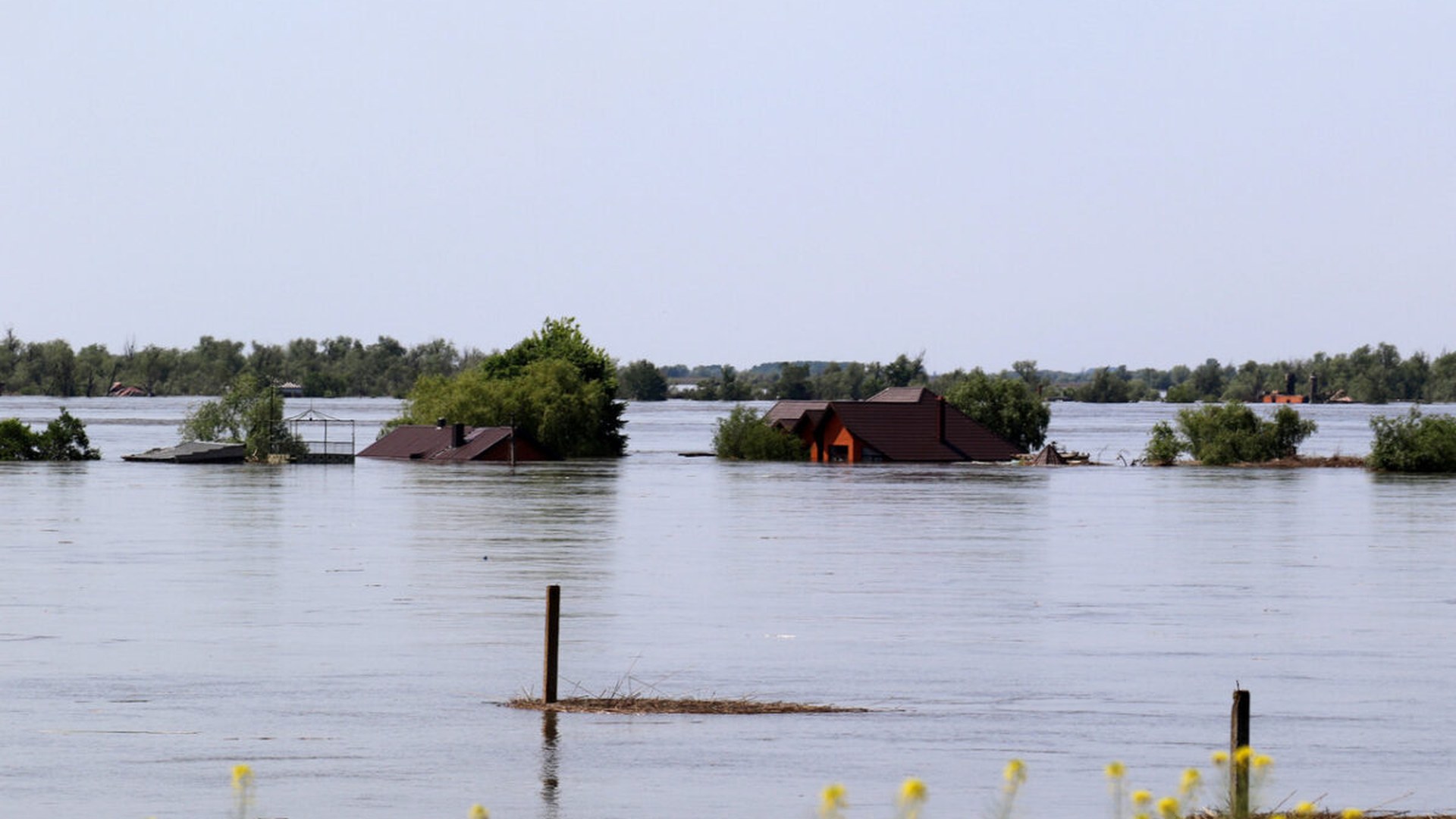
Residents have reported a deepening food crisis in the city. Food and medical supplies have run short for months.
Pressure around Oleshky had been building for days. Pope Leo raised the city with both President Volodymyr Zelenskiy and President Vladimir Putin this week and urged both sides to cooperate so aid could get through.
A Channel Built on Reuniting Children
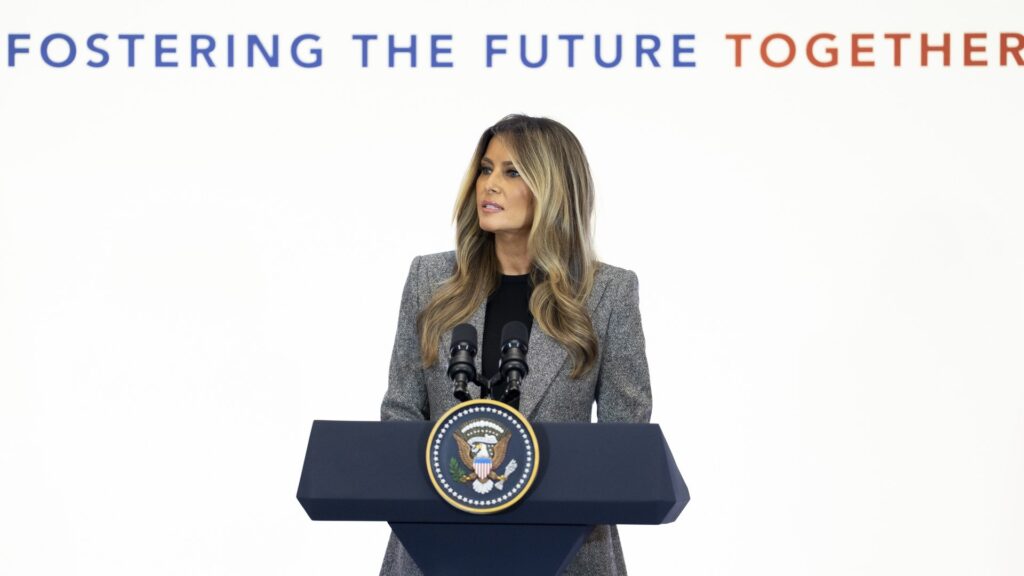
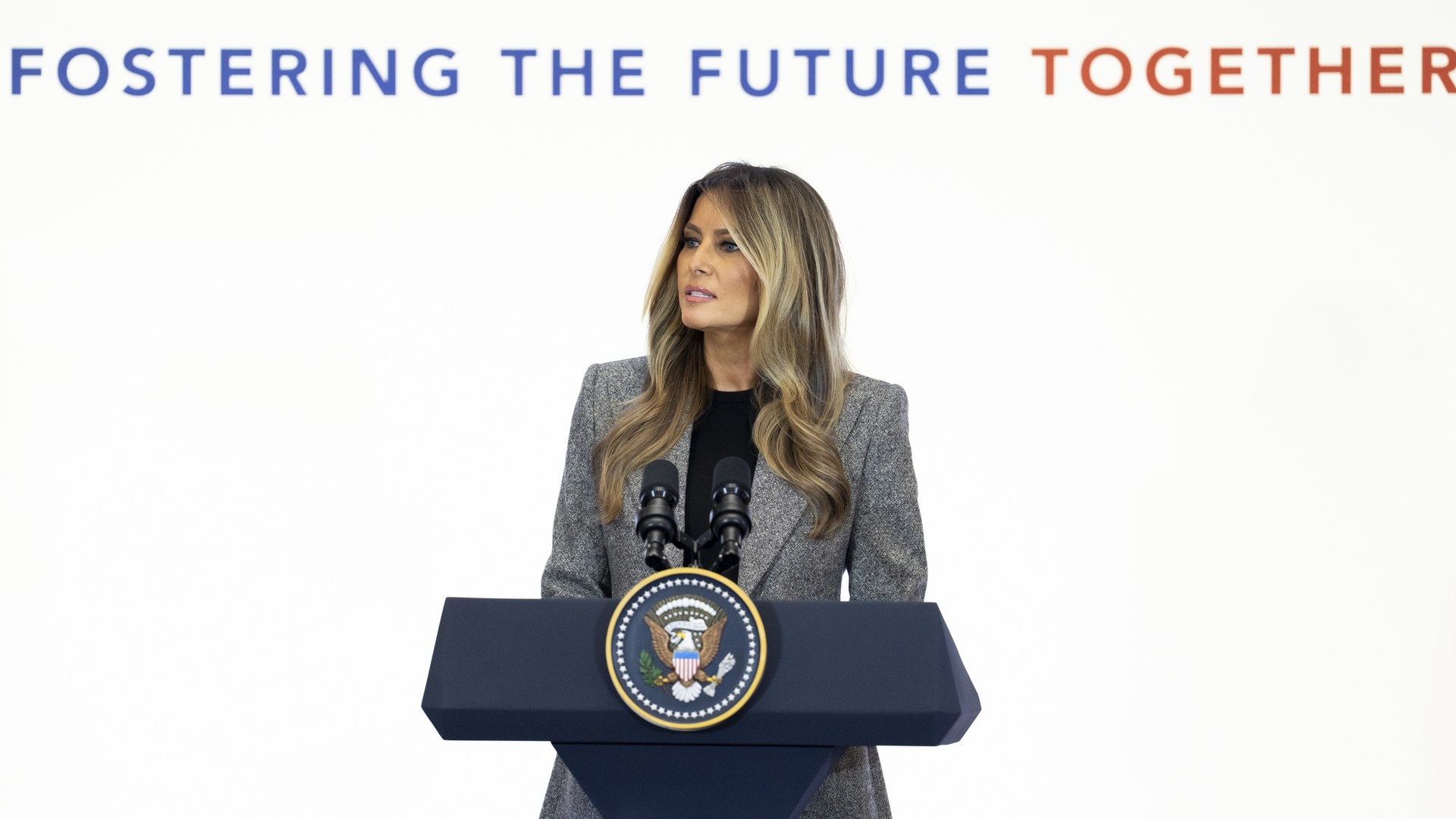
The First Lady said the crisis in Oleshky reached her during a private conversation at her Fostering the Future Together event in New York. The event took place during the United Nations General Assembly in September.
“My representative and I immediately leveraged the communication channel we established with Russia and Ukraine through the previous six reunifications of 34 children,” she said. “All parties have worked around the clock since that moment.”
That channel began with a letter. In August 2025, the First Lady wrote to President Putin about the children caught in the war, and President Trump hand delivered the letter when the two leaders met in Alaska.
Putin answered in writing, and an open line of communication followed. Six rounds of reunifications have since returned 34 children to their families.
The returned children are a small share of a far larger wound. Ukrainian officials put the number of children taken to Russia during the war at roughly 20,000, and a United Nations commission has verified more than 1,200 of those cases.
For Black families in America, the pain of children separated from their parents carries a deep and familiar echo. It is one reason stories about families being reunited land so hard with our readers, wherever in the world those families live.
Black churches and relief groups also carry a long tradition of answering humanitarian crises with money, prayer, and action. A ceasefire built around feeding elders and bringing children home speaks directly to that tradition.
What Happens Next
The ceasefire takes effect on October 29. Its first test will be whether aid convoys and civilian teams can move through the city in safety.
The deal lands as Washington pushes for a wider settlement to the war. President Trump has pressed both sides toward the negotiating table, and envoys from the countries involved have kept broader talks alive in recent days.
A single city is not peace. But for the elders waiting on medicine in Oleshky, and for the roughly 50 children still inside the city, October 29 cannot come soon enough.
Read our earlier coverage of the First Lady and stay with Urban City Podcast for the latest news and politics coverage.