
7 min read
President Donald Trump signed a women’s health executive order on Monday, October 19, 2026, in the Rose Garden at the White House.
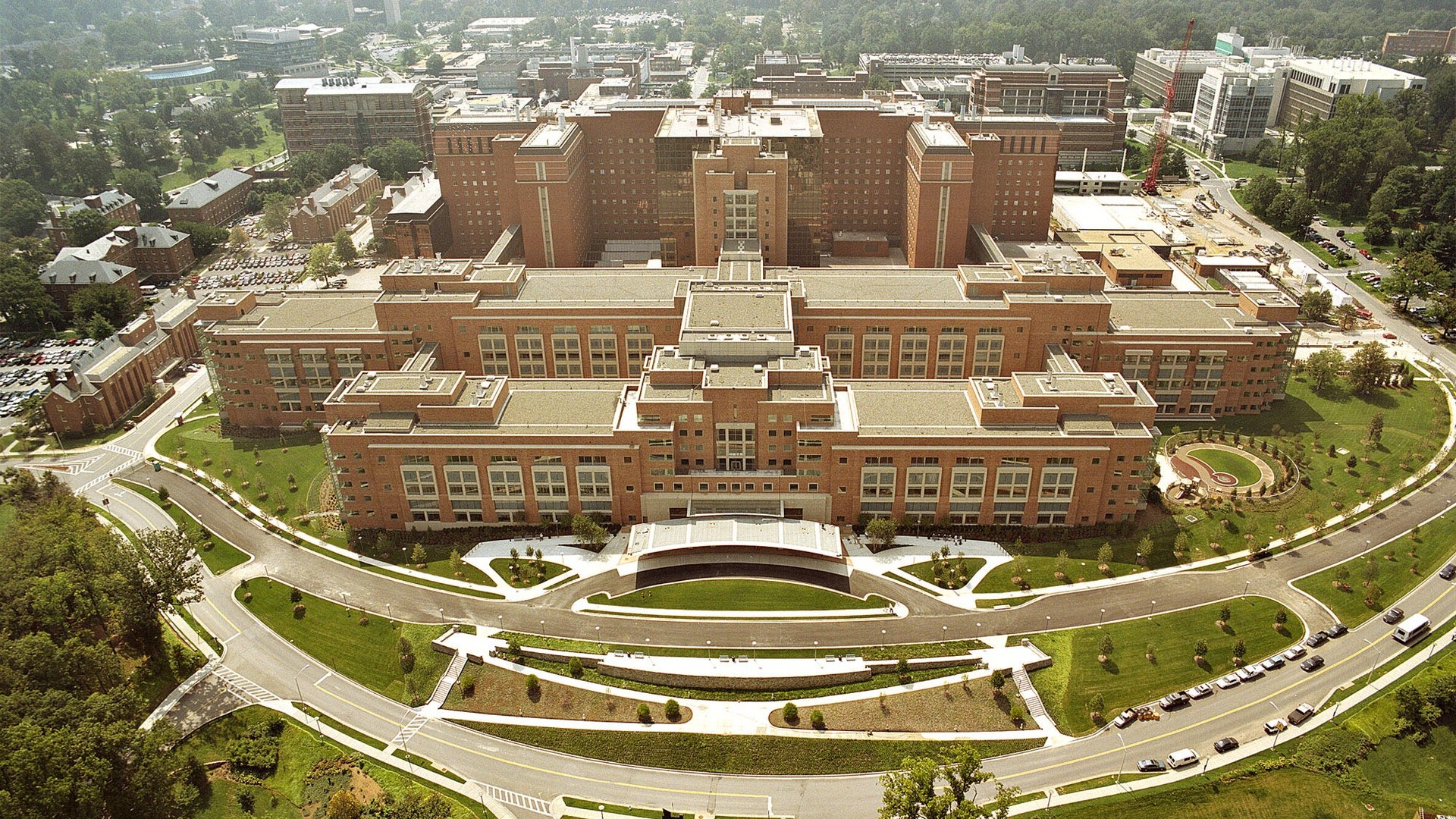
The order, titled Advancing Women’s Health to Improve Outcomes in All Phases of Life, creates a new Women’s Health Division at the National Institutes of Health in Bethesda, Maryland.
It also creates the first White House Women’s Health Task Force to reshape how the federal government approaches women’s health.
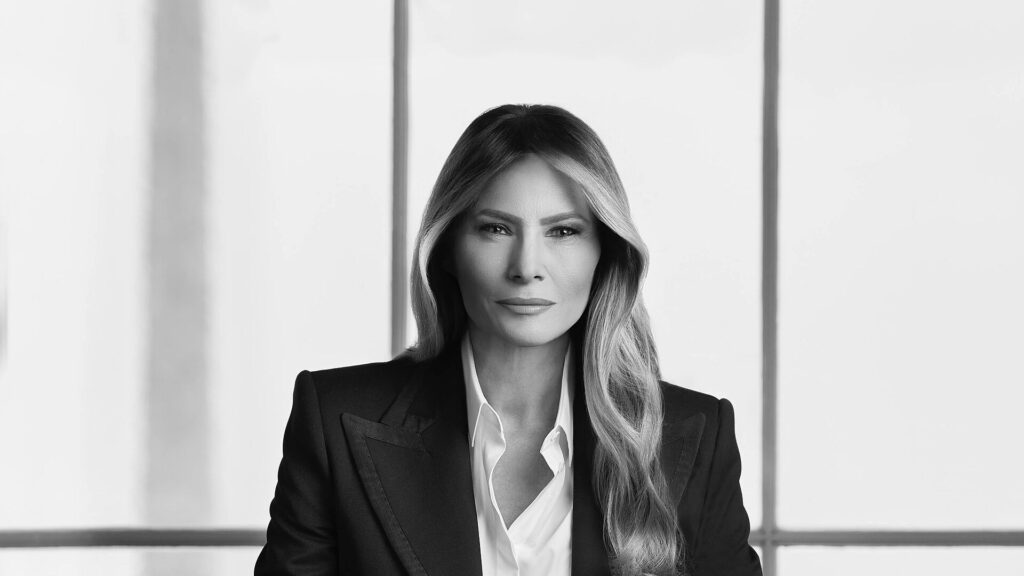
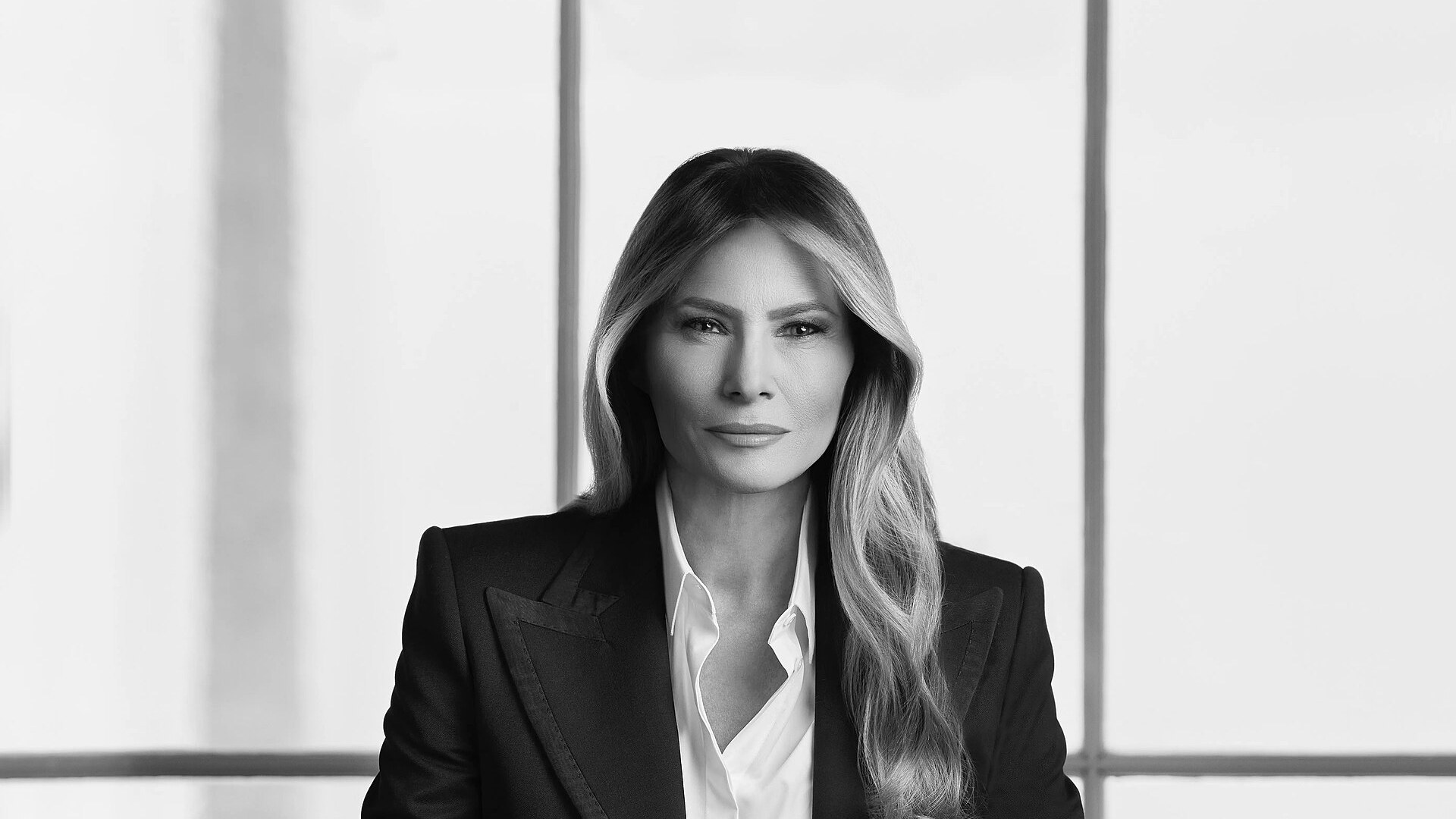
First Lady Melania Trump shaped the push, led the Rose Garden signing event, and signed the order right alongside the President.
For Black women, the stakes are direct, because the order names maternal health, heart disease and stroke among its targets.
Major Takeaways
- The signed order creates a Women’s Health Division at the NIH and the first White House Women’s Health Task Force.
- Melania Trump organized the working sessions with doctors and officials that shaped the executive order.
- The order targets maternal health, mental health, endometriosis, osteoporosis, heart disease, stroke and Alzheimer’s disease.
- The order gives the government 90 days to stand up the new NIH division, but it names no dollar figure for research or treatment.
1. What the Women’s Health Order Creates
The new division sits inside the National Institutes of Health, the main medical research agency of the federal government.
Its mandate reaches beyond research alone, coordinating agencies to speed scientific discoveries and improve care for girls and women.
The division does not replace the NIH Office of Research on Women’s Health, which has guarded women’s health research since 1990.
It will work alongside that office, and the order gives the government 90 days to get it up and running.
The task force will be led jointly by Chief of Staff Susie Wiles and Health and Human Services Secretary Robert F. Kennedy Jr.
Dr. Mehmet Oz was among the senior officials who stood with the couple in the Rose Garden as the order was signed.
Wiles recently announced that she is free of breast cancer after her treatment, giving the work a personal voice at the top.
The task force was set to hold its first meeting Monday afternoon in the Roosevelt Room at the White House.
The order highlights midlife conditions including osteoporosis, Alzheimer’s disease, heart disease and stroke.
It also targets maternal health, mental health and endometriosis, three areas where women often wait far too long for answers.
The order also rescinds the women’s health initiatives of the prior administration, shifting the focus from research alone toward turning discoveries into care.
Secretary Kennedy said, “President Trump is transforming how our nation approaches women’s health by making it a priority across every stage of life.”

2. How Melania Trump Built This Push
The initiative grew out of meetings the first lady set up inside the East Wing with physicians and health experts.
She met with officials from Health and Human Services as she worked to understand the gaps in care for women.
In her own words, she moved fast once the doctors she consulted showed her how wide the research gap had grown.
She said she organized working sessions between those doctors, East Wing policy makers, the President, Secretary Kennedy and other key stakeholders.
Those sessions shaped the executive order, the task force and the new NIH department dedicated to women’s health exclusively.
“It was abundantly clear that women’s healthcare needs to be modernized, the research gap closed, and further, the need to accelerate the discovery of treatments and cures was glaring,” the first lady said in a statement.
At the Rose Garden event, she spoke on research, on using artificial intelligence to speed discoveries, and on affordable care.
Her speech also raised topics that leaders in Washington have long avoided discussing in public.
“This is a transformative moment for women in America,” the first lady said at the ceremony. “Beginning today, we will change the reality of women’s health.”
She said the order would set a new standard for women’s health in America.
The President and the first lady then signed the order together, passing it back and forth and trading pens as officials looked on.
President Trump praised her extraordinary leadership and skills, and said of the women of this country, “These are mothers, daughters, sisters, wives, and under the Trump administration, we’re going to get them the care and support that they need and deserve.”
This term, the first lady has focused mostly on children, including foster care reforms and technology access for education.



3. Why Black Women Have the Most at Stake
Women’s health research has long given women less attention than men, and Black women have felt that neglect the sharpest.
An NIH funded study reexamined death certificates from 2016 and 2017 and found a maternal death rate for Black women 3.5 times higher than for white women.
Standard counts had put that rate at 2.5 times higher, meaning the true gap was worse than families were first told.
For Black women, preeclampsia and eclampsia were the leading causes of maternal death in that study.
Postpartum cardiomyopathy, a disease of the heart muscle, followed close behind, along with embolism and severe bleeding.
Death rates from cardiomyopathy and blood pressure disorders were five times higher for Black women than for white women.
Late maternal deaths, between six weeks and one year after birth, were also 3.5 times more likely for Black women.
Those are exactly the kinds of conditions a serious women’s health division must confront with research, staffing and follow through.
Black mothers, grandmothers and daughters will judge this order by whether care actually changes in clinics and hospitals back home.
4. The Money Question Still Needs an Answer
The NIH typically spends about $5 billion each year on women’s health, close to ten percent of its annual budget.
That share has stayed steady across administrations, and the signed order does not say how much it will change.
The signed order names no specific amount of money designated for research or treatment.
The signing also arrives as menopause care gains new ground in Washington after years on the margins.
In November 2025, federal regulators removed the black box warning from some hormone replacement therapy after more than twenty years.
President Joe Biden signed a women’s health order in March 2024 that focused on heart disease, menopause and endometriosis.
Monday also lands two weeks before the midterm elections, with the votes of women set to shape the outcome.
5. What to Watch Now That the Order Is Signed
The signing took place late Monday morning in the Rose Garden at the White House, with the first lady leading the event.
Watch first for the 90 day deadline, because the division only becomes real once it is staffed and working inside the NIH.
Watch next for funding, staffing and a clear place for Black women among the researchers and patients this work must serve.
Urban City Podcast will follow the rollout and report on who leads the new division and what it does first.
If the division delivers, Black women could finally see research built around their bodies, their births and their midlife health.
Read more in our News coverage, explore our Health and Wellness coverage, and visit Urban City Podcast for more stories.