6 min read
Mississippi can enforce its DEI ban again.
A federal appeals court on Thursday threw out the order that had blocked the Mississippi DEI ban in public schools and universities.
The same ruling removed the judge who wrote that order from the case.
His earlier ruling carried fabricated material traced to artificial intelligence.
The ban now governs classrooms across the state while the legal fight continues.
Major Takeaways
- The Fifth Circuit vacated the injunction that had frozen House Bill 1193 since 2025.
- Judge Henry Wingate was removed from this case after fabricated names and a nonexistent court decision surfaced in his earlier order.
- The panel said the ban binds educators and not students, and that classroom discussion of race and civil rights is not outlawed.
- The constitutionality of the law remains undecided and now goes before a new judge.
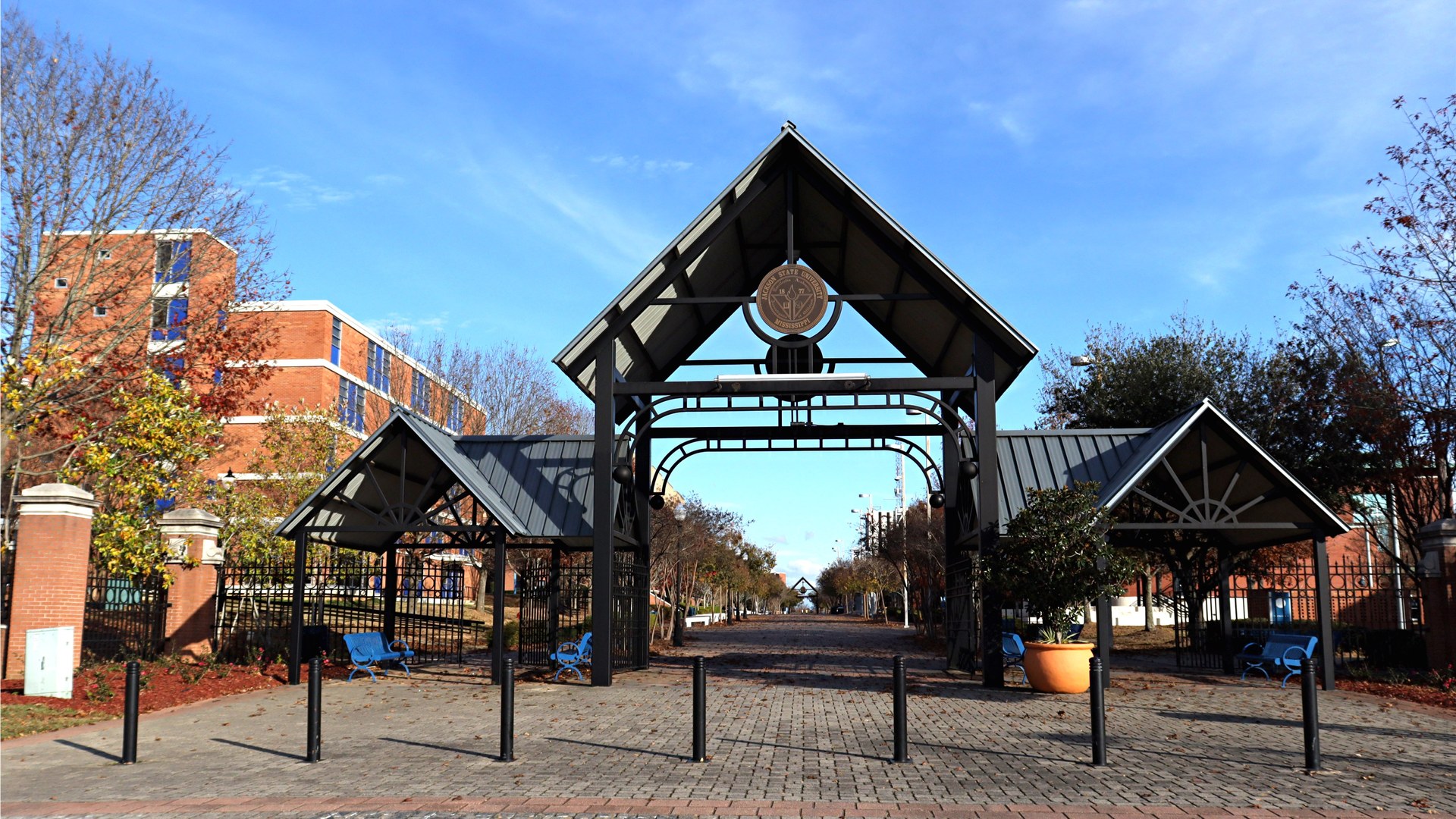
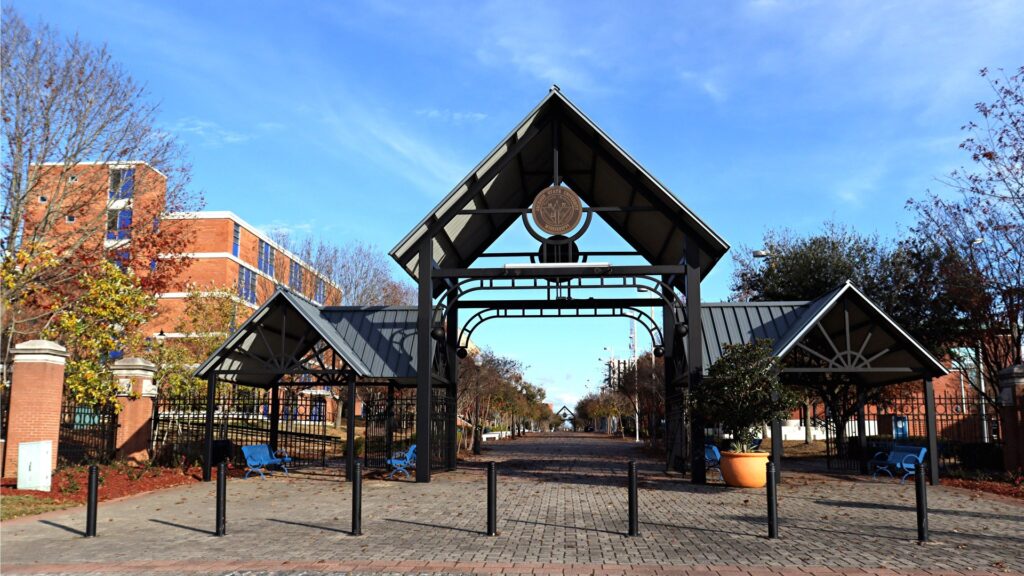
Gibbs Green Memorial Plaza at Jackson State University, one of the campuses named in the challenge to the law. Photo by 2C2K Photography via Wikimedia Commons, CC BY 2.0.
What the Mississippi DEI Ban Actually Does
Mississippi lawmakers passed House Bill 1193 in 2025.
Governor Tate Reeves signed it into law that April.
The law bars public educational institutions from maintaining offices and programs that promote diversity, equity and inclusion.
It also bars schools from requiring diversity training as a condition of enrollment, employment or contracting.
And it restricts required activities meant to raise awareness of race, sex, color, gender identity, sexual orientation or national origin.
The law sets up a complaint process inside each institution.
Schools that rack up repeated unresolved violations can lose state funding.
Teachers, professors, students and parents sued to stop it.
Civil rights groups joined them, arguing the law violates the First and Fourteenth Amendments.
They also argued the language is so vague that educators cannot know what is allowed.
Their complaint named real damage already done.
Diversity offices and initiatives shut down at Jackson State University, Alcorn State University and Hinds Community College.
Trainings were canceled, classroom discussion chilled, and educators described fear of retaliation.
Read more in our News coverage of the fights shaping Black Mississippi.
The Judge, the AI Errors and a Historic Career
United States District Judge Henry Wingate first blocked the law in July 2025.
His temporary restraining order sided with the challengers.
He followed it in August 2025 with a preliminary injunction that kept the ban frozen.
Wingate warned the law carried, in his words, a mouthful of sharp teeth which could inflict deep bites.
Then the foundation of his ruling cracked.
The temporary order named people and organizations that were not parties to the case.
It described sworn declarations that were nowhere in the court record.
It even cited a court decision that does not exist.
Senator Chuck Grassley, who chairs the Senate Judiciary Committee, demanded answers.
Wingate answered in an October 2025 letter.
He explained that a law clerk had used the AI platform Perplexity as a drafting assistant.
The early draft slipped past normal review inside his chambers.
Wingate called it a lapse in human oversight and added safeguards, including a second clerk review.
He replaced the faulty order and kept the ban blocked anyway.
The state appealed, arguing the errors cast doubt on the core legal reasoning.
On Thursday the Fifth Circuit agreed, in unusually blunt language.
Circuit Judge Jerry Smith, writing for the three judge panel, called the work a botch job.
He described sloppy edicts and several factual assertions nowhere to be found in the record.
Smith wrote that the district court, or perhaps its AI agent, ignored and manipulated governing law to satisfy a policy agenda.
The panel said the case easily calls for reassignment.
Wingate keeps his seat and his lifetime appointment.
He is removed only from this lawsuit, which a new judge will now hear.
The removal carries a sting that reaches beyond one case.
Wingate was born in Jackson in 1947 and came of age under Jim Crow.
As a Jackson teenager he joined efforts to integrate the city movie theater and public library, and he was arrested at a student protest march.
He went on to Grinnell College and Yale Law School.
President Ronald Reagan appointed him in 1985, when he was 38 years old.
He became the first Black judge to hold a lifetime federal judgeship in Mississippi.
Four decades of barrier breaking now sit beside a national story about artificial intelligence in the courts.
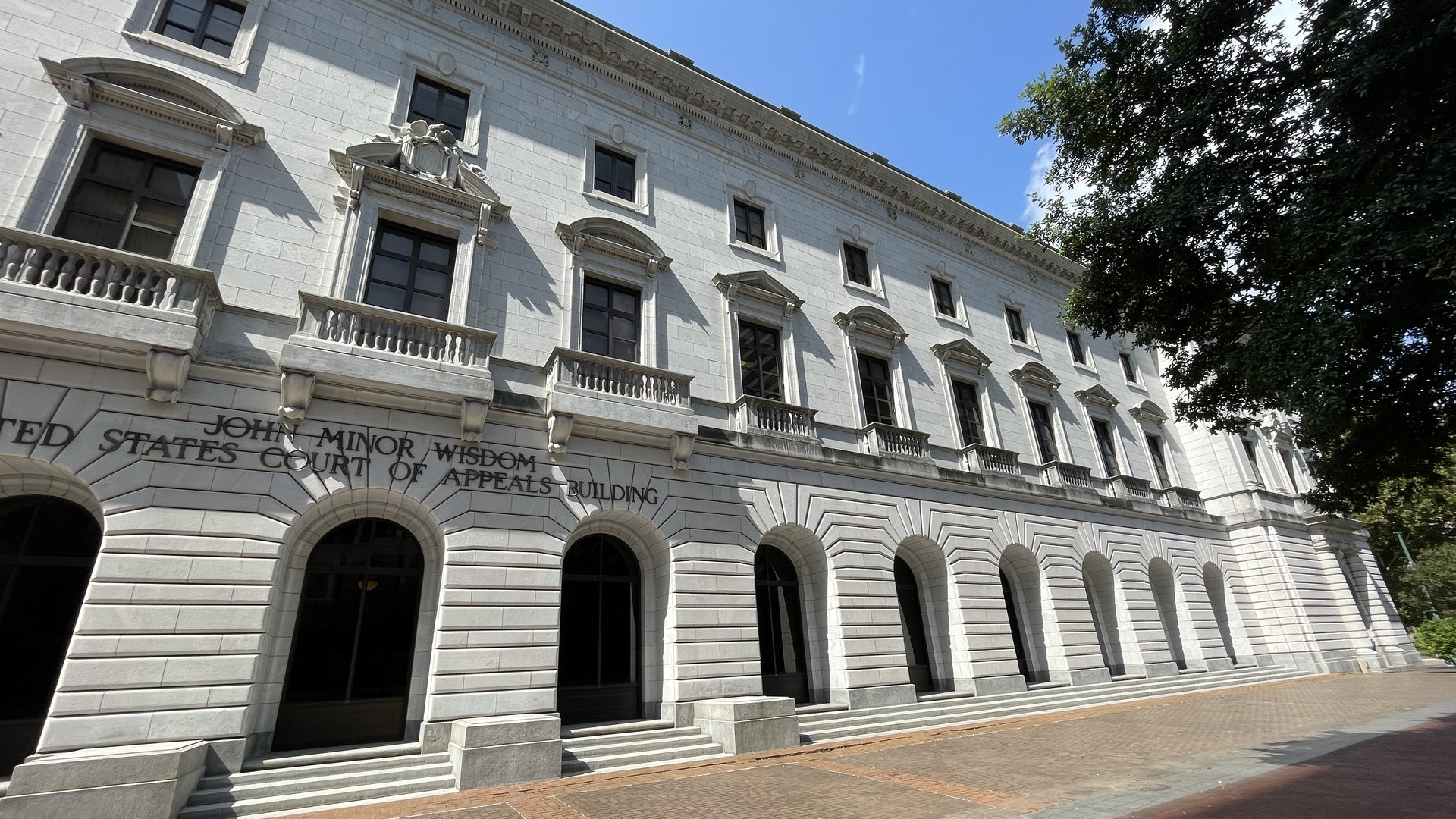
The John Minor Wisdom Courthouse in New Orleans, home of the United States Court of Appeals for the Fifth Circuit. Photo by Ktkvtsh via Wikimedia Commons, CC BY 4.0.
What This Means for Black Mississippi
Mississippi has the largest Black population share of any state in the nation, at about 38 percent.
Black students make up about 38 percent of enrollment at the state public universities.
At Jackson State, Alcorn State and Mississippi Valley State, the student bodies are overwhelmingly Black.
Those campuses built support offices, cultural centers and mentorship programs over decades.
House Bill 1193 puts that entire support structure under state suspicion.
Attorney General Lynn Fitch, whose office defended the law, won this round.
Her team argued that the AI misuse had compromised the integrity of the judicial process itself.
The challengers still see a partial shield in the ruling.
Robert McDuff of the Mississippi Center for Justice, who represents the plaintiffs, noted the panel clarified that teachers and students may still discuss race, sex and civil rights.
The panel stressed that the law applies to educators and not to students.
It also said the law imposes no general ban on teaching civil rights history in the classroom.
That line matters in a state where Black history is not an elective. It is the ground the schools stand on.
The fight over Black political power in the South is playing out on several fronts at once, from Jackson classrooms to the battle over Louisiana last Black majority district.
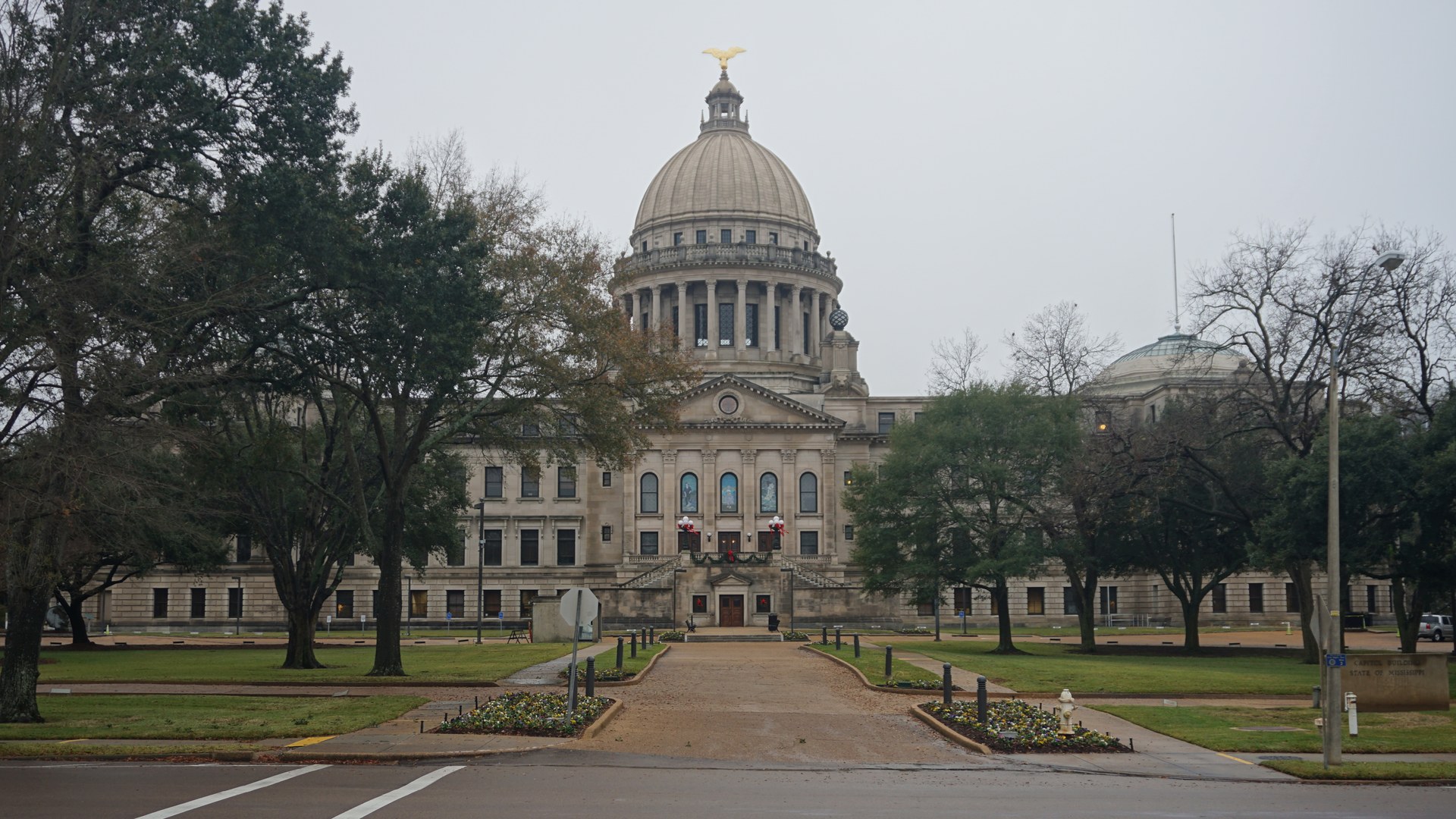
The Mississippi State Capitol in Jackson, where lawmakers passed House Bill 1193 in 2025. Photo by Michael Barera via Wikimedia Commons, CC BY-SA 4.0.
What Happens Next
The chief judge of the Southern District of Mississippi must assign the lawsuit to a new judge.
That judge will weigh the law provision by provision under the roadmap the panel laid out.
The panel said states hold broad power over curricula and publicly funded speech.
It also said a teacher speaking personally, rather than delivering assigned curriculum, keeps stronger speech protection.
Schools must now comply with a law that is no longer frozen.
More challenges can still follow specific enforcement decisions.
For Black students and educators in Mississippi, the practical question is immediate.
Which offices reopen, which trainings return, and which lessons feel risky now sit in the hands of administrators reading a 28 page opinion.
The ruling lands eleven days before a midterm election already pulling national money into the state, as our report on the Mississippi Senate race money fight detailed.
The courts have spoken for now.
The classrooms will feel the answer first.