5 min read
President Donald Trump is expected to sign a women’s health executive order on Monday, October 19, 2026.
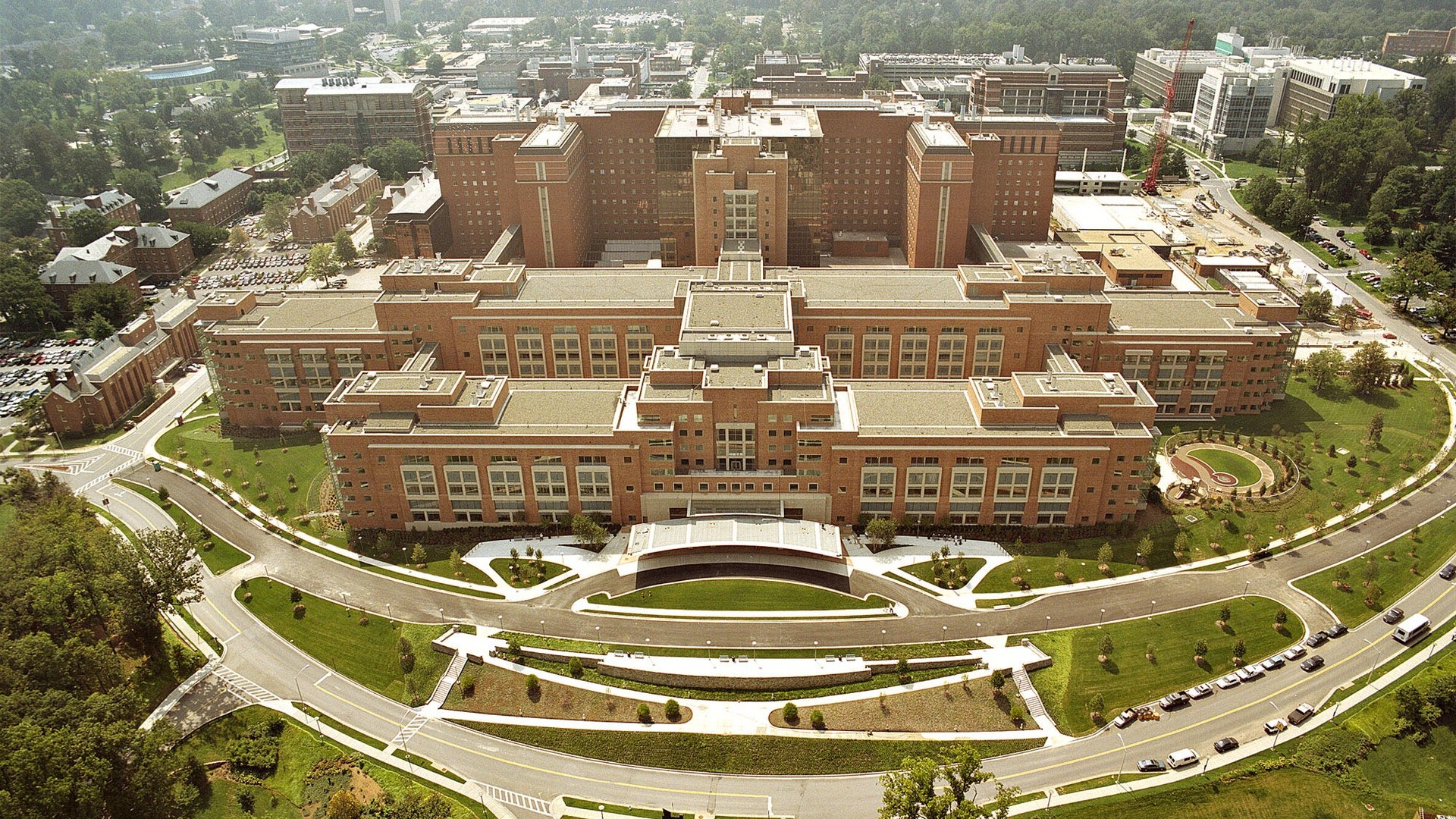
The order would create a new Women’s Health Division at the National Institutes of Health in Bethesda, Maryland.
It would also create a White House Women’s Health Task Force to reshape how the federal government approaches women’s health.
First Lady Melania Trump shaped the push and is set to lead the Rose Garden signing event late Monday morning.
For Black women, the stakes are direct, because the order names maternal health, heart disease and stroke among its targets.
Major Takeaways
- The order would create a Women’s Health Division at the NIH and a White House Women’s Health Task Force.
- Melania Trump organized the working sessions with doctors and officials that shaped the executive order.
- The order targets maternal health, mental health, endometriosis, osteoporosis, heart disease, stroke and Alzheimer’s disease.
- The White House has not yet shared how much money will be designated for research or treatment under the order.

1. What the Women’s Health Order Creates
The new division would sit inside the National Institutes of Health, the main medical research agency of the federal government.
Its mandate would reach beyond research alone, coordinating agencies to speed scientific discoveries and improve care for girls and women.
The division will not replace the NIH Office of Research on Women’s Health, which has guarded women’s health research since 1990.
The task force will be led by Chief of Staff Susie Wiles and Health and Human Services Secretary Robert F. Kennedy Jr.
Wiles has recently spoken openly about her own breast cancer diagnosis and treatment, giving the work a personal voice at the top.
The order highlights midlife conditions including osteoporosis, Alzheimer’s disease, heart disease and stroke.
It also targets maternal health, mental health and endometriosis, three areas where women often wait far too long for answers.
2. How Melania Trump Built This Push
The initiative grew out of meetings the first lady set up inside the East Wing with physicians and health experts.
She met with officials from Health and Human Services as she worked to understand the gaps in care for women.
In her own words, she moved fast once the doctors she consulted showed her how wide the research gap had grown.
She said she organized working sessions between those doctors, East Wing policy makers, the President, Secretary Kennedy and other key stakeholders.
Those sessions shaped the executive order, the task force and the new NIH department dedicated to women’s health exclusively.
“It was abundantly clear that women’s healthcare needs to be modernized, the research gap closed, and further, the need to accelerate the discovery of treatments and cures was glaring,” the first lady said in a statement.
At the Rose Garden event, she is set to speak on research, on using artificial intelligence to speed discoveries, and on affordable care.
Her speech is also expected to raise topics that leaders in Washington have long avoided discussing in public.
This term, the first lady has focused mostly on children, including foster care reforms and technology access for education.
3. Why Black Women Have the Most at Stake
Women’s health research has long given women less attention than men, and Black women have felt that neglect the sharpest.
An NIH funded study reexamined death certificates from 2016 and 2017 and found a maternal death rate for Black women 3.5 times higher than for white women.
Standard counts had put that rate at 2.5 times higher, meaning the true gap was worse than families were first told.
For Black women, preeclampsia and eclampsia were the leading causes of maternal death in that study.
Postpartum cardiomyopathy, a disease of the heart muscle, followed close behind, along with embolism and severe bleeding.
Death rates from cardiomyopathy and blood pressure disorders were five times higher for Black women than for white women.
Late maternal deaths, between six weeks and one year after birth, were also 3.5 times more likely for Black women.
Those are exactly the kinds of conditions a serious women’s health division must confront with research, staffing and follow through.
Black mothers, grandmothers and daughters will judge this order by whether care actually changes in clinics and hospitals back home.
4. The Money Question Still Needs an Answer
The NIH typically spends about $5 billion each year on women’s health, close to ten percent of its annual budget.
That share has stayed steady across administrations, and it is not yet clear how much this order could change it.
The White House has not shared the amount of money designated for research or treatment in the order.
The signing also arrives as menopause care gains new ground in Washington after years on the margins.
In November 2025, federal regulators removed the black box warning from some hormone replacement therapy after more than twenty years.
President Joe Biden signed a women’s health order in March 2024 that focused on heart disease, menopause and endometriosis.
Monday also lands two weeks before the midterm elections, with the votes of women set to shape the outcome.
5. What to Watch When the Pen Comes Out
The signing event is scheduled for 11 a.m. Eastern on Monday in the Rose Garden at the White House.
Watch first for the official text, because an order lives or dies on the duties and deadlines written inside it.
Watch next for funding, staffing and a clear place for Black women among the researchers and patients this work must serve.
Urban City Podcast will update this story once the order is signed and the full text is public.
If the division delivers, Black women could finally see research built around their bodies, their births and their midlife health.
Read more in our News coverage, explore our Health and Wellness coverage, and visit Urban City Podcast for more stories.