6 min read
Major Takeaways
- Shirley Chisholm became the first Black woman elected to Congress in 1968, representing Brooklyn for seven terms.
- In 1972 she became the first Black candidate to seek a major party nomination for president of the United States.
- She helped expand food stamps, helped create the WIC nutrition program, and helped found the Congressional Black Caucus.
- Her famous folding chair line still teaches Black women today how to claim space when doors stay closed.
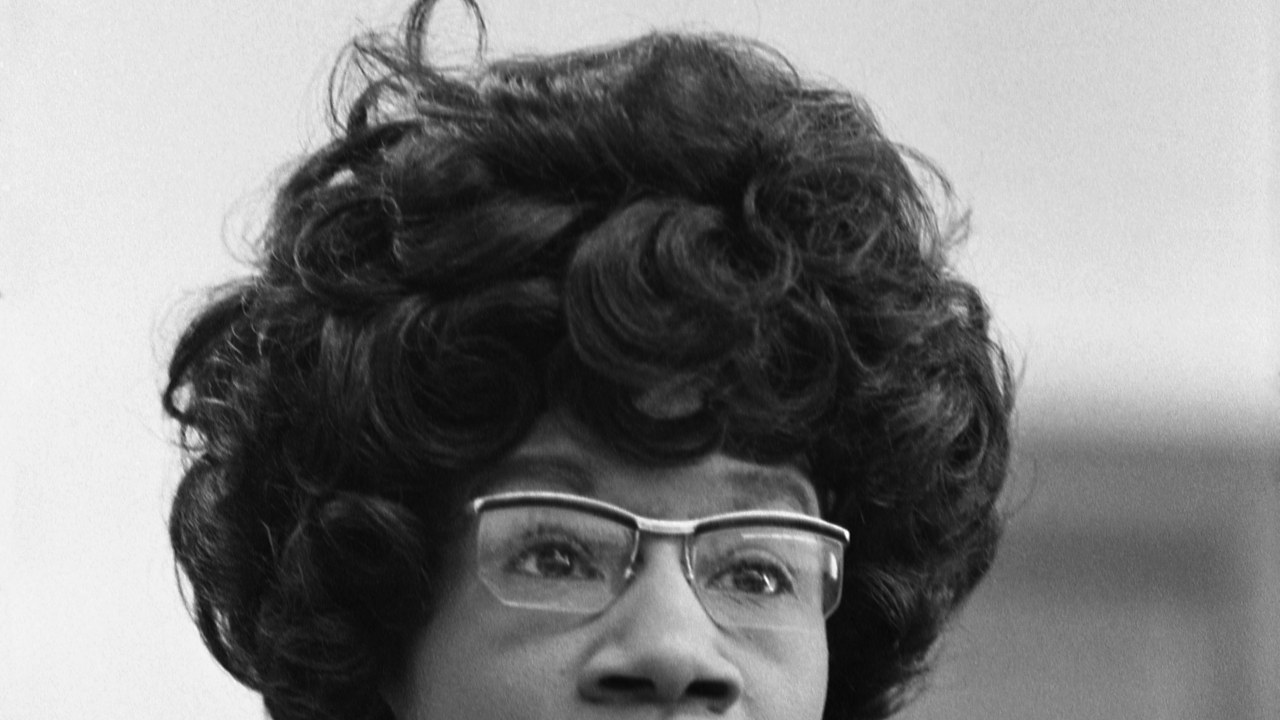
Shirley Chisholm walked into rooms that were never built for her and refused to wait for permission.
Born Shirley Anita St. Hill on November 30, 1924, in Brooklyn, New York, she was the daughter of immigrants from Barbados.
She spent part of her childhood in Barbados with her grandmother, learning in a strict island school system.
That early education gave her a sharp voice, a love of debate, and a confidence that never left her.
Back in Brooklyn, her father worked in factories and bakeries and admired Marcus Garvey and his message of Black pride.
Her mother worked as a seamstress and a domestic worker, holding the family together through hard years.
Shirley Chisholm Built Her Power in Brooklyn Classrooms
Chisholm graduated from Brooklyn College in 1946 with honors in sociology and a reputation as a fierce debater.
She earned a masters degree in childhood education from Teachers College at Columbia University in 1951.
She began as a nursery school teacher and rose to become a consultant for the New York City Division of Day Care.
In classrooms and community meetings, she saw up close how policy shaped food, housing, and opportunity for Black families.
She joined the League of Women Voters, the NAACP, the Urban League, and local Democratic clubs in Bedford Stuyvesant.
Politics, she decided, was not a spectator activity. It was where the decisions about her neighbors were made.
In 1964 she won election to the New York State Assembly, serving in Albany from 1965 to 1968.
She overcame open resistance because she was a woman, a pattern she would face again and again at higher levels.
A Historic Win in 1968 Changed Congress Forever
In 1968 Chisholm ran for the United States House of Representatives from New York and its Twelfth Congressional District.
Her campaign slogan told voters exactly who she was. Fighting Shirley Chisholm, unbought and unbossed.
She won and became the first Black woman ever elected to the United States Congress.
She represented Bedford Stuyvesant in Brooklyn for seven terms, serving from January 3, 1969 to January 3, 1983.
Leaders first placed her on the House Agriculture Committee, an assignment that seemed distant from her urban district.
Chisholm protested the placement, demanded a new assignment, and then found a way to make even that post serve the poor.
Working with allies across party lines, she used surplus food policy to expand help for hungry families.
She worked to expand the food stamp program and played a central role in creating WIC.
WIC is the Special Supplemental Nutrition Program for Women, Infants, and Children, and it still feeds millions today.
Across her career she introduced more than fifty pieces of legislation in the House.
Her bills championed racial equality, gender equality, support for the poor, and an end to the Vietnam War.
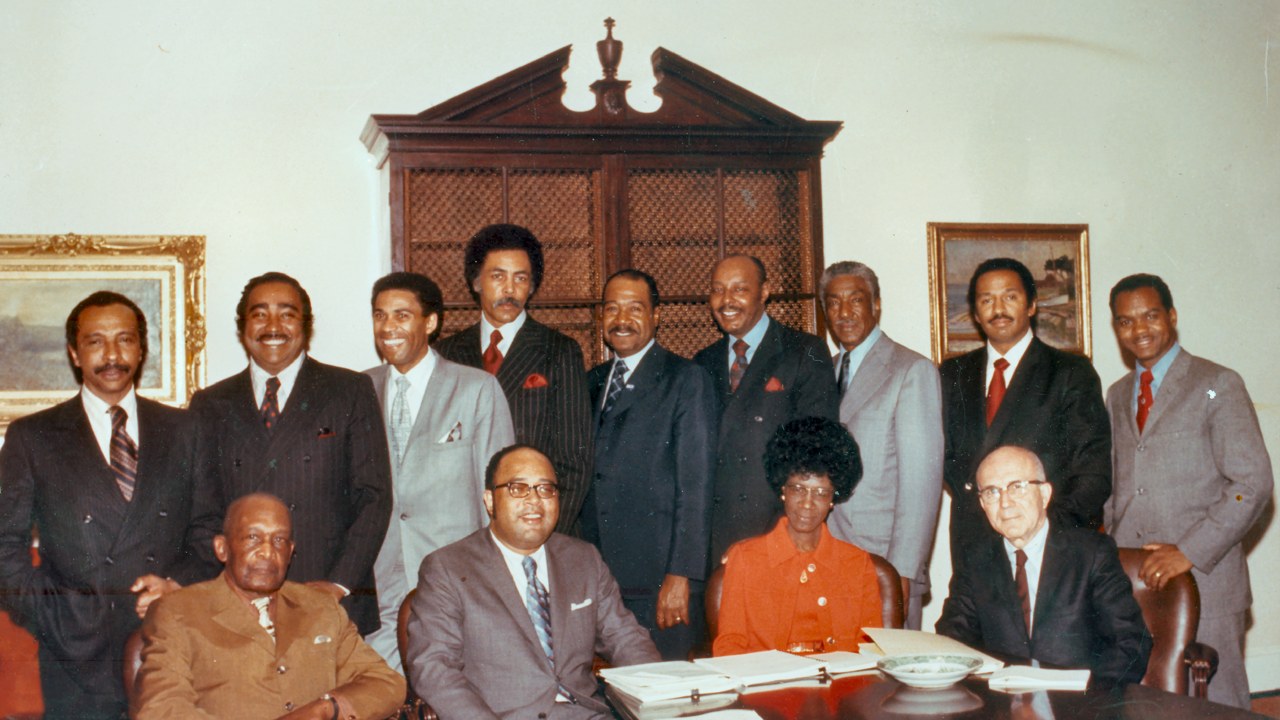
In 1971 she became a founding member of the Congressional Black Caucus, building collective power for Black lawmakers.
That same year she helped found the National Womens Political Caucus to open more doors for women in politics.
The 1972 Campaign That Rewrote American Politics
On January 25, 1972, in a Baptist church in her Brooklyn district, Chisholm announced she would run for president.
She became the first Black candidate to seek a major party nomination for president of the United States.
She also became the first woman ever to run for the Democratic Party nomination for president.
She said she did not run as the candidate of Black America only, or of women only, but of the American people.
Her campaign was short on money and long on courage, entering twelve primaries across the country.
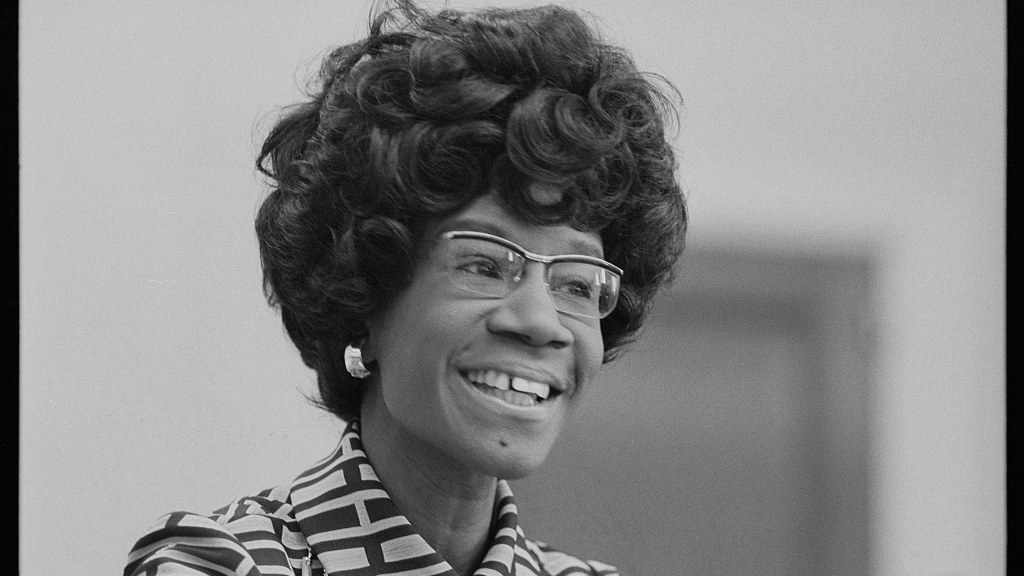
She faced resistance from voters, from the press, and even from many male leaders in Black politics.
At the Democratic convention she still earned 152 votes on the first ballot, placing fourth behind George McGovern.
The numbers mattered less than the door she forced open. A Black woman had run a national campaign and could not be erased.
Every Black woman who has run for national office since has walked a road Chisholm helped pave.
Read more in our Black in the Day feature on the Great Migration journeys that reshaped America and how movement built new political power in northern cities.
Leadership, Legacy and the Folding Chair
After the campaign Chisholm kept serving in the House and kept rising inside the institution she had challenged.
In 1977 she was elected Secretary of the House Democratic Caucus, a seat in party leadership.
That same year she became the first Black woman and the second woman ever to serve on the powerful House Rules Committee.
She retired from Congress in 1983 and was succeeded by Major Owens in her Brooklyn district.
She taught at Mount Holyoke College, holding a chair in politics and womens studies until 1987.
She also helped found the National Congress of Black Women in 1984, investing in the next generation of leaders.
Her most quoted line still circulates in classrooms, churches, and campaign offices across the country.
If they do not give you a seat at the table, bring a folding chair.
She also asked to be remembered as a catalyst for change in America, a woman who dared to be herself.
Chisholm died on January 1, 2005, in Ormond Beach, Florida, at the age of eighty.
In 2015 President Barack Obama awarded her the Presidential Medal of Freedom after her death.
In 2024 she received the Congressional Gold Medal after her death, another honor that arrived decades late.
Her story connects directly to earlier struggles in our series, including the Haitian Revolution and the birth of a Black nation.
For Black readers today, Chisholm is more than a first. She is proof that representation without independence is not enough.
She took no orders from donors, no script from party bosses, and no limits from history itself.
Visit Urban City Podcast for more Black history features that connect the past to the fights of right now.