

7 min read
Major Takeaways
- Chicago Mayor Brandon Johnson charged that President Trump funneled wealth to the ultra rich while ignoring the demands of descendants of the formerly enslaved.
- The White House fired back Wednesday, declaring that programs that dole out money based on race are illegal and accusing Johnson of pushing divisive, unconstitutional action.
- The Trump Justice Department is moving against local reparations efforts, including a class action lawsuit aimed at Evanston, Illinois, the first American city to pay out reparations.
- Grassroots activists argue the only legally durable path is lineage based reparations reserved strictly for direct descendants of enslaved people.
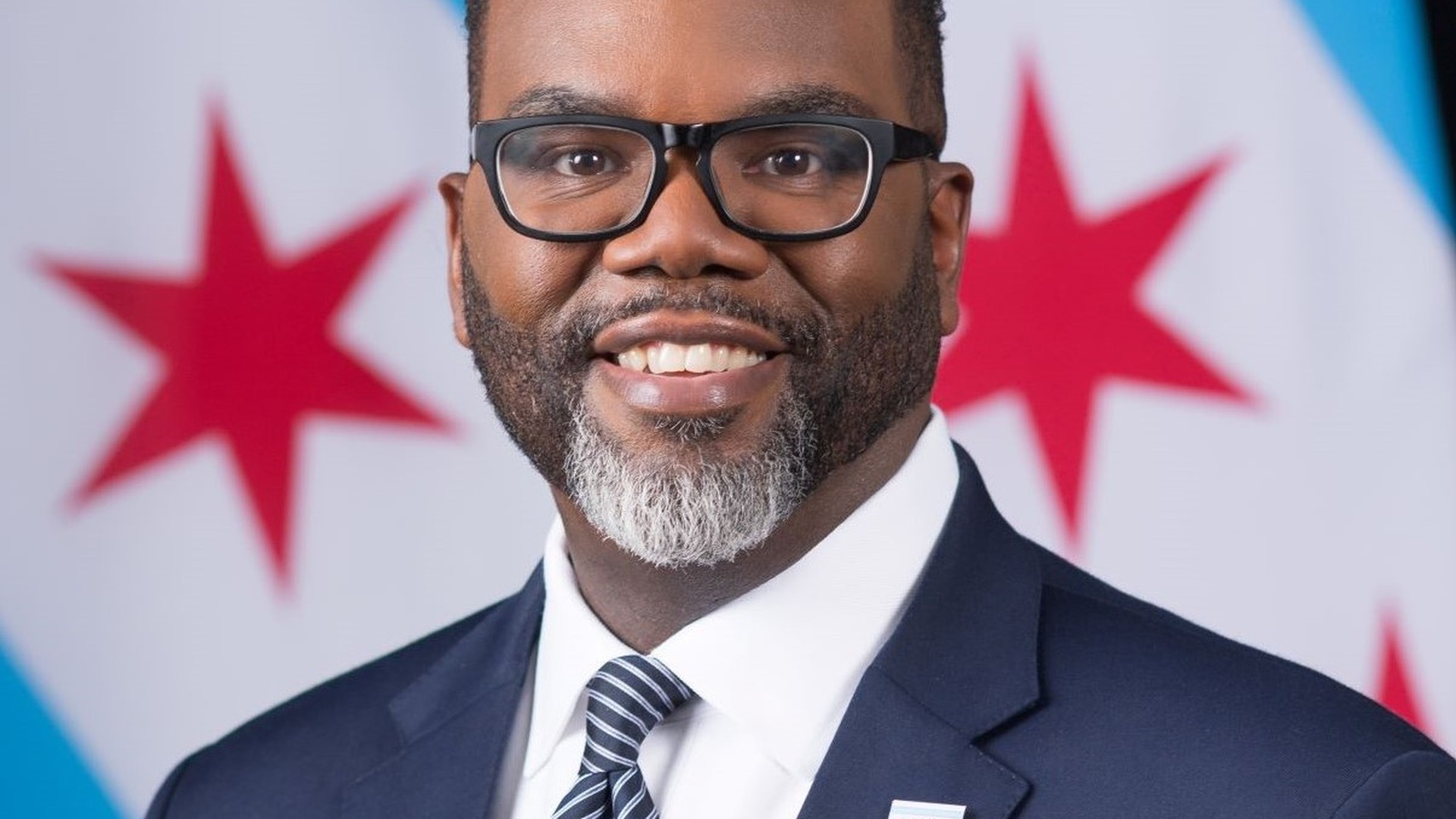
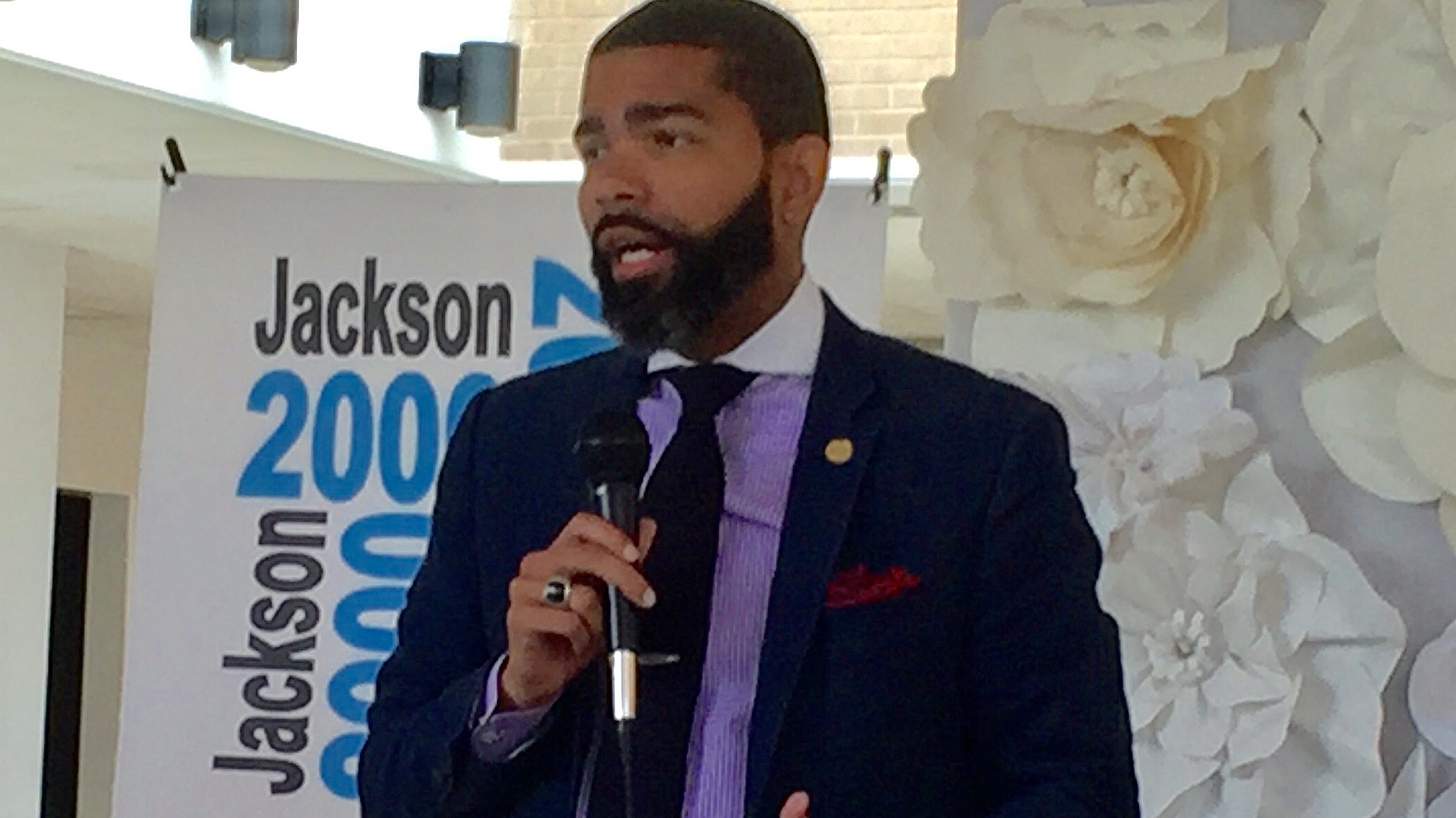
Chicago Mayor Brandon Johnson. Photo: Office of the City Clerk, City of Chicago.
The reparations fight has exploded into a full blown national clash. Chicago Mayor Brandon Johnson used a weekend podcast appearance to accuse President Donald Trump of enriching the wealthy while leaving descendants of the formerly enslaved behind. By Wednesday, the White House was punching back, and the battle lines over reparations in America have never been sharper.
For Black Chicagoans, this is not an abstract policy debate. It is about whether city, state and federal power will ever put dollars behind repair for centuries of stolen labor, redlining and housing theft. The mayor says yes. The president says no. The courts will decide how far either side can go.
A Podcast Spark That Lit A National Fire
Johnson sat down Sunday with the hosts of Native Land Pod, Angela Rye, Bakari Sellers and Andrew Gillum, to talk about his push to reduce violent crime in Chicago. The conversation turned to a recent Truth Social post from Trump that blasted Illinois leadership and claimed the city is suffering a violent crime wave.
Johnson fired back with a broader charge. He said Trump has released the largest upward transfer of wealth into the hands of the ultrarich at the expense of the demands of those of us who are descendants of the formerly enslaved. He argued that the president has starved the very things Black communities asked for: education, housing, health care, transportation and good paying jobs.
The mayor also accused Trump of cutting the federal violence prevention budget by 800 million dollars and slashing the ATF budget by 30 percent, even as illegal guns keep flowing into Chicago. He said his city has removed almost 9,000 illegal weapons from the streets this year through joint work between Chicago police and federal agents.
While Johnson did not say the word reparations on the podcast, his office pointed reporters to the city programs that carry the cause. He signed an executive order creating a task force of 40 members to study historical harms committed against Black Chicagoans and their ancestors. In March, the city launched Repair Chicago, a public engagement effort gathering the lived experiences of Black residents to shape future policy.
The White House Fires Back
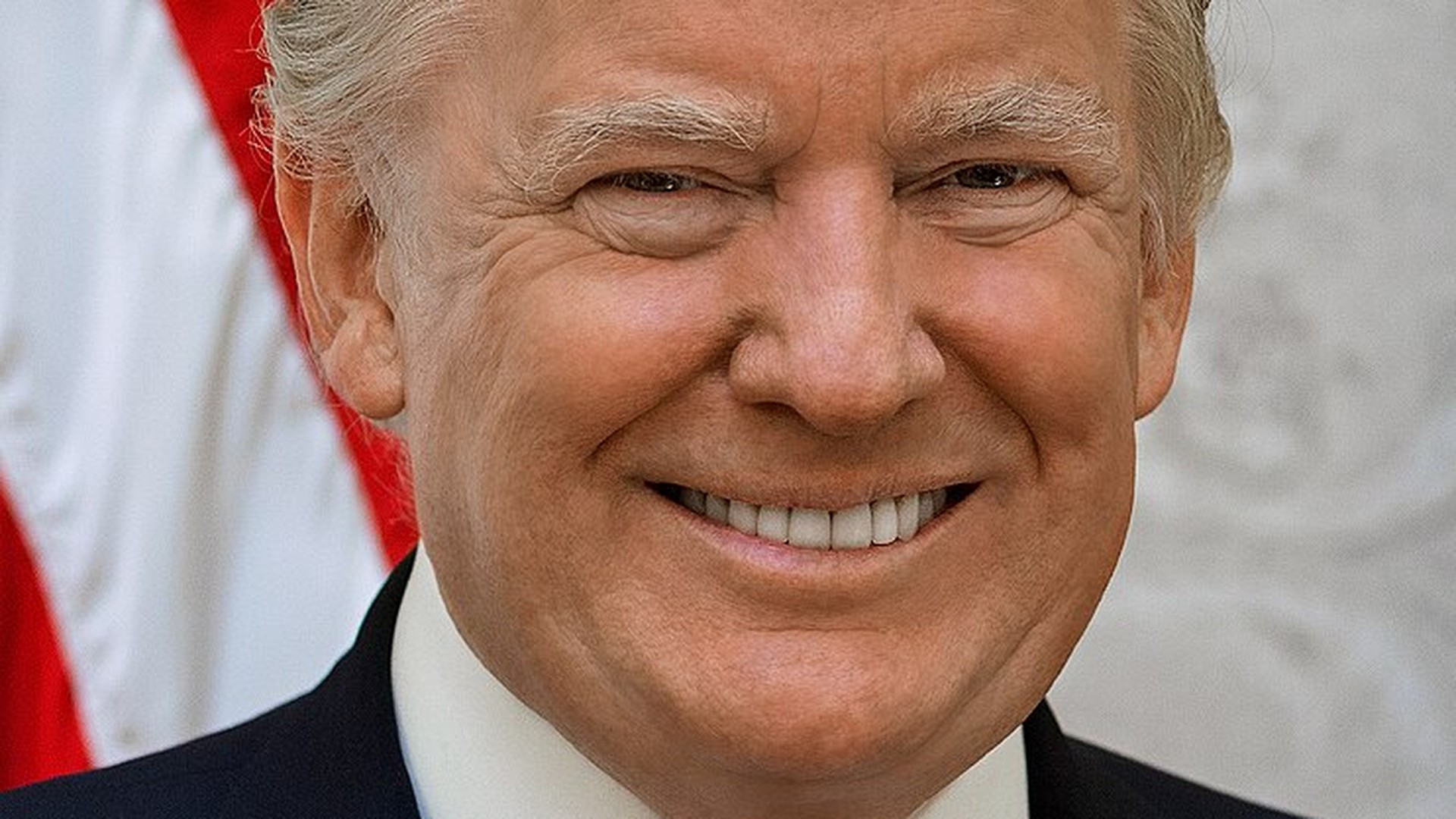
President Donald Trump. Photo: White House.
The White House response came fast and blunt. A spokesperson told Fox News Digital that programs that dole out money based on race are illegal. The spokesperson added that Chicago would be better served if Johnson focused on lowering the homicide rate rather than advocating for divisive, unconstitutional government action.
White House spokeswoman Allison Schuster went further, saying Trump was elected with a mandate to end divisive, racist policies and restore merit. She said the administration will always promote equal treatment under the law for every American, regardless of race or ethnicity.
The legal muscle behind that message sits inside the Justice Department. Harmeet K. Dhillon, who leads the Civil Rights Division as assistant attorney general, has signaled plans to challenge race conscious distribution models. Dhillon previously told Fox News Digital that local officials pushing reparations are virtue signaling to win votes.
This is the sharpest federal threat yet against the growing number of cities and counties exploring reparations. The message is plain: Washington will use civil rights law itself as a weapon against programs that distribute benefits by race.
Evanston Sits In The Crosshairs
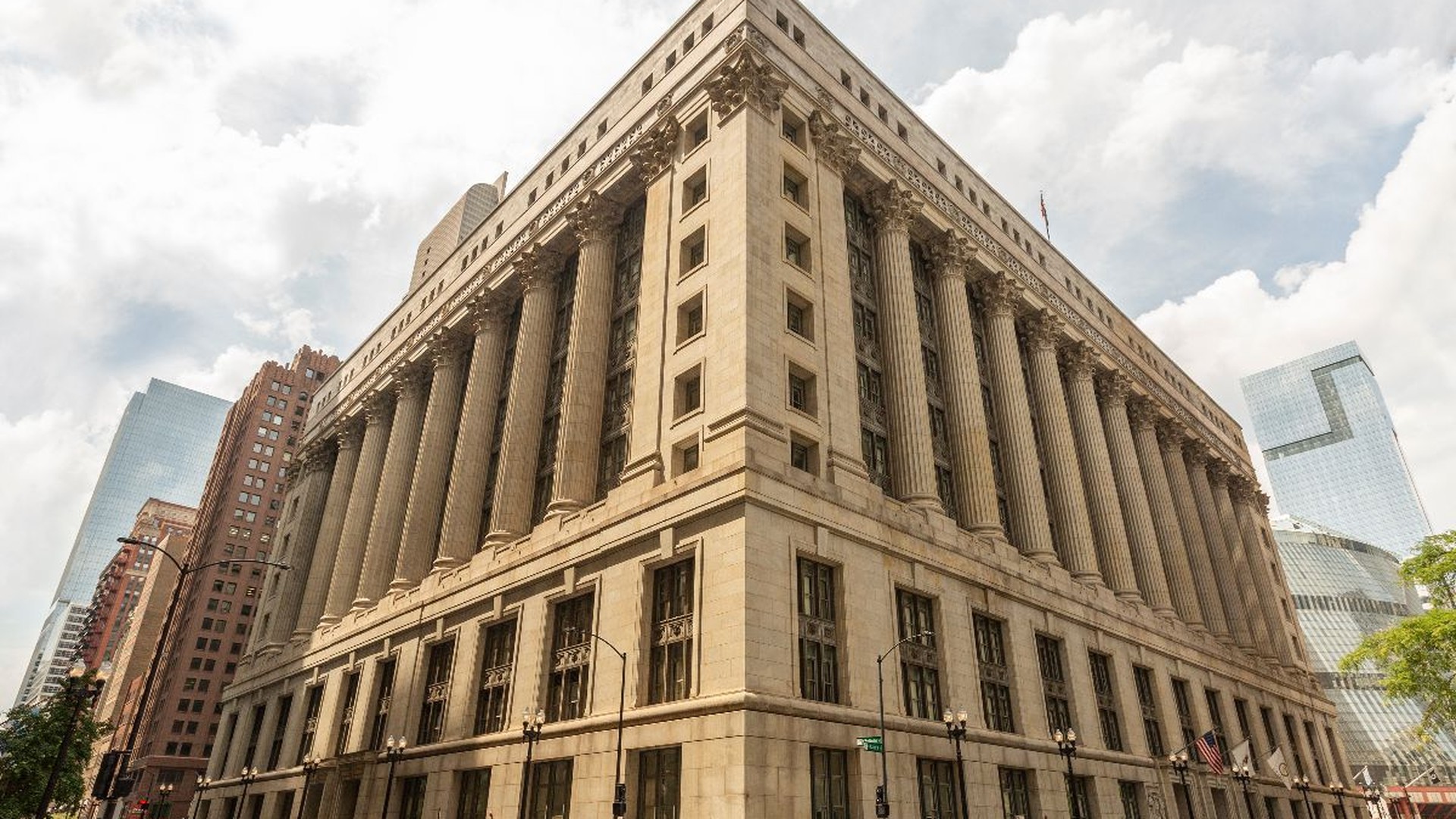
Chicago City Hall, where the reparations fight has reached a national stage. Photo: homestratosphere.com.
The clearest test of that threat is playing out in Evanston, Illinois, the first American city to actually pay reparations. Since 2021, Evanston has offered grants of 25,000 dollars to eligible Black residents or their direct descendants for housing and home repairs, funded by local taxes on legal recreational marijuana sales.
To date the city has distributed more than 7 million dollars of a 20 million dollar fund. Earlier this year, the city reparations committee cleared another wave of funding for 44 residents. For Black families there, the money has meant down payments, roof repairs and a foothold in neighborhoods their grandparents were locked out of by redlining.
Now that program faces a high profile class action lawsuit filed by Judicial Watch and the Trump administration. The suit alleges that race based eligibility violates the Equal Protection Clause of the Fourteenth Amendment. If the challengers win, Evanston could become the template for shutting down reparations efforts nationwide.
Federal pressure is spreading. In September of last year, the Justice Department warned officials in Buncombe County, North Carolina, that it would investigate potential civil rights violations if local leaders approved recommendations from their community reparations commission. The pattern is clear: any locality that moves money by race should expect a fight from Washington.
A Growing Push For Lineage Based Reparations
Inside the reparations movement itself, a fierce debate is underway about how to survive these legal attacks. Grassroots activists with the U.S. Freedmen Project, who describe themselves as Foundational Black Americans, argue that reparations must be tied strictly to lineage, reserved only for direct descendants of enslaved people in the United States.
The group contends that broadening reparations to cover every form of racial injustice or every marginalized community invites exactly the constitutional challenges the Trump administration is now bringing. One of its leaders has argued that positioning reparations as lineage based rather than race based circumvents legal challenges grounded in race.
Similar battles are flaring in the states. New Jersey lawmakers have introduced the Truth, Reconciliation, and Repair Act to study wealth gaps rooted in slavery. New York has held heated public hearings on its own commission, with residents warning that expanding eligibility to recent immigrants and other groups could dilute the movement.
For Black America, the stakes of this internal debate are enormous. Get the legal design right and reparations programs can survive court scrutiny. Get it wrong and decades of organizing could be erased by a single Supreme Court ruling.
Why Black Chicago Is Watching
Johnson took office in May of 2023 and his administration points to real progress on violence. The mayor office cites historic double digit decreases in crime through 2025, with homicides down 3.8 percent, shootings down 1.3 percent and robberies down 20.9 percent so far this year compared with the same period last year.
But crime numbers are only part of the story Johnson wants told. His reparations task force and the Repair Chicago listening sessions are about something deeper: a city government officially acknowledging that Black Chicago was harmed on purpose, through policy, and that repair is owed.
The White House sees the same programs as unconstitutional favoritism. That collision is headed for the courts, and the outcome will shape not just Chicago but every city where Black residents are demanding that repair finally come with a check.
Black voters should watch this fight closely. The legal theories the Trump administration is testing against Evanston and Chicago today could become the blueprint for blocking reparations everywhere tomorrow. The midterms will not settle it. Only sustained organizing, smart legal strategy and unflinching political pressure will.
Sources and Further Reading
- White House punches back at Chicago Mayor Johnson over reparations demands (Fox News Digital)
- Reparations activists call out blue states for using slavery history to fund broader agenda (Fox News Digital)
- Black Organizers Turn Early Voting Into Midterm Power Push (Urban City Podcast)
- 2030 Census Overhaul Could Erase Black People From Power (Urban City Podcast)








One Response
This is an EXCELLENT article and I fully support the MAYOR ! He told the TRUTH….funny how other’s can consider themselves deserving and so much better than someone else and exclude others based on RACE then lie, cheat and manipulate to get wealth for them and take away opportunity for others based on RACE YET….don’t want to do the right thing for the descendants that built this country and made their ancestors wealthy from the fields to the train tracks and in between.