
Major Takeaways
Bryan Stevenson has freed over 100 innocent people from death row.
He created national institutions to confront racial injustice.
His work reshaped criminal justice reform in America.
The Lawyer Who Forced America to Face Its Past and Its Prisons
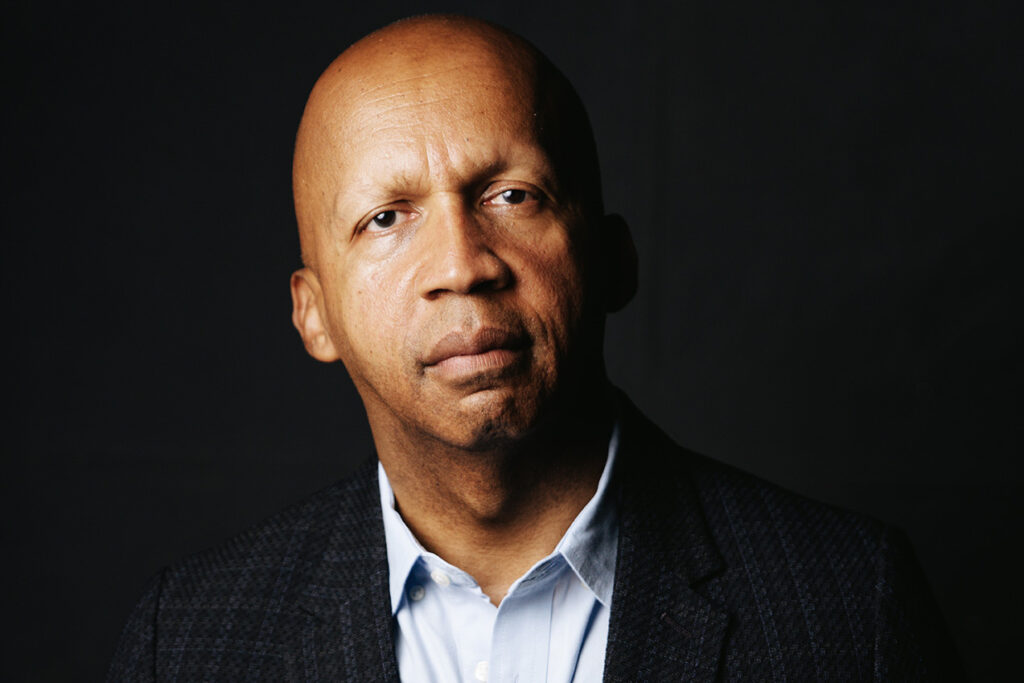
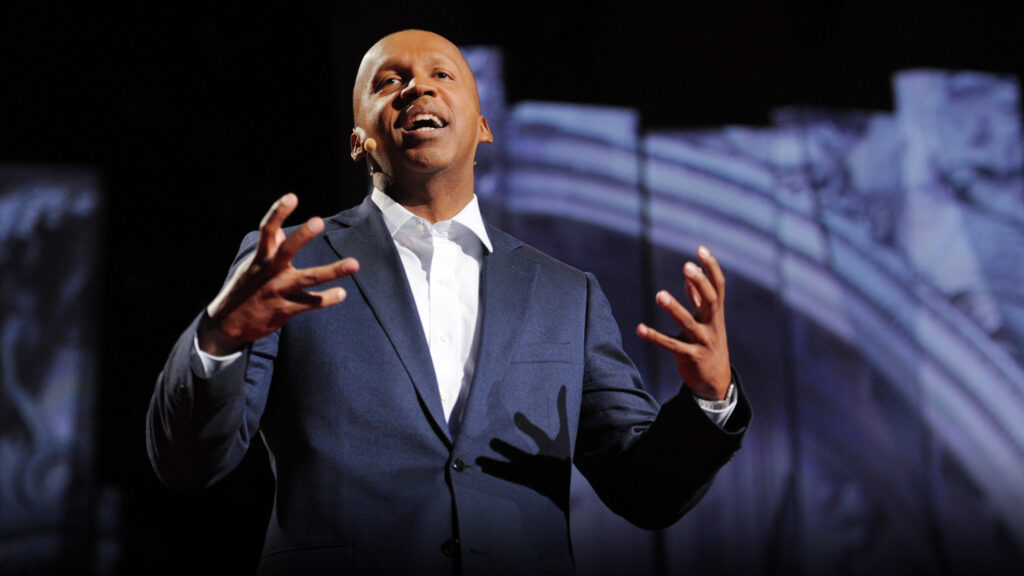
Thaddeus Myles here, family welcome back to Urban City’s Black Agenda, where we honor the people brave enough to challenge systems instead of just surviving them. Today is Day 21, and we’re stepping into the story of a man whose life’s work has forced America to confront some of its darkest truths. We’re talking about Bryan Stevenson.
Bryan Stevenson grew up in a segregated Delaware community and learned early what injustice looked like up close. His parents raised him with discipline, compassion, and a deep belief in education. That foundation carried him through college and into Harvard Law School, where he began to realize that the American justice system treated people very differently depending on their race and their bank account.
Instead of choosing a lucrative corporate law career, Stevenson made a radical decision. He moved to Alabama to represent people who had been condemned by the system and forgotten by society. He began working with individuals on death row, many of whom were poor, Black, and had received little or no legal defense.
In 1989, he founded the Equal Justice Initiative, a nonprofit organization dedicated to providing legal representation to people who had been wrongly convicted, unfairly sentenced, or abused by the criminal justice system. Since its founding, EJI has helped free more than one hundred people from death row, many of whom were innocent.
But Stevenson’s work goes far beyond individual cases.
He understood something bigger: the United States cannot fix its justice system without telling the truth about its history. That truth includes slavery, lynching, segregation, and mass incarceration.
That is why he led the creation of the National Memorial for Peace and Justice in Montgomery, Alabama. The memorial honors thousands of Black Americans who were lynched during the era of racial terror. For the first time, the country had a physical space where it could confront the violence that shaped modern racism.
Next to the memorial, Stevenson helped establish the Legacy Museum, which connects slavery to mass incarceration through historical evidence, personal narratives, and data. The museum forces visitors to see how today’s prison system grew out of yesterday’s racial control.
Stevenson has also become one of the most influential voices on criminal justice reform. His book Just Mercy became a bestseller and was later adapted into a major film, bringing the stories of wrongfully convicted individuals to millions of people around the world.
What makes Bryan Stevenson extraordinary is not just his intellect or his legal skill it is his humanity. He believes that every person is more than the worst thing they have ever done. That belief challenges a system built on punishment rather than rehabilitation.
In a country that often treats poor and Black defendants as disposable, Stevenson insists on dignity. His work has influenced lawmakers, judges, educators, and activists across the nation.
Today, in 2026, the movement for justice reform continues to grow and much of that momentum can be traced back to the foundation Stevenson built.
So on Day 21 of Urban City’s Black Agenda, we honor Bryan Stevenson the Moral Fire who forced America to reckon with justice and history.
I’m Thaddeus Myles, and as always, keep it locked to urbancitypodcast.com and the Urban City Podcast app all month long for Urban City Podcast’s Black Agenda, powered by 4AM Roastery at 4amroastery.com.