5 min read
Black women organized, mobilized and delivered voters in the midterm elections.
Now Black women are telling the new Congress exactly what comes next.
The Black Women Roundtable has released seven priorities for the first 100 days of the 120th Congress.
The message is direct. Representation matters, but results matter more.
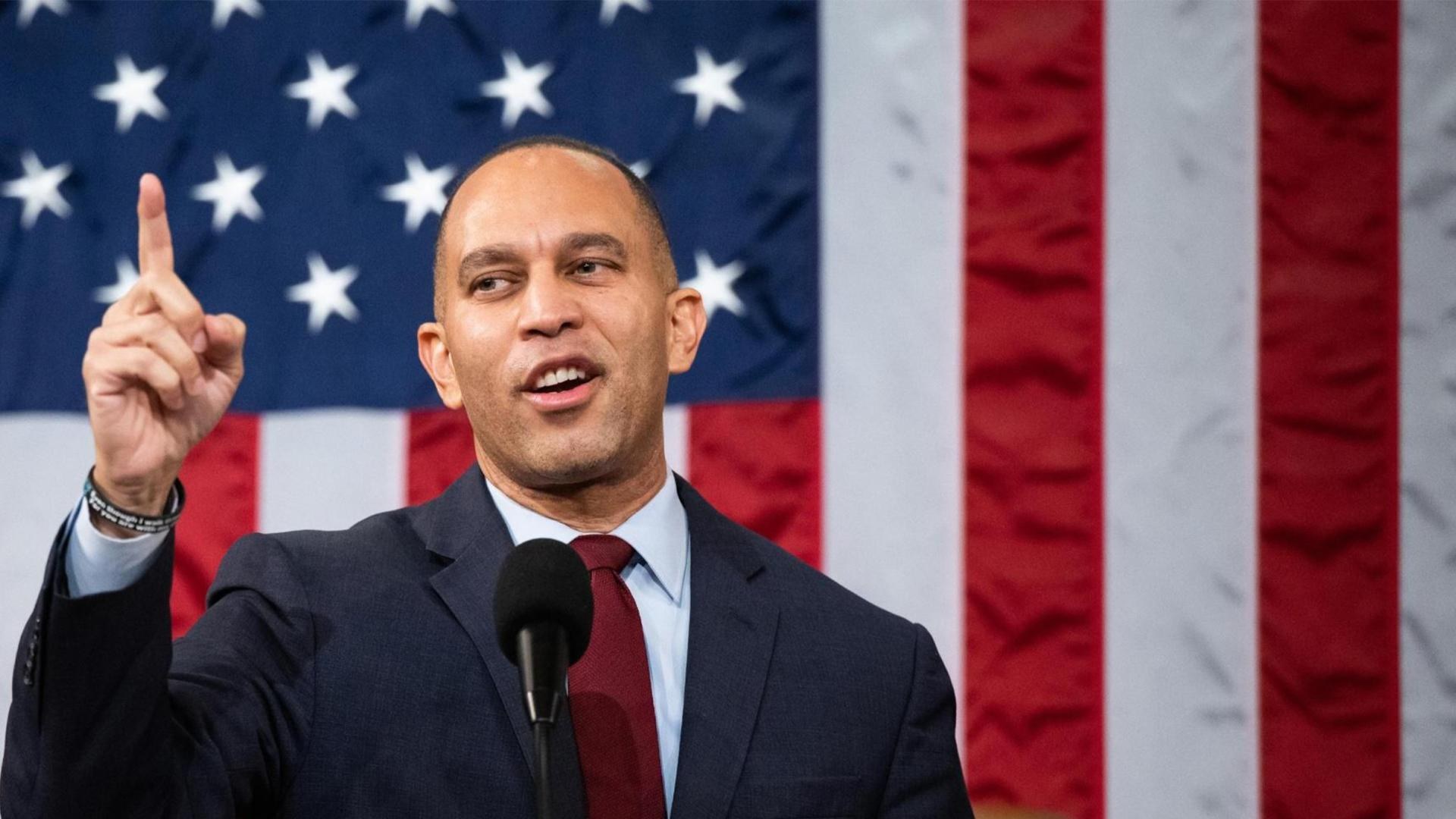
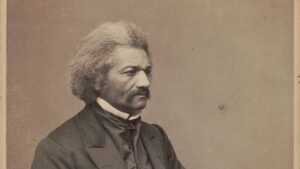
Hakeem Jeffries speaking on the opening day of the 118th Congress. Photo by the United States government, public domain, via Wikimedia Commons.
Major Takeaways
1. Black women have given the incoming Congress seven priorities for its first 100 days.
2. A poll of 1000 Black women voters found 47 percent put protecting the safety net first.
3. The list demands a 25 dollar federal minimum wage and an expanded Child Tax Credit.
4. Voting rights bills sit at the center of the agenda, beside gun safety and civil rights.
5. Organizers say lawmakers who fail to deliver will answer to the voters who elected them.
The Moment Black Women Built
The agenda arrived right after House Democrats nominated Hakeem Jeffries for speaker.
That nomination puts Jeffries one step closer to becoming the first Black American to lead the House of Representatives.
The full House will elect its speaker when the new Congress convenes in January 2027.
Melanie Campbell leads the National Coalition on Black Civic Participation.
She also serves as national convener of the Black Women Roundtable.
The Roundtable is the women and girls empowerment arm of the coalition.
Campbell said the prospect of the first Black speaker carries profound historical significance.
She called it an opportunity to turn representation into results.
Her words were plain about who built this moment.
“Black women did not just mobilize to change who holds office,” Campbell said.
“We organized to change what the government delivers.”
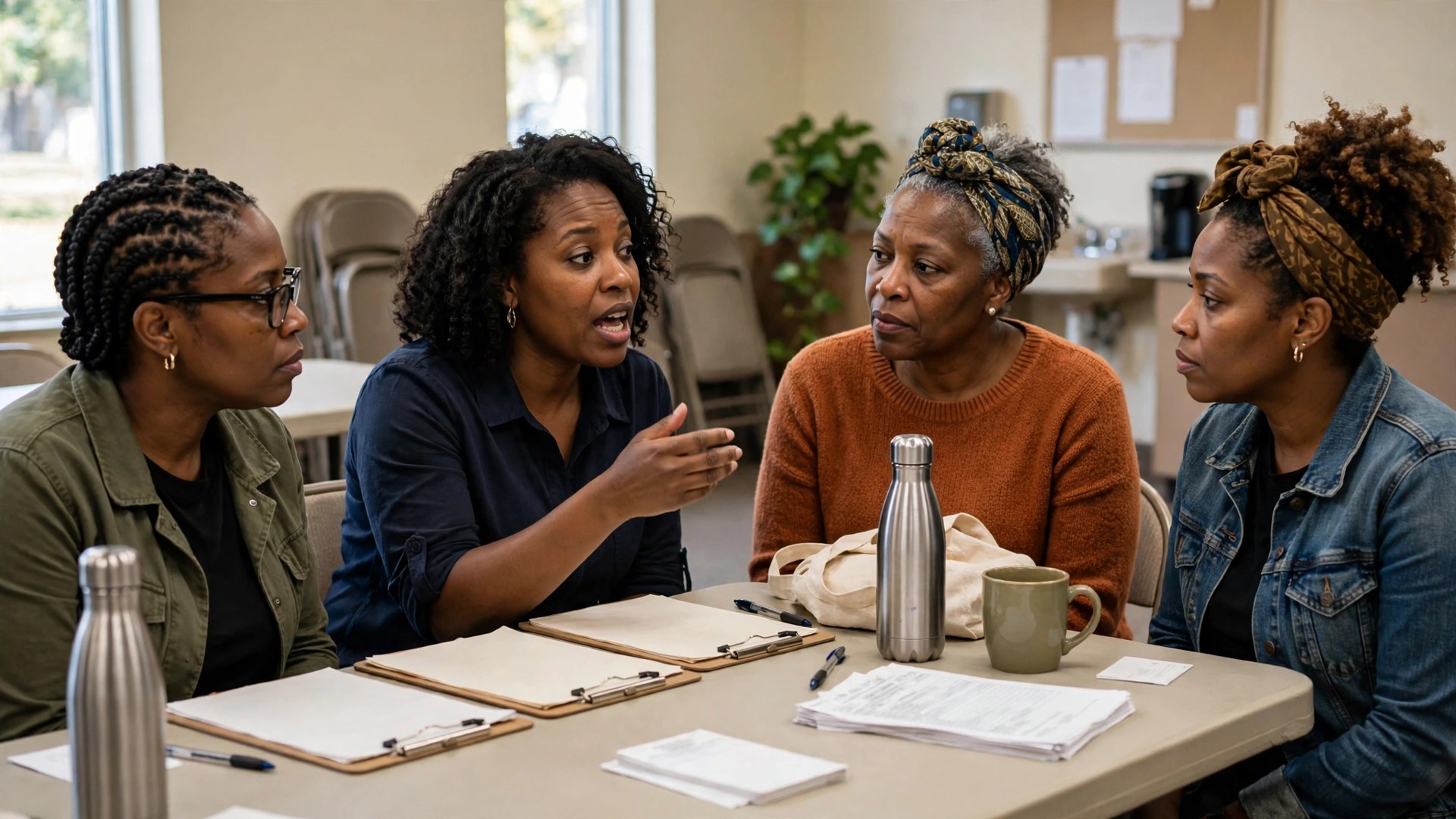
The Poll Behind The Demands For Black Women
The priorities draw from the Roundtable 2027 Federal Policy Agenda.
They also rest on the 2026 Power of the Sister Vote Poll.
That national survey spoke with 1000 registered Black women voters during the midterm cycle.
The answers show where the pressure sits in Black households.
About 47 percent named protecting the social safety net as a top federal priority.
About 43 percent pointed to rising prices.
About 31 percent put lowering health care and prescription drug costs at the top.
Those numbers explain the order of the list that follows.
The coalition and its state partners ran a multigenerational voter campaign this fall.
That work reached across Alabama, Florida, Georgia, Michigan and Mississippi.
It also ran in North Carolina, Ohio, Pennsylvania and South Carolina.
Thousands of Black voters were engaged and mobilized through that effort.
Organizers say that same machinery now turns toward accountability.
Seven Priorities For The First 100 Days
First, protect the social safety net.
The agenda calls for reversing Medicaid and SNAP cuts.
It also demands protection for Social Security and Medicare.
Second, lower the cost of living.
That means expanding the Child Tax Credit and growing affordable housing.
It also means confronting the policies that keep driving family costs upward.
Our recent reporting on food assistance cuts at Thanksgiving showed how fast those costs land.
Third, make health care affordable and save Black mothers and babies.
The list calls for restoring Affordable Care Act tax credits.
It calls for lower prescription drug costs and expanded postpartum Medicaid coverage.
It also calls for protecting maternity care in our communities.
Fourth, create jobs, raise wages and expand business opportunity.
The wage demand is specific. The federal minimum wage should reach 25 dollars.
The agenda would end the subminimum wage for tipped workers.
It advances paid family leave, apprenticeships and job creation investment.
It also pushes wider access to capital and federal contracting for Black owned businesses.
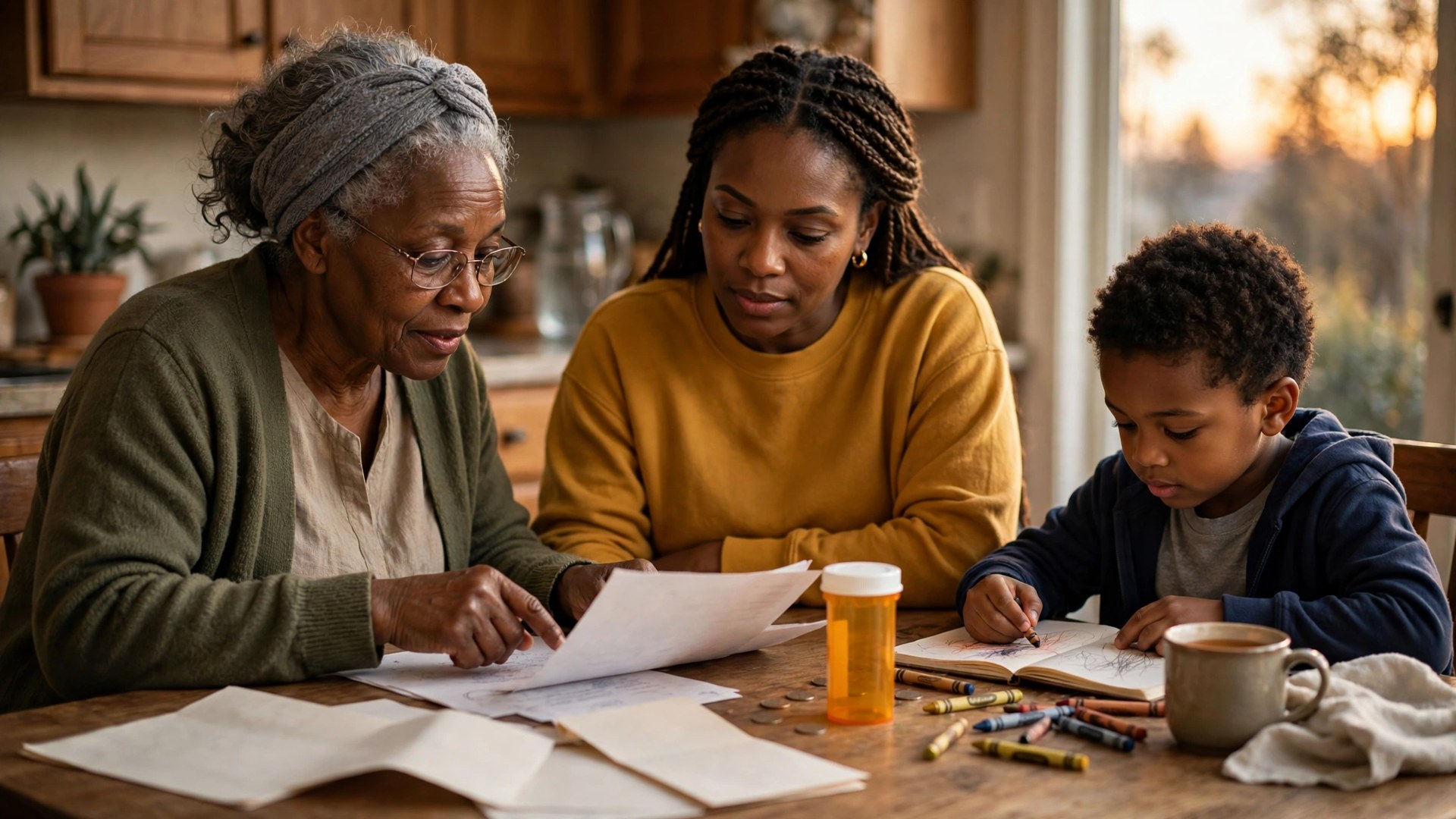
Voting Rights, Safety And Equal Opportunity
Fifth, protect voting rights and defend democracy.
The agenda calls for passage of the John R. Lewis Voting Rights Advancement Act.
It also calls for the Freedom to Vote Act.
Ballot access must be protected, and bills that threaten it must be rejected.
That fight shaped the midterms, as our coverage of Black Southern voters made clear.
Sixth, reduce gun violence and keep communities safe.
That priority advances gun safety legislation and police accountability.
It also protects survivors of domestic violence.
Seventh, combat racism and protect equal opportunity.
The agenda defends civil rights and lawful diversity, equity and inclusion work.
It centers the protection of Black women and girls.
The broader agenda goes further still.
It calls for repealing the One Big Beautiful Bill Act.
It calls for reversing cuts to federal programs and protecting federal workers.
On immigration, it urges no additional funding for Immigration and Customs Enforcement.
It would redirect the 75 billion dollars set aside for that agency through 2029.
That money, organizers argue, should address the affordability crisis instead.
What Accountability Looks Like From Here
The coalition behind this agenda has worked in Black civic life for 50 years.
It is a nonpartisan nonprofit with a national network of grassroots partners.
Its leaders say the organizing does not end on Election Day.
The first 100 days of the 120th Congress will test that claim.
Every priority on this list touches a kitchen table in a Black household.
Food benefits, rent, medicine, wages and the ballot itself are all on it.
Black women have set the standard in writing.
Now the incoming Congress has to meet it, vote by vote.
Follow the full debate in our Big Back Politics coverage.