5 min read
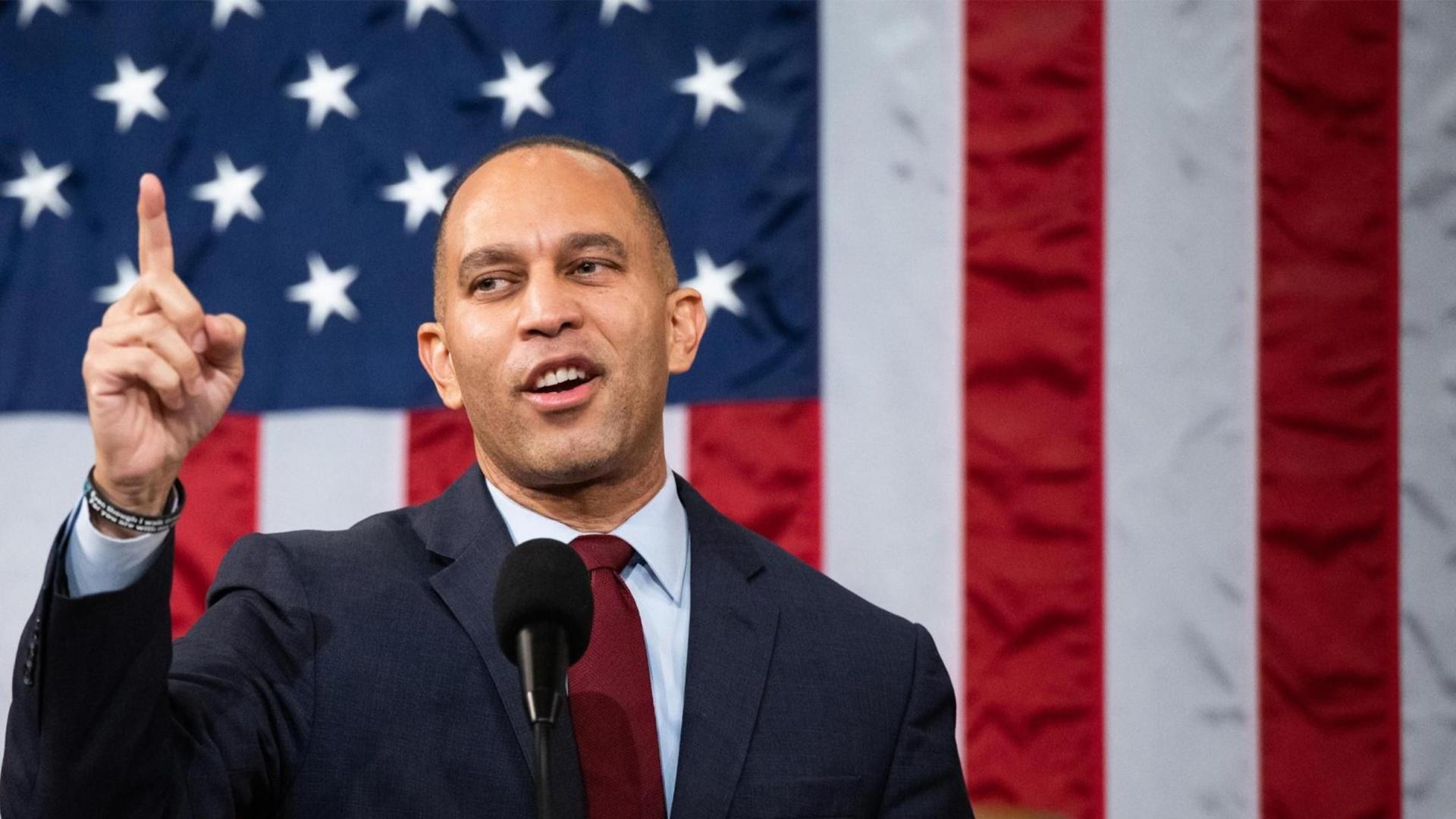
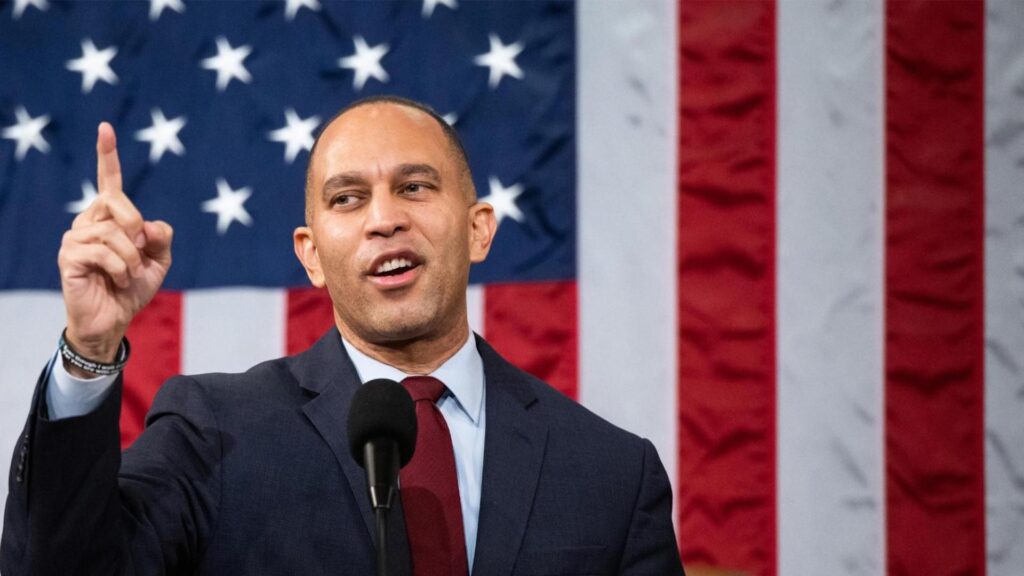
House Democrats made it official on Wednesday morning. Meeting behind closed doors at the Capitol, the caucus voted 251 to 11 to elect Hakeem Jeffries as its leader for the next Congress and its choice for Speaker of the House. The Brooklyn lawmaker now stands one floor vote away from becoming the first Black Speaker in American history.
The result was never in doubt. Jeffries ran without opposition, and the secret ballot drew 262 votes in all, with two Democrats not voting. What gives the morning its weight is not suspense. It is the count itself, and what that count sets in motion for January.
Major Takeaways
- House Democrats voted 251 to 11 on Wednesday to elect Hakeem Jeffries as their leader and their choice for Speaker of the House.
- Jeffries would become the first Black Speaker in American history and would stand second in line to the presidency.
- The full House votes on January 3, and Jeffries needs 218 votes to take the gavel.
- His promised first 100 days agenda centers on affordability and accountability.
A Vote He Asked to Be Counted
Jeffries did not have to win a counted vote. He could have been nominated by acclamation, with no ballots cast and no tally taken, an arrangement that would have kept every doubter in his caucus off the record.
He changed course on Tuesday, telling reporters he wanted to follow the approach Democrats took in 2018, the last time the party won back the House. That year, Nancy Pelosi won her caucus nomination by a count of 203 to 32.
So the caucus answered a simple question on Wednesday, yes or no, on whether Jeffries should lead the conference. The 11 members who answered no are now part of the record. So are the 251 who answered yes, a margin far wider than the one Pelosi carried into the speakership.
The Road From Brooklyn to the Gavel
Jeffries has represented Brooklyn in Congress since 2013 and has led House Democrats since 2023, when he succeeded Pelosi and became the first Black lawmaker to lead a party in Congress.
This fall he led the caucus through a midterm campaign that is projected to deliver at least 257 seats and possibly close to 260, a majority expected to be the largest either party has held this century.
UCP has followed his climb all week, including the fight on his road to the first Black Speaker and the questions voices inside his own party raised about what his speakership should stand for. That argument now moves from the campaign trail to the floor of the House.

For Black voters who delivered so much of the Democratic margin this fall, the meaning is plain. The speakership is the most powerful post in the House, and in more than two centuries no Black American has ever held it.


What the Gavel Carries
The Speaker decides which bills reach the floor, which die in the dark, and how the chamber spends its days. The post also sits second in the line of succession to the presidency, behind only the vice president.
Jeffries would take that gavel as Troy Carter prepares to lead the largest Congressional Black Caucus in history. Black political power in the House is reaching a size and a seniority it has never held at the same time.

The First 100 Days
Jeffries says a Democratic House will spend its first 100 days delivering on the promises that won the majority, with affordability and accountability at the center of the agenda.
In the final days before the vote, he announced his support for a higher federal minimum wage, a ban on stock trading by members of Congress, and an expanded Medicare program. The pledges spoke to the restless wings of his own caucus as much as to the country, and they helped turn a coronation into a counted mandate.
Whether those bills can survive the Senate and a president of the other party is a fight for the new year. The first fight is simpler, and it happens on the House floor.
January 3 Decides It
The Wednesday vote made Jeffries the nominee. The speakership itself is decided by the full House on January 3, the day the 120th Congress convenes and every member is sworn in.
Jeffries needs 218 votes. Even at the low end of the projections, with 257 Democratic seats, he could lose nearly 40 members of his own party and still take the gavel. Republicans are expected to put forward Jim Jordan of Ohio.
If the count holds on January 3, the gavel changes hands in the first hours of the new Congress, and a barrier that has stood since the House first met in 1789 comes down.