7 min read
Major Takeaways
- Shannon Long, a Black pastor and former deputy, defeated Sheriff Terry Johnson by 3,181 votes and becomes the first Black sheriff in Alamance County history.
- Johnson held the office for 24 years while facing a federal discrimination investigation, racial profiling accusations and deep community distrust.
- Long pledges to keep deputies out of the federal 287(g) immigration program, rebuild trust and put accountability at the center of the office.
- The upset was part of a wider North Carolina pattern, as voters in Person County also elected a Black sheriff after being told it could never happen.
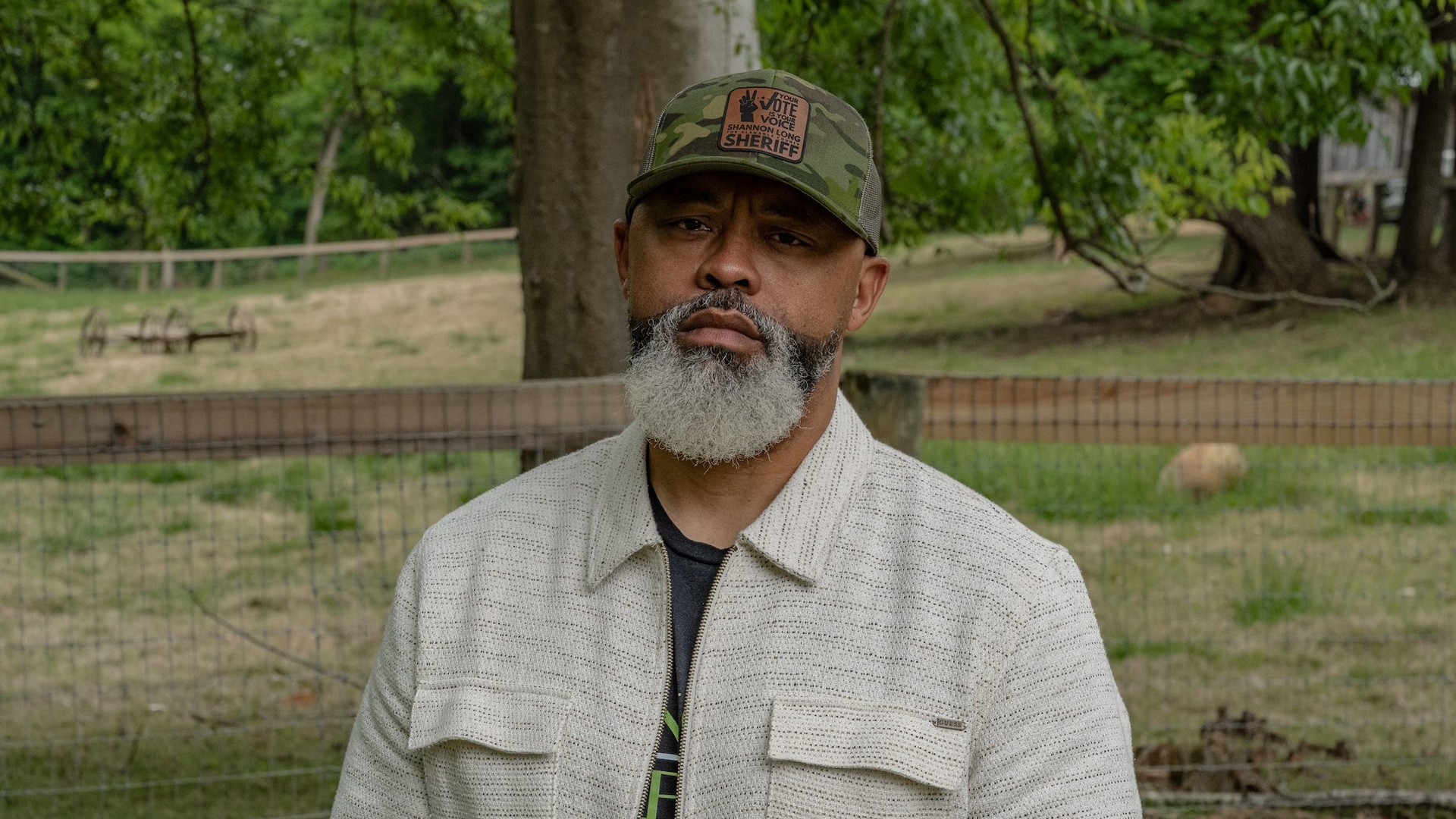
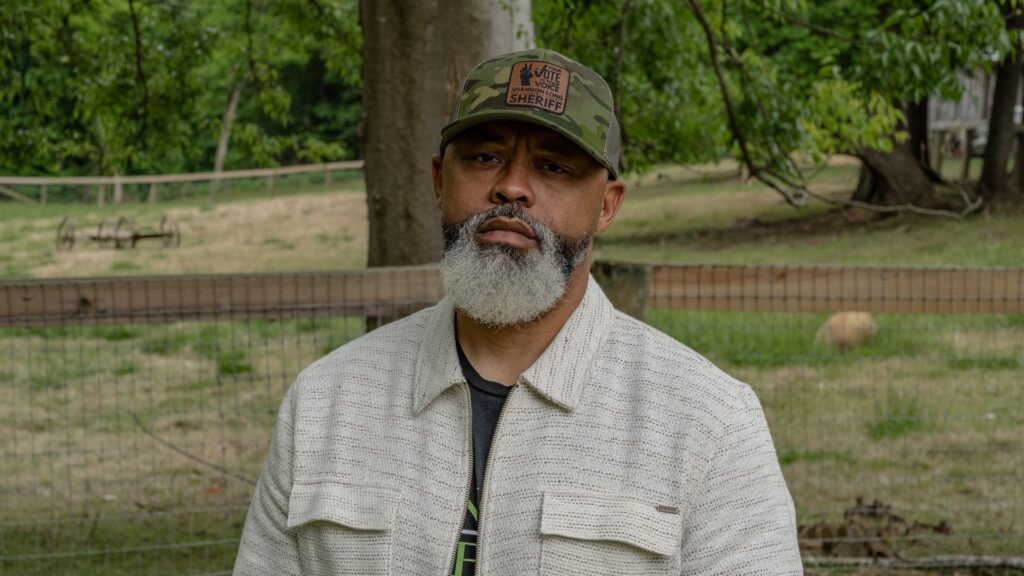
Alamance County has chosen its first Black sheriff, and the choice carries the weight of a long and painful local history.
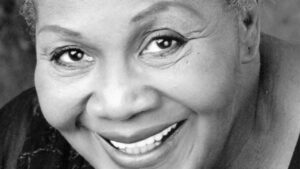
Shannon Long, a 46 year old pastor and former school resource officer, defeated Sheriff Terry Johnson on November 3.
Unofficial results gave Long 34,633 votes, or 52.4 percent, against 31,452 votes for Johnson.
The margin was 3,181 votes across all 39 precincts in a county long counted as reliable Republican ground.
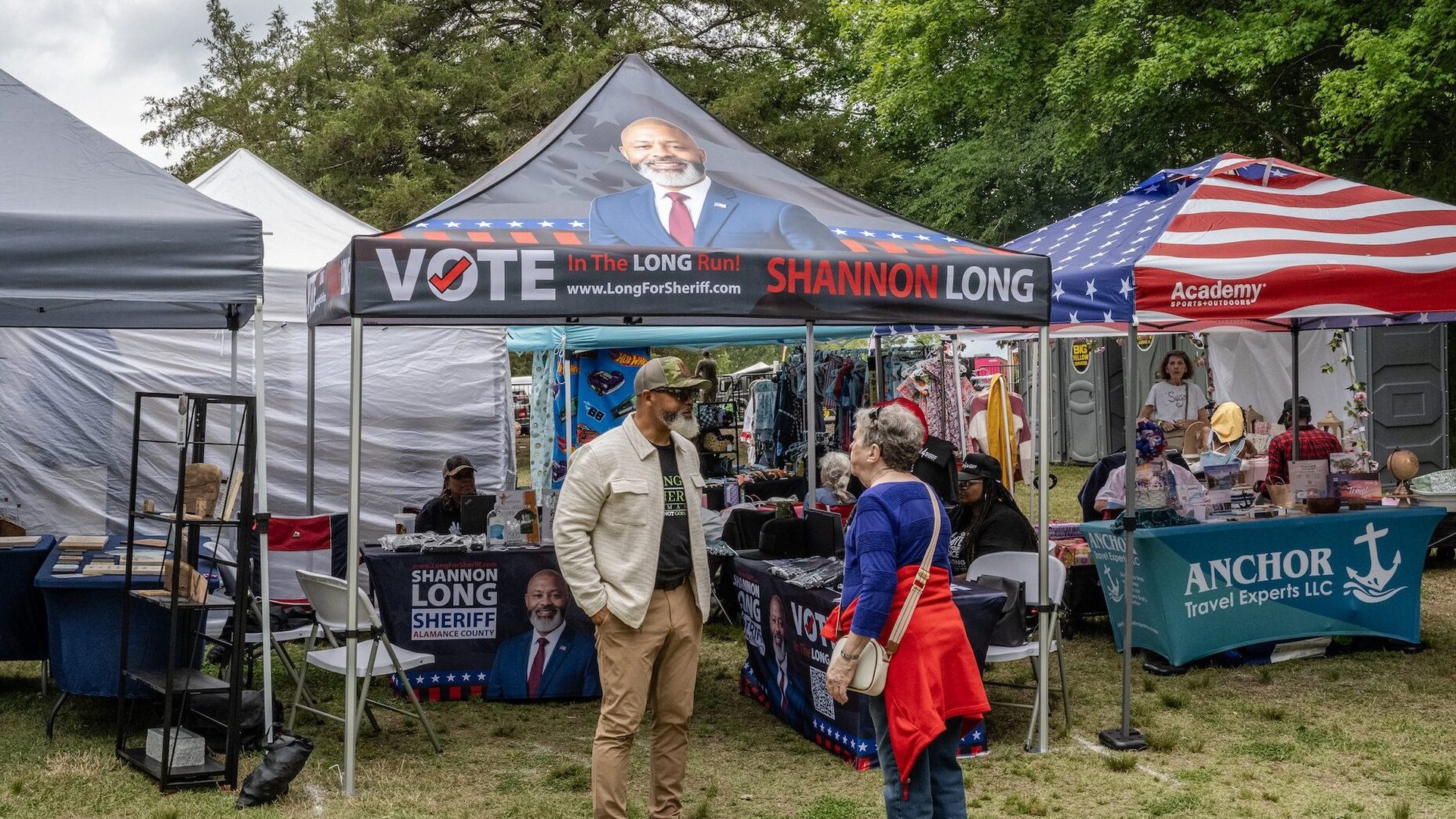
Long ran as an unaffiliated candidate, a route that first required him to gather thousands of petition signatures just to appear on the ballot.
He takes office on December 7, and he inherits an office shaped by one man for nearly a quarter of a century.
A Black Sheriff Ends a 24 Year Era in Alamance
Johnson, a Republican and a former State Bureau of Investigation agent, had served as sheriff since 2002.
Across six terms he built a reputation on hardline immigration enforcement and promises to root out drug cartels.
Many Black and Latino residents knew a different record, and some had a blunt name for the county under his watch.
Detractors called it No Chance Alamance, a place where the local power structure felt stacked against people of color.
The county changed around him even as he kept winning elections.
Latino residents grew from roughly 7 percent of the population when Johnson took office to about 16 percent today.
The county now holds about 190,000 people, stretching from farmland into fast growing suburbs between Durham and Greensboro.
The Federal Record Behind the Vote
In 2012 the United States Department of Justice accused Johnson of fostering a culture of discrimination against Latinos.
Federal investigators said Latino drivers were stopped at rates four to ten times higher than other drivers.
Investigators also accused the office of placing checkpoints in Latino neighborhoods and of using racist epithets against residents.
Johnson denied the accusations then, and he has denied racial profiling throughout his tenure.
A federal court later dismissed the lawsuit, finding the government had not proven a pattern of discrimination.
Johnson then settled the appeal by adopting a bias free policing policy and agreeing to monitoring of traffic stops.
The legal ending never settled the community argument, and the distrust followed him to this election.
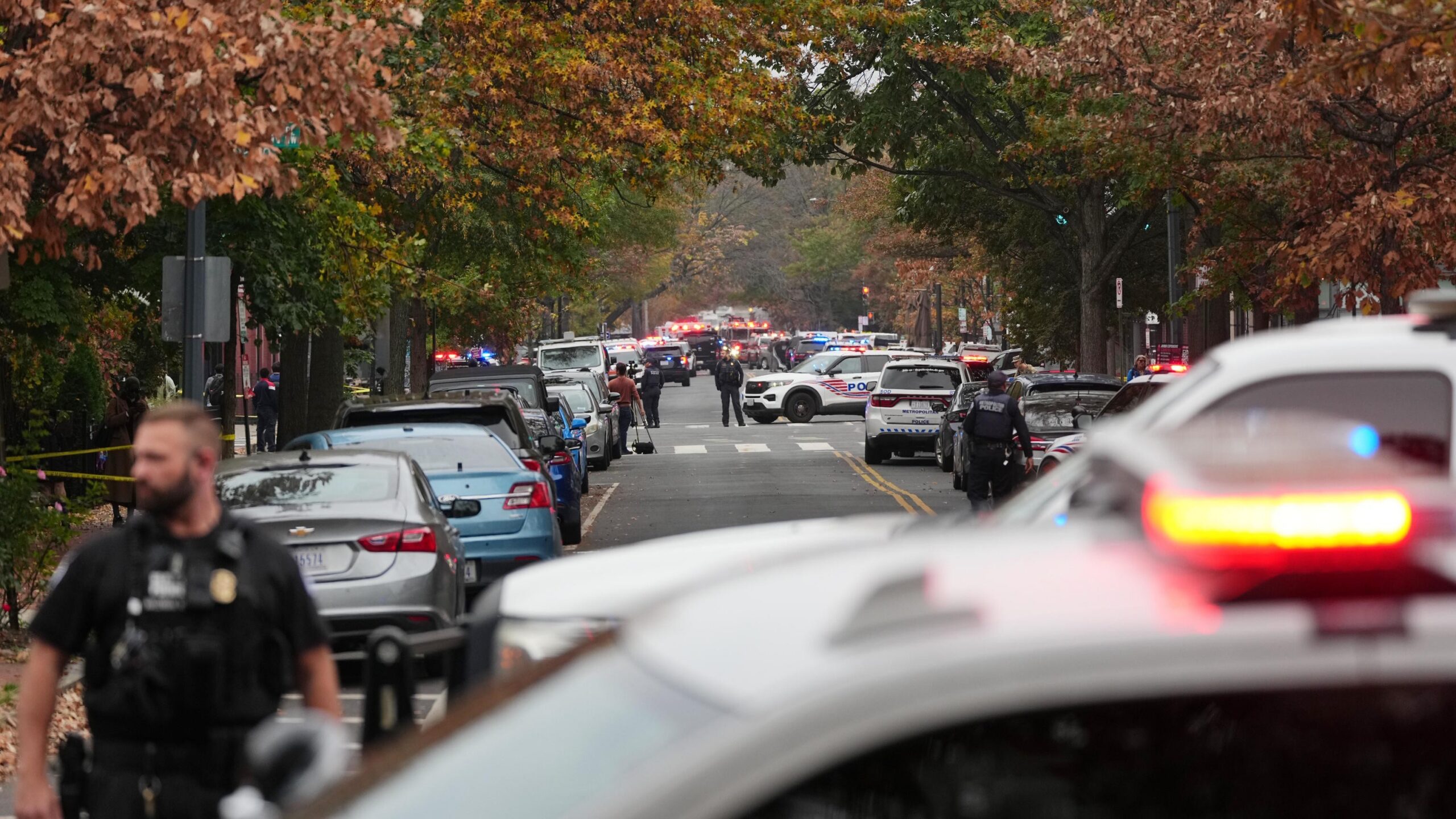
In 2020 his deputies pepper sprayed racial justice demonstrators in Graham, including children, near the county Confederate monument.
A lawsuit over that day ended in a settlement of 336,000 dollars.
Immigration Enforcement Sat at the Center
Johnson was an early participant in the federal 287(g) program, joining in 2007.
The program empowered his deputies to question people about immigration status during patrols.
His office also leased jail space to federal immigration authorities to hold detainees.
The Obama administration removed the office from the program in 2012, and Johnson brought the county back in 2020.
He ended the detention agreement last year, pointing to an overcrowded jail and a new state law that tightened pretrial detention.
The county still appears in the federal database of active 287(g) contracts, even though Johnson said his deputies no longer actively take part.
Long made his position plain during the campaign and repeated it after his win.
“I don’t see fit to have my officers serve on that side of the law,” Long said of the program.
He pledged not to hold people for federal immigration agents beyond what state law mandates.
A Campaign Built on Presence
Long spent 23 years with the Orange County Sheriff’s Office and still serves as a reserve deputy.
He pastors Beyond Measure Ministries in Haw River and helped build a barber school that trains local students.
Supporters describe a candidate who seemed to be everywhere at once, registering voters and collecting signatures across the county.
Burlington City Council member Dejuana Bigelow helped gather the 5,000 signatures Long needed to reach the ballot.
She said his decision to run without a party label quieted voters who refused to back a Democrat.
Long said some Latino residents spoke with him through the crack of a door, afraid of any contact with law enforcement.
“Lost trust is hard to gain back with anybody, so it’s been tough,” he said during the campaign.
His platform answers that fear with visibility, promising deputies who get out of the car and meet residents face to face.
He also promises more training on racial profiling, deescalation and mental health response.
What Long Called a Stop the Bleeding Moment
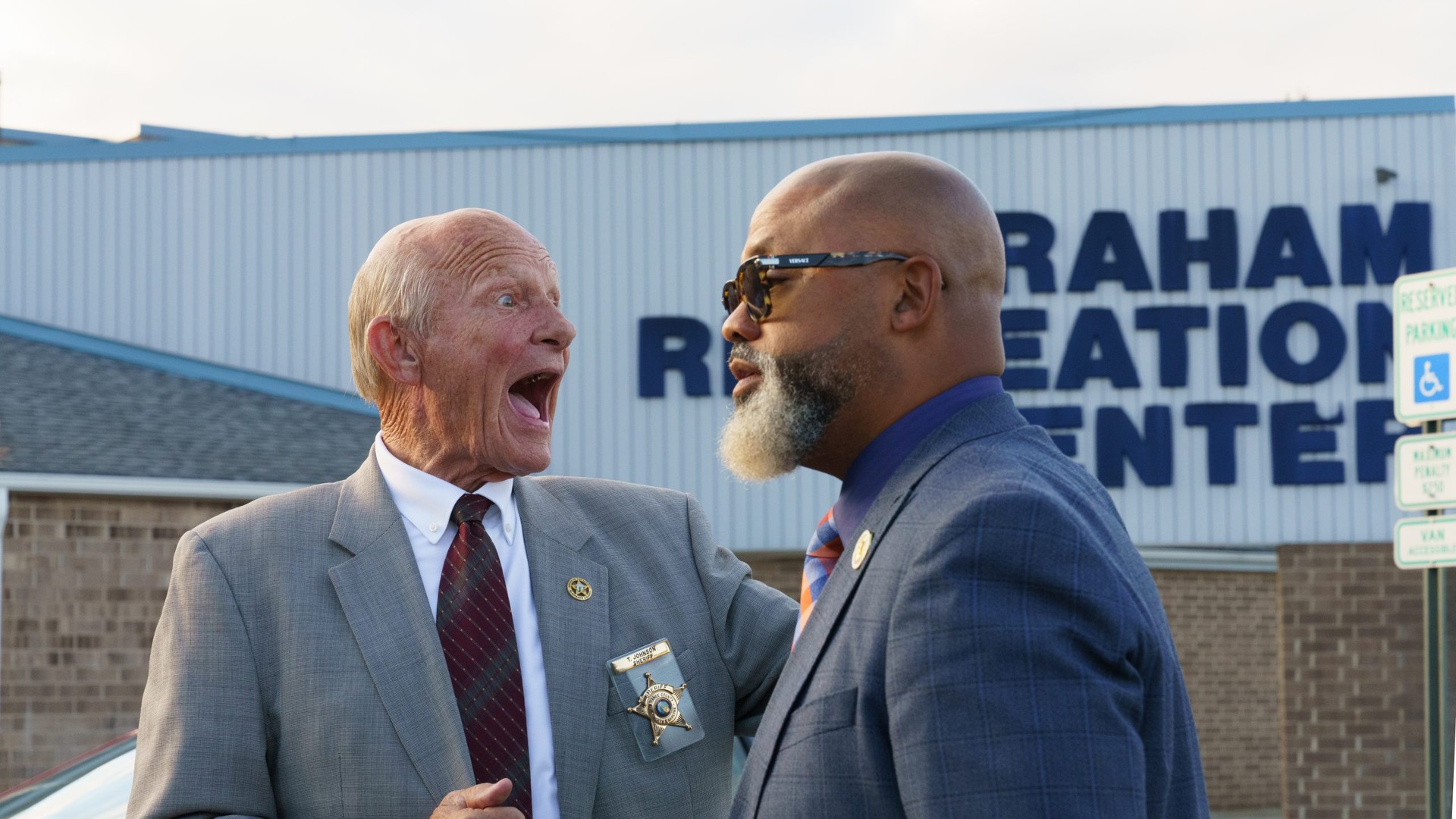
Two days after the election, Long framed his win in plain terms.
“It’s an opportunity to create change, to increase, to expand, to advance the public safety here in the county,” he said.
He called the result a chance to stop the bleeding in a county where fear of the sheriff’s office had become routine.
Long also said the sheriff does not have to be the face of public safety, but he does need a seat at the table.
“I do not have to be the spokesman,” he said. “That’s a part of giving everybody their voice back.”
Johnson congratulated Long and said he respected the results, while blaming his loss on a national blue wave.
The same wave flipped the county board of commissioners and the district attorney’s office to Democratic control.
The Hard Work Starts at the Jailhouse Door
Advocates warn that one election cannot undo fear built across 24 years.
Maria Mejia, an Elon University professor who works with the immigrant rights group Siembra NC, questioned whether a new sheriff alone can repair such deep distrust.
She also said the result gives residents a sense that their voices can in fact enact change.
The county detention center is overcrowded, and its population surged under the new state pretrial detention law.
Kristen Powers of Benevolence Farm said people leave that jail reporting missed diabetes and seizure medication during medical crises.
She sees room for Long to use discretion with more care, especially for people in mental health crisis.
Burlington leader Ian Baltutis warned that the internal power structure Johnson built over two decades could resist the new sheriff.
Baltutis also said Long understands that challenge more clearly than anyone who has run for the office.
Alamance Was Not Alone on Election Night
In neighboring Person County, retired lieutenant Dennis Allen won his sheriff’s race by almost 1,500 votes.
Allen recalled administrators telling him again and again that there would never be a Black sheriff in Person County.
He now joins a growing line of Black sheriffs across the North Carolina Piedmont, in Caswell, Vance and Granville counties.
Voters in Frederick County, Maryland also removed a longtime sheriff known for close cooperation with federal immigration enforcement.
Political scientist Chris Cooper noted that unaffiliated candidates rarely reach the ballot, and when they do, they rarely win.
Sheriff, he said, may be the one office where a highly partisan version of justice turns voters off.
For Black communities watching from far beyond North Carolina, the lesson of Alamance travels well.
Offices that once looked untouchable can change when organizing is patient, local and built person by person.
The national picture carries the same tension, as Black representation in Congress slips even in a strong Democratic year and Black leaders take new gavels.
Long now has to turn a historic win into daily proof, in traffic stops, jail care and every knock on a frightened resident’s door.
Read more Urban City Podcast coverage of this season of Black political power: Black House seats slip to 60 as new maps cut into gains, Troy Carter set to lead the largest Black caucus in history and Jersey City picks its first Black police chief in decades. Stay with Urban City Podcast for continuing coverage.