8 min read
Major Takeaways
- Black women made up 20 percent of the Mississippi electorate, compared with 5 percent nationally, and Scott Colom won 99 percent of their votes.
- Organizers turned group chats, beauty salons, and living rooms into a turnout machine that registered voters and saved affidavit ballots.
- The same force lifted Keisha Lance Bottoms in Georgia, held a redrawn Alabama district, and pushed a Louisiana Senate race to within 2 points.
- Strategists now say the road to 2028 runs through Black women in the South, and the Louisiana runoffs next month are the next test.
Black women did the heavy work, and this time the whole country can see the receipts.
New voter polling shows Black women made up 20 percent of the Mississippi electorate this year.
That share is four times the 5 percent they made up nationally.
Scott Colom won 99 percent of their votes in his Senate race.
When a commenter asked online about the other 1 percent, Colom joked that it was a statistical error.
That one number explains how Mississippi elected its first Black senator since Reconstruction.
It also explains a string of historic wins across the South this fall.
Black Women Built the Turnout Machine in Mississippi
Jacqueline Amos watched provisional ballots get counted in Hinds County on Wednesday.
She wished her father were alive to see the moment.
Years ago, she was on the phone with him while driving Mississippi backroads to register voters.
On one of those drives, she passed a Ku Klux Klan rally.
This year, Amos was part of a network of Black women across the state.
The network turned group chats into action on the ground.
Women hosted turnout events in their homes, their beauty salons, and their personal businesses.
Others went county by county with a clipboard, registering voters one conversation at a time.
“You get at the table, you get in the room, and everyone did, all of the women. They did the heavy work,” Amos said.
“But you know, we have always done the heavy work.”
Cassandra Welchlin leads the Mississippi Black Women Roundtable.
She said the group registered about 600 new voters this year.
The work ran through its Power of the Sister Vote campaign.
After Election Day, the group held a massive tele townhall for voters.
The call coached voters on how to fix problems with provisional ballots.
“This moment really speaks to the courage, the actions, the fortitude and the determination of Black women,” Welchlin said.
One Saved Ballot Shows How the System Was Beaten
Patricia Smith of Jackson is a longtime Democrat and a regular voter.
When she arrived on Election Day, workers told her she was not listed in the poll book.
She had to cast an affidavit ballot instead.
The system listed her at an address she had not lived at since 1991.
Smith was one of thousands of Mississippi voters pushed into provisional ballots this year.
Many were missing from precinct poll books or lacked accepted photo identification.
Her vote was saved by another Black woman.
An observer watching officials sort affidavit ballots recognized her name and called her.
“What it does for me is renews my faith,” Smith said.
“God has not forgotten us.”
Read how the race itself was called in our report on Scott Colom and his projected win in Mississippi.
Colom Said It Plainly at Tougaloo
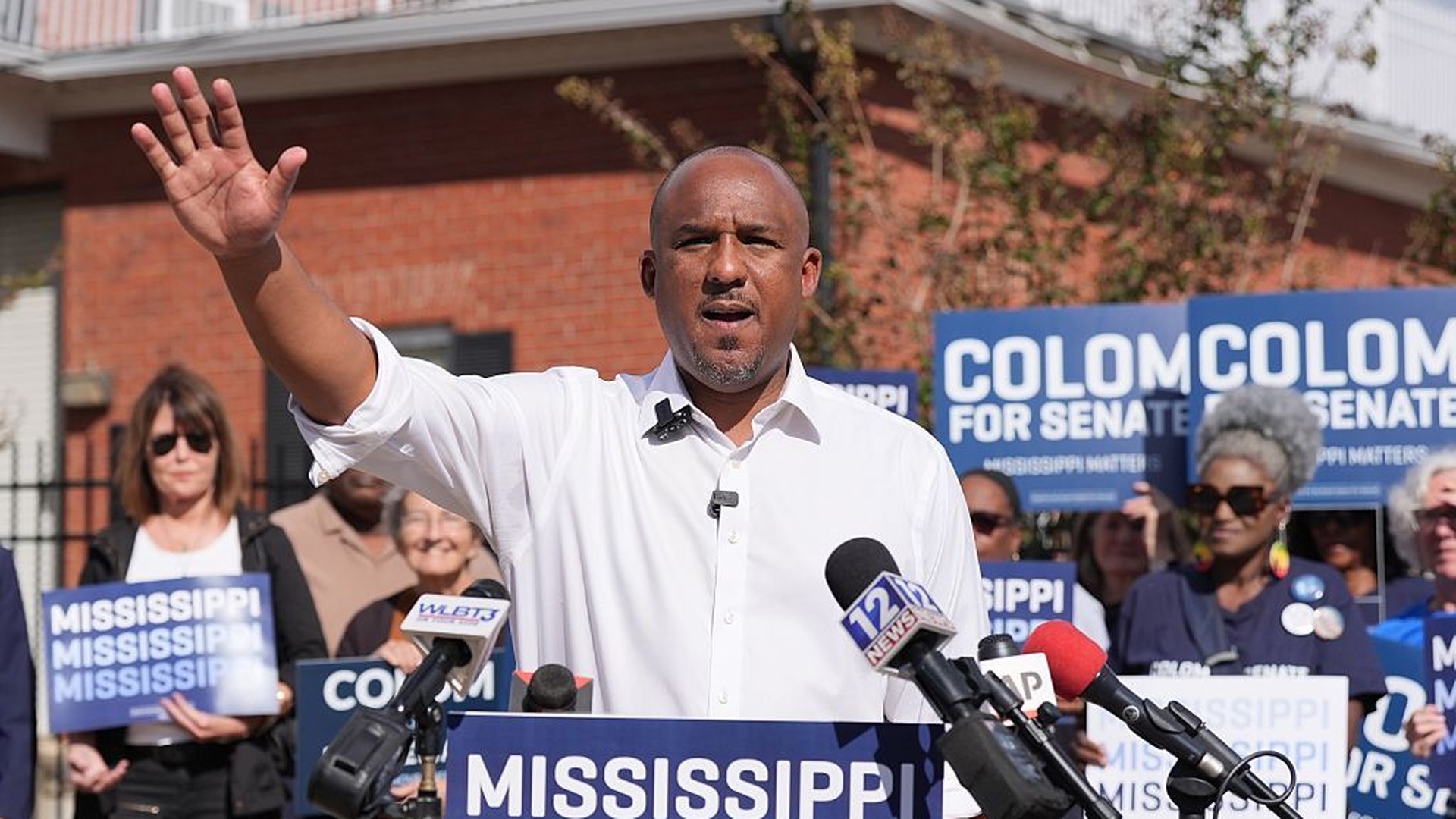
Colom delivered his victory speech Wednesday night at Tougaloo College.
The historically Black campus in Mississippi was the right stage for the moment.
He honored Fannie Lou Hamer, the civil rights icon from Mississippi.
He credited the women in his life and the women he met on the campaign trail.
“As my mom would always tell me, faith without works is dead, and we worked this election, yall,” he said.
The Tougaloo choir sang Lift Every Voice and Sing to open the night.
When a Sam Cooke classic played, the crowd joined in.
Jackson businesswoman Toni Cooley said she had waited a lifetime for a night like this.
“I have seen some strange things happen in my lifetime, and thankfully this is one of them,” Cooley said.
“I probably did not think that I would see it.”
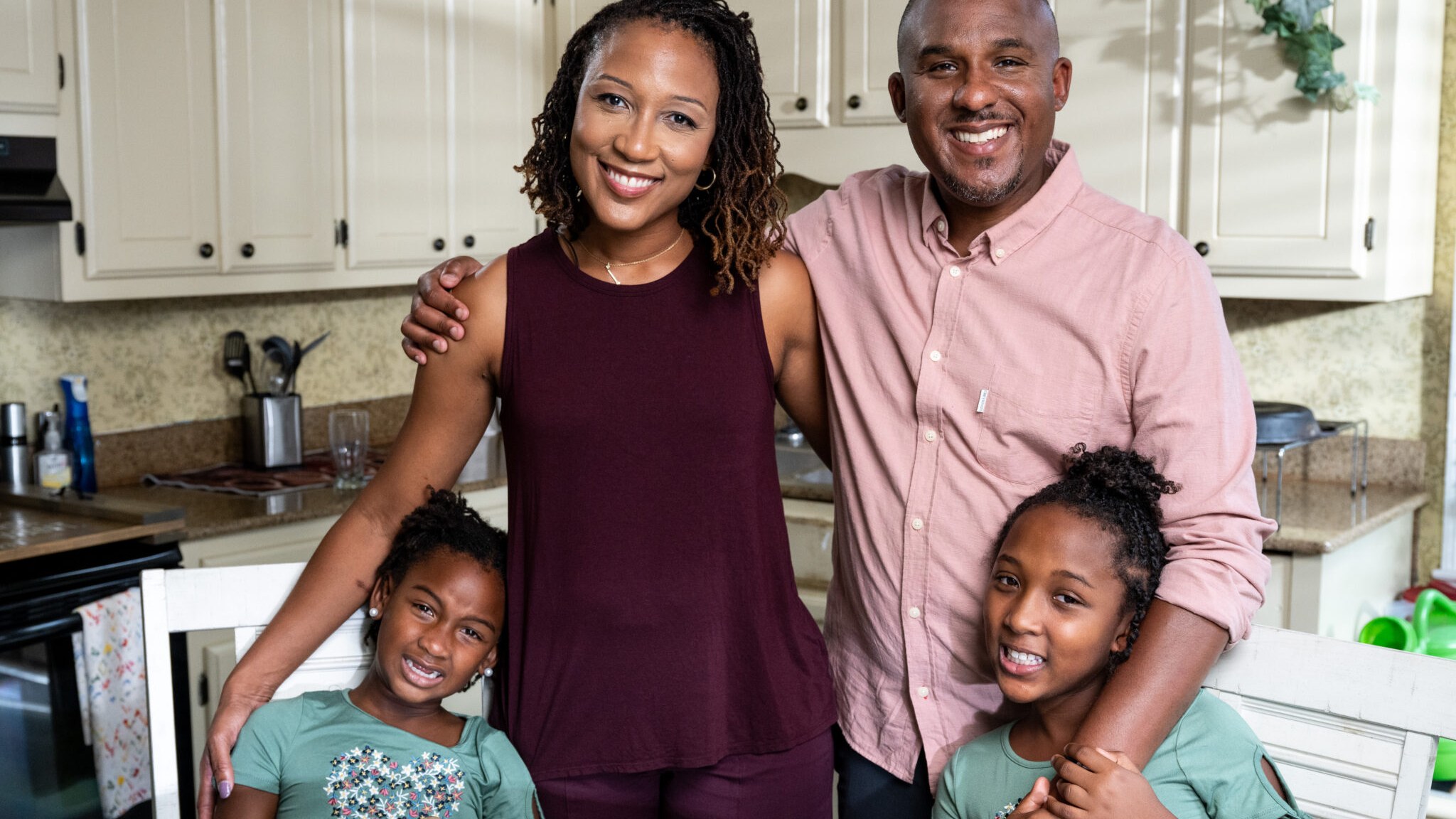
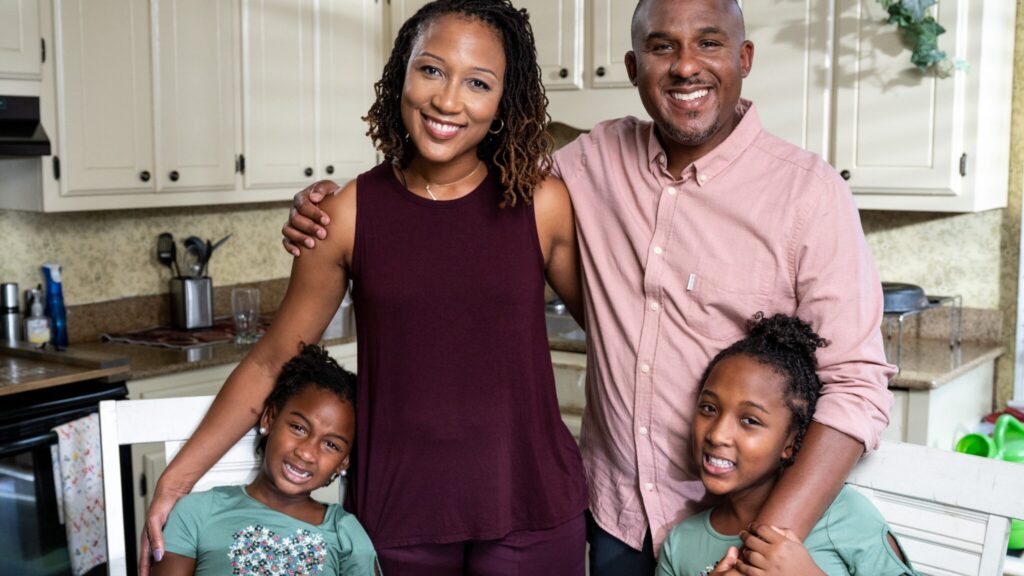
His wife Nadia helped shape the strategy for young voters and Black women.
From the stage, she reminded their daughters of the family motto.
Colom girls never quit.
National Urban League leader Marc Morial called the win one of the most significant political victories in American history.
NAACP President Derrick Johnson said Mississippi voters made history because they refused to be intimidated, discouraged, or counted out.
Senator Cindy Hyde Smith congratulated Colom in a video on Wednesday evening.
“While this was not the outcome we worked for or hoped for, I respect the decision of Mississippi voters,” she said.
The win was the eighth Senate seat Democrats flipped this year.
It gives the party at least 55 seats in the Senate heading into 2027, with Alaska still counting.
The Same Force Moved Georgia, Alabama, and Louisiana
Mississippi was the headline, but the pattern repeated across the region.
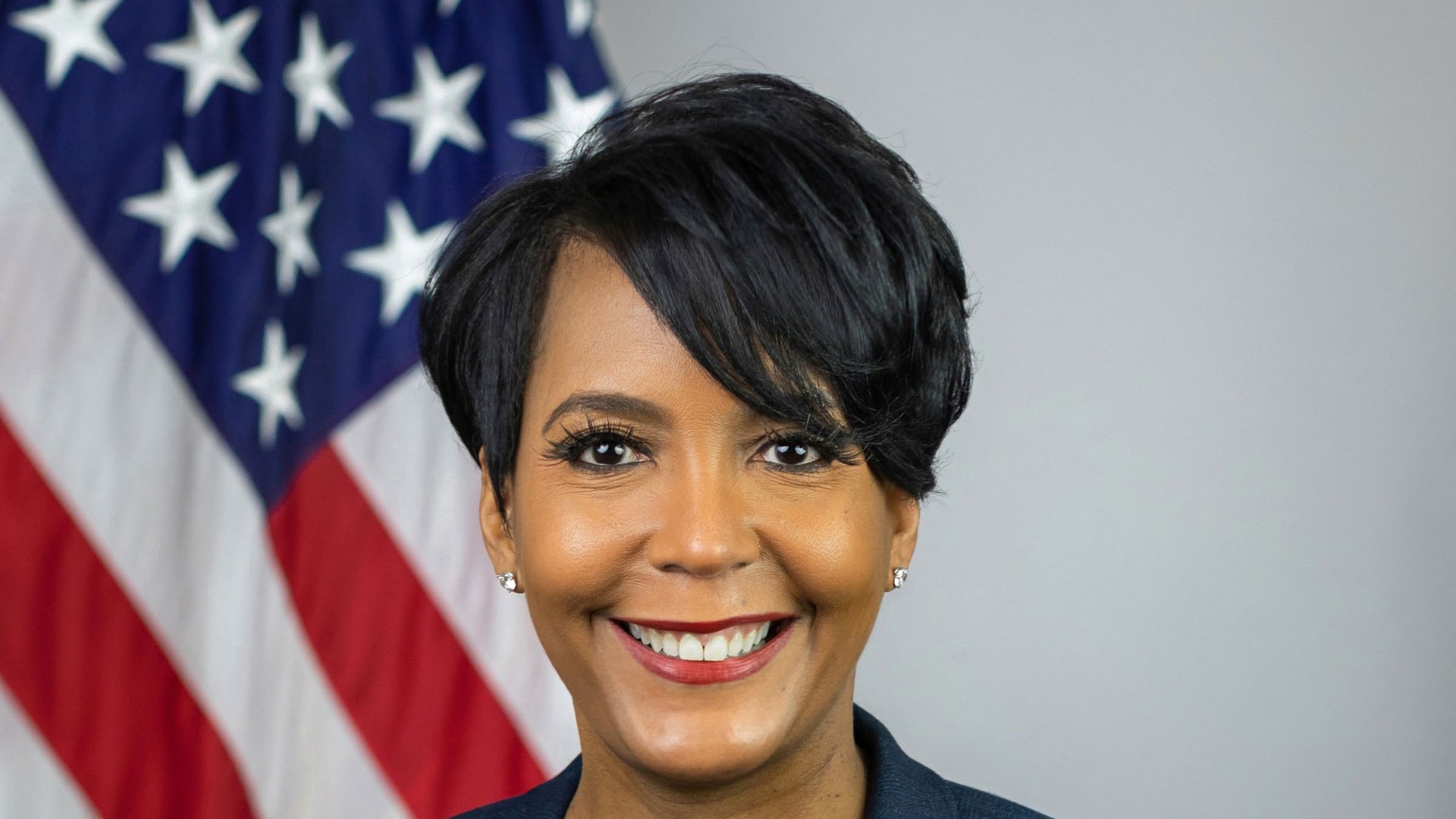
Black women powered Keisha Lance Bottoms to a historic win in Georgia.
Bottoms will be the first Black woman to serve as governor of Georgia and of any state in the nation.
A slate of Black women will also hold key state offices in Georgia.
In Alabama, Representative Shomari Figures won reelection in a redrawn district.
The new map dropped the Black voting age population in his district from 47 percent to 40 percent.
The district would have backed President Donald Trump by 14 points in 2024.
Figures still won by nearly eight points on Election Day.
Alabama voting rights activist Anneshia Hardy said voters understood the stakes.
“They were not just voting for a party, they were voting for survival,” Hardy said.
In Louisiana, Black women helped Jamie Davis finish within 2 points of a Senate win.
Davis, the grandson of a sharecropper, nearly became the first Black senator in Louisiana history.
He is now weighing a run against Governor Jeff Landry, who faces voters in November 2027.
Two Black women Democrats in Louisiana face runoffs next month for House seats.
State Representative Pat Moore and former council member Chauna Banks both have paths to win.
Louisiana organizer Ashley Shelton said Black voters absolutely can decide those runoffs.
Anger Over Redrawn Maps Fueled the Fight Back
Strategists have a name for what happened this fall.
They call it a backlash built on pain at the checkout line and attacks on Black political power.
The Supreme Court weakened what remained of the Voting Rights Act in the Louisiana v. Callais decision.
Within days, lawmakers in Tennessee, Louisiana, and Alabama raced to carve up districts with large Black populations.
Pollster Terrance Woodbury said Black voters felt beaten up and attacked.
“Their rights were threatened and they decided that they were ready to fight back,” Woodbury said.
Dyamone White saw the shift coming back in 2023.
She helped organize Black women for Brandon Presley and his close race for governor that year.
Presley lost by three points, but the organizing taught a lasting lesson.
“We learned then how to make Black women connect to policy,” White said.
Her message now for everyone who wrote Mississippi off is simple.
“Wake up and smell the coffee.”
Our earlier reporting traced this wider surge in Black voters turning the South into the 2028 battleground.
What Black Women Expect Next
LaTosha Brown of Black Voters Matter put the lesson in one line.
“Mississippi is not a fluke. The new political battleground for America is the South,” Brown said.
“There is no path to the presidency that does not come to the South.”
South Carolina will test that claim first in 2028.
The state leads off the Democratic presidential primary calendar.
Black residents make up about one quarter of its population.
Christale Spain is the first Black woman to lead the South Carolina Democratic Party.
She said any hopeful who wants the nomination must understand the priorities of Black voters.
“Black voices must continue to be part of the conversation here and throughout the South if we want to see this level of success again,” Spain said.
For Black communities, the demand is not complicated.
Invest in the South all year, not just in the final weeks.
Deliver on costs, wages, health care, and hospitals.
And never again treat the voters who did the heavy work as an afterthought.
Stay with Urban City Podcast for the Louisiana runoffs and the road to 2028.