7 min read
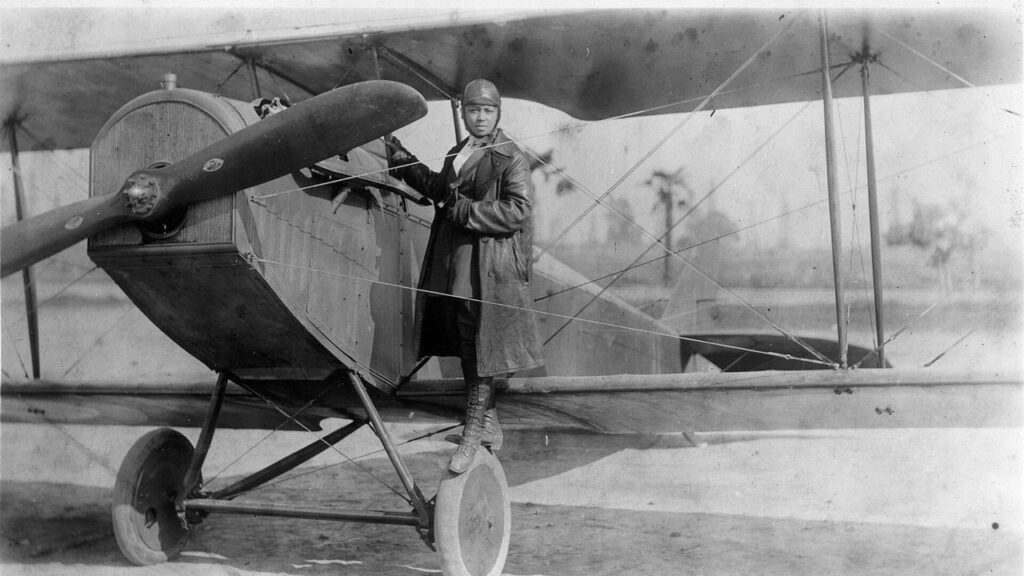
Bessie Coleman was told no by an entire country. She answered by leaving it, learning to fly abroad, and coming home a star.
In 1921 she became the first African American woman to earn a pilot license. No flight school in America would teach a Black woman, so France did.
A century later, her name still lifts young Black aviators. Her story shows what happens when talent refuses to wait for permission.
Major Takeaways
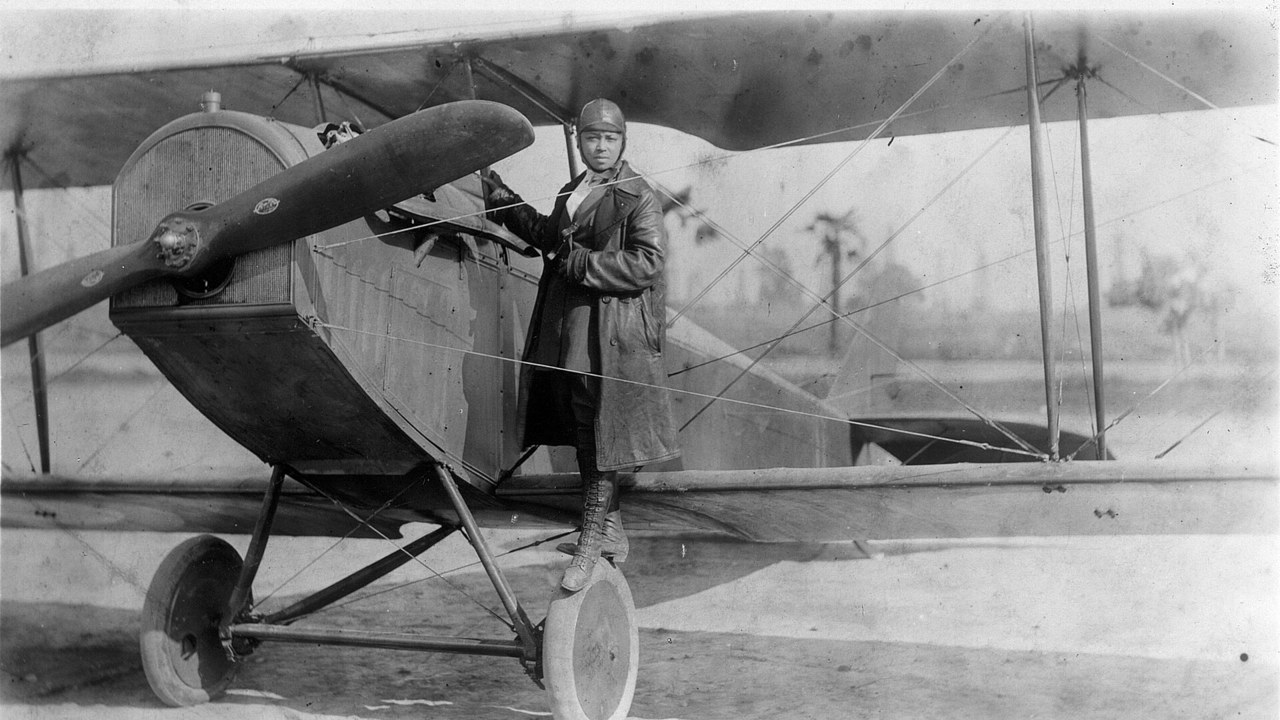
- Bessie Coleman earned her international pilot license in France on June 15, 1921, after American schools shut their doors to her.
- Born in Atlanta, Texas in 1892 to a sharecropper family, she built a new life in Chicago before chasing flight.
- As Queen Bess she barnstormed the nation, performing loops and figure eights while demanding fair treatment for Black fans.
- She died in 1926 still working toward a flight school for Black pilots, and clubs, stamps and a quarter now carry her legacy.
Born in Texas With Few Open Doors
Bessie Coleman was born on January 26, 1892 in Atlanta, Texas. She was one of 13 children in a sharecropper family.
Her father George had Native American grandparents, and her mother Susan was African American. Money was scarce and schooling came in pieces.
Coleman grew up around Waxahachie, picking cotton and studying when work allowed. She finished eighth grade and kept reaching for more.
She spent one term at the Colored Agricultural and Normal University in Oklahoma. A lack of funds forced her to leave.
That early pattern shaped her whole life. Every door that closed in her face sent her searching for another way through.
Chicago Gave Bessie Coleman a Runway
In 1915 Coleman moved to Chicago and settled on the South Side. She trained as a manicurist and worked in barbershops.
There she met Robert Abbott, founder of a leading Black newspaper in the city. He became a mentor and later backed her dream.
Her brother John had served in the First World War overseas. He teased that women in France flew planes while Black women at home could not.
Coleman took the taunt as a challenge instead of an insult. She began asking flight schools to accept her as a student.
Every school she approached turned her away. Race and gender, together, were treated as grounds for refusal across the country.
France Said Yes When America Said No
Coleman saved her wages, studied French, and sailed for France in November 1920. Abbott encouraged the plan and helped support it.
She trained at a respected aviation school at Le Crotoy in northern France. For seven months she learned banking turns, loops and landings.
The training planes were fragile machines with no brakes. Coleman watched a fellow student die in an accident and still kept flying.
She later explained her resolve in plain terms. She felt it her duty to risk her life learning aviation and to encourage flying among her people.
On June 15, 1921, the international aviation federation based in Europe granted her license. She could now fly anywhere in the world.
That license made her the first African American woman pilot on record. She was also the first Native American woman to hold one.
Coleman returned to the United States in September 1921 as a celebrity. Reporters met her ship, and crowds soon followed her story.
Queen Bess Turned Stunt Flying Into a Mission
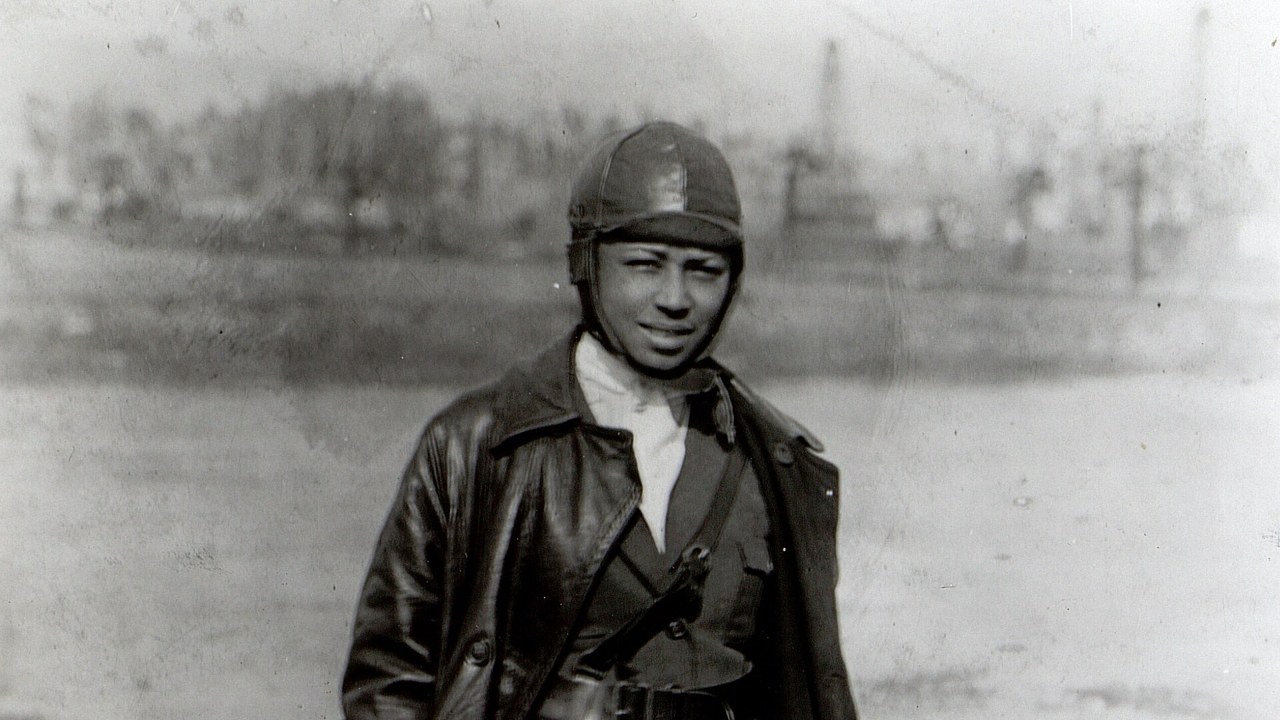
Commercial flight was still years away, so Coleman earned her living as a barnstormer. She traveled town to town performing daring aerial stunts.
Crowds watched her loop through the sky and carve figure eights above fairgrounds. They called her Queen Bess and Brave Bessie.
She added training in Europe in 1922 to sharpen her act. Then she staged flying shows in New York, Chicago and beyond.
On June 19, 1925 she starred in a Houston air show on Juneteenth. A native Texan, she flew as the headline act in the state where she was born.
Fame never softened her rules about respect. She refused to perform for audiences that shut out Black fans.
She also demanded that Black spectators enter through the same gates as everyone else. A star turn, in her hands, became a civil rights stand.
When a film role asked her to play a degrading stereotype, she walked away from the contract. She would not sell a false image of Black women.
A Flight School Was the Dream She Carried
Every show served a larger purpose for Coleman. She lectured in churches, schools and theaters, urging Black youth toward aviation.
Her goal was a flight school of her own for African Americans. She saved toward it through shows, lectures and a beauty shop in Orlando.
The work carried real physical cost. In February 1923 her plane stalled and crashed in California on the way to a show.
She broke a leg and three ribs and spent months recovering. From her hospital bed she promised supporters she would fly again, and she did.
By 1925 she was touring Texas again and drawing large crowds. She spoke of trading stunt work for teaching and building her school.
Read how Katherine Johnson later carried Black brilliance into the space age. Her calculations, like Coleman flights, opened a field that had tried to stay closed.
Her Final Flight and a Legacy That Kept Flying
In April 1926 Coleman bought a Curtiss Jenny biplane in Dallas. She traveled to Jacksonville, Florida for a May Day air show.
On April 30 she rode along on a practice flight piloted by William Wills, her mechanic. She left her seat belt unfastened to scout a parachute jump planned for the show.
About ten minutes into the flight, the plane went into a dive and flipped. A loose wrench had jammed the controls, investigators later found.
Coleman was thrown from the open plane and died at age 34. Wills also died when the aircraft crashed nearby.
Black America mourned her like a head of state. Thousands attended services in Jacksonville, and about ten thousand mourners honored her in Chicago.
Her school dream did not die with her. In 1929 William Powell founded the Bessie Coleman Aero Club in Los Angeles in her name.
That club trained Black pilots, and some of its circle later served with the famed Tuskegee Airmen. Her example had become an institution.
Why Bessie Coleman Still Matters Today
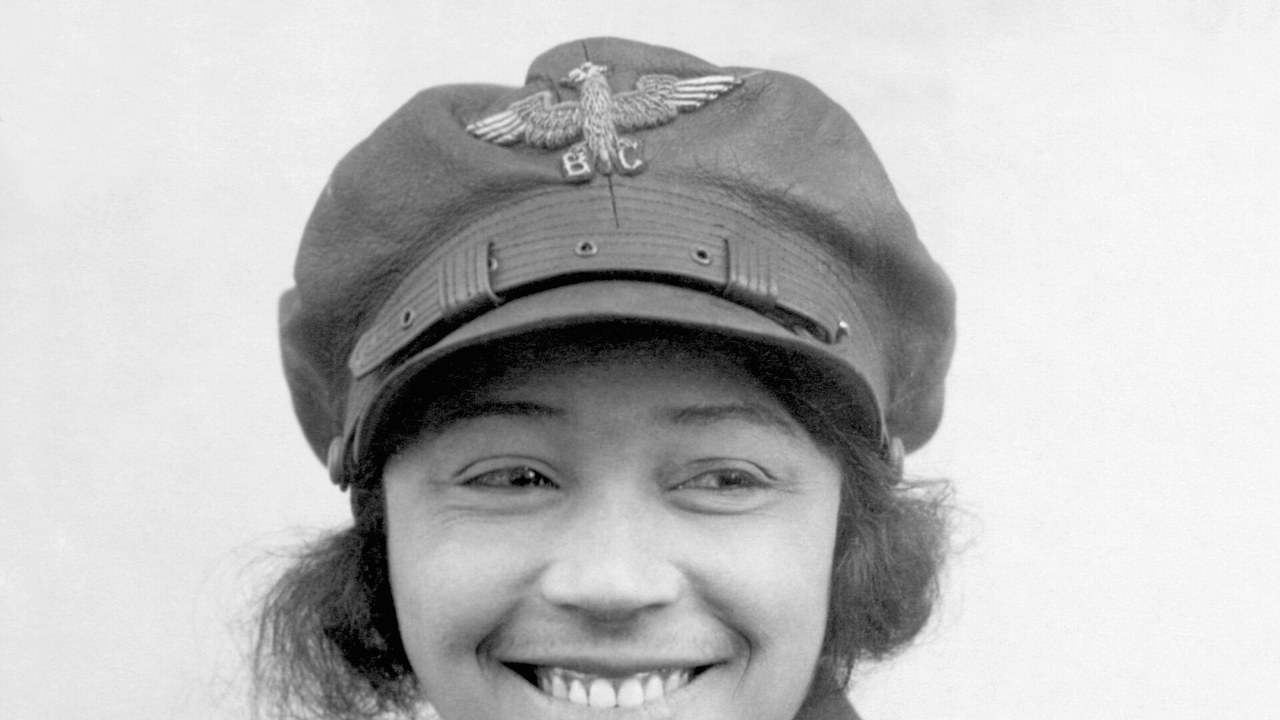
Coleman flew before the Tuskegee Airmen and long before Mae Jemison reached space. Jemison carried a photo of Coleman on her own historic flight.
The nation keeps finding new ways to say her name. A postage stamp honored her in 1995, and a United States quarter now bears her image.
Yet her deepest legacy lives in people, not metal or paper. Every Black pilot who climbs into a cockpit walks through a door she forced open.
Meet Septima Clark, who opened classroom doors toward the vote. Then visit Urban City Podcast for more stories in this Black history series.
Coleman once asked if a person has truly lived before flying. For readers today, her question is bigger than aviation, and it still demands an answer.
Find the field that says you do not belong, learn what it takes to enter it, and build a school behind you. That is the flight plan Brave Bessie left us.