
5 min read
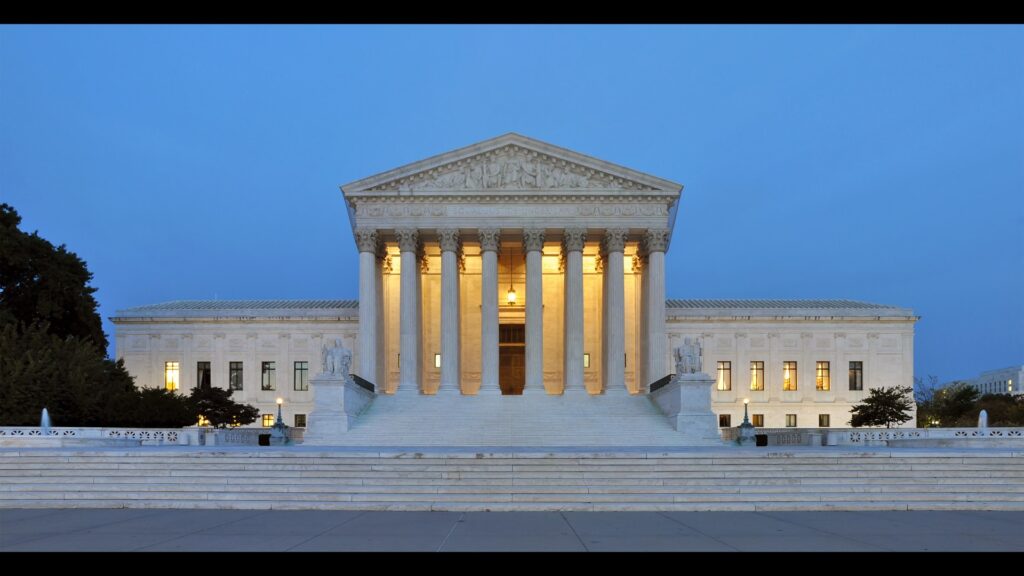
The Trump administration went to the United States Supreme Court on Monday and asked the justices to order California to set aside mail ballots tied to about 20,000 registered voters, one day before the midterm election that will decide which party controls Congress.
The Justice Department wants those ballots kept apart from the rest of the vote and left uncounted until each voter on its list can be verified as a citizen. The list, built by the Department of Homeland Security, names people the administration says are likely noncitizens who registered to vote.
“Once California commingles the challenged ballots with lawful ones, there is no way to get the challenged ballots back,” the Justice Department wrote in its appeal.
Major Takeaways
The administration has now lost this argument before a federal judge and a federal appeals panel, and it is asking the Supreme Court to intervene on the eve of the election. County officials who sampled the federal list found that about one in four of the voters in the sample had a United States birthplace on file. No court has ordered a single California ballot set aside, and California is counting ballots under its own rules while the justices decide whether to act.
California refused the demand when it first arrived, and the Justice Department sued the state on October 15, more than a week after mail ballots had already gone out to registered voters across the state. The case landed before United States District Judge David Carter in Los Angeles.
Judge Carter rejected the emergency request on October 28. He wrote that it “would wreak havoc and disrupt the election that is already underway, create a chilling effect on election workers and voters alike, and discount the votes of United States citizens.”
His order went further. “Never before in American history has the federal government, on the eve of an election, sought to coerce a state and local government to abandon their own Constitutional election procedures and bend to the will of the Executive Branch,” the judge wrote.
The administration appealed, and on Friday a divided panel of the Ninth Circuit Court of Appeals refused the same request by a margin of two to one. The majority, one judge appointed by President Trump and one appointed by President Biden, found there is no feasible way to identify and segregate the ballots of specific individuals “without potentially catastrophic effects on the entire system.”
The panel warned that forcing California to use the federal list could bar valid votes from being counted and could jeopardize the entire Los Angeles County election. It also pointed to the long standing rule of the Supreme Court itself, that federal courts should not change election rules on the eve of an election, and said that caution carries even greater force once voting is already under way.
Judge Patrick Bumatay dissented. He called the government request reasonable, arguing that setting ballots aside would not cancel any vote and would allow time to verify the eligibility of voters whose citizenship is in question.
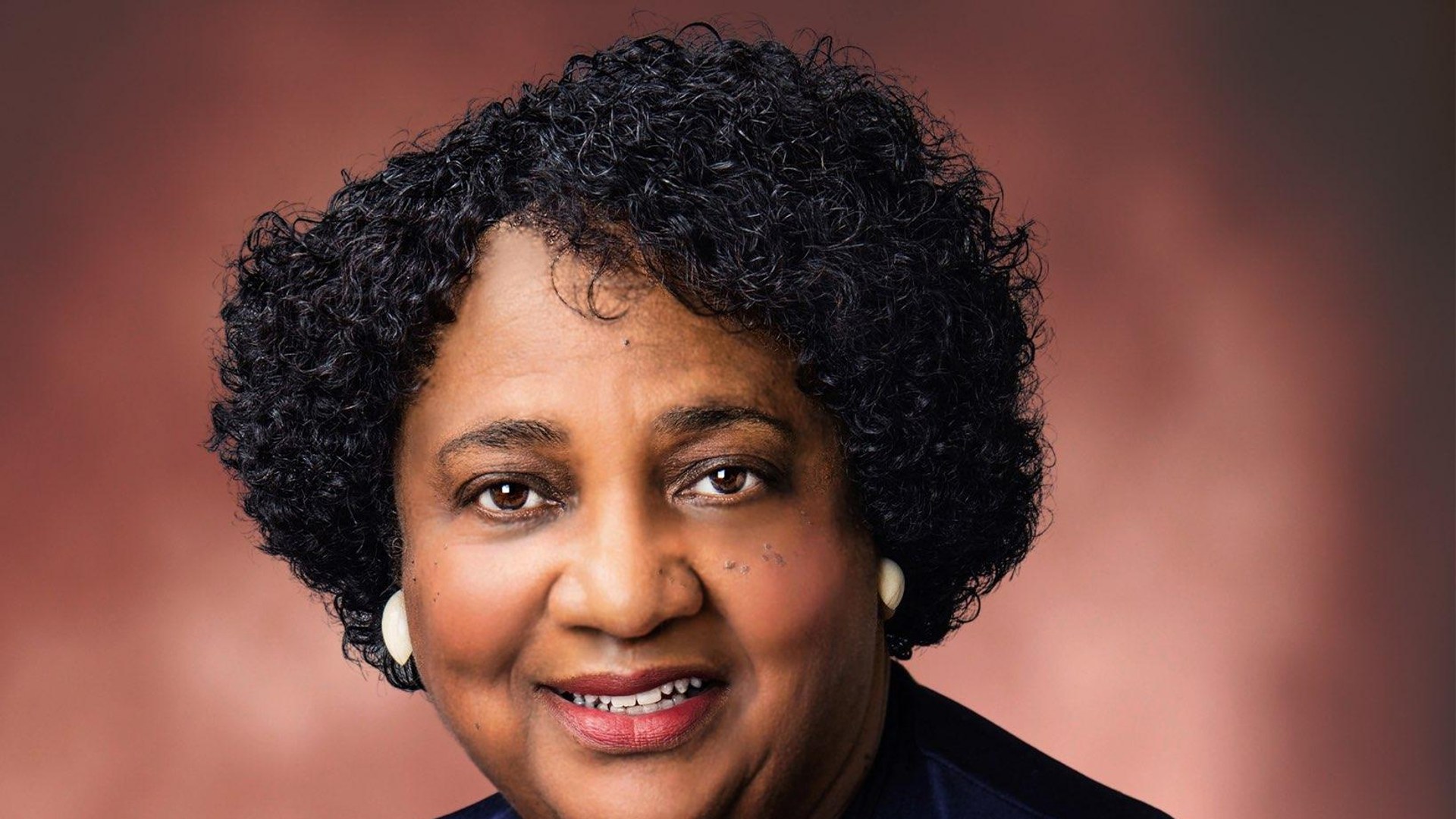
At the center of the defense of the California count stands Secretary of State Shirley Weber, the official who runs elections in the largest state in the nation. Weber refused the federal demand weeks ago, saying she would not disenfranchise thousands of people on the basis of what she called “an unsupported and likely inaccurate belief” built on information the state could not verify.
Her office has said the state already runs safeguards to protect the integrity of its elections, and it has called the process behind the federal list highly suspect. When federal officials claimed in July that California had 190,000 noncitizens on its voter rolls, the state asked for the evidence. In the words of her office, “They refused and provided California with nothing.”
The county numbers tell their own story. Los Angeles County tested a sample of about 200 names from the federal list and found that 25.8 percent of those voters had a United States place of birth on file. County officials also found that many people on the list had no active registration at all and were never mailed a ballot, which means the number of ballots actually in dispute is likely far smaller than 20,000.
Attorney General Rob Bonta, whose office is defending the state, put the state case in blunt terms. “At best, this litigation is a reckless political stunt,” his office wrote. “At worst, it threatens to disenfranchise thousands of Californians this election.”
Federal prosecutors have so far charged 28 people tied to the list, in a state with more than 23 million registered voters. The president has for years claimed that noncitizens influence American elections by voting illegally. Courts and election officials have repeatedly found no evidence of noncitizen voting at any scale capable of changing an outcome.
Under the Constitution, states run federal elections, with Congress able to set rules of its own. The executive branch holds no direct power to order a state how to handle its ballots, and that division of authority runs through every ruling in this case so far. This lawsuit is one of about 30 the Justice Department has filed against states that refused to hand over their voter data. The department has lost most of those cases.
This fight also sits on top of the separate battle over California voter list errors that reached court this fall. Read our earlier coverage of the Justice Department sanctions fight over the California voter lists, and our report on how Black early voting has surged across the South heading into Tuesday.
What happens next rests with the justices, who can act at any hour or decline to step in at all. As of Monday afternoon, no court has ordered any California ballot set aside, voting continues across the state, and every ballot cast by a registered voter in California remains on track to be counted under state law unless the Supreme Court rules otherwise.