

Major Takeaways
Massive disclosure: DOJ released millions of pages of Epstein related documents under the Epstein Files Transparency Act.
High profile names included: List of over 300 individuals appears in the files but inclusion does not imply guilt.
Controversy mounts: Critics argue the release is incomplete and lacks necessary context.
EPSTEIN FILES TRUTHS: What Pam Bondi’s Release Really Reveals
By Urban City Podcast Group• 4 min read
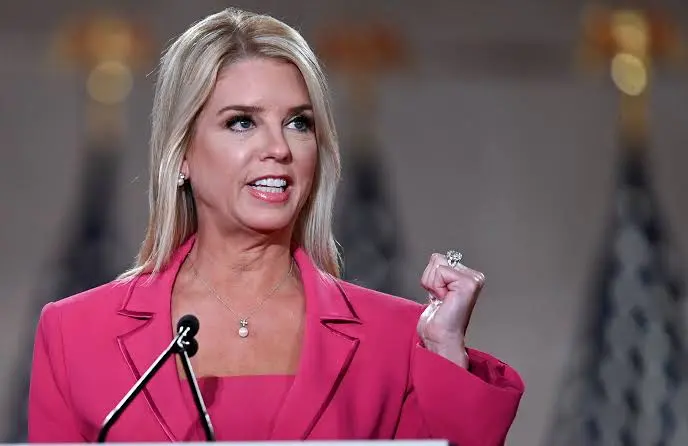
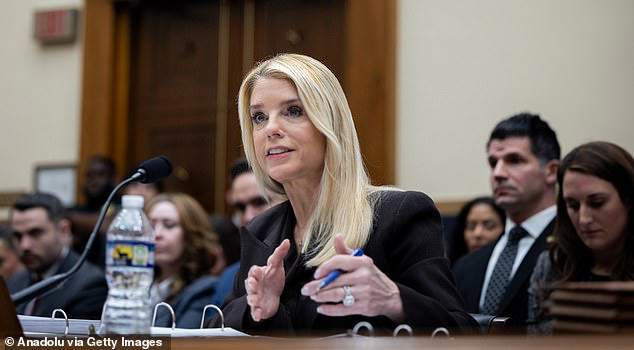
On February 15 2026 U.S. Attorney General Pam Bondi made good on the promise to Congress and publicly announced that all documents tied to the Jeffrey Epstein case spanning millions of pages had been released under the Epstein Files Transparency Act. The disclosure represents a massive moment in one of the most closely watched legal sagas in recent history but it carries as much political heat as legal heft.
Bondi’s statement delivered in a letter to key leaders of both the Senate and House Judiciary Committees asserts that the Justice Department complied fully with the law’s requirements handing over every category of records documents communications and investigative materials that relate to Epstein and his many tangled networks. The disclosure includes more than 3.5 million pages of materials from emails and contact lists to investigative reports linked to Epstein and associate Ghislaine Maxwell. Gone she said are the days of partial leaks this is the whole kit.
At the heart of Bondi’s release is a list of more than 300 high profile names from former presidents and tech moguls to entertainers and royalty flagged simply because their names appear at least once in the released materials. The roster ranges from President Donald Trump and President Joe Biden to Bill Gates Mark Zuckerberg and Prince Harry among others. But appearances in documents do not always imply wrongdoing a detail Bondi’s team underscored amid rising uproar.
That nuance or lack thereof has become a major sticking point. Lawmakers have criticized how names are presented and some observers argue the DOJ’s release strategy while legal in form blurs lines between relevant connections and incidental mentions. Indeed a flurry of reactionary headlines highlighted long dead stars like Marilyn Monroe and Kurt Cobain alongside living political figures raising questions about context and intent.
What’s Inside And What It Means
Here’s the straight unvarnished breakdown: the files include an expansive archive of records much of it previously sealed or partially available. These encompass internal emails investigative narratives legal correspondence and ancillary paperwork all part of an effort to give Congress and the public a panoramic view of the Epstein investigation and related inquiries. Bondi’s team insists that no records were withheld simply to protect reputations or political interests.
But not everyone buys that. Some civil liberties advocates and abuse survivors have blasted the release as incomplete or even harmful suggesting that the documents still obscure key details and in some cases could retraumatize victims whose identities were not fully protected. The DOJ claims extensive consultation with victims and legal counsel on redaction decisions but critics say too much remains murky.
To put this in perspective despite the law’s mandate the broader public and watchdog communities are still dissecting the data and will be doing so for months. Investigator notes flight logs contact lists and other pieces could yet yield new revelations or just reinforce the complexities of a sprawling case that spans jurisdictions decades and the highest echelons of society. One thing is clear the conversation is just starting.
Looking Ahead
The political fallout from this release is not likely to fade anytime soon. Congressional hearings have already featured heated exchanges and bipartisan calls for clarity on redactions and omissions persist. In some corners the narrative has already shifted from full transparency to frustrated accusations of half truths.
It is a debate that for now defines the legacy of how one of the most controversial chapters in criminal history is unfolding and how political dynamics continue to influence public understanding of justice secrecy and power.