
6 min read
Major Takeaways
- Miami Dade commissioners hold a public hearing Tuesday, November 17, on an ordinance that removes race from the Economic Advocacy Trust charter.
- The Trust was created in 1983 after the McDuffie riots to ensure the equitable participation of Blacks in county economic growth.
- The rewrite deletes the annual Report Card on the State of the Black Community and ends the board majority requirement for the African American community.
- Housing help, small business support and Teen Court all survive, while a state law taking effect January 1, 2027 drives the deadline.
The Miami Dade Economic Advocacy Trust faces a Tuesday vote that could erase Black from its founding mission for the first time in more than four decades.
A Miami Dade Trust Born From the McDuffie Uprising
The Miami Dade Economic Advocacy Trust exists because Black Miami once burned with grief and rage.
Arthur McDuffie was a Black insurance agent and a former Marine.
Officers charged in his death were acquitted in 1980.
The unrest that followed shook the county to its core.
County leaders created the Metro Miami Action Plan in 1983.
The plan was a direct response to those riots.
Its charge was plain from the start.
Black residents had been shut out of county growth.
Somebody had to measure that exclusion and fight it.
An ordinance made the plan a county agency in 1992.
Another ordinance renamed it the Economic Advocacy Trust in 2009.
For more than four decades the Trust has tracked Black economic life.
It has pushed housing help, business support and youth diversion.
On Tuesday that founding mission is on the table.

What the Ordinance Removes From the Charter
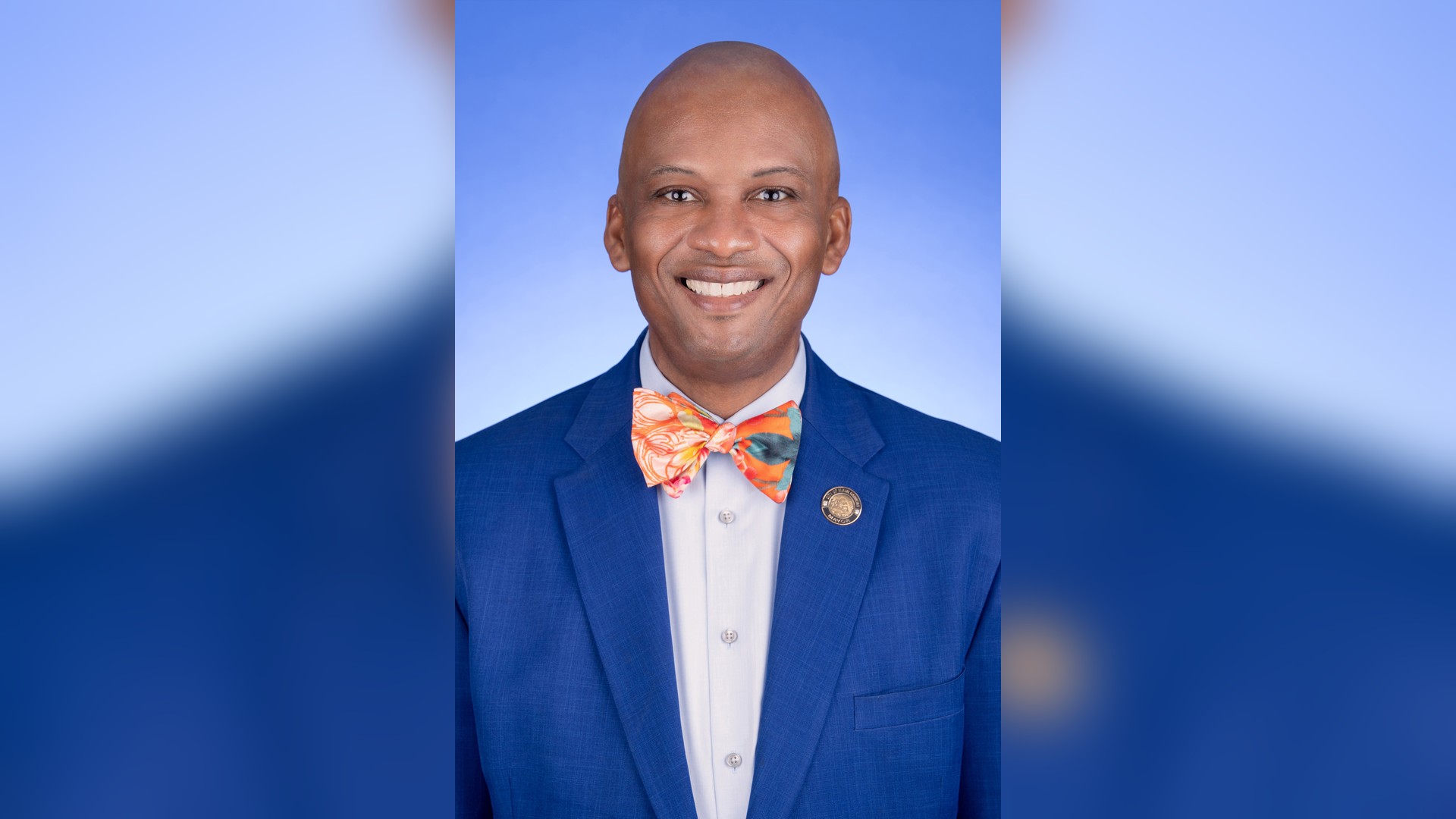
Commissioner Oliver G. Gilbert III sponsored the rewrite.
County file 261706 sits as Item 5(A) on the Tuesday agenda.
The public hearing is set for November 17.
The first reading passed on October 20 by 9 to 0.
The ordinance amends four sections of the county code.
The first change rewrites the purpose of the Trust.
Today the code says the Trust shall ensure the equitable participation of Blacks in county growth.
The rewrite deletes that charge word by word.
In its place stands the participation of lower income and economically distressed residents.
The second change strikes a sentence about the board itself.
The code now requires a majority of board members from the African American community.
That requirement disappears under the rewrite.
Every current trustee term ends on the effective date.
Each trustee keeps serving until a successor is appointed.
At least seven seats on the new board go to current members.
The deepest cut may be the paper trail.
The third change deletes the annual Report Card on the State of the Black Community.
That report card tracked unemployment in Black Miami.
It tracked business ownership, graduation rates and homeownership.
The fourth change rewrites the annual scorecard the same way.
A disparity study once examined Black economic conditions every ten years.
The new study examines lower income residents instead.
It weighs economic need, geography, housing conditions and business capacity.
The old Management Watch process for a troubled Trust also ends.
A general audit section of the code takes its place.


The Programs Survive but the Mandate Changes
Read the fine print and one fact stands out.
Almost nothing the Trust does is being shut down.
The ordinance expressly keeps housing counseling and homeownership help.
It keeps small business technical assistance for local firms.
It keeps Teen Court, the diversion program for young people.
In Teen Court, first time offenders face a jury of their peers.
The down payment help already reaches buyers at 140 percent of area median income.
That program serves buyers regardless of race today.
So the fight on Tuesday is not about services.
The fight is about naming who the services exist to repair.
An income test counts poverty wherever it lives.
It cannot say why Black families hold so little wealth.
It cannot track whether that gap is closing.
That is the trade Black Miami is being asked to accept.
A State Law With Teeth Forced the Timeline
The ordinance never names the state law behind it.
Its preamble only cites changes in applicable law.
The law is Senate Bill 1134, and it has teeth.
Governor Ron DeSantis signed it in April.
It cleared the state House 77 to 37.
It cleared the state Senate 25 to 11.
Senator Clay Yarborough of Jacksonville carried the bill.
On January 1, 2027 the law takes full effect.
It bars counties and cities from funding or promoting diversity, equity and inclusion.
Conflicting local ordinances become void on that date.
Any resident may sue a government that violates it.
An official who violates it commits misfeasance or malfeasance in office.
That finding can open the door to removal.
Counties are already moving ahead of the deadline.
Leon County suspended its minority and women business program in June.
Six advisory boards in the county Office of Community Advocacy face rollback.
The program director of the Black Affairs Advisory Board expects hers among them.
Tuesday carries a second naming fight as well.
Vice Chair Kionne McGhee sponsors an item on the South Dade Black History Center.
His ordinance would take the word Black out of its name.
It would rename its advisory board the same way.
Three Questions Black Miami Should Ask Tuesday
Gilbert is no outsider to this community.
He was born and raised in Miami Gardens.
He graduated from Florida A and M University.
He led Miami Gardens as mayor from 2012 to 2020.
His fellow commissioners chose him as board chairman in December 2022.
This month voters sent him to Congress in District 24.
He succeeds Frederica Wilson when the new Congress convenes in January.
That makes his sponsorship a statement, not an accident.
A Black leader is choosing compliance by redesign.
Three questions still deserve plain answers on Tuesday.
First, why must the report card die at all?
Counting how a community fares is measurement, not favoritism.
Second, how wide is the new income door?
A mission written for lower income residents sits oddly beside help reaching 140 percent of median income.
Third, is the new oversight stronger or weaker than Management Watch?
Residents can put those questions on the record themselves.
The Tuesday meeting is the public hearing for Item 5(A).
Any resident may speak or call a commissioner beforehand.
If the ordinance passes, it takes effect ten days after enactment.
A mayoral veto could delay it, and an override could revive it.
Either way, the deadline pressure is real and statewide.
Black Miami built this Trust out of a painful reckoning.
What survives Tuesday is the work itself.
What may vanish is the promise written into its name.
The same map fights are shrinking Black seats in Congress, as our look at the new House tally showed this week.
New leadership is also rising to answer, as our report on the next Black Caucus chair detailed.
Follow every development at Urban City Podcast.