6 min read
Major Takeaways
- A Los Angeles judge denied a petition that sought court action on racial disparities in California school discipline.
- The families argued that suspension and expulsion fall hardest on Black and Latinx students across the state.
- State data still show Black students suspended at three times the rate of white students.
- The ruling turned on legal duty, and it leaves the fight in the hands of lawmakers and local districts.
A Los Angeles judge has denied a request to force California to take stronger action against racial bias in California school discipline.
Judge Curtis A. Kin issued the ruling on Tuesday in Los Angeles Superior Court.
The decision ends a courtroom push that began five years ago.
For Black families, the ruling lands hard and familiar.
Parents have long said their children lose class time for conduct that other students survive with a warning.
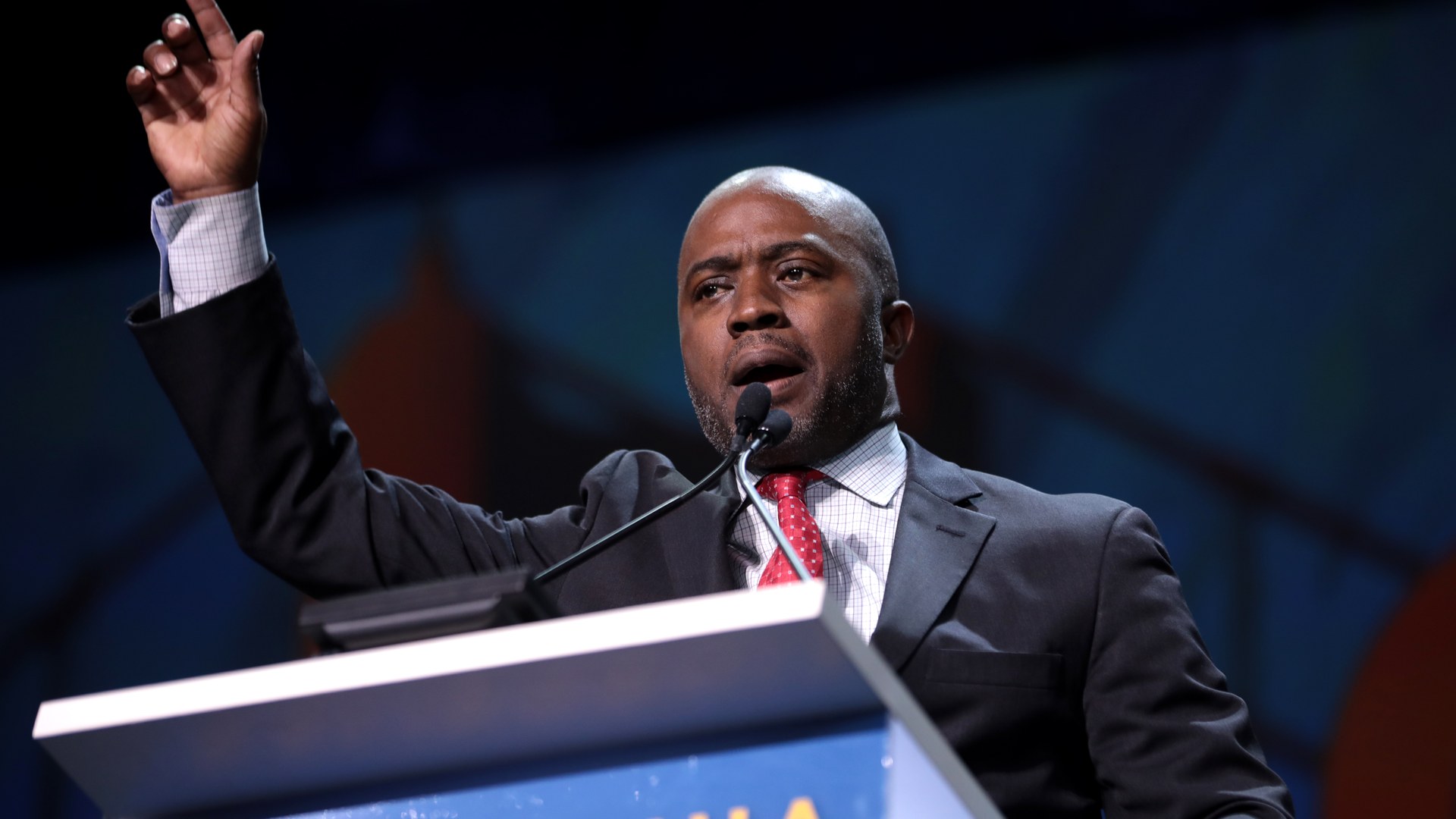
Photo by Gage Skidmore via Wikimedia Commons, CC BY SA 2.0
What the Families Asked the Court to Do
Students, families and advocacy groups sued State Superintendent of Public Instruction Tony Thurmond in October 2021.
They accused the state Department of Education of ignoring widespread racial disparities in school discipline.
The suit named discriminatory suspension, expulsion and discipline practices that harm Black and Latinx students most.
It also accused the state of hiding high expulsion rates.
The families said the state fails to track and properly report involuntary student transfers.
A transfer can quietly push a student out of a school without an expulsion on paper.
The petition asked the court to command the department to act.
That kind of court order requires proof of a clear legal duty.
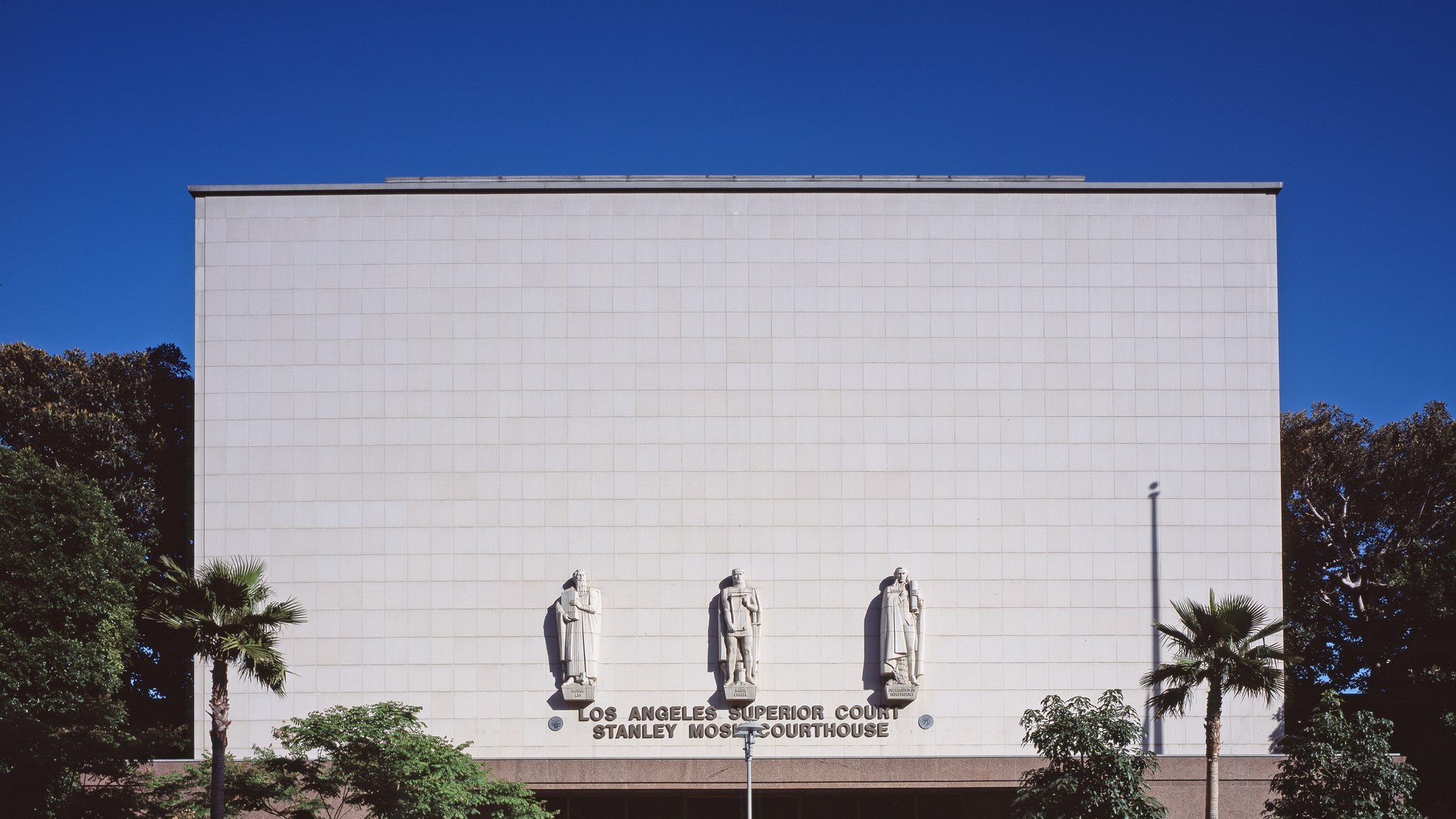
Photo by Carol M. Highsmith, Library of Congress, public domain
California School Discipline in Numbers
The numbers behind this case explain why families went to court at all.
Black students make up about 5 percent of California public school enrollment.
That is about 287,400 students, and about a third of them live in Los Angeles County.
A decade of state data tells a stubborn story about who gets sent home.
The suspension rate for Black students fell from 14 percent to 9 percent over ten years.
Even after that drop, Black students are still suspended at three times the rate of white students.
One recent statewide report found that the gap between Black students and white students has widened in the last three years.
The students with the least support lose the most learning time.
Students in foster care lose 76.6 days of instruction for every 100 students enrolled.
Black students in foster care lose 121.8 days for every 100 enrolled.
The statewide average sits at just 10.7 days.
Most suspensions for the students suspended most often involve minor misconduct with no injury.
Profanity and vulgarity sit at the center of many of those cases.
State reporting can even label nonviolent conduct under a category called Violent Incident, No Injury.
Labels like that can make small conduct sound dangerous in a student record.

Why the Judge Said No
Judge Kin wrote that the families disagree with how the state chose to respond.
“Petitioners take issue with the various approaches respondents have chosen as the means to monitor and address racial discrimination and discipline,” he wrote.
“The court finds that such approaches are not sufficiently flawed to warrant the requested relief.”
The judge said the families failed to show a mandatory duty.
Without that duty, the court said it cannot command the department to monitor or address discipline with racially disparate results.
The families also argued that the department abused its discretion.
That claim failed as well.
The judge said the current system was not shown to be arbitrary, capricious or lacking in any evidentiary support.
The decision turned on what the law requires the department to do.
It did not make the discipline data disappear.
What This Means for Black Families
Every suspension is lost instruction, lost momentum and lost trust in school.
A child sent home falls behind in class and returns to school already marked.
Parents then fight two battles at once, one over conduct and one over fairness.
Some districts have shown that different choices bring different results.
Los Angeles Unified banned suspensions for disruption and defiance more than a decade ago.
District leaders there have also taken public votes backing Black students with funding and support.
Advocates say the path forward starts with stronger state civil rights enforcement and oversight.
They want a clear process for complaints about discriminatory discipline.
They want honest public reporting that does not hide rising rates or widening gaps.
They also want an end to suspension for minor and subjective infractions.
Dan Losen, a senior fellow who studies discipline data, put the stakes plainly.
“California has promised equity in education, but these findings show that for many students, especially Black and American Indian youth in the foster system or experiencing homelessness, that promise remains broken,” Losen said.

Photo by Eric Garcetti via Wikimedia Commons, CC BY 2.0
Where the Fight Goes From Here
The courtroom route now looks narrow for this group of families.
That shifts weight to the Legislature, the State Board of Education and local school boards.
It also shifts weight to parents who show up, meeting after meeting, with data in hand.
Black parents in California have done that work for generations.
They organized for fair funding, fair hiring and a fair chance for their children to learn in peace.
This ruling says a judge will not force the change they sought.
It does not say the change is not needed.
Follow our continuing coverage of education and Black family life in the Urban City Podcast news section.
And find every story that matters to our community at Urban City Podcast.
The data are public. The disparities are documented. The work continues.